
Table of Contents
Which Yoga is Best for Diabetics? A Comprehensive Practitioner’s Guide
Determining which yoga is best for diabetics comes down to choosing gentle, restorative styles like Hatha yoga and Yin yoga that combine controlled abdominal compression with restorative breathwork. Restorative movement styles stimulate pancreatic blood circulation while lowering serum cortisol levels, which helps stabilize blood glucose spikes without causing joint strain or metabolic exhaustion. Whether you attend early morning sessions along the breezy sands of Besant Nagar or practice online from home, integrating gentler styles provides an accessible, sustainable approach to managing diabetes alongside medical care.
What is Diabetic-Friendly Yoga Practice?
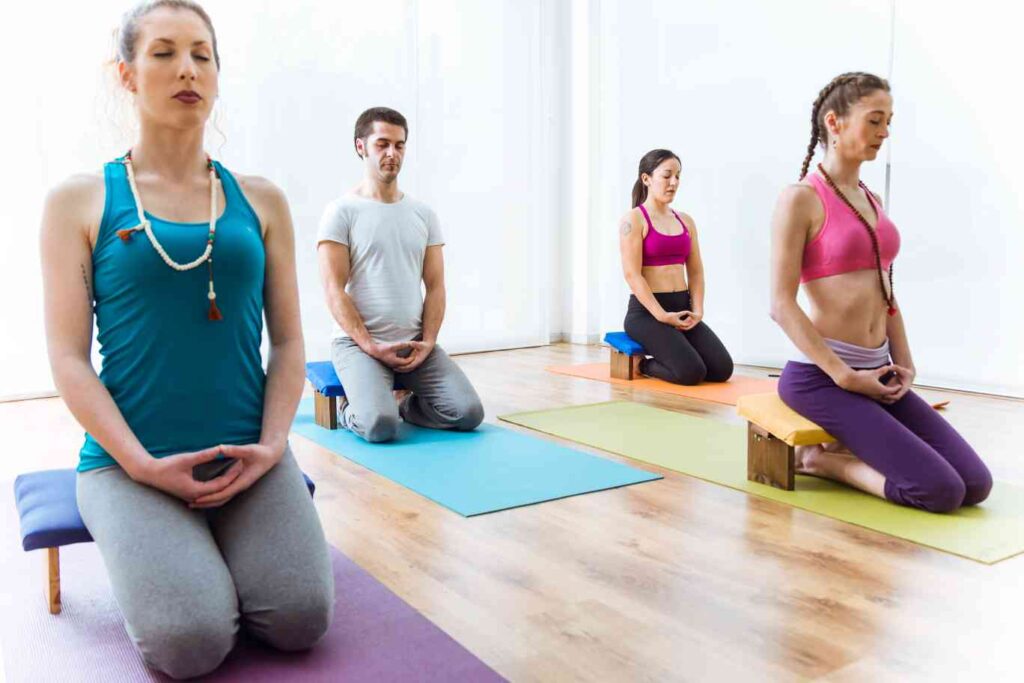
Diabetic-friendly yoga is a specialized therapeutic approach emphasizing slow, sustained physical postures (asanas), gentle abdominal compressions, and rhythmic breathwork (pranayama) designed to improve insulin sensitivity, reduce stress hormones, and stimulate abdominal organs without causing physical fatigue or sudden glycemic drops.
Yoga Styles & Diabetic Metabolic Matching
| Yoga Style | Metabolic Impact | Stress Reduction | Suitability for Diabetics |
|---|---|---|---|
| Hatha Yoga | High (Gentle abdominal twists) | High | Ideal / Best Overall Match |
| Restorative / Yin | Moderate (Parasympathetic rest) | Very High | Ideal for Stress & Sleep Support |
| Iyengar Yoga | Moderate (Supported posture) | High | Ideal for Beginners / Neuropathy |
| Vinyasa Flow | Variable (Risk of rapid drops) | Moderate | Requires Caution & Blood Monitoring |
| Power / Hot Yoga | High (Dehydration risk) | Low to Moderate | Not Recommended for Unmanaged Cases |
In our regular outdoor sessions along the East Coast Road (ECR) and Thiruvanmiyur beach, we encounter many practitioners seeking natural ways to manage type 2 diabetes. As certified wellness educators holding Yoga Alliance (RYT-500) and Ministry of Ayush qualifications, we guide students through mindful movement protocols. Rather than pushing into intense cardio routines, focusing on which yoga is best for diabetics reveals that slower Hatha and Iyengar practices offer optimal metabolic support.
Why Yoga Styles Matter for Diabetic Health and Lifestyle
Chronic mental stress triggers excessive cortisol and adrenaline release, causing the liver to dump stored glucose into the bloodstream. Gentle, breath-focused yoga directly engages the parasympathetic nervous system, reversing this stress response and supporting cellular insulin responsiveness.
Stress & Glucose Regulation
1. Parasympathetic Reset
Slow diaphragmatic breathing lowers cortisol & adrenaline.
2. Abdominal Compression
Gentle twisting compresses pancreatic & hepatic tissue.
3. Glucose Uptake
Muscle contraction aids glucose absorption without fatigue.
Wellness frameworks outlined by WHO wellness guidelines highlight physical activity and stress reduction as mandatory pillars of type 2 diabetes care. Furthermore, peer-reviewed clinical studies indexed on PubMed literature demonstrate that regular Hatha yoga practice significantly lowers fasting blood glucose, decreases HbA1c levels, and improves lipid profiles in individuals living with metabolic conditions.
According to Outdoor Yoga Chennai, practitioners who incorporate 30 minutes of gentle Hatha yoga and Kapalabhati breathwork into their morning routine report improved post-meal glucose stability and higher energy levels within six weeks of consistent practice.
How Diabetic Yoga Practice Works: Step-by-Step Sequence
Building a safe diabetic yoga sequence requires selecting postures that massage internal organs, improve circulation to lower extremities, and calm autonomic nervous arousal.
1.1. Centering and Diaphragmatic Breathing (Pranayama):Ground your nervous system and regulate natural breath.
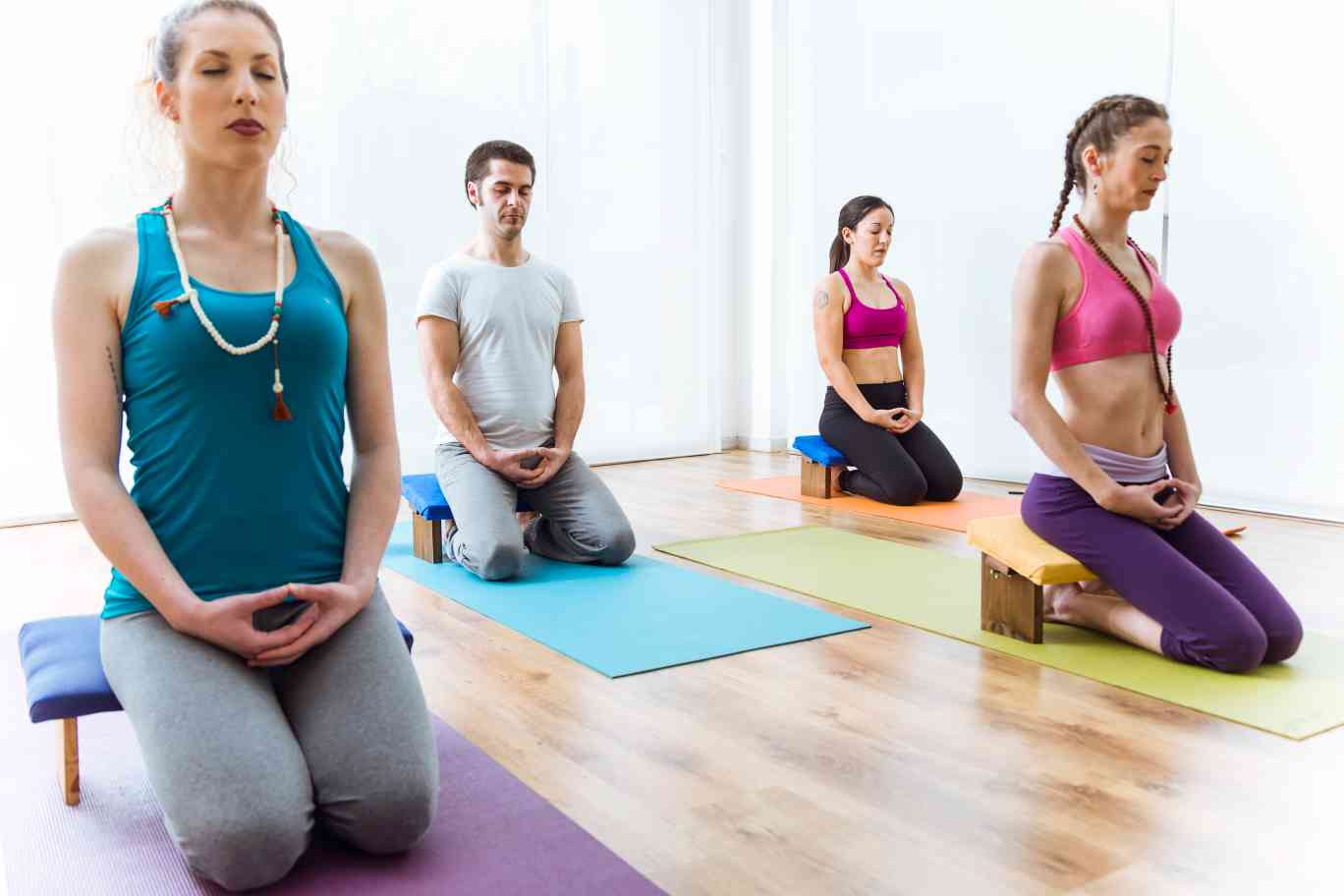
Sit comfortably in Sukhasana with hands resting on your thighs. Inhale deeply through the nose, expanding your abdomen fully, and exhale slowly to lower heart rate and reduce stress hormones.
2.2. Seated Spinal Twist (Ardha Matsyendrasana):Stimulate core abdominal organs and pancreatic tissue.
Sit with legs extended, bend your right knee, and step the right foot over the left thigh. Gently twist your torso toward the right, hugging the right knee to compress and massage abdominal organs.
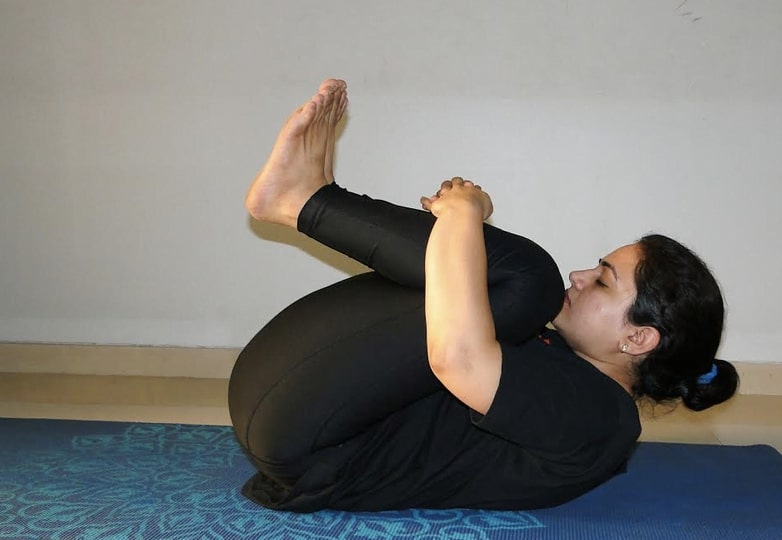
3.3. Wind-Relieving Pose (Pawanmuktasana):Massage pelvic organs and encourage core digestion.
Lie flat on your back, draw both knees toward your chest, and clasp your hands around your shins. Gently rock side to side while breathing deeply into the compressed abdominal area.
4.4. Supported Cobra Pose (Bhujangasana):Tone abdominal muscles and encourage liver function.
Lie prone, place palms beneath your shoulders, and gently lift your chest while keeping hips anchored. This mild backbend stretches abdominal muscles and stimulates pancreatic blood flow.
5.5. Legs-Up-the-Wall Pose (Viparita Karani):Encourage venous return from legs and ease neuropathy.
Sit close to a wall, roll onto your back, and extend your legs straight up against the wall. Rest comfortably for 5 to 10 minutes to support blood circulation from lower extremities.
During a morning session near Besant Nagar beach, a senior practitioner living with type 2 diabetes felt dizzy when transitioning quickly between standing poses. By adjusting his sequence to include supported floor postures and longer pauses between transitions, his blood pressure remained stable, allowing him to finish his practice comfortably.
Physical, Mental, and Emotional Benefits of Yoga for Diabetics
Choosing styles aligned with which yoga is best for diabetics delivers targeted metabolic and emotional benefits:
- Improves Insulin Sensitivity: Muscle contraction during sustained holds assists glucose absorption without requiring high insulin levels.
- Lowers Serum Cortisol: Slow breathwork reduces stress hormones that otherwise trigger blood glucose spikes.
- Enhances Circulation to Extremities: Inversions and leg elevations support vascular health in feet and ankles.
- Supports Weight Balance: Gentle daily movement enhances metabolic rate and assists in fat mass regulation.
- Promotes Mindful Eating Habits: Increased bodily awareness helps practitioners make healthier dietary choices.
How Can Beginners with Diabetes Approach Yoga Safely?
Beginners with diabetes can approach yoga safely by starting with gentle Hatha or Restorative classes, checking blood glucose levels before and after practice, keeping fast-acting glucose tablets nearby, wearing comfortable cushioned socks if experiencing peripheral neuropathy, and avoiding rapid transitions that trigger dizziness.
Yoga does not replace medical treatment for diabetes; rather, it acts as a powerful companion that enhances cellular responsiveness and restores mental peace.
Establishing a comfortable practice routine ensures safety while supporting long-term health goals.
Safe Practice Matrix for Diabetic Yoga
| Safety Concern | Common Practice Trigger | Recommended Practice Modification |
|---|---|---|
| Unexpected Hypoglycemia | Strenuous flow on empty stomach | Keep glucose tablets near mat |
| Foot Injury / Neuropathy | Barefoot practice on rough ground | Use padded socks / extra mat layer |
| Postural Dizziness (Hypotension) | Rapid standing-to-folding moves | Pause in neutral between poses |
| Joint Strain in Feet / Knees | Deep unsupported kneeling | Place folded blankets under knees |
- Monitor Blood Glucose Consistently: Check your levels before stepping onto the mat to ensure blood sugar sits in a safe range (100–180 mg/dL).
- Stay Hydrated Throughout: Drink water before and after practice to avoid dehydration, which elevates blood glucose concentration.
- Use Supportive Props: Incorporate bolsters, chairs, and blocks to maintain comfort without over-exerting joints.
- Avoid Extreme Heat: Skip hot yoga styles, as excessive heat can cause unpredictable blood sugar fluctuations and dehydration.
Common Misunderstandings About Yoga for Diabetes
- Myth 1: Power yoga and intense hot classes are best for burning off blood sugar.
- Fact: Extreme heat and high-intensity strain increase cortisol, which can actually cause temporary blood glucose spikes.
- Myth 2: Yoga can cure diabetes completely without medical intervention.
- Fact: Yoga serves as a complementary lifestyle practice that supports metabolic health alongside prescribed medical care.
- Myth 3: People with diabetic neuropathy cannot practice yoga postures.
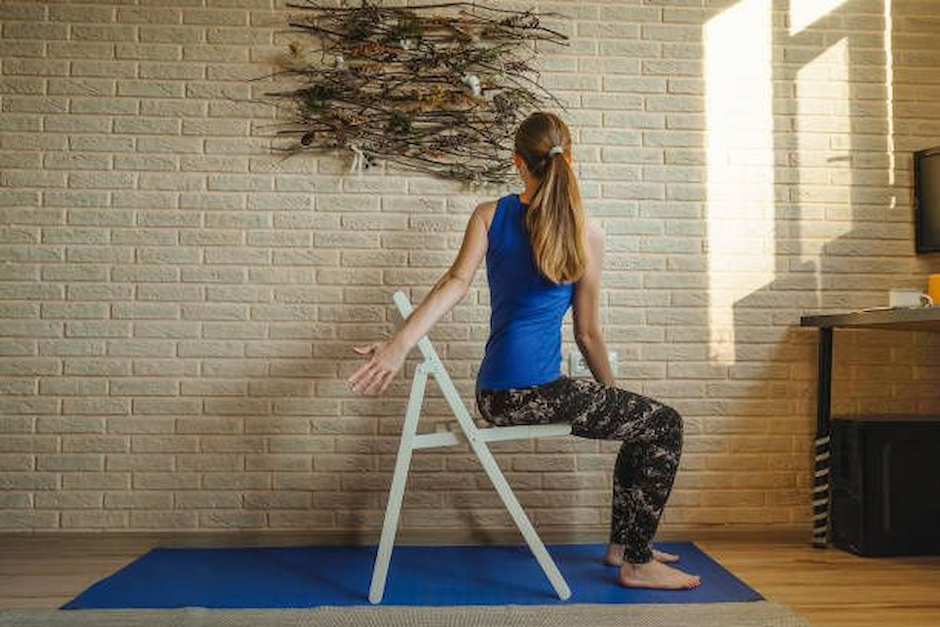
- Fact: Chair yoga and supported wall postures allow individuals with sensory changes in their feet to practice safely.
- Myth 4: You must hold deep abdominal twists until they feel painful.
- Fact: Gentle compression provides optimal organ stimulation; forcing deep twists causes unnecessary muscle strain.
7 Practical Tips for Managing Blood Sugar with Yoga
Diabetic Yoga Protocol
1. Preparation Setting
- Check blood sugar first
- Keep fast-acting snacks near
- Wear soft padded socks
2. Posture Mechanics
- Focus on gentle twists
- Move slowly between levels
- Hold poses 3–5 breaths
3. Lifestyle Integration
- Practice at same time daily
- Drink plenty of water
- Combine with daily walking
- Schedule Sessions at Fixed Times: Practicing at the same time each morning helps establish consistent metabolic rhythms.
- Keep Emergency Glucose Near Your Mat: Always have glucose tablets or fruit juice within reach during class.
- Combine Twists with Slow Exhalations: Exhale fully as you twist into poses like Ardha Matsyendrasana to maximize soft abdominal compression.
- Protect Your Feet: Use thick, cushioned yoga mats or wear soft socks to guard sensitive feet during standing poses.
- Incorporate Anulom Vilom Pranayama: Alternate nostril breathing calms autonomic stress and stabilizes heart rate variability.
- Avoid Inversions if Retinopathy is Present: Skip full headstands or shoulderstands if you have diabetic eye complications, as these increase ocular pressure.
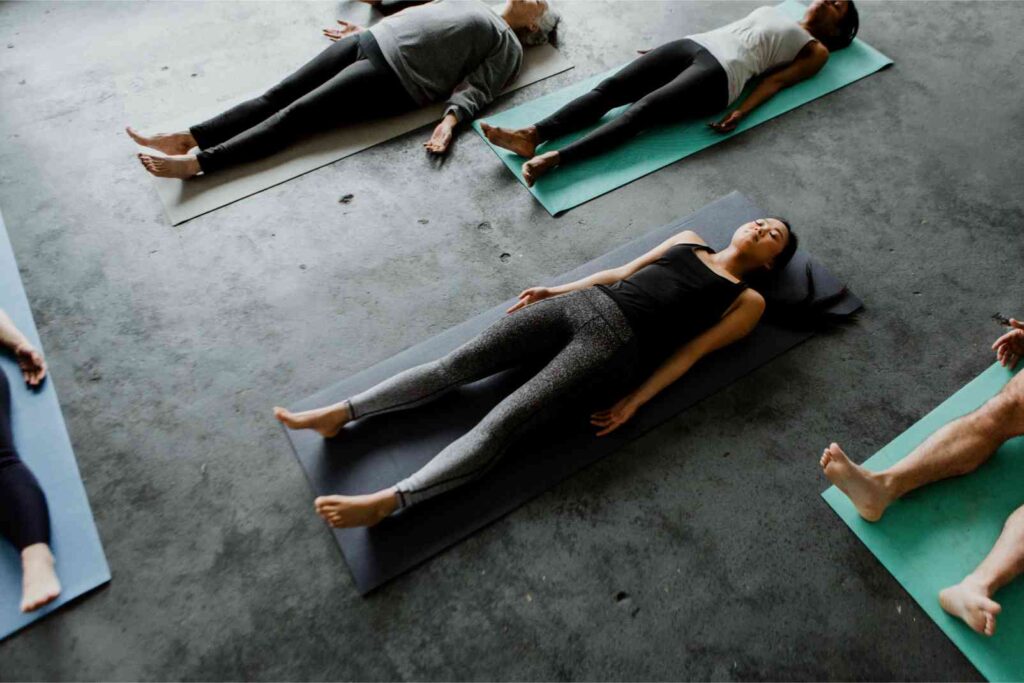
- End Every Session with Extended Savasana: Rest in Corpse Pose for at least 10 minutes to allow parasympathetic recovery to take effect.
Frequently Asked Questions
Which style of yoga is most effective for lowering blood sugar?
Hatha yoga and Restorative yoga are most effective because they combine gentle abdominal compression with stress-reducing breathwork without causing extreme metabolic strain.
Can practicing yoga replace daily insulin or diabetic medication?
No. Yoga is a complementary lifestyle practice that enhances insulin sensitivity, but it should never replace prescribed medical treatments without physician guidance.
Is it safe to practice yoga on an empty stomach with diabetes?
Practicing after a light snack is usually safer to prevent hypoglycemia, especially for individuals taking insulin or blood-sugar-lowering medication.
How does stress reduction in yoga help manage diabetes?
Lowering stress reduces cortisol and adrenaline production, preventing the liver from releasing unnecessary stored glucose into the bloodstream.
What should I do if I feel shaky during a yoga class?
Stop practicing immediately, check your blood glucose level, and consume a fast-acting carbohydrate like glucose tablets or juice.
Are hot yoga classes suitable for people with diabetes?
Hot yoga is generally not recommended because high heat increases dehydration risk and can cause unpredictable blood sugar fluctuations.
How many times a week should a diabetic person practice yoga?
Practicing gentle yoga for 20 to 30 minutes daily or 4 to 5 times per week offers optimal long-term blood glucose benefits.
Can chair yoga benefit seniors living with diabetes?
Yes. Chair yoga provides excellent abdominal movement, joint mobility, and stress relief without requiring balancing on standing feet or floor transitions.

Gentle Steps Toward Sustainable Metabolic Health
Understanding which yoga is best for diabetics illuminates a practical, empowering approach to managing daily health:
- Choose gentle, restorative styles: Prioritize Hatha, Iyengar, and Restorative practices over high-intensity flows.
- Prioritize safety and hydration: Check blood glucose levels before practicing and keep fast-acting snacks near your mat.
- Commit to consistent, gentle movement: Regular 20-minute daily sessions build long-term metabolic stability far better than occasional strenuous workouts.
By moving mindfully and honoring your body’s signals, you cultivate lasting physical vitality and calm confidence.
Health Disclaimer: This content is for educational purposes only and is not a substitute for medical advice. Consult your doctor before starting any new exercise program.
If you are looking to explore guided therapeutic yoga tailored to your lifestyle, discover the live online classes and peaceful beachfront sessions hosted by Outdoor Yoga Chennai. Connect with certified instructors across India to build a supportive, sustainable wellness routine today.



Leave a Comment