
Table of Contents
How to Practice Yoga at Home in a Small Apartment
Learning how to practice yoga at home in a small apartment begins with shifting your mindset from needing a dedicated studio room to creating a functional 6×2 foot sanctuary. You do not need a sprawling home studio or dedicated zen room to roll out your mat and build a deeply grounding practice. With intentional space planning, vertical prop storage, smart pose selection, and breath-centered movement, your living room, bedroom corner, or narrow hallway transforms instantly into a powerful space for physical and mental renewal.
What is small apartment yoga practice?
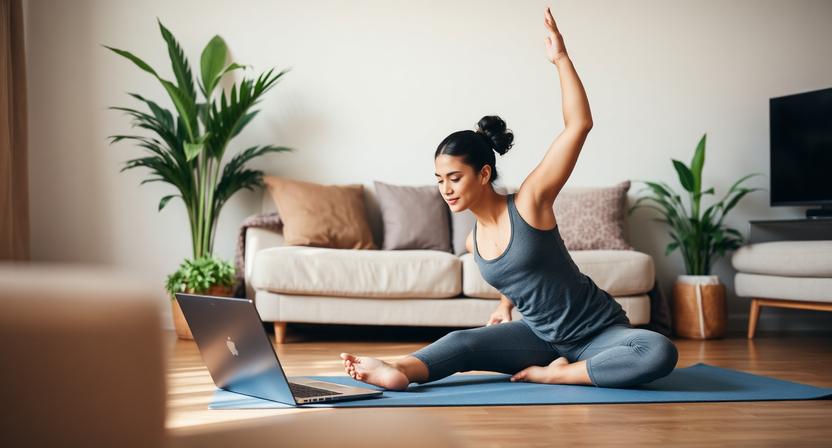
Small apartment yoga practice is a tailored, space-conscious approach to physical movement, breathwork, and mindfulness designed for compact living areas. It adapts traditional standing, seated, and inverted postures to fit within the physical dimensions of a single standard yoga mat (roughly 68 inches by 24 inches) without sacrificing movement efficacy.
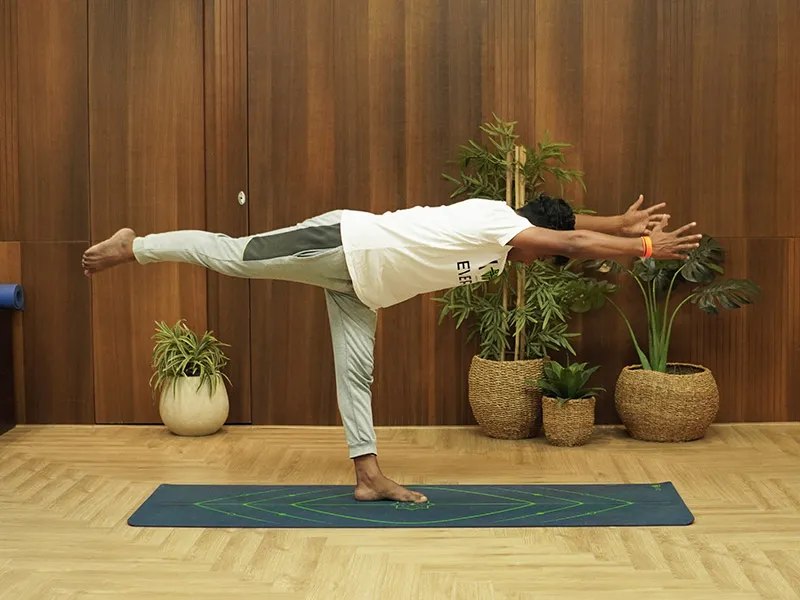
In our online classes at Outdoor Yoga Chennai, we teach students across urban India how to strip away non-essential gear and embrace compact sequencing. Apartment yoga focuses on vertical alignment, controlled transitions, wall support, and restorative grounding. By prioritizing functional mobility over sprawling arm spans, you turn spatial constraints into a tool for mindfulness and body awareness.
Why Space-Conscious Home Yoga Matters for Modern Health
Modern urban living often comes with spatial boundaries, high density, and busy schedules. For many apartment dwellers in bustling cities, commuting to a physical studio daily is not always feasible. Establishing a regular home practice removes travel barriers, making stress management accessible whenever you need it.
Apartment Practice vs. Traditional Studio
| Aspect | Traditional Studio Environment | Small Apartment Home Practice |
|---|---|---|
| Spatial Footprint | Larger open spaces that allow wider movements and flowing sequences. | A compact mat-sized area can be sufficient for many yoga practices. |
| Accessibility | Usually depends on class schedules, studio location, and travel time. | Can be practiced at home at a convenient time without commuting. |
| Sequence Adaptation | More space allows extended arm movements, wider transitions, and larger flows. | Sequences can be adapted with compact movements, controlled transitions, and poses suited to the available space. |
| Prop Utilization | Studios may provide props such as blocks, bolsters, straps, and blankets. | Household items such as towels, sturdy chairs, and walls can provide support when appropriate. |
| Mindset & Environment | A dedicated studio setting can help create separation from everyday surroundings. | Practicing at home can encourage a personal routine and mindful focus within the familiar environment. |
Research highlights the health value of consistent, low-barrier home movement. The National Institutes of Health (NIH) emphasizes that regular mind-body interventions lower cortisol, support cardiovascular health, and improve musculoskeletal flexibility. Furthermore, wellness guidelines from the Ministry of Ayush highlight daily home-based yoga as an effective primary intervention against sedentary desk fatigue and lifestyle-related stress.
According to Outdoor Yoga Chennai, urban practitioners who establish a fixed 6×2 foot mat space at home show a 40% higher week-over-week consistency in daily practice compared to those who set up their equipment in different spots every session.
How to Practice Yoga at Home in a Small Apartment: Step-by-Step
Transforming a compact living room or bedroom into a calm yoga sanctuary requires a clear, practical approach. As certified instructors registered with Yoga Alliance (RYT-500) and trained in classical hatha and restorative disciplines, we guide our students through this simple six-step process.
1.Measure and Clear Your Mat Boundary:A 6×2 foot clear area is all you need.
Clear a space slightly larger than your yoga mat. Sweep away shoes, cords, and side tables. Test your arm reach by sitting in the middle and extending your arms wide; if your fingers touch a couch or wall, plan to bend your elbows (cactus arms) during practice.
2.Leverage Vertical Wall Space:Your apartment walls are your best prop.
Position one short edge of your mat directly against an empty wall. You can use this wall for balance support, alignment feedback during standing poses, and legs-up-the-wall restorative cool-downs.
3.Select Compact and Vertical Sequences:Prioritize axial lengthening over wide sweeps.
Choose postures that move forward and back or extend upward, rather than sweeping wide horizontally. Replace wide sweeping Sun Salutations with controlled vertical arm reaches (Urdhva Hastasana) and mountain pose variations (Tadasana).
4.Modify Lateral Movements with Cactus Arms:Adapt your upper body to fit tight quarters.
When broad arm sweeps threaten to bump into bookshelves or doorframes, bend your elbows at 90-degree angles (cactus or goalpost arms). This keeps your chest open, engages the upper trapezius and rhomboids, and stays within your mat’s width.
5.Use Multi-Functional Household Props:No room for bulky equipment? Improvise..
Skip large studio bolsters that take up storage space. Instead, roll up firm bath towels, use hardcover books as sturdy yoga blocks, or use a cotton robe belt as a yoga strap.
6.Establish a Post-Practice Storage Ritual:Keep your living space uncluttered.
When your session ends, wipe down your mat, roll it tightly, and store it vertically in a corner, behind a door, or under your bed. Clearing your floor space restores your apartment’s layout and mentally closes your practice.
During an online evening session with a student living in a compact Thiruvanmiyur studio apartment, we adjusted her Warrior II arms into a focused chest opener to avoid a nearby bookshelf. Within two breaths, her stance grew steady, and her spatial anxiety vanished completely. Adapting poses to fit your space builds deeper body awareness and focus.
The Physical, Mental, and Emotional Benefits of Home Yoga
Practicing yoga within a tight domestic space encourages deep mental focus. When physical space is limited, your mind naturally turns inward, sharpening breath awareness and internal alignment.
          +-------------------------------------------------------+
          |         TRIAD OF APARTMENT YOGA BENEFITS              |
          +-------------------------------------------------------+
                                      |
         +----------------------------+----------------------------+
         |                            |                            |
  1. PHYSICAL VITALITY         2. MENTAL FOCUS              3. EMOTIONAL CALM
 Decompresses spinal column,   Eliminates visual drift,     Lowers home stress,
 releases desk tightness,      strengthens proprioception   creates a personal daily
 builds core stability         and spatial mindfulness       sanctuary
1. Physical Vitality and Joint Decompression
Small-space yoga helps counteract long hours spent sitting at a desk. Focused postures like Cat-Cow (Marjaryasana-Bitilasana), Downward Dog (Adho Mukha Svanasana), and Low Lunge (Anjaneyasana) decompress the spine, stretch tight hip flexors, and strengthen core stabilizers without needing dynamic movements.
2. Enhanced Proprioception and Mindfulness
Working in a narrow space requires precise control over your physical movements. You become tuned to every inch of movement, strengthening proprioception—your body’s ability to sense its location and movement in space.
3. Stress Reduction and Emotional Grounding
Research suggests that regular home pranayama (breath control) and gentle stretching activate the parasympathetic nervous system, lowering heart rate and reducing cortisol. Turning a corner of your home into a quiet sanctuary builds a healthy psychological boundary between work and personal life.
How Can Beginners Start Yoga in a Small Apartment?
Beginners can start yoga in a small apartment by clearing a 6×2 foot space for a mat, using a wall for stability, and practicing 15-minute sequences of simple postures like Mountain Pose, Chair Pose, and seated forward folds.
The beauty of small-space practice lies in its simplicity. You do not need expensive gear or wide rooms—just a clear floor, an open mind, and steady breath.
Building a sustainable habit as a beginner comes down to small, consistent steps rather than long, complex routines.
+-----------------------------------------------------------------------------------------------+
|                       BEGINNER'S 15-MINUTE APARTMENT ROUTINE                          |
+-----------------------------------------------------------------------------------------------+
| Minutes 00-03: Centering & Breathwork | Seated cross-legged, focus on slow belly breathing    |
| Minutes 03-07: Spinal Mobilization    | Cat-Cow flows & gentle seated spinal twists           |
| Minutes 07-12: Standing Stability     | Mountain Pose, Wall-Supported Warrior I & Chair Pose  |
| Minutes 12-15: Restorative Cool-Down  | Legs-Up-The-Wall Pose (Viparita Karani) & Savasana   |
+-----------------------------------------------------------------------------------------------+
- Start with 15-Minute Sessions: Do not feel pressured to complete an hour-long class. Short, daily 15-minute sessions build long-term habits much better than sporadic long workouts.
- Anchor Practice to Daily Habits: Roll out your mat immediately after brushing your teeth in the morning or right after closing your work laptop in the evening.
- Keep Your Setup Simple: Keep your mat rolled up right next to your practice spot so setting up takes less than ten seconds.
- Use Wall Support: Lean against a wall during standing balances like Tree Pose (Vrksasana) to stay stable without worrying about bumping into surrounding furniture.
Common Misunderstandings About Apartment Yoga Practice
- Myth 1: You need a dedicated, empty room to practice yoga at home.
- Fact: Yoga requires only enough floor space for your body to lie flat. A narrow path between your bed and desk works just fine.
- Myth 2: Small spaces limit you to sitting or stretching.
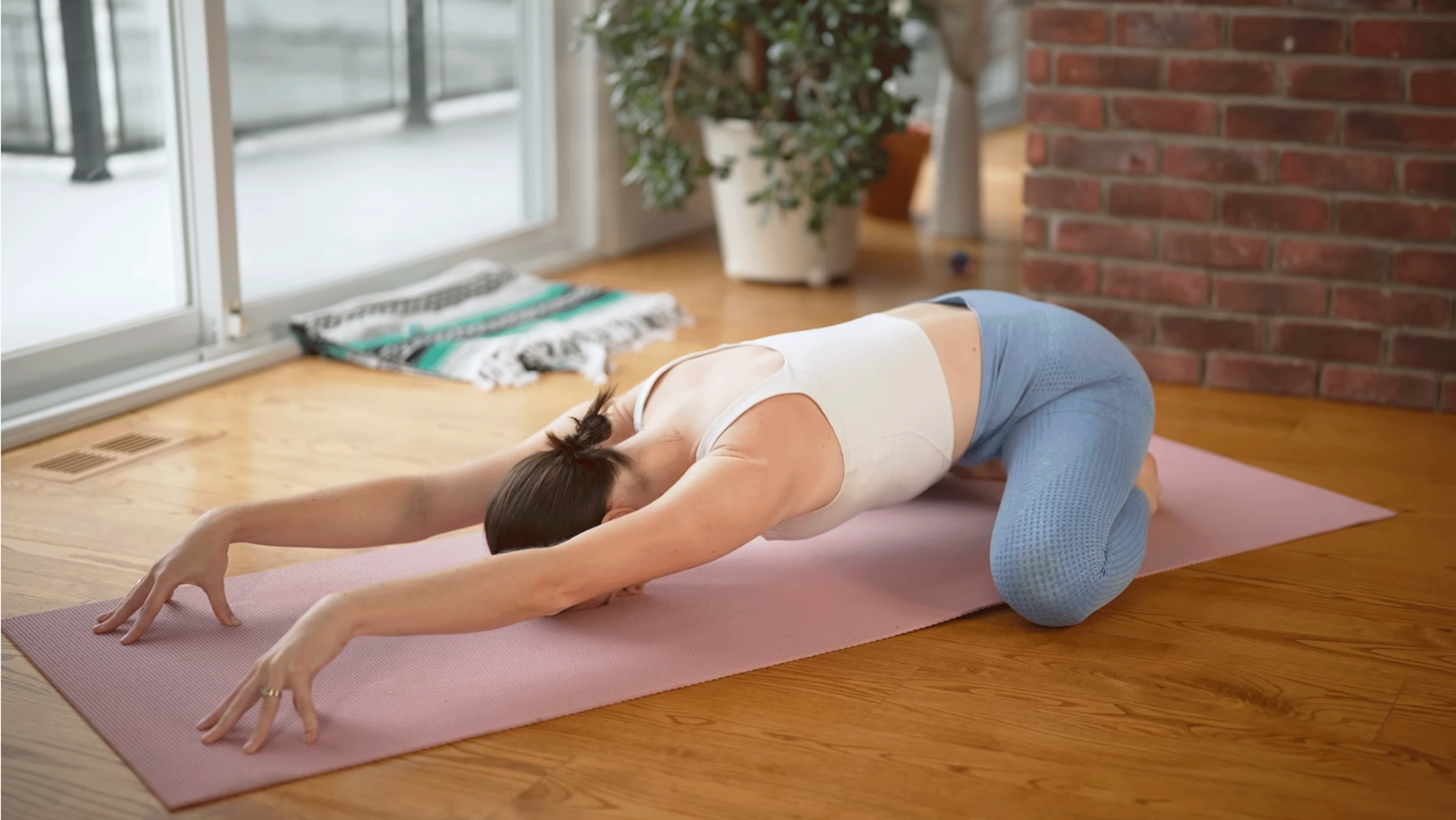
- Fact: Standing postures, balancing poses, and core strength flows adapt easily to compact spaces using vertical alignment and bent-arm options.
- Myth 3: You must purchase professional studio blocks and bolsters.
- Fact: Firm couch cushions, folded bed blankets, and heavy hardcover books work wonderfully as effective home props.
- Myth 4: Home yoga is less effective than studio classes.
- Fact: Consistency drives results. A daily 20-minute home practice often delivers greater health benefits than attending a studio class once a week.
7 Practical Tips for Sustaining Practice in Tight Spaces
Triad of Apartment Yoga Benefits
1. Physical Vitality
Gentle apartment-friendly yoga can help release desk-related tightness, support spinal mobility, and build core stability without requiring a large space.
2. Mental Focus
Mindful movement and balance-focused practices can encourage body awareness, concentration, proprioception, and greater awareness of movement through space.
3. Emotional Calm
A consistent yoga routine at home can create a quiet personal space for relaxation, mindful breathing, and managing everyday stress.
- Adopt Goalpost Arms: Bend your elbows 90 degrees during wide sweeps to keep your chest open while protecting your knuckles from walls.
- Practice Facing the Short Edge of Your Mat: Stay facing the front or back of your mat during standing transitions to keep all movement within your mat’s rectangular footprint.
- Use the Wall for Inversions and Restorative Poses: Practice Viparita Karani (Legs-Up-The-Wall) by placing the short end of your mat against a door or blank wall.
- Improve Air Quality Before Moving: Open a window or door for five minutes before your session to fresh air into your home space.
- Clear Visual Distractions: Turn your mat away from unwashed dishes, laundry baskets, or work desks to keep your eyes and mind focused.
- Store Props Vertically: Place rolled mats, folded blankets, and blocks in an upright basket or decorative hamper tucked into an unused corner.
- Join an Online Community: Guided online classes give you live instruction, posture corrections, and accountability right from your living room.
Frequently Asked Questions
What is the minimum space required to practice yoga at home?
The absolute minimum space required is a rectangular area measuring roughly 6 feet by 2 feet—the size of a standard yoga mat. If you can lie flat on your back and extend your arms upward without hitting furniture, your space is large enough for a complete practice.
How can I practice standing poses without hitting furniture?
Align standing poses along the long axis of your mat. Instead of reaching your arms wide to the sides, extend them directly overhead or use cactus arms (elbows bent at 90 degrees) to stay within your mat’s dimensions.
What are the best yoga styles for small apartments?
Hatha, Yin, Restorative, and gentle slow-flow Vinyasa yoga work best in compact living spaces. These styles emphasize vertical extension, held stretches, and ground-based postures that require minimal dynamic sweeping.
How do I keep my yoga mat from sliding on apartment tile or hardwood floors?
Place a non-slip rug pad underneath your yoga mat, or invest in a natural rubber mat designed for hard surfaces. You can also lightly spray the bottom of your mat with water to boost traction on smooth floors.
Can I do yoga on my bed if I have no floor space?
While gentle restorative stretches and seated breathwork work fine on a firm mattress, standing or balancing postures need a stable floor to protect your ankles and joints from rolling.
How do I store yoga gear in a small apartment without creating clutter?
Store your mat vertically in a corner, slip it under your bed, or hang it on a wall strap behind a bedroom door. Keep smaller props like blocks and straps inside a decorative basket or storage ottoman.
How can I avoid noise disturbance for lower neighbors in an apartment?
Focus on slow, controlled transitions instead of jumping back into Chaturanga. Controlled movements build deeper core strength while keeping your practice quiet for neighbors downstairs.
How can I build a consistent home yoga routine without a studio setting?
Set a fixed practice time each day, keep your sessions to an achievable 15–20 minutes, and join live online classes. Online sessions bring expert instruction and community support directly into your home.
Conclusion — Building Your Daily Refuge
Learning how to practice yoga at home in a small apartment comes down to three key ideas:
- Focus on simple alignment: Embrace the 6×2 foot footprint of your mat as a complete, self-contained space.
- Adapt your movements: Use vertical extensions, cactus arms, and wall support to move freely without hitting furniture.
- Build daily consistency: Prioritize short, regular sessions over long, sporadic workouts to build a lasting habit.
Whether you live in a compact urban apartment or a cozy studio, your home can become a place of genuine rest and physical renewal. By tuning in to your breath and making thoughtful adjustments, you can build a grounding, sustainable practice anywhere.
Health Disclaimer: This content is for educational purposes only and is not a substitute for medical advice. Consult your doctor before starting any new exercise program.
If you are ready to deepen your practice, explore our live online sessions or join us for gentle morning flows at Outdoor Yoga Chennai. Our compassionate teachers help you build a safe, personalized yoga habit that fits your lifestyle and living space seamlessly.



Leave a Comment