
Table of Contents
Which Yoga Is Best for Heart Disease? A Practitioner’s Gentle Wellness Guide
Understanding which yoga is best for heart disease helps you support cardiovascular vitality safely without placing sudden strain on your heart. Gentle Hatha Yoga, Restorative Yoga, and slow Pranayama (conscious breathwork) stand out as the safest, most supportive styles for individuals managing heart conditions or recovering under medical clearance. Rather than vigorous power flows or heated rooms, heart-conscious yoga focuses on slow, prop-supported postures like Tadasana (Mountain Pose), Vrikshasana (Supported Tree Pose), Marjaryasana-Bitilasana (Cat-Cow), Setu Bandhasana (Supported Bridge Pose), and Shavasana (Corpse Pose), paired with calming Nadi Shodhana (Alternate Nostril Breathing). Whether you join our sunrise beach sessions along Besant Nagar and Thiruvanmiyur or connect with our guided online classes across India, gentle breath-led practice eases vascular tension and nurtures lasting heart resilience.
What Is Heart-Healthy Yoga and Why Does Style Matter?
Heart-healthy yoga is a gentle, non-competitive practice combining slow Hatha postures, prop-supported restorative holds, and unhurried nasal breathing to lower stress hormones, improve vascular flexibility, and activate the parasympathetic nervous system without spiking blood pressure or heart rate.
Yoga Styles for Heart Health
| Yoga Style | Practice Style | Effect on the Body | Suitability |
|---|---|---|---|
| Gentle Hatha Yoga | Slow movements with controlled breathing. | Supports circulation and flexibility. | Highly Recommended |
| Restorative Yoga | Relaxing poses with pillows and support. | Helps promote relaxation and reduce stress. | Highly Recommended |
| Slow Pranayama & Yoga Nidra | Gentle breathing and guided relaxation. | Helps calm the mind and promote relaxation. | Highly Recommended |
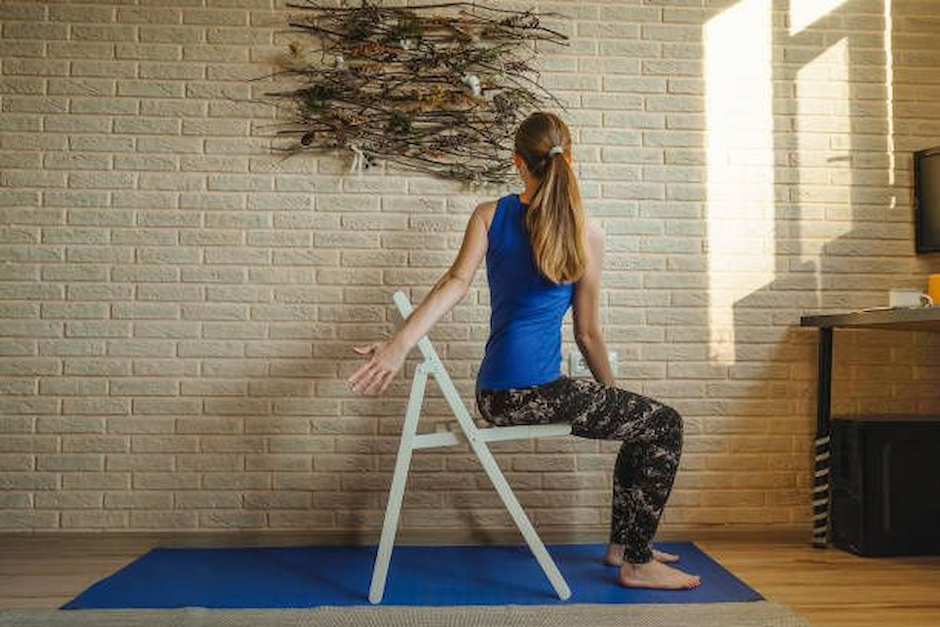
| Chair Yoga | Simple exercises while sitting or standing with support. | Helps improve mobility without too much physical strain. | Highly Recommended |
| Power / Ashtanga Yoga | Fast movements and challenging poses. | Can increase heart rate and physical effort. | Use Caution |
| Hot / Bikram Yoga | Yoga performed in a heated room. | May cause dehydration and put extra strain on the body. | Not Recommended |
In our regular morning sessions along the East Coast Road (ECR) and Thiruvanmiyur beach, our students frequently ask which yoga is best for heart disease after receiving advice from their cardiologist to reduce stress and add gentle movement. As certified wellness educators holding Yoga Alliance (RYT-500) and Ministry of Ayush qualifications, we emphasize that style selection determines safety. While vigorous athletic yoga elevates adrenaline and blood pressure, slow, breath-anchored Hatha and Restorative practices encourage blood vessels to relax and improve heart rate variability.
Why Gentle Yoga Matters for Cardiovascular Health and Lifestyle
Cardiovascular health depends not only on physical movement, but also on how effectively your nervous system recovers from daily mental stress. Chronic workplace pressure, poor sleep, and shallow chest breathing keep stress hormones elevated, constricting blood vessels and overworking the heart muscle.
3 Important Parts of Heart Wellness Through Yoga
1. Vagus Nerve Support
- Slow breathing, especially longer exhalations, helps calm the body.
- May help reduce stress and support a relaxed heart rate.
2. Gentle Blood Circulation
- Gentle arm, leg, and spine movements help improve mobility.
- Regular movement supports healthy blood flow.
3. Emotional Stress Relief
- Yoga Nidra and mindfulness help calm the mind.
- Relaxation practices may reduce stress and improve sleep.
Public health frameworks published by the Ministry of Ayush and global physical activity recommendations from the WHO wellness guidelines highlight regular, moderate mind-body movement as a valuable complement to medical care for cardiovascular wellness. Furthermore, peer-reviewed clinical studies indexed on PubMed literature suggest that structured Hatha yoga and slow pranayama may support healthy resting blood pressure, improve lipid profiles, and enhance quality of life in adults participating in cardiac rehabilitation programs.
According to Outdoor Yoga Chennai, adults over 45 who practice 30 minutes of gentle, breath-paced Hatha yoga and slow pranayama four mornings a week report noticeably steadier resting heart rates and calmer sleep patterns within six weeks.
How to Practice Heart-Supportive Yoga Safely: Step-by-Step Sequence
Knowing which yoga is best for heart disease becomes practical when you follow a calm, heart-level sequence that keeps your head above your heart and avoids breath retention.
Gentle Yoga Sequence for Heart Wellness
| Step | Yoga Practice | Simple Explanation |
|---|---|---|
| 1 | Sukhasana (Easy Sitting Pose) | Sit comfortably and breathe slowly to relax your mind and body. |
| 2 | Marjaryasana–Bitilasana (Cat-Cow Pose) | Gently move your back up and down to improve spine flexibility. |
| 3 | Tadasana with Gentle Arm Lifts (Mountain Pose) | Stand straight and slowly raise your arms to encourage gentle body movement. |
| 4 | Supported Setu Bandhasana (Bridge Pose) | Use a yoga block for support and gently open your chest. |
| 5 | Nadi Shodhana & Shavasana | Practise gentle alternate-nostril breathing, followed by lying down and relaxing. |
- Sukhasana (Easy Seated Breath Awareness): Sit comfortably upright on a folded cotton blanket with your spine tall and shoulders relaxed. Close your eyes and observe five slow, natural breaths through your nose, letting your belly soften on each inhalation.
- Marjaryasana-Bitilasana (Gentle Cat-Cow Flow): Come onto your hands and knees with a folded towel under your kneecaps for cushioning. Inhale softly as you broaden your collarbones forward, and exhale as you gently round your upper back, moving smoothly for six breaths.
- Tadasana with Arm Raises (Mountain Pose): Stand with feet hip-width apart near a wall for optional balance support. Inhale over four counts as you float your arms outward and upward to shoulder height, and exhale over four counts as you lower them, coordinating breath with gentle peripheral circulation.
- Ardha Matsyendrasana (Gentle Seated Spinal Twist): Sit upright on a chair or folded blanket, inhale to lengthen your spine, and exhale to turn your ribcage gently toward the right without forcing your neck. Hold for four smooth breaths per side to ease chest and upper-back tightness.
- Setu Bandhasana (Supported Bridge Pose): Lie on your back with knees bent and feet flat on the mat, lifting your hips just enough to slide a firm yoga block or folded bolster beneath your sacrum. Rest your arms comfortably beside your torso with palms facing upward for six slow breaths, allowing your chest to open passively without muscular strain.
- Nadi Shodhana and Shavasana (Alternate Nostril Breathing & Final Rest): Sit upright or recline comfortably with a pillow supporting your head and knees. Practice eight slow rounds of Alternate Nostril Breathing without holding your breath, followed by seven minutes of quiet Shavasana rest.
Over five years of outdoor sessions at ECR, we have worked closely with middle-aged professionals returning to movement after cardiac procedures under their cardiologist’s clearance. During a sunrise beach class at Besant Nagar, a 58-year-old retired banker initially worried that any exercise might spike his pulse; by pacing every movement to slow four-second nasal breaths and using a bolster for chest opening, he regained confidence and lowered his evening stress tension within a month.
Comprehensive Physical, Mental, and Emotional Benefits
Practicing which yoga is best for heart disease under qualified supervision offers supportive benefits across body and mind:
- May Support Healthy Blood Pressure Levels: Slow nasal breathing and gentle floor stretches encourage peripheral blood vessels to relax.
- Improves Thoracic Mobility and Lung Capacity: Soft chest-opening postures release tight pectoral muscles and deepen comfortable oxygen exchange.
- Enhances Autonomic Heart Rate Variability: Activating the parasympathetic nervous system strengthens your heart’s ability to adapt calmly to daily demands.
- Eases Health-Related Anxiety and Fear: Guided Yoga Nidra and mindfulness quiet persistent worry following a cardiac diagnosis.
- Builds Sustainable Confidence in Movement: Safe, prop-supported routines restore trust in your body’s strength without exhaustion.

How Can Beginners With Heart Conditions Start Yoga Safely?
Beginners with heart conditions can start yoga safely by obtaining written medical clearance from their cardiologist first, choosing beginner-friendly Hatha, Chair, or Restorative classes over vigorous styles, keeping their head elevated above their heart, never holding their breath, and resting immediately if dizziness or chest tightness arises.
In heart-conscious yoga, your breath is your most reliable guide; if your breathing becomes fast, shallow, or strained, soften the posture immediately and rest.
Honoring clear safety boundaries ensures every session feels nurturing and secure.
Heart-Safe Yoga Modifications
| Regular Yoga Pose | Possible Concern | Gentle Alternative |
|---|---|---|
| Adho Mukha Svanasana (Downward Dog) | May cause discomfort or dizziness in some people. | Try Half Downward Dog with your hands against a wall. |
| Uttanasana (Standing Forward Fold) | Bending and suddenly standing up may cause dizziness or blood pressure changes. | Try a seated forward bend while keeping your chest lifted. |
| Ustrasana (Camel Pose) | Deep backbending may cause strain and make breathing difficult. | Try a gently supported Bridge Pose with a low bolster. |
| Kapalabhati (Rapid Breathing) | Fast, forceful breathing may increase physical strain. | Practise slow, comfortable alternate-nostril breathing. |
- Obtain Your Cardiologist’s Clearance Before Beginning: Share your intention to start gentle Hatha or Restorative yoga with your doctor so they can confirm any personal movement limits.
- Avoid Inversions and Rapid Postural Transitions: Skip poses where your hips rise above your heart—such as Headstand, Shoulderstand, or deep Downward Dog—and rise slowly from floor to standing.
- Never Practice Breath Retention (Kumbhaka): Keep every inhalation and exhalation continuous, smooth, and unforced, avoiding forceful breathing techniques like Kapalabhati or Bhastrika.
- Use Chairs, Walls, and Bolsters Generously: Elevating your upper body slightly with a bolster during reclined rest keeps breathing effortless and prevents blood pressure fluctuations.
Common Misunderstandings About Yoga for Heart Disease
- Myth 1: People with heart conditions must avoid all forms of yoga and stay completely inactive.
- Fact: With medical approval, gentle, breath-paced Hatha and Restorative yoga provide safe, low-impact movement that supports circulation and lowers stress.
- Myth 2: You need to sweat heavily in a vigorous Vinyasa or Hot Yoga class to strengthen your heart.
- Fact: Intense heat and rapid cardio-style yoga flows can overwork a vulnerable heart, whereas calm, slow-paced yoga builds autonomic balance safely.
- Myth 3: Pranayama means holding your breath for as long as possible.
- Fact: For cardiovascular wellness, safe pranayama focuses strictly on slow, smooth, unstrained nasal breathing without any breath holding.
- Myth 4: Yoga can replace prescribed heart medications or cardiology follow-ups.
- Fact: Yoga serves as a supportive lifestyle complement alongside—never a replacement for—prescribed medications and professional medical care.
7 Practical Field Tips for Protecting Your Heart on the Mat
Heart-Safe Yoga Tips
1. Before and During Yoga Class
- Get your doctor’s approval before starting yoga.
- Inform your yoga teacher about your heart condition.
- Wear comfortable, loose-fitting clothes.
2. Breathing and Body Movements
- Breathe naturally without holding or forcing your breath.
- Avoid sudden movements and deep bending.
- Move slowly when changing from sitting or lying down to standing.
3. Environment and Relaxation
- Practise in a cool, comfortable, and well-ventilated place.
- Rest for 10 minutes in a supported Shavasana.
- Drink enough water to stay hydrated.
- Inform Your Instructor Privately Before Class: Let your teacher know about your blood pressure, medications, or cardiac history so they can offer tailored prop setups from the very first minute.
- Practice in Cool, Well-Ventilated Spaces: Avoid midday heat or stuffy rooms; early morning outdoor sessions along Besant Nagar and ECR offer cool ocean air that keeps cardiovascular effort comfortable.
- Elevate Your Head and Chest During Reclined Rest: Place a folded blanket or bolster beneath your upper back and head during Shavasana so breathing feels open and effortless.
- Move Slowly When Changing Levels: Pause for two full breaths in a seated position before standing up from the mat to prevent sudden drops in blood pressure or lightheadedness.
- Keep Your Exhalations Slightly Longer Than Inhalations: Breathing in for a gentle count of four and out for a count of five or six safely stimulates your vagus nerve without strain.
- Avoid Practicing on a Full Stomach: Wait at least two hours after a main meal before practicing gentle postures so digestion and circulation do not compete.
- Stop Immediately If You Notice Warning Signs: If you ever feel chest discomfort, shortness of breath, unusual fatigue, or dizziness, stop moving, rest in a supported seated position, and seek medical attention.
Ready to start a calm, structured routine at your own pace? Explore our guide on Basic Tips to Get Started With Yoga to build confidence with foundational postures and breathwork.
Frequently Asked Questions
Which yoga is best for heart disease and high blood pressure?
Gentle Hatha Yoga, Restorative Yoga, Chair Yoga, and slow Pranayama (such as Alternate Nostril Breathing without breath retention) are the safest, most effective styles for supporting heart health and calm blood pressure.
Which yoga poses should heart patients avoid?
Heart patients should avoid deep inversions (such as Headstand, Shoulderstand, and Plow Pose), vigorous fast-paced Vinyasa flows, Hot Yoga, and any posture that requires straining or holding the breath.
Is pranayama safe for people with heart conditions?
Yes, when practiced gently. Slow, unforced nasal breathing and Nadi Shodhana without breath retention calm the nervous system, whereas forceful techniques like Kapalabhati or Bhastrika should be avoided.
How often should I practice heart-healthy yoga?
Practicing 20 to 30 minutes of gentle postures and slow breathwork three to five times a week provides steady cardiovascular and stress-relief benefits without fatiguing the body.
Can yoga help reduce stress and anxiety after a cardiac event?
Research suggests that guided Restorative Yoga, mindfulness, and Yoga Nidra may support lower cortisol levels, improved sleep quality, and reduced emotional anxiety during cardiac recovery.
Should I consult my doctor before starting yoga for heart disease?
Yes. Always obtain medical clearance from your cardiologist or primary physician before starting any new yoga routine, and follow any personalized heart rate or movement guidelines they recommend.
Is Chair Yoga effective for seniors or beginners with heart issues?
Yes. Chair Yoga allows you to practice spinal mobility, gentle twists, shoulder openers, and deep breathing while keeping your head safely elevated above your heart and eliminating floor-to-standing strain.
Can I join live online yoga classes if I have a heart condition?
Yes. Live online classes led by certified instructors allow you to practice from the comfort of home while receiving real-time visual guidance, pacing cues, and prop modifications tailored to your needs.
Nurturing Cardiovascular Calm and Everyday Vitality
Understanding which yoga is best for heart disease empowers you to care for your cardiovascular system with gentleness, wisdom, and respect:
- Choose slow, breath-paced styles: Embrace gentle Hatha, Restorative, and Chair Yoga while avoiding intense heat, inversions, and breath retention.
- Prioritize nervous system relaxation: Let unhurried nasal breathing and supported rest soothe daily stress and nourish healthy circulation.
- Partner with medical and certified yoga guidance: Combine your cardiologist’s advice with attentive, certified instruction to build lasting confidence.
When you listen closely to your breath and honor your body’s pace, every session becomes a peaceful investment in lifelong heart health.
Health Disclaimer: This content is for educational purposes only and is not a substitute for medical advice. Consult your doctor before starting any new exercise program.
Ready to experience gentle, breath-led guidance in a supportive community? Join our sunrise beach sessions in Besant Nagar and ECR or connect with our live online therapeutic classes across India at Outdoor Yoga Chennai. Reach out to our certified teaching team to discuss a safe, tailored start today.



Leave a Comment