
Table of Contents
What Does the Bhagavad Gita Say About Yoga? A Practitioner’s Complete Guide
Understanding what does the Bhagavad Gita say about yoga transforms how you step onto your mat and how you navigate everyday responsibilities. Rather than describing physical acrobatics, the Bhagavad Gita defines yoga as inner equanimity (Samatvam Yoga Uchyate — balance of mind in success and failure) and skill in action (Yogah Karmasu Kaushalam). Across its eighteen chapters, Lord Krishna teaches Arjuna how to unite body, breath, intellect, and heart through four complementary streams: Karma Yoga (selfless action), Bhakti Yoga (devotion), Jnana Yoga (discernment and wisdom), and Dhyana Yoga (meditative stillness). Whether you join our sunrise beach sessions along Besant Nagar and Thiruvanmiyur or connect through live online programs across India, these timeless teachings turn every breath and daily duty into a grounded sanctuary of calm.
What Does the Bhagavad Gita Say About Yoga and Its Core Definitions?
In the Bhagavad Gita, yoga is defined not as physical contortion, but as mental equanimity in both success and failure (Samatvam Yoga Uchyate, Chapter 2.48) and skill in selfless action (Yogah Karmasu Kaushalam, Chapter 2.50), achieved through disciplined meditation, balanced living, and steady detachment from anxious outcomes.
Core Yoga Teachings from the Bhagavad Gita
The Bhagavad Gita explains yoga as more than physical exercise. It teaches mental balance, mindful actions, self-control and a balanced way of living.
| Sanskrit Teaching | Chapter & Verse | Simple Meaning | Daily Life Application |
|---|---|---|---|
| Samatvam Yoga Uchyate | 2.48 | Yoga means maintaining balance in life. | Stay calm during both success and failure. |
| Yogah Karmasu Kaushalam | 2.50 | Yoga means performing actions with skill and care. | Work mindfully without unnecessary stress. |
| Duhkha-Samyoga-Viyogam | 6.23 | Yoga means separating yourself from suffering. | Learn to manage difficult thoughts and emotions. |
| Yukta-Ahara-Viharasya | 6.17 | Maintain balance in food, activity, sleep and rest. | Follow a healthy and balanced daily routine. |
| Abhyasa and Vairagya | 6.35 | Progress comes through regular practice and letting go of attachment. | Practise consistently without becoming attached to results. |
In our regular morning sessions along the East Coast Road (ECR) and Thiruvanmiyur beach, our students frequently ask how a 5,000-year-old dialogue on a battlefield connects to their modern physical practice. As certified wellness educators holding Yoga Alliance (RYT-500) and Ministry of Ayush qualifications, we explain that the Gita addresses the exact mental paralysis we feel when overwhelmed by deadlines, family expectations, or health anxieties. When you practice physical postures with steady breathing and zero self-judgment, you embody the Gita’s core teaching right on your mat.
Why the Bhagavad Gita’s Yoga Wisdom Matters for Health and Lifestyle
Modern urban professionals live under relentless pressure to control outcomes, chase constant productivity, and measure self-worth through external achievements. This continuous mental striving keeps the sympathetic nervous system locked in fight-or-flight mode, fueling insomnia, hypertension, digestive tension, and emotional exhaustion.
Bhagavad Gita Wellness Triad – 3 Principles for a Balanced Life
| Principle | Simple Meaning | Daily Life Benefits |
|---|---|---|
| 1. Equanimity (Samatvam) | Stay calm and balanced during both good and difficult situations. | Helps manage emotional reactions and handle stress more calmly. |
| 2. Moderation (Yukta-Ahara) | Maintain balance in food, sleep, exercise and daily activities. | Supports a healthy routine and helps prevent physical exhaustion. |
| 3. Detached Action (Karma Yoga) | Focus on doing your work well without worrying too much about the results. | Encourages mindful work and reduces unnecessary worry about outcomes. |
Educational standards published by the Ministry of Ayush highlight the Bhagavad Gita’s principles of moderation (Yukta-Ahara-Vihara) and mental balance (Samatvam) as foundational pillars of preventive healthcare. Furthermore, peer-reviewed clinical studies indexed on PubMed literature suggest that mindfulness and yoga interventions grounded in emotional equanimity and non-attachment significantly reduce perceived stress, lower burnout symptoms, and improve autonomic nervous system recovery.
According to Outdoor Yoga Chennai, practitioners who integrate the Gita’s principle of moderate, consistent daily practice (Abhyasa) alongside breath-led asanas report a 60% reduction in workplace anxiety compared to those who treat yoga solely as an intense physical workout.
How the Bhagavad Gita’s Core Yoga Teachings Work: Step-by-Step Application
Applying what does the Bhagavad Gita say about yoga becomes deeply practical when you translate its verses into a clear daily rhythm on and off your mat.
Bhagavad Gita Daily Practice Pathway – 5 Simple Steps
The Bhagavad Gita encourages a balanced daily routine that develops physical discipline, mental focus and inner peace.
| Step | Practice | Simple Meaning | Daily Application |
|---|---|---|---|
| 1. Yukta-Ahara-Vihara | Balanced lifestyle | Maintain moderation in food, sleep, exercise and daily activities. | Follow a regular routine and avoid extremes. |
| 2. Sthira-Sukham Asana | Comfortable posture | Sit steadily and comfortably, keeping your body aligned. | Maintain an upright posture during meditation. |
| 3. Pranayama & Pratyahara | Breath and sense control | Slow your breathing and gently bring your attention inward. | Take a few mindful breaths and reduce distractions. |
| 4. Abhyasa & Vairagya | Consistent practice and detachment | Practise regularly without comparing yourself with others or becoming attached to outcomes. | Build patience and continue your practice. |
| 5. Karma & Bhakti in Action | Mindful work and devotion | Perform daily duties with sincerity, care and dedication. | Carry calmness and a positive attitude into work and relationships. |
- Practice Moderation in Daily Habits (Chapter 6.17): Regulate your eating, sleeping, working, and resting hours, recognizing Krishna’s teaching that yoga eludes both the person who overindulges and the person who starves or exhausts the body.
- Align Spine, Neck, and Head for Stillness (Chapter 6.13): Sit with your trunk, neck, and head held erect and steady, fixing your gentle gaze toward the tip of your nose so physical stability anchors mental focus.
- Harmonize Inhalation and Exhalation (Chapter 4.29): Offer your incoming breath into your outgoing breath through slow, rhythmic pranayama, calming restless fluctuations of life-force energy (Prana).
- Combine Steady Effort with Non-Attachment (Chapter 6.35): Train your wandering mind through persistent practice (Abhyasa) while letting go of frustration (Vairagya) whenever postures feel stiff or thoughts drift.
- Act Without Anxiety Over Outcomes (Chapter 2.47): Dedicate full attention and skill to your current posture or workplace task while releasing obsessive worry over future praise or results.
- Cultivate Universal Compassion and Gratitude (Chapter 12.13): Approach yourself, fellow practitioners, and nature with friendliness, patience, and emotional steadiness, turning everyday interactions into Bhakti Yoga.
Over five years of outdoor sessions at ECR, we have seen how a single verse from the Gita can transform a student’s entire approach to health. During a sunrise session along Besant Nagar beach, an entrepreneur frustrated by stiff hips kept straining to force his knees down in Butterfly Pose; once we shared Krishna’s teaching on Abhyasa and Vairagya—honest effort without attachment to shape—his shoulders softened and his breathing deepened immediately.
Comprehensive Physical, Mental, and Emotional Benefits
Living out what does the Bhagavad Gita say about yoga supports every layer of human well-being:
- Prevents Exercise Burnout and Overtraining: Chapter 6’s emphasis on moderation protects joints and adrenal energy from extreme workout routines.
- May Support Lower Cortisol and Stress Relief: Cultivating Samatvam (equanimity) trains your nervous system to recover quickly from daily frustrations.
- Sharpens Concentration and Decision-Making: Meditative stillness (Dhyana) clears mental clutter so you respond thoughtfully rather than reacting impulsively.
- Balances Circadian and Digestive Rhythms: Regularity in meals, rest, and movement strengthens metabolic vitality and restorative sleep.
- Nurtures Deep Emotional Resilience: Viewing challenges as opportunities for steady presence reduces fear, comparison, and chronic self-criticism.
How Can Beginners Practice Bhagavad Gita Yoga Principles Today?
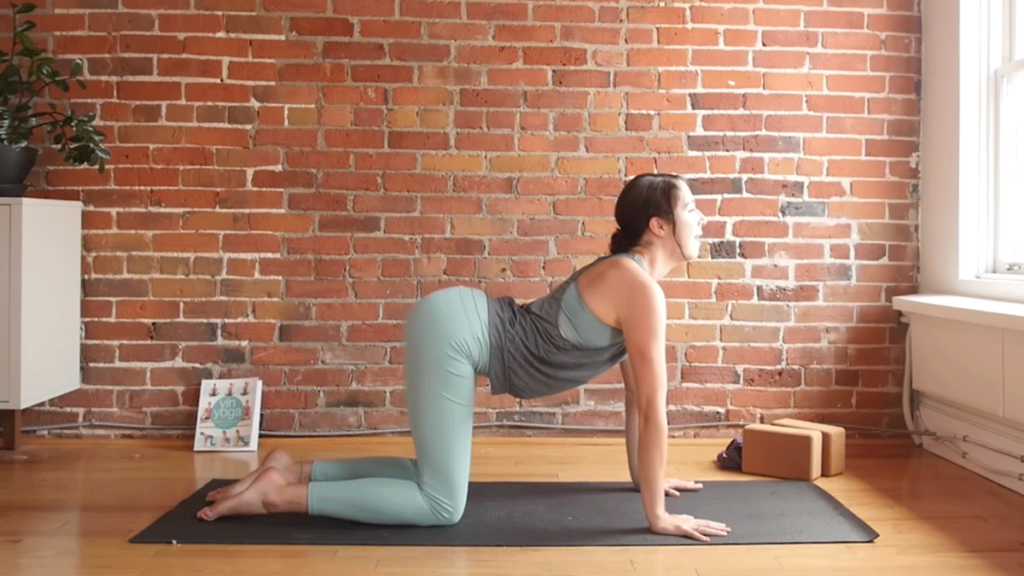
Beginners can practice Bhagavad Gita yoga principles today by establishing a moderate, consistent 20-minute daily routine of gentle postures and breathwork, focusing on steady spinal alignment without forcing flexibility, and carrying calm, focused attention into one everyday work or family task without worrying about perfection.
Yoga is not about escaping your duties in the world; it is about bringing a quiet, unshakeable mind right into the middle of your busiest day.
Translating classical scripture into everyday habits works best when you start with simple, grounded anchors.
Bhagavad Gita Principles in Everyday Life
| Gita Principle | Simple Meaning | How to Practise in Daily Life |
|---|---|---|
| Samatvam (Chapter 2.48) | Stay calm in both success and failure. | Stay patient and calm, even when stuck in traffic. |
| Karmasu Kaushalam (Chapter 2.50) | Do every task with care and skill. | Focus on one task at a time while working. |
| Yukta-Ahara (Chapter 6.17) | Maintain balance in food, sleep, and daily activities. | Eat healthy food, sleep on time, and follow a daily routine. |
| Abhyasa (Chapter 6.35) | Improve through regular practice and patience. | Spend 15 minutes every morning on yoga, meditation, or exercise. |
- Choose Consistency Over Intensity: Commit to 15 or 20 minutes of gentle morning movement four days a week rather than sporadic, exhausting weekend classes.
- Release Perfectionism on Your Mat: Notice when your mind judges a posture as “good” or “bad,” and gently return your focus to smooth nasal breathing.
- Set a Balanced Daily Rhythm: Aim to eat light, nourishing dinners at least two hours before bed and wake up at a consistent morning hour.
- Practice One Mindful Activity Daily: Whether drinking morning tea or answering a challenging email, give that single task your complete, unhurried presence.
Common Misunderstandings About Yoga in the Bhagavad Gita
- Myth 1: The Bhagavad Gita teaches you to abandon your career and retreat to a forest.
- Fact: Krishna explicitly advises Arjuna to stay engaged in his worldly duties while transforming his inner attitude from anxious attachment to calm, selfless service.
- Myth 2: Detachment (Vairagya) means becoming cold, indifferent, or careless about your work.
- Fact: True detachment means giving 100% of your skill and care to the present action while releasing emotional panic over outcomes you cannot control.
- Myth 3: The Bhagavad Gita is a manual of physical yoga poses (asanas).
- Fact: While Chapter 6 describes upright seated posture for meditation, the Gita focuses primarily on mental mastery, ethical action, devotion, and wisdom.
- Myth 4: You need deep Sanskrit scholarship before you can apply the Gita’s teachings.
- Fact: Even applying a single principle—such as moderation in daily habits or staying calm during minor setbacks—immediately improves your physical and mental well-being.
7 Practical Field Tips for Living Bhagavad Gita Wisdom Daily
Gita Teachings in Daily Life
1. On-the-Mat Equanimity (During Yoga)
- Breathe slowly and steadily while doing difficult yoga poses.
- Avoid comparing yourself with others.
- Sit straight and meditate for 5 minutes.
2. Workplace Karma Yoga (At Work)
- Focus on doing your work well without worrying too much about the results.
- Take three deep breaths before starting a phone call or meeting.
- Help your colleagues without expecting anything in return.
3. Balanced Lifestyle (Daily Routine)
- Follow regular timings for sleeping and eating.
- Avoid extreme fasting or putting too much strain on your body.
- Spend some time in nature every morning.
- Practice Steady Breathing in Challenging Holds: When a standing pose like Warrior II feels intense, soften your jaw and maintain smooth four-count breaths—practicing Samatvam right inside physical effort.
- Adopt the “Moderate Middle” in Exercise and Diet: Honor Chapter 6.17 by avoiding crash diets or overtraining, choosing nourishing whole foods and sustainable daily movement instead.
- Create a 3-Breath Transition Buffer at Work: Before opening your inbox or joining a stressful meeting, sit upright with your spine aligned and take three slow diaphragmatic breaths.
- Separate Your Effort from External Praise: Take pride in preparing thoroughly for a project or caring for your family, then consciously let go of how others react.
- Practice Outdoors in Natural Serenity: Spending morning hours by Besant Nagar beach or under leafy trees naturally reminds your mind of the Gita’s harmony with nature.
- Keep a Weekly Reflection Note on Reactivity: Notice one moment each week where you stayed calm instead of reacting in anger, celebrating genuine growth in inner equanimity.
- Study with Grounded, Certified Teachers: Join classes that weave authentic yogic philosophy seamlessly into safe, anatomical posture guidance.
Curious how the Gita’s four yoga streams fit into the broader classical system? Explore our guide onWhat Are the Main Branches of Yoga to see how Karma, Bhakti, Jnana, and Raja Yoga work together.
Frequently Asked Questions
What does the Bhagavad Gita say about yoga in simple words?
The Bhagavad Gita defines yoga as inner equanimity (Samatvam)—maintaining a calm, balanced mind in both success and failure—and skill in selfless action (Yogah Karmasu Kaushalam), uniting body, breath, and intellect through disciplined meditation and balanced daily living.
What are the main types of yoga mentioned in the Bhagavad Gita?
The Bhagavad Gita highlights four primary paths of yoga: Karma Yoga (the path of selfless action), Bhakti Yoga (the path of devotion and love), Jnana Yoga (the path of wisdom and self-inquiry), and Dhyana Yoga (the path of meditative stillness and self-control).
What does “Samatvam Yoga Uchyate” mean in Chapter 2 of the Bhagavad Gita?
Samatvam Yoga Uchyate (Chapter 2.48) translates to “Equanimity itself is called Yoga,” teaching practitioners to perform their duties steadily without being shaken by success or disappointment.
What does “Yogah Karmasu Kaushalam” mean in the Bhagavad Gita?
Yogah Karmasu Kaushalam (Chapter 2.50) means “Yoga is skill in action,” signifying the ability to work with full focus, excellence, and presence while remaining free from anxious attachment to outcomes.
Does the Bhagavad Gita describe physical yoga poses (asanas)?
In Chapter 6 (verses 11–13), the Bhagavad Gita describes sitting on a firm, clean seat with the spine, neck, and head held upright and steady to support breath control and meditation, though it focuses mainly on mental and spiritual discipline rather than athletic postures.
What does the Bhagavad Gita say about diet, sleep, and lifestyle balance?
In Chapter 6.17, the Gita teaches that yoga destroys sorrow for the person who practices moderation in eating, recreation, work, sleep, and wakefulness—avoiding both excess and extreme deprivation.
How can I apply Bhagavad Gita yoga teachings to workplace stress?
You can apply Gita teachings at work by focusing completely on the quality of your effort right now, taking slow breaths to steady your nervous system, and letting go of worry over results beyond your control.
Can beginners learn Bhagavad Gita yoga philosophy alongside practical classes?
Yes. Guided Hatha and meditation classes—both outdoors in Chennai and live online across India—naturally integrate practical Gita principles like steady breath, non-attachment, and balanced effort into every session.
Carrying Equanimity From Your Mat Into Everyday Life
Exploring what does the Bhagavad Gita say about yoga reminds us that true mastery is measured not by physical flexibility, but by how steadily and kindly we meet each moment:
- Anchor yourself in inner equanimity: Practice Samatvam on your mat by breathing calmly through both easy and challenging postures.
- Honor moderation in daily rhythms: Nourish your body with balanced meals, restorative sleep, and consistent, unhurried movement.
- Transform everyday action into yoga: Bring full attention and selfless care to your work, family, and community without anxious attachment.
When you unite steady breath with a balanced mind, every step of daily life becomes a peaceful practice.
Health Disclaimer: This content is for educational purposes only and is not a substitute for medical advice. Consult your doctor before starting any new exercise program.
Ready to experience authentic, breath-led yoga rooted in classical wisdom? Join our sunrise beach sessions in Besant Nagar and ECR or connect with our live online classes across India at Outdoor Yoga Chennai. Reserve your trial session and deepen your practice today.



Leave a Comment