
Table of Contents
What Is Fitness Yoga? A Practitioner’s Guide to Strength, Mobility, and Breath
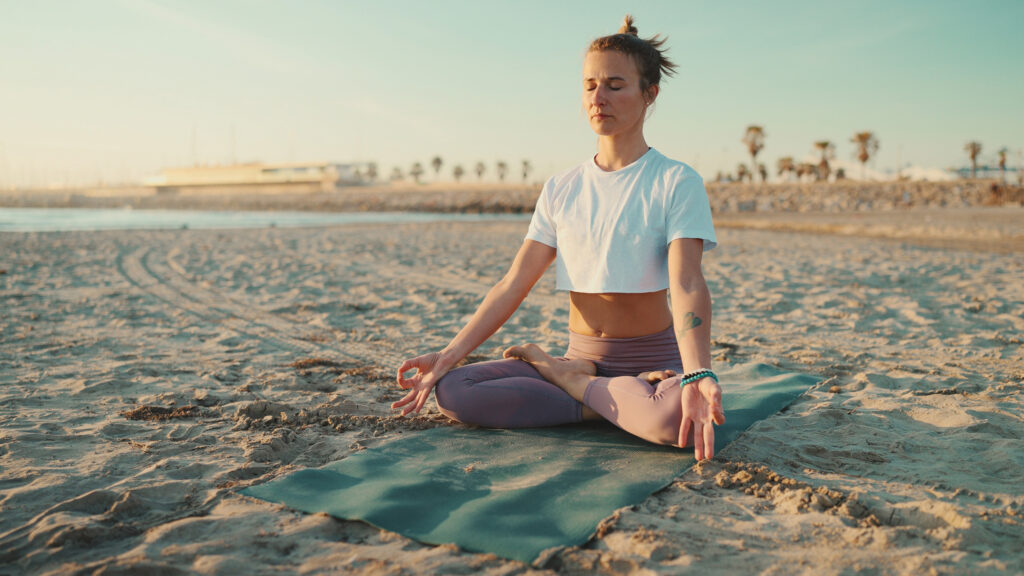
Understanding what is fitness yoga helps you bridge the gap between traditional mindful movement and modern functional strength training. Fitness yoga is a dynamic, breath-synchronized yoga style that blends classical postures (asanas)—such as Surya Namaskar (Sun Salutations), Phalakasana (Plank Pose), Utkatasana (Chair Pose), and Virabhadrasana (Warrior Sequences)—into continuous, strength-building flows designed to boost muscular endurance, cardiovascular stamina, core stability, and joint flexibility without high-impact joint stress. Unlike purely gym-based workouts that isolate muscles through heavy weights, fitness yoga links every transition to steady nasal breathing, keeping your nervous system grounded while your body works vigorously. Whether you join our sunrise beach sessions along Besant Nagar and Thiruvanmiyur or connect with our guided online classes across India, fitness yoga builds resilient, functional strength you can carry into everyday life.
What Is Fitness Yoga and How Does It Differ from Traditional Hatha Yoga?
Fitness yoga is a contemporary, athletic yoga format that links traditional Hatha and Vinyasa postures into rhythmic, bodyweight strength and mobility sequences, elevating heart rate and muscular endurance while preserving conscious nasal breathing, spinal alignment, and mindful relaxation at the close of practice.
Traditional Hatha Yoga vs. Fitness Yoga – Simple Explanation
| Practice element | Traditional Hatha Yoga | Fitness Yoga | Main benefit |
|---|---|---|---|
| 1. Speed & Movement | Poses are held slowly, with breaks in between. | Movements are faster and flow smoothly from one pose to another. | Fitness yoga may improve cardiovascular stamina. |
| 2. Muscle Activity | Focuses on gentle stretching and correct body posture. | Uses planks, holds, and bodyweight exercises to engage muscles. | Helps improve strength and muscle tone. |
| 3. Core & Balance | Focuses on basic postures and body awareness. | Includes lunges, planks, and balance exercises. | Helps improve core strength, balance, and stability. |
| 4. Breathing Techniques | Emphasises deep breathing, pranayama, and meditation. | Uses controlled breathing along with physical movements. | Helps develop breath control during exercise. |
| 5. Relaxation | Often includes longer relaxation, Yoga Nidra, and meditation. | Usually includes stretching and Shavasana at the end. | Encourages relaxation and stress management. |
In our regular morning sessions along the East Coast Road (ECR) and Thiruvanmiyur beach, our students frequently ask what is fitness yoga when they want a workout that strengthens their core without punishing their knees or lower back. As certified wellness educators holding Yoga Alliance (RYT-500) and Ministry of Ayush qualifications, we explain that fitness yoga honors classical anatomical alignment while increasing movement continuity. You still finish every class in restorative Shavasana, ensuring you leave energized rather than depleted.
Why Fitness Yoga Matters for Modern Health and Active Lifestyles
Modern desk-bound routines weaken postural stabilizers, tighten hip flexors, and reduce cardiovascular endurance. Meanwhile, overly aggressive high-impact gym routines often trigger joint inflammation or adrenal fatigue when paired with high work stress.
Fitness Yoga Wellness Triad – Simple Explanation
| Pillar | Simple explanation | Main benefit |
|---|---|---|
| 1. Bodyweight Strength | Uses yoga poses and bodyweight exercises to strengthen the core, hips, glutes, and shoulders without gym equipment. | Improves muscle strength and endurance. |
| 2. Dynamic Joint Mobility | Uses controlled movements to improve movement in the hips, shoulders, and spine. | Supports flexibility and joint mobility. |
| 3. Breath-Led Stress Recovery | Combines controlled breathing with movement to help the body relax and manage stress. | Encourages calmness and better breathing control during exercise. |
Global physical activity guidelines from the WHO wellness guidelines recommend combining muscle-strengthening activities with balance and flexibility training at least twice weekly for lifelong health. Furthermore, peer-reviewed clinical studies indexed on PubMed literature suggest that dynamic Vinyasa and strength-focused Hatha yoga significantly improve muscular endurance, cardiorespiratory fitness, and metabolic health while lowering perceived stress.
According to Outdoor Yoga Chennai, adults who practice 45 minutes of breath-synchronized fitness yoga three mornings a week along Besant Nagar and ECR report a 50% improvement in core stamina and noticeable reductions in afternoon desk fatigue within five weeks.
How a Fitness Yoga Session Works: Step-by-Step Flow Structure
Experiencing what is fitness yoga becomes clear when you follow a well-sequenced class that warms joints progressively before building heat and cooling down smoothly.
Typical Fitness Yoga Class Progression – Simple Explanation
| Step | Class activity | Simple explanation |
|---|---|---|
| 1. Breathing & Relaxation | Centering and Ujjayi breathing. | Begin with controlled breathing to calm the mind and prepare the body for exercise. |
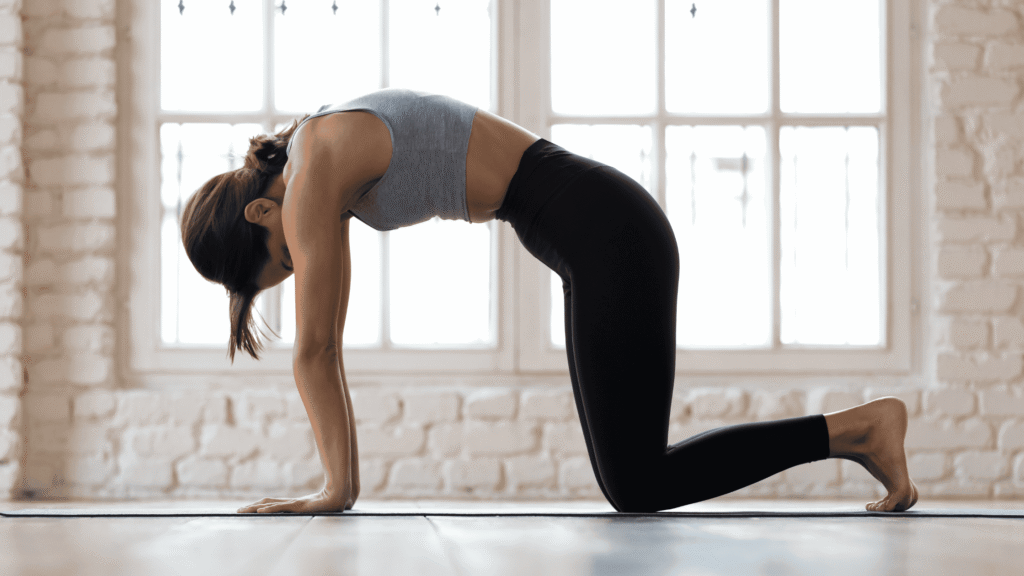
| 2. Warm-Up Exercises | Joint movements and Cat-Cow pose. | Gently warm up the wrists, hips, shoulders, and spine before doing stronger movements. |
| 3. Sun Salutation | Surya Namaskar A and B. | Perform a sequence of yoga poses to warm up the whole body and increase heart rate. |
| 4. Strength & Balance | Warrior, Chair, and Plank poses. | Practise standing poses and holds to improve strength, balance, and stability. |
| 5. Cool-Down & Relaxation | Seated hip stretches and Shavasana. | Gently stretch the body, relax the muscles, and finish the session with rest. |
- Centering and Rhythmic Nasal Breath Activation: You begin seated or standing for three minutes, establishing slow, audible Ujjayi (ocean-sounding) nasal breathing while gently engaging your deep lower abdominal muscles.
- Dynamic Joint Warm-Up and Core Ignition: You move through wrist circles, spinal Cat-Cow waves, and bird-dog extensions on hands and knees to lubricate joints and activate deep spinal stabilizers before bearing weight.
- Progressive Surya Namaskar (Sun Salutation) Rounds: You link inhalation and exhalation across four to six rounds of Sun Salutations, steadily raising body warmth, shoulder endurance, and cardiovascular circulation.
- Standing Strength and Balance Sequences: You hold foundational standing postures—such as Utkatasana (Chair Pose), Virabhadrasana II (Warrior II), and Anjaneyasana (High Crescent Lunge)—for five steady breaths each to build lower-body stamina.
- Controlled Plank and Core Integration: You transition into forearm planks, side planks with knee support, and Navasana (Boat Pose) variations to strengthen abdominal and back muscles without straining your neck.
- Deep Hip Stretches and Restorative Shavasana: You slow the tempo down with seated forward folds, supine spinal twists, and six full minutes of quiet Shavasana so your muscles absorb the work and your heart rate settles calmly.
Over five years of outdoor sessions at ECR, we have watched runners, cyclists, and busy IT professionals transform their movement quality through fitness yoga. During a sunrise beach session near Thiruvanmiyur, a 34-year-old marathon runner who struggled with recurring hamstring tightness and weak core stability discovered that holding five-breath Warrior and Plank sequences improved his running posture and eliminated his lower-back ache within six weeks.
Comprehensive Physical, Mental, and Emotional Benefits
Practicing what is fitness yoga consistently supports your body and mind across multiple wellness dimensions:
- Builds Lean Functional Strength: Supporting your own body weight across planks, lunges, and balances tones arms, legs, and core stabilizers evenly.
- May Support Cardiovascular Endurance: Continuous breath-paced Sun Salutation flows elevate heart rate safely without jarring joint impact.
- Enhances Functional Mobility and Balance: Moving joints through their full range of motion improves coordination, agility, and injury resilience.
- Sharpens Mental Focus Under Physical Effort: Maintaining smooth nasal breathing during challenging holds trains calm concentration under pressure.
- Boosts Mood and Natural Vitality: Steady movement releases endorphins while closing relaxation clears mental fatigue.
How Can Beginners Start Fitness Yoga Without Getting Exhausted?
Beginners can start fitness yoga without getting exhausted by selecting beginner or all-levels flow classes, resting in Child’s Pose whenever breathing turns shallow, dropping knees to the mat during plank transitions, and practicing twice weekly for 30 to 40 minutes while focusing on steady alignment over speed.
In fitness yoga, strength never comes from rushing through poses; it comes from holding steady alignment while keeping your breath calm and unhurried.
Pacing yourself intelligently during your first month allows tendons, wrists, and core muscles to adapt safely.
Beginner Fitness Yoga Modification Matrix – Simple Explanation
| Yoga pose | Common beginner difficulty | Easier modification |
|---|---|---|
| 1. Chaturanga (Low Plank) | Shoulders may drop too low or the lower back may sag. | Keep your knees on the floor and practise a modified plank. |
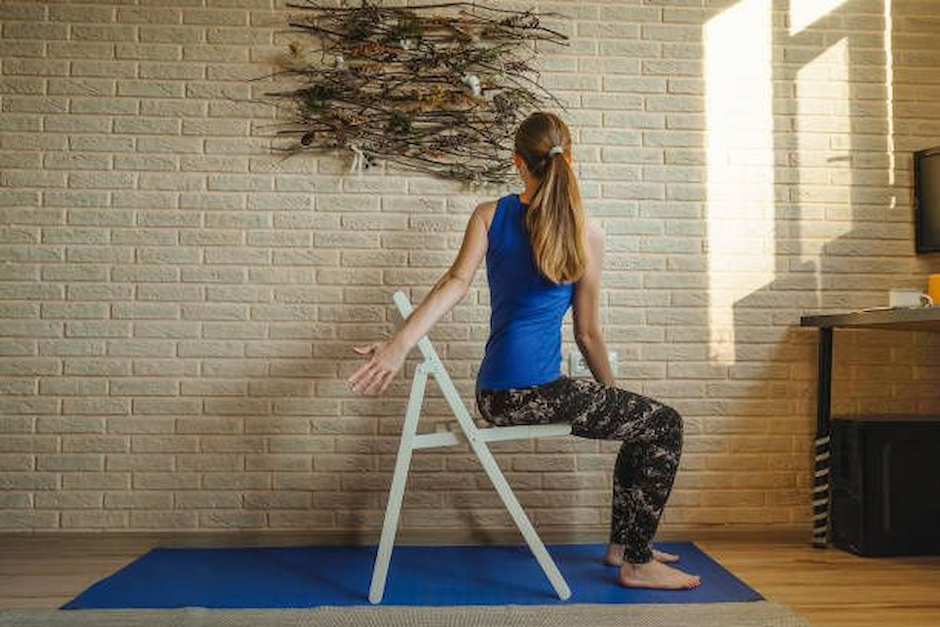
| 2. Utkatasana (Chair Pose) | May create pressure around the knees or tension in the shoulders and neck. | Bend your knees less, sit higher, and keep your hands together near your chest. |
| 3. Virabhadrasana I & II (Warrior Poses) | Beginners may struggle with breathing or keeping the back heel grounded. | Take a shorter stance and place your hands on your hips for better balance. |
| 4. Navasana (Boat Pose) | The lower back may round, or the hip muscles may feel too tight. | Bend your knees and hold the backs of your thighs for support. |
- Choose “All-Levels” or “Foundational Flow” Batches: Start in classes where teachers demonstrate step-by-step modifications rather than jumping straight into advanced power flows.
- Use Child’s Pose (Balasana) Anytime: Treat resting on your knees with your forehead down as an active, smart choice whenever your heart rate spikes or your breath feels rushed.
- Modify Planks with Knees Lowered: Keeping your knees grounded while hugging your ribs inward builds true core and shoulder strength far faster than collapsing in a full plank.
- Prioritize Nasal Breathing Over Repetition Count: If you start breathing rapidly through your mouth, slow your movement down until smooth nasal breathing returns.
Common Misunderstandings About Fitness Yoga
- Myth 1: Fitness yoga abandons mindfulness and turns yoga into a purely competitive gym workout.
- Fact: Authentic fitness yoga uses physical effort as a focal point for breath awareness, alignment integrity, and ending stillness—never ego-driven competition.
- Myth 2: You must already be strong, lean, or flexible before joining a fitness yoga class.
- Fact: Fitness yoga is how you build functional strength and flexibility from wherever your body starts today, using simple prop and posture scaling.
- Myth 3: Faster transitions always deliver better fitness results.
- Fact: Moving with slow, controlled muscular engagement—especially when lowering down or holding standing poses—builds far deeper stabilizer strength than momentum.
- Myth 4: Fitness yoga requires practicing in heated rooms to detoxify and burn calories.
- Fact: Internal muscular heat generated through steady Ujjayi breath and Sun Salutations warms your body naturally without the dehydration risks of artificial room heat.

7 Practical Field Tips for Building Strength Safely in Fitness Yoga
Fitness Yoga Field Tips – Simple Explanation
| Category | Simple tips | Why it matters |
|---|---|---|
| 1. Alignment & Joint Care | – Spread your fingers wide during plank poses.- Keep your front knee aligned above your ankle.- Gently engage your core muscles. | Helps maintain proper posture and reduces unnecessary pressure on joints. |
| 2. Breathing & Energy Management | – Coordinate your movements with your breathing.- Rest in Child’s Pose whenever needed.- Keep your jaw, neck, and shoulders relaxed during poses. | Helps control breathing, manage effort, and avoid unnecessary tension. |
| 3. Consistency & Recovery | – Practise regularly, around 3 times a week.- Drink enough water before and after class.- Spend at least 5 minutes relaxing in Shavasana. | Supports regular practice, recovery, and relaxation. |
- Press Firmly Through Your Finger Pads in Planks: Distributing weight evenly across your knuckles and fingertips protects your wrists and engages your forearm and shoulder stabilizers.
- Stack Your Front Knee Directly Over Your Ankle: In Warrior and Lunge poses, check that your front knee tracks in line with your second toe to safeguard knee ligaments while strengthening thighs.
- Keep Your Lower Ribs Gently Drawn Inward: Avoid flaring your ribcage forward during overhead arm reaches so your deep core muscles stay engaged and your lower back stays protected.
- Practice Barefoot on Natural Sand or a High-Grip Mat: Practicing barefoot awakens tiny intrinsic foot muscles and proprioceptors; our sunrise beach sessions along Besant Nagar and ECR naturally challenge balance on soft coastal sand.
- Eat a Light, Easily Digestible Snack 90 Minutes Prior: If practicing early in the morning, a small banana or a few soaked almonds provides steady energy without digestive heaviness.
- Balance Dynamic Days with Gentle Restorative Days: Pair two or three vigorous fitness yoga days with one gentle Yin or stretching session each week so muscles repair and lengthen evenly.
- Learn Under Certified Instructors Who Cue Alignment: Qualified teachers spot subtle habits—like shrugging shoulders near ears—and guide simple adjustments that multiply your strength gains.
Curious how long it takes to feel noticeable strength and stamina improvements from regular practice? Explore our guide on How Long Until You See the Benefits of Yoga?for a realistic week-by-week timeline.
Frequently Asked Questions
What is fitness yoga in simple words?
Fitness yoga is an active, breath-linked style of yoga that combines traditional postures like Sun Salutations, Planks, and Warrior sequences into rhythmic flows to build muscular strength, core stability, flexibility, and cardiovascular stamina without high-impact joint strain.
Is fitness yoga good for weight loss and body toning?
Yes. Regular fitness yoga sessions three to four times a week build lean muscle mass, boost metabolic expenditure, and lower stress-induced cortisol levels, supporting healthy body composition alongside balanced nutrition.
Can complete beginners do fitness yoga?
Yes. Beginners can safely start fitness yoga by choosing all-levels batches, modifying planks with knees lowered, using yoga blocks for balance, and resting in Child’s Pose whenever breathing feels rushed.
How is fitness yoga different from Power Yoga or Vinyasa?
Fitness yoga shares the fluid movement of Vinyasa and the strength focus of Power Yoga, while placing strong emphasis on functional core conditioning, joint-friendly modifications, and balanced pacing accessible to everyday practitioners.
How many times a week should I practice fitness yoga to build strength?
Practicing fitness yoga 3 to 4 times per week for 40 to 60 minutes delivers steady gains in core endurance, posture, and mobility while allowing adequate muscular recovery between sessions.
Does fitness yoga still include breathing exercises and relaxation?
Yes. Every authentic fitness yoga session anchors physical movement to steady nasal breathing (Ujjayi or diaphragmatic breath) and concludes with restorative floor stretches and Shavasana relaxation.
Is fitness yoga safe if I have mild lower back or knee stiffness?
When guided by certified instructors using proper alignment cues and prop modifications—such as bending knees slightly in forward folds and keeping planks supported—fitness yoga strengthens the exact core and glute muscles that protect your lower back and knees.
Can I join live online fitness yoga classes from home?
Yes. Live online fitness yoga classes allow you to build full-body strength and stamina from home with minimal space—just a yoga mat—while receiving real-time form corrections from certified instructors.
Cultivating Sustainable Strength and Inner Stillness
Understanding what is fitness yoga shows that you never have to choose between building physical stamina and nurturing mental calm:
- Unite strength with conscious breath: Let steady nasal breathing guide every plank, lunge, and Sun Salutation so effort feels grounded rather than frantic.
- Honor progressive alignment: Use thoughtful modifications and consistent weekly practice to build resilient muscles and supple joints safely.
- Close every workout in stillness: Allow final relaxation to integrate your physical energy and restore nervous system balance.
When you move with strength, awareness, and patience, your mat becomes a lifelong foundation for vitality.
Health Disclaimer: This content is for educational purposes only and is not a substitute for medical advice. Consult your doctor before starting any new exercise program.
Ready to experience energizing, breath-led strength and mobility training? Join our sunrise beach sessions in Besant Nagar and ECR or connect with our live online fitness yoga classes across India at Outdoor Yoga Chennai. Book your trial session and feel the difference today.


Leave a Comment