

Table of Contents
How Long Until You See the Benefits of Yoga? A Realistic Practitioner’s Timeline
Asking how long until you see the benefits of yoga is one of the most honest, practical questions a newcomer can bring to the mat. You experience immediate nervous system calm and lighter breathing after your very first session, while noticeable gains in hamstring flexibility, sleep quality, and stress resilience emerge within two to four weeks of practicing three times weekly. Deeper transformations—such as lean core strength, relieved lower back tension, and lasting emotional steadiness—typically unfold between eight and twelve weeks. Whether you join our sunrise beach sessions along Besant Nagar and Thiruvanmiyur or attend live online classes across India, consistent, unhurried practice delivers reliable rewards at every stage.
What Is the Realistic Timeline for Seeing Yoga Benefits?
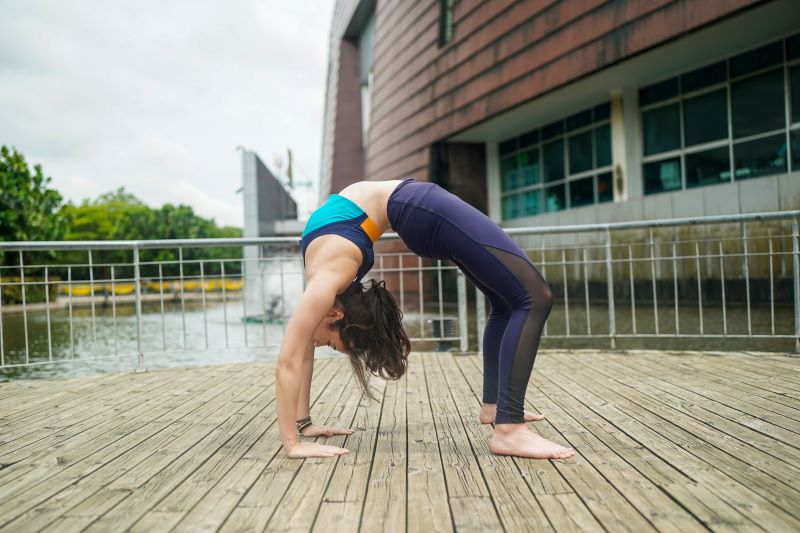
The realistic timeline for seeing yoga benefits begins immediately after your first class with lowered mental stress and calmer breathing, progresses to improved sleep and reduced joint stiffness within 2 to 4 weeks, and builds measurable core strength, upright posture, and emotional balance within 8 to 12 weeks.
Yoga Benefits Timeline and Progress Guide
| Practice Stage | Recommended Frequency | Possible Changes in the Body | Visible Benefits |
|---|---|---|---|
| First Session (Day 1) | One 45–60 minute class, adjusted to your comfort | Improved breathing awareness and relaxation | Feeling calmer and more refreshed |
| Weeks 2–4 | Around 3 sessions per week, if comfortable | Gradual improvement in flexibility and joint movement | Easier movements and possible improvements in sleep |
| Weeks 6–8 | Around 3–4 sessions per week, depending on your ability | Better core strength, balance, and posture awareness | Less stiffness and improved movement control |
| Months 3–6 | Maintain a regular weekly practice | Improved muscle strength, flexibility, and coordination | Better balance and posture |
| 6 Months and Beyond | Continue yoga as part of your lifestyle | Improved physical fitness and stress-management skills | Greater confidence, consistency, and overall well-being |
In our regular morning sessions along the East Coast Road (ECR) and Thiruvanmiyur beach, our students frequently ask why certain changes feel instant while others take months. As certified wellness educators holding Yoga Alliance (RYT-500) and Ministry of Ayush qualifications, we explain that yoga works on multiple body systems at different speeds. Your nervous system responds to slow nasal breathing within minutes, whereas muscle fibers, ligaments, and spinal discs remodel gradually through steady repetition.
Why Understanding Your Progress Timeline Matters for Health and Lifestyle
Modern fitness culture often promises dramatic transformations in seven days, setting beginners up for disappointment and premature burnout. When newcomers expect to touch their toes or erase years of desk-bound back stiffness in a single week, they often push too hard, strain tight hamstrings, or quit altogether.
Sustainable Progress Triad
1. Start with Calm Breathing
- Begin with slow, comfortable breathing.
- Gentle breathing exercises may help you feel relaxed and reduce stress.
2. Improve Flexibility Gradually
- Increase stretching and movement slowly.
- Avoid forcing your body into difficult poses.
- Give your muscles and joints time to adjust.
3. Build a Consistent Habit
- Set realistic yoga goals.
- Choose a schedule that fits your daily routine.
- Regular practice can help you improve over time.
Global health recommendations from the WHO wellness guidelines emphasize that regular, moderate physical activity sustained over weeks yields meaningful improvements in cardiovascular health, musculoskeletal strength, and mental well-being. Furthermore, peer-reviewed studies indexed on PubMed literature suggest that an 8-week structured Hatha yoga program significantly improves joint flexibility, muscular endurance, and perceived stress levels in previously sedentary adults.
According to Outdoor Yoga Chennai, beginners who commit to three 45-minute guided sessions per week report noticeably deeper sleep and reduced neck tension within 14 days, while 82% achieve measurable hamstring and spinal mobility gains by week six.
How Yoga Progress Unfolds Over Time: Step-by-Step Milestones
Knowing how long until you see the benefits of yoga becomes much easier when you recognize the subtle markers of progress along the way.
Progressive Yoga Improvement Stages
- Stage 1 – Day 1: The mind starts to relax, and shoulder tension may begin to reduce.
- Stage 2 – Week 2: Morning stiffness may ease, and falling asleep may become easier.
- Stage 3 – Week 4: Breathing becomes more controlled during challenging standing yoga poses.
- Stage 4 – Week 8: The lower back may feel more supported, and daily posture may improve.
- Stage 5 – Month 3 Onwards: Regular yoga practice may help you stay calmer and manage daily work and family stress more comfortably.
- Immediate Nervous System Relief (After Class 1): Within your very first 60-minute session, slow diaphragmatic breathing lowers your resting heart rate and softens jaw and shoulder tension, leaving you noticeably calmer.
- Better Sleep and Digestion (Weeks 1 to 2): By your fourth or fifth class, your parasympathetic nervous system adapts more easily, helping you fall asleep faster and relieving mild post-meal bloating.
- Reduced Morning Joint Stiffness (Weeks 3 to 4): Consistent Cat-Cow movements, gentle lunges, and standing stretches stimulate synovial fluid in your hips and spine, making morning movements feel fluid.
- Improved Breath Control and Stamina (Weeks 5 to 6): You notice that holding Warrior II or Chair Pose no longer triggers shallow chest breathing; instead, your breath stays smooth and steady under physical effort.
- Visible Core Strength and Posture Lift (Weeks 8 to 12): Deep transverse abdominal and spinal extensor muscles grow stronger, naturally pulling rounded shoulders back and easing lower back fatigue during long workdays.
- Lasting Emotional Resilience (3 to 6 Months): Beyond physical shapes, you catch yourself pausing to take a slow breath during stressful traffic or tense meetings before reacting impulsively.
Over five years of outdoor sessions at ECR, we have seen how celebrating early subtle wins keeps students motivated. During a sunrise class along Besant Nagar beach, a 42-year-old banker felt discouraged in week one because his hands barely reached his shins in forward folds. By week four, he realized his chronic afternoon headaches had vanished and his sleep had deepened, giving him the patience to watch his hamstring flexibility follow naturally two months later.
Comprehensive Physical, Mental, and Emotional Benefits
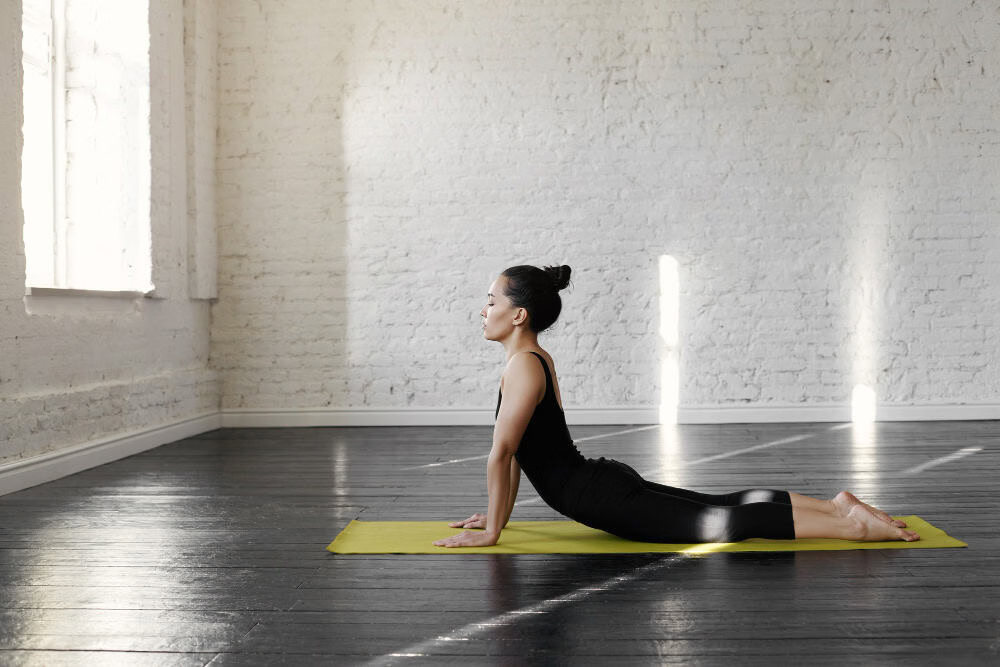
Understanding how long until you see the benefits of yoga highlights how multi-layered wellness unfolds across your entire system:
- Calms Stress Hormones Early: Slow nasal pranayama may support lower cortisol levels and mental clarity right from your first week.
- Builds Functional Muscular Endurance: Isometric holds in planks and standing poses strengthen stabilizer muscles without high-impact joint wear.
- May Support Spinal and Joint Health: Gradual fascial lengthening decompresses lumbar vertebrae and improves hip and shoulder range of motion.
- Enhances Sleep Architecture: Evening restorative poses and Yoga Nidra prepare your brain for uninterrupted, restorative deep sleep.
- Cultivates Mindful Self-Awareness: Regular check-ins on the mat sharpen emotional regulation and body confidence in daily life.
How Can Beginners Track Their Yoga Progress Without Frustration?
Beginners can track their yoga progress without frustration by focusing on non-visual markers—such as sleep quality, energy levels, breath steadiness, and morning joint ease—rather than forcing deep stretches, while keeping a simple weekly reflection note after three consistent classes.
True progress in yoga is not measured by how close your forehead gets to your knees; it is measured by how calmly you breathe when a posture feels challenging.
Shifting your focus from rigid physical milestones to functional daily improvements prevents injury and keeps practice joyful.
Simple Ways to Track Your Yoga Progress
| Wellness Area | Don’t Focus Only On | Track These Improvements Instead |
|---|---|---|
| Flexibility | Touching the floor with your palms | Feeling less back tightness when bending or tying your shoes |
| Strength & Stamina | Doing difficult arm-balancing poses | Climbing stairs more comfortably without getting tired quickly |
| Breathing & Focus | Holding your breath during difficult poses | Breathing slowly and smoothly through your nose |
| Stress & Sleep | Having no stressful thoughts during yoga | Feeling more relaxed and falling asleep more easily |
- Use the “How Do I Feel Tomorrow?” Test: Measure a successful session by whether your body feels energized and spacious the next morning, rather than sore or pinched.
- Notice Your Breathing Rhythm in Holds: Track how many steady, unhurried breaths you can maintain in standing poses without tensing your jaw or neck.
- Pay Attention to Everyday Movements: Observe simple daily wins, such as sitting comfortably during long meetings, standing taller in queues, or waking up without neck stiffness.
- Journal One Sentence Once a Week: Jot down a brief note on your mood, sleep, or energy every Sunday so you can recognize gradual shifts you might otherwise overlook.
Common Misunderstandings About How Fast Yoga Works
- Myth 1: If you do not sweat heavily or feel sore, the yoga class is not working.
- Fact: Yoga regulates your nervous system, lubricates joints, and builds deep stabilizer endurance through controlled alignment rather than muscular exhaustion.
- Myth 2: You need to practice for 90 minutes every single day to see real results.
- Fact: Consistent 30-to-45-minute sessions three to four times a week produce far better long-term gains than sporadic marathon workouts.
- Myth 3: Younger, naturally flexible people get all the benefits faster.
- Fact: Stiffer beginners and older adults often feel the most noticeable improvements in daily mobility, balance, and pain relief within the first month.
- Myth 4: Yoga benefits stop once you reach a certain level of flexibility.
- Fact: Physical postures are simply the entry point; deeper benefits in breath mastery, mental clarity, and emotional calm continue unfolding for years.
7 Practical Field Tips for Experiencing Faster, Safer Results
Simple Tips to Improve Your Yoga Progress
1. Consistency and Daily Routine
- Fix three days every week for yoga practice.
- Try to practise at the same time every morning.
- Start with 30-minute sessions and gradually improve.
2. Practise Yoga the Right Way
- Use yoga blocks and straps to make difficult poses easier.
- Coordinate your breathing with every movement.
- Never force a pose if you feel sharp joint pain.
3. Include Yoga in Your Daily Life
- Take five minutes for gentle neck movements during desk breaks.
- Drink enough water after your morning yoga session.
- Relax completely during the five-minute Savasana (resting pose).
- Anchor Your Practice to a Consistent Time: Unroll your mat at the same hour—such as early morning before emails begin—so your body anticipates movement effortlessly.
- Embrace Props Without Hesitation: Using yoga blocks under your hands in forward folds keeps your spine long and allows tight hamstrings to release twice as fast as rounding your back.
- Prioritize Frequency Over Duration: Practicing 25 minutes four mornings a week builds neuromuscular memory much faster than a single 90-minute weekend class.
- Practice Outdoors in Fresh Morning Air: Joining morning sessions along Besant Nagar or ECR enriches oxygen intake, boosts vitamin D, and accelerates stress recovery.
- Stay Hydrated and Nourished: Drink a glass of room-temperature water before practice and eat light, wholesome meals so your fascia stays supple and responsive.
- Never Skip Final Savasana Rest: Lying still for five minutes at the close of class allows your central nervous system to integrate physical and mental gains.
- Learn Under Certified Live Guidance: Working with an experienced teacher ensures accurate alignment from day one, preventing minor compensation habits that slow down progress.
Ready to start building your own steady weekly rhythm? Explore our guide on7 Important Tips for Success in Yogato establish lasting momentum on your mat.
Frequently Asked Questions
How long until you see the benefits of yoga as a complete beginner?
Complete beginners feel immediate mental calm and lighter breathing after their very first class, notice better sleep and reduced stiffness within 2 to 4 weeks, and build visible core strength and posture improvements within 8 to 12 weeks.
How many times a week should I do yoga to see results?
Practicing 3 to 4 times a week for 30 to 45 minutes provides an ideal balance of physical stimulus and recovery to see steady improvements in flexibility, strength, and stress relief.
How long does it take for yoga to improve flexibility?
Most practitioners notice measurable improvements in hamstring, hip, and shoulder flexibility within 3 to 6 weeks of consistent practice, especially when using props like blocks and straps.
When does yoga start helping with stress and anxiety?
Slow diaphragmatic breathing activates your parasympathetic nervous system within 5 to 10 minutes of your first session, while consistent practice builds lasting emotional resilience over 4 to 8 weeks.
How long before yoga relieves lower back pain and stiffness?
Gentle spinal mobility and core-stabilizing poses often ease mild desk-related back stiffness within 2 to 4 weeks, with stronger postural support developing over 8 to 12 weeks.
Can you see physical body toning and weight changes from yoga?
Yes. Consistent Vinyasa or Hatha strength flows three to four times weekly tone legs, arms, and core muscles while lowering cortisol-driven fat storage over 6 to 12 weeks.
Is 20 minutes of daily yoga enough to see benefits?
Yes. Practicing 20 minutes every morning creates powerful daily habit consistency, keeping joints lubricated, digestion smooth, and stress levels balanced throughout the week.
Do online live yoga classes give results as fast as in-person classes?
Yes. When guided live by certified teachers who observe your alignment via camera and offer real-time cues, online classes deliver the same timeline of physical and mental benefits from home.

Trusting Your Body’s Natural Pace on the Mat
Understanding how long until you see the benefits of yoga frees you from rushing and invites you to enjoy every step of your wellness journey:
- Celebrate immediate inner shifts: Notice the quiet mind, deeper breath, and restful sleep that arrive within your very first weeks.
- Give your body time to remodel safely: Allow 8 to 12 weeks of consistent, prop-supported practice to build lasting strength and upright posture.
- Choose supportive, certified community guidance: Surround yourself with experienced teachers and encouraging peers who honor your unique pace.
When you show up on your mat with patience and curiosity, lasting vitality unfolds naturally.
Health Disclaimer: This content is for educational purposes only and is not a substitute for medical advice. Consult your doctor before starting any new exercise program.
Ready to experience your own transformation step by step? Join our sunrise beach classes in Besant Nagar and ECR or connect with our live online guided programs across India at Outdoor Yoga Chennai. Book your trial session and begin your journey today.



Leave a Comment