
Table of Contents
How to Activate 7 Chakras by Yoga: A Step-by-Step Guide
Learning how to activate 7 chakras by yoga requires combining physical postures (asanas), focused breathwork (pranayama), and seed sounds (bija mantras) to balance the body’s primary subtle energy centers along the spine. Starting at the base of the spine with grounding postures like Warrior I, you systematically work upward through backbends, heart openers, and quiet inversions to clear prana blockages. Whether practicing along the breezy shores of Besant Nagar or following guided online sessions across India, balancing these energy centers promotes deep emotional stability, physical vitality, and mental clarity.
What is Chakra Activation Through Yoga?
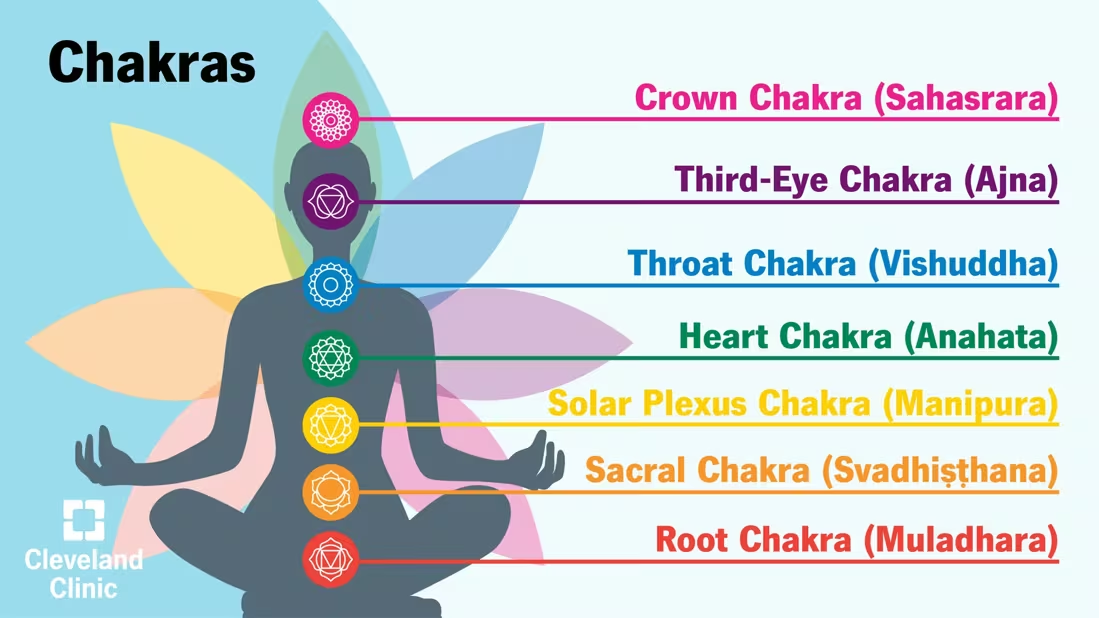
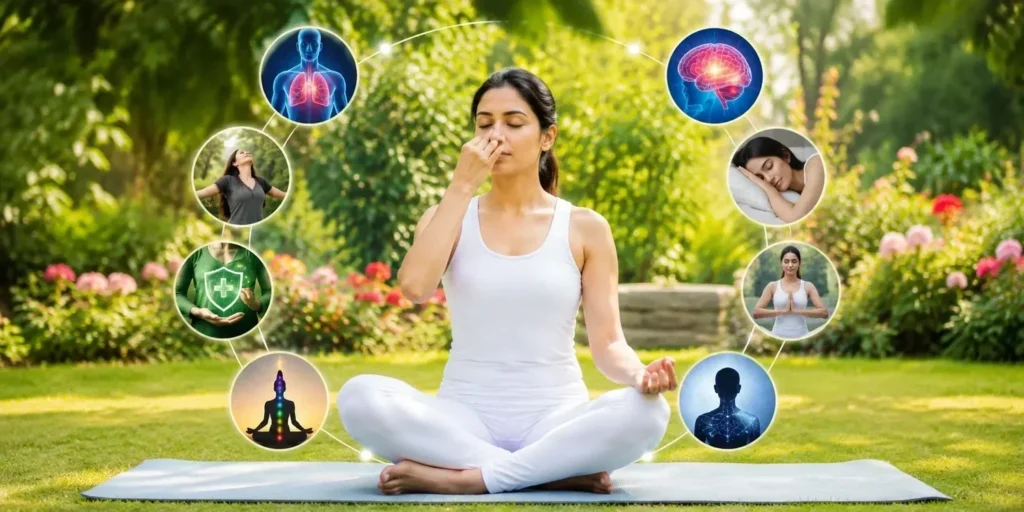
Activating 7 chakras by yoga is the systematic practice of using targeted yoga poses, pranayama breathwork, and seed mantra chants (bija mantras) to unblock, balance, and stimulate the seven major subtle energy centers (chakras) situated along the central spinal canal (Sushumna Nadi).
| Chakra Name | Location | Associated Element | Target Yoga Posture | Bija Mantra |
|---|---|---|---|---|
| 1. Muladhara | Base of spine | Earth | Vrksasana (Tree Pose) | LAM |
| 2. Svadhisthana | Lower abdomen | Water | Bhujangasana (Cobra Pose) | VAM |
| 3. Manipura | Solar plexus | Fire | Navasana (Boat Pose) | RAM |
| 4. Anahata | Heart center | Air | Ustrasana (Camel Pose) | YAM |
| 5. Vishuddha | Throat center | Ether | Sarvangasana (Shoulderstand) | HAM |
| 6. Ajna | Third eye / between the eyebrows | Light | Balasana (Child’s Pose) | OM |
| 7. Sahasrara | Crown of the head | Pure consciousness | Sirsasana / Padmasana | Silent OM / Silence |
In our regular outdoor sessions along the East Coast Road (ECR) and Thiruvanmiyur beach, we meet many practitioners who feel physically sluggish or emotionally scattered due to urban stress. As certified wellness educators holding Yoga Alliance (RYT-500) and Ministry of Ayush qualifications, we teach students that activating chakras is not about mystical force. Instead, it involves using precise biomechanical alignment and steady awareness to allow life-force energy (prana) to flow unobstructed.
Why Chakra Alignment Matters for Health and Lifestyle
The seven chakras correspond directly to major nerve plexuses and endocrine glands along the human spine. When chronic emotional stress or sedentary habits constrict physical tissue, nervous transmission and hormonal flow become sluggish.
| Yoga Focus | Traditional Association | Practice |
|---|---|---|
| 1. Grounding Base — Muladhara | Stability and grounding | Standing postures |
| 2. Mid-Body Fire — Manipura | Digestive and core-related energy | Gentle abdominal practices |
| 3. Upper Awakening — Ajna | Focus and intuitive awareness | Silent meditation |
Guidelines published by WHO wellness guidelines underline that holistic mind-body practices significantly decrease chronic autonomic stress and promote cardiovascular longevity. Furthermore, peer-reviewed clinical research published in PubMed literature suggests that yogic practices combining pranayama and posture alignment enhance neuroendocrine function and reduce stress markers in adults.
According to Outdoor Yoga Chennai, practitioners who dedicate 20 minutes daily to sequential chakra-focused postures report a notable improvement in emotional balance and postural awareness within four weeks of consistent effort.
How to Activate 7 Chakras by Yoga: Step-by-Step Sequence
Systematically balancing your energy body requires moving from the foundational root up to the subtle crown center.
1.1. Muladhara Activation: Root down in Vrksasana (Tree Pose):Ground your foundation and activate Muladhara Chakra.
Stand tall in Tadasana. Shift weight to your left foot and place the right sole onto your inner left thigh. Press downward through the left foot while chanting the sound ‘LAM’ internally to build stability.
2.2. Svadhisthana Activation: Open hips in Bhujangasana (Cobra Pose):Release pelvic tension and awaken Svadhisthana Chakra.
Lie prone on your mat with hands under your shoulders. Inhale and lift your chest gently, drawing shoulder blades back to open the sacral energy center while softening pelvic tension.
3.3. Manipura Activation: Engage core in Navasana (Boat Pose):Ignite digestive fire and activate Manipura Chakra.
Sit upright, bend your knees, and lift your feet until shins are parallel to the floor. Extend arms forward, engaging your abdominal wall to stimulate core digestive heat and willpower.
4.4. Anahata Activation: Lift chest in Ustrasana (Camel Pose):Expand thoracic cavity and open Anahata Chakra.
Kneel with hips stacked over knees. Place hands on your lower back, lift your chest toward the sky, and gently arch back to release emotional constriction surrounding the heart.
5.5. Vishuddha Activation: Lengthen throat in Setu Bandhasana (Bridge Pose):Compress and balance the thyroid in Vishuddha Chakra.
Lie on your back, bend knees, and press feet into the floor to lift hips. Draw your chin gently toward your sternum to stimulate the throat energy center and vocal expression.
6.6. Ajna Activation: Rest forehead in Balasana (Child’s Pose):Quiet the analytical mind and activate Ajna Chakra.
Kneel on your mat, lower your hips to your heels, and extend arms forward. Touch your third eye space (forehead) directly to the floor or a block to calm mental chatter.
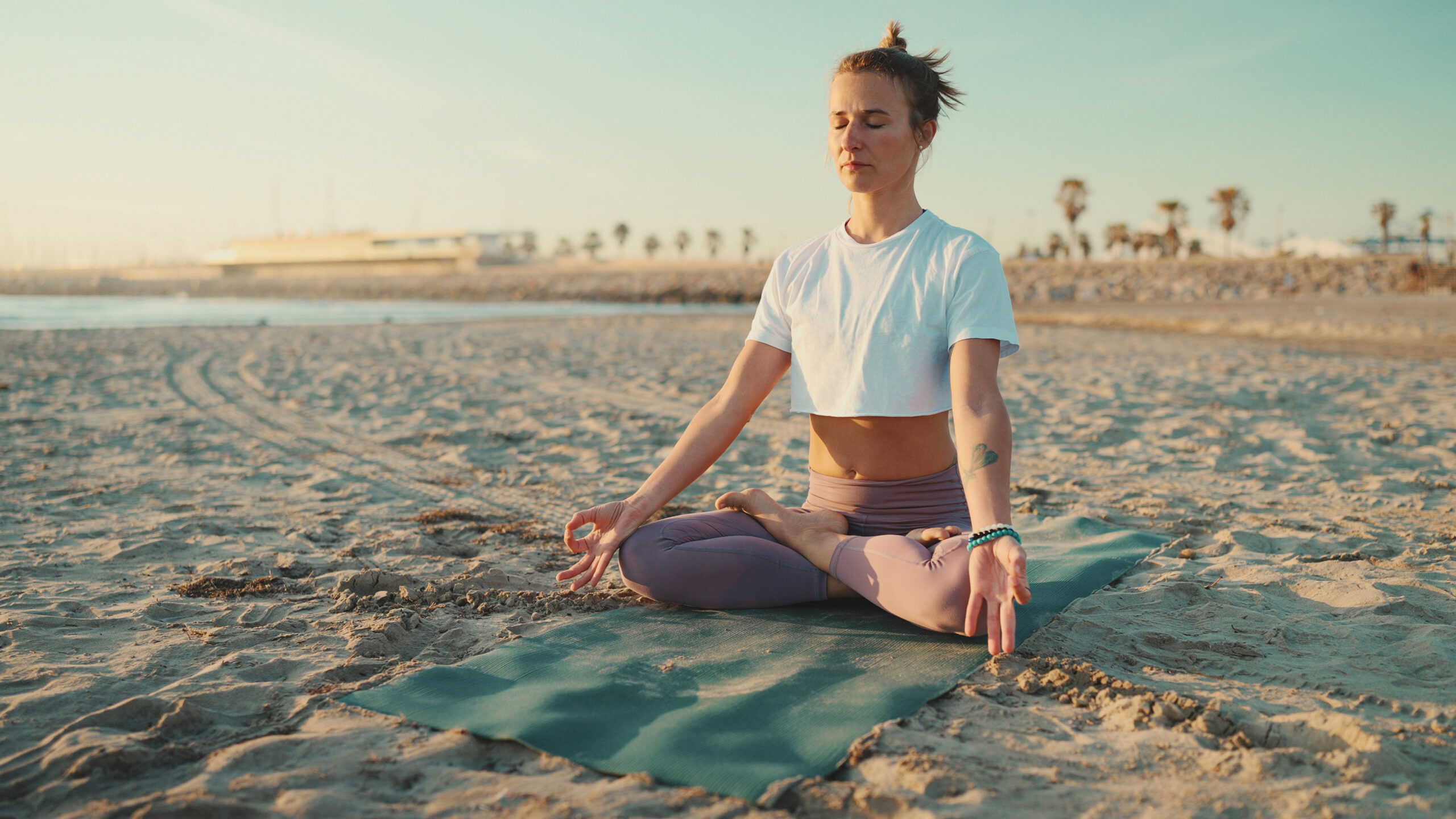
7.7. Sahasrara Activation: Meditate in Padmasana / Sukhasana:Settle into pure awareness at Sahasrara Chakra.
Sit upright in a comfortable cross-legged posture with a tall, neutral spine. Rest hands in Chin Mudra, close your eyes, and direct subtle attention to the space just above the crown of your head.
During a morning workshop along the ECR beachfront, a student struggling with anxiety found backbends overwhelming. By modifying her heart-opening pose using a yoga bolster beneath her shoulder blades and focusing on slow exhalations, her nervous system settled, allowing her to experience deep relaxation.
Physical, Mental, and Emotional Benefits of Chakra Activation
Understanding how to activate 7 chakras by yoga provides holistic advantages for your entire well-being:
- Enhances Postural Alignment: Rooting and lengthening poses strengthen spinal support muscles.
- Balances the Endocrine System: Poses gently compress and decompress key glands, supporting metabolic balance.
- Reduces Nervous Tension: Breath-synchronized movement activates the parasympathetic rest-and-digest response.
- Fosters Emotional Resilience: Releasing physical tightness in the hips and chest helps clear stored emotional stress.
- Sharpens Mental Concentration: Focused visualization on energy points improves daily mindfulness and clarity.
How Can Beginners Approach Chakra Activation Safely?
Beginners can approach chakra activation safely by practicing gentle foundational poses, avoiding forced spinal hyperextension, using yoga blocks and straps for support, focusing on steady breath rhythm, and maintaining a non-competitive mindset during practice.
Balancing your energy body is a gentle process of unfolding. Never force a posture; allow the breath to create space from within.
Setting up an effective, safe chakra sequence requires understanding how props make energy alignment accessible.
Safe Chakra Modification Guide
Chakra-focused yoga practices can be adapted to make different poses more comfortable, accessible, and supportive. If a posture feels too demanding or creates discomfort, a simple modification or prop can help reduce unnecessary strain.
Muladhara — Tree Pose
Potential risk: Loss of balance or knee strain.
Recommended modification: Practice Tree Pose near a wall. Using the wall for support can provide additional stability while you work on balance and posture.
Manipura — Boat Pose
Potential risk: Excessive arching of the lower back or lower-back strain.
Recommended modification: Hold the backs of your thighs with your hands. This provides additional support and can make it easier to maintain control during the pose.
Anahata — Camel Pose
Potential risk: Compression or excessive strain in the lumbar spine.
Recommended modification: Tuck your toes under or place yoga blocks under your hands. These adjustments can reduce the intensity of the backbend and provide additional support.
Vishuddha — Shoulderstand
Potential risk: Excessive compression around the neck.
Recommended modification: Consider substituting Shoulderstand with Setu Bandhasana (Bridge Pose), which can provide a gentler alternative.
Practising With Appropriate Support
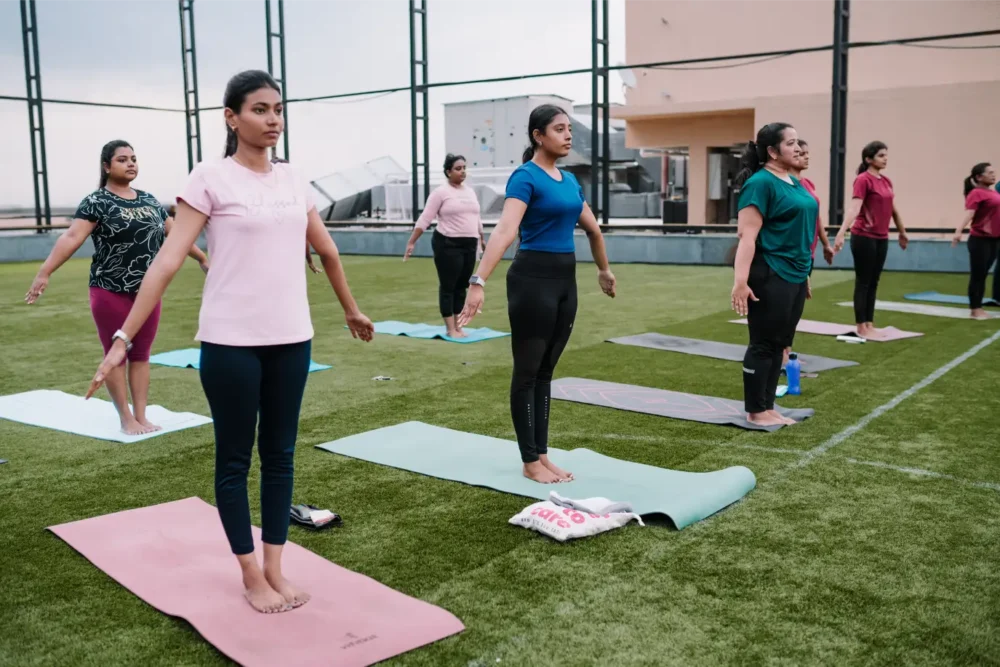
Yoga modifications are intended to help practitioners work within a comfortable and controlled range of movement. Props such as walls and yoga blocks can provide additional stability and support when a traditional pose feels too challenging.
If a pose causes pain, significant discomfort, or unusual symptoms, stop the movement rather than forcing the posture.
- Establish Grounding First: Begin every session with 5 minutes of quiet sitting to connect with your root foundation before moving.
- Synchronize Movement with Breath: Inhale to expand and lift into poses; exhale to deepen and release muscular holding.
- Use Props Generously: Support your hips with folded blankets during seated poses to keep your spinal column long and upright.
- Never Strain the Neck: Avoid forcing headstands or intense shoulderstands if you experience cervical neck tightness.
Common Misunderstandings About 7 Chakra Yoga
- Myth 1: You must see vibrant glowing colors to activate a chakra.
- Fact: Chakra activation is primarily experienced as felt physical release, emotional ease, and mental stillness—not visual hallucinations.
- Myth 2: Chakras can be permanently closed or broken.
- Fact: Energy centers simply become overactive or underactive due to stress; mindful yoga helps recalibrate their natural balance.
- Myth 3: You need advanced Kundalini awakenings to benefit from chakra yoga.
- Fact: Simple, accessible hatha yoga poses balanced with deep breathing offer profound daily energetic benefits for anyone.
- Myth 4: You must activate all seven chakras in every single session.
- Fact: Focusing deeply on just one or two sluggish energy centers often brings better clarity than rushing through all seven.
7 Practical Tips for Nurturing Your Energy Centers
Chakra Practice Protocol
A simple chakra practice can be organized into three areas: preparation, posture execution, and daily lifestyle.
Preparation Setting
Before starting your practice:
- Practice in a quiet and comfortable space.
- Keep your spine tall and neutral.
- Use a blanket or cushion under your sit bones for additional comfort during seated practices.
Posture Execution
During your yoga practice:
- Root down before lifting to establish a stable foundation.
- Chant bija mantras softly if mantra practice is part of your routine.
- Hold each pose for approximately 5–8 breaths, while maintaining steady, comfortable breathing.
Daily Lifestyle
Support your practice with healthy daily habits:
- Drink plenty of water and maintain adequate hydration.
- Walk barefoot on grass if it is comfortable and appropriate for you.
- Prioritize restful sleep to support overall well-being.
- Chant Bija Mantras Softly: Vocalizing seed sounds like ‘LAM’ or ‘YAM’ creates physical vibrations that soothe nervous tissue.
- Practice Outdoors When Possible: Grounding your feet on sand or grass directly supports the Earth element of Muladhara chakra.
- Maintain a Neutral Spinal Column: Slouching restricts the flow of prana through the central Sushumna canal.
- Avoid Heavy Meals Before Class: A full stomach restricts core movement and dampens Manipura solar plexus fire.
- Incorporate Mudras: Join thumb and index finger in Chin Mudra to seal energy during seated chakra meditation.
- End Always in Savasana: Allow at least 10 minutes of complete stillness at the end of class to integrate energetic changes.
- Listen to Physical Limits: Sharp pain is a sign to back off; energy flows best when the body feels safe and supported.
Frequently Asked Questions
What is the quickest way to ground a blocked root chakra?
Practicing standing balance poses like Vrksasana (Tree Pose) while breathing deeply and visualizing roots anchoring into the earth provides fast grounding.
Can beginners practice chakra activation yoga safely?
Yes. Beginners should focus on fundamental postures, using props to maintain a comfortable, long spine without forcing deep backbends.
How do I know if my heart chakra (Anahata) is opening?
Many practitioners report feeling a sense of physical spaciousness in the chest, lighter respiration, and increased emotional warmth.
Do I need to chant mantras to activate chakras?
No. While chanting bija mantras adds vibration, practicing poses with focused breath and clear awareness is fully effective.
Which chakra affects digestion and metabolic energy?
Manipura Chakra, located at the solar plexus, governs digestive heat (Agni), core muscular power, and metabolic vitality.
Is it normal to feel emotional during deep heart-opening poses?
Yes. Releasing chronic muscular tightness in the chest wall often unlocks stored emotional stress, which releases naturally through tears or sighs.
How often should I practice chakra-focused yoga routines?
Practicing 20 to 30 minutes 3 to 4 times a week helps maintain steady energy flow and long-term postural alignment.
Can online yoga classes effectively teach chakra balancing?
Yes. Clear verbal cues, guided visualizations, and structured demonstration make online chakra practice highly effective at home.
Harmonizing Your Subtle Energy Centers
Mastering how to activate 7 chakras by yoga provides a sustainable path toward balance, strength, and inner calm:
- Build from the foundation: Always establish root stability before attempting deep backbends or upper-body inversions.
- Honor the breath: Diaphragmatic breathing carries prana through energy pathways far more effectively than muscular force.
- Maintain consistency: Small, mindful daily practices yield deeper energetic balance than occasional strenuous workouts.
By approaching your mat with patience and respect for your body, you allow your natural vitality to unfold.
Health Disclaimer: This content is for educational purposes only and is not a substitute for medical advice. Consult your doctor before starting any new exercise program.


Leave a Comment