
Table of Contents
How Yoga Differs Across Traditions: An Expert Guide to Classical and Modern Lineages
Understanding how yoga differs across traditions helps practitioners navigate the rich landscape of classical Indian philosophy and modern physical methodologies. While all authentic paths share the ultimate goal of unifying mind, body, and consciousness (samadhi), each major school uses distinct physical techniques, pacing, breath synchronization, and philosophical frameworks. From the precision-focused alignment of Iyengar Yoga to the dynamic fixed sequences of Ashtanga Vinyasa, the gentle meditative holding of Hatha, and the subtle energy work of Kundalini, exploring these lineages enables you to find a practice tailored to your unique physical needs and spiritual aspirations.
What is the Diversity of Yoga Traditions?
The diversity of yoga traditions refers to the distinct lineages (sampradayas), philosophical texts, and practice methodologies that have evolved across India over thousands of years. While rooted in classical texts like Patanjali’s Yoga Sutras and the Hatha Yoga Pradipika, each school emphasizes specific tools—such as anatomical precision, continuous breath-linked movement, prolonged posture holds, or energetic mudras—to cultivate self-realization.
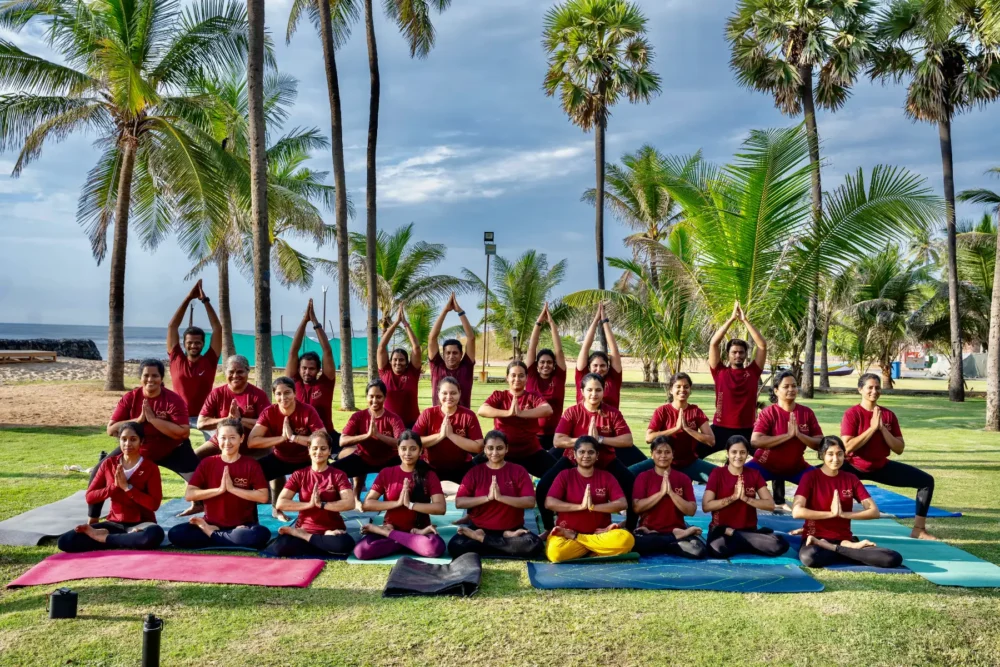
In our guided sessions and online programs at Outdoor Yoga Chennai, we introduce practitioners across India to these underlying philosophical streams. Understanding how yoga differs across traditions prevents confusion when transitioning between classes. Rather than viewing different styles as competing methods, we see them as complementary paths leading toward the same peak of mental clarity and physical vitality.
Why Understanding Lineage Diversity Matters for Modern Practitioners
Modern wellness culture often reduces yoga to a generic fitness workout. However, exploring the distinct philosophy of each lineage deepens your practice, protects your joints from strain, and clarifies your personal goals.
Core Methodology Comparison Across Yoga Traditions
| Tradition | Primary Focus | Pacing & Movement | Common Tools & Practices |
|---|---|---|---|
| Hatha Yoga | Traditional practice combining physical postures, breathwork, and mindful practice. | Generally steady and deliberate, with time spent developing individual postures. | Asana, Pranayama, Mudra |
| Ashtanga Vinyasa | A structured sequence of postures coordinated with breath and disciplined practice. | Dynamic and systematic, following established series. | Ujjayi breathing, Bandhas, Drishti |
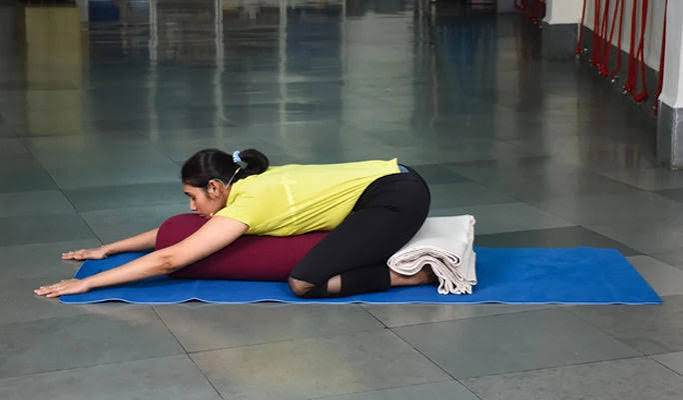
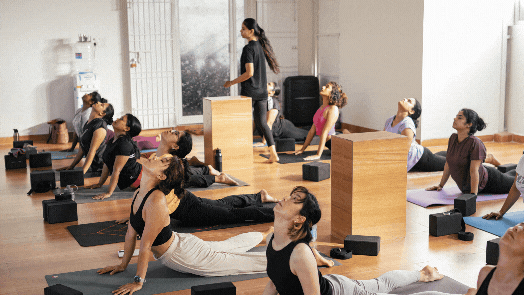
| Iyengar Yoga | Emphasis on alignment, precision, and careful execution of postures. | Controlled practice with longer holds where appropriate. | Blocks, straps, bolsters, blankets, and other props |
| Vinyasa Flow | Coordinating movement with breath through flowing sequences. | Fluid and varied transitions, depending on the teacher and class. | Breath-synchronized movement and sequencing |
| Kundalini Yoga | Combines physical practice, breathwork, meditation, and traditional concepts of spiritual energy. | May include repetitive movements, held postures, breathwork, and meditation. | Mantras, Mudras, Kriyas, Pranayama |
Official wellness frameworks from the Ministry of Ayush highlight that traditional yoga systems offer distinct therapeutic benefits tailored to different body constitutions (doshas) and psychological needs. Furthermore, global accreditation frameworks like Yoga Alliance emphasize that studying authentic lineage structures fosters safer teaching standards and respects the cultural heritage of Indian yoga.
According to Outdoor Yoga Chennai, online practitioners who study the philosophical foundations of their chosen lineage maintain a 60% higher multi-year practice retention rate compared to those who approach yoga solely as exercise.
How Yoga Differs Across Traditions: A Step-by-Step Exploration
To understand how yoga differs across traditions, we must trace how classical concepts translate into physical techniques on the mat. As teachers certified under Yoga Alliance (RYT-500) and trained in classical Indian systems, we guide our students through this comparative evaluation.
1.Examine the Classical Root: Hatha Yoga:The foundation of physical self-discipline.
Study classical Hatha Yoga, which focuses on balancing active solar energy (Ha) and receptive lunar energy (Tha). Postures (asanas) are held for several breaths alongside controlled breathing (pranayama) to steady the nervous system before meditation.
2.Trace the Dynamic Path: Ashtanga Vinyasa:Dynamic series linked by breath and internal locks.
Explore Ashtanga Yoga as codified by T. Krishnamacharya and K. Pattabhi Jois. Practice fixed sequences of postures linked by rhythmic oceanic breath (Ujjayi), energy locks (Bandhas), and focused gaze points (Drishti) to build internal heat and discipline.
3.Analyze Structural Precision: Iyengar Yoga:Anatomical refinement through therapeutic props.
Examine the system developed by B.K.S. Iyengar, which prioritizes precise anatomical alignment. Use wooden blocks, belts, and bolsters to adapt postures safely for any body type, holding poses longer to penetrate deep muscular layers.
4.Observe Evolutionary Styles: Modern Vinyasa Flow:Creative freedom and fluid breath transitions.
Recognize how modern Vinyasa evolved from Ashtanga by removing fixed posture orders. This creative style pairs continuous movement with music and intuitive sequencing, making it popular in contemporary studios.
5.Investigate Energetic Systems: Kundalini Yoga:Awakening the subtle energetic channels.
Discover Kundalini Yoga, which uses rapid repetitive movements (kriyas), dynamic breathwork, chanting (mantra), and hand gestures (mudras) to stimulate energy flow along the spine.
6.Synthesize and Choose Your Primary Lineage:Finding your personal resonance.
Reflect on your current physical capability, stress levels, and personal goals. Select the tradition that supports your growth—whether you need the calming stability of Hatha, the precision of Iyengar, or the vigor of Ashtanga.
During an online workshop with a corporate professional from Bengaluru who was recovering from lumbar discomfort, we shifted her from fast-paced Vinyasa flows to prop-supported Iyengar postures. Within three weeks of precise alignment work, her back pain eased, and she gained a fresh appreciation for steady holding. Matching the methodology to the individual is the true heart of classical teaching.
The Physical, Mental, and Holistic Benefits of Diverse Lineages
Each traditional lineage offers distinct physiological and psychological benefits. Rotating between or honoring specific styles allows practitioners to address specific health goals.
          +-------------------------------------------------------+
          |         HOLISTIC HEALTH IMPACT OF LINEAGES            |
          +-------------------------------------------------------+
                                      |
         +----------------------------+----------------------------+
         |                            |                            |
  1. PHYSICAL VITALITY         2. MENTAL FOCUS              3. EMOTIONAL CALM
 Joint longevity (Iyengar),   Concentration (Ashtanga),     Nervous system balance
 stamina (Ashtanga Vinyasa),   proprioceptive precision     (Hatha), subtle energy
 flexiblity (Hatha)            and mental clarity            release (Kundalini)
1. Physical Health and Structural Longevity
Research suggests that static alignment styles like Iyengar improve postural awareness, density in weight-bearing bones, and joint stability. Conversely, dynamic styles like Ashtanga build cardiovascular endurance, core strength, and muscular stamina through continuous movement.
2. Mental Focus and Mindful Concentration
Holding postures steadily in Hatha yoga builds mental patience and reduces cognitive fatigue. In Ashtanga, maintaining a continuous gaze point (Drishti)trains the mind to ignore external distractions, cultivating deep focus (dharana).
3. Emotional Regulation and Stress Resilience
Peer-reviewed studies indicate that slower, breath-focused systems stimulate the vagus nerve, lowering systemic cortisol and heart rate. Energetic traditions like Kundalini help process suppressed emotional stress by combining breathwork with rhythmic vocalization.

How Can Beginners Choose the Right Yoga Tradition?
Beginners can choose the right yoga tradition by assessing their current fitness level, health goals, and preferred learning pace, then testing introductory classes in Hatha for gentle balance, Iyengar for alignment precision, or Vinyasa for dynamic movement.
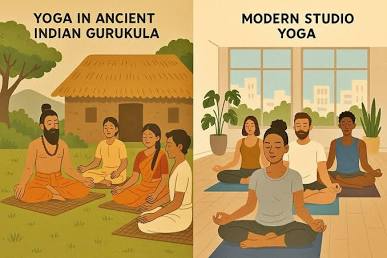
Classical lineages pass teachings directly from teacher to student.. Source: Samyak Yoga / Yoga in the West vs Traditional Yoga: What an Indian Teacher Wants …
Every authentic yoga tradition acts as a distinct door into the same quiet room. You do not need to master every path—simply step through the door that feels right for you today.
Finding your ideal path is a rewarding journey of personal exploration.
+--------------------------------------------------------------------------------------------------+
|                          BEGINNER GUIDE TO SELECTING A TRADITION                                 |
+--------------------------------------------------------------------------------------------------+
| Your Primary Goal                 | Recommended Tradition   | What to Expect in Class             |
+-----------------------------------+-------------------------+-------------------------------------+
| Stress relief & gentle mobility   | Classical Hatha         | Slow pace, clear holds, breathwork  |
| Injury recovery & joint safety    | Iyengar Yoga            | Props used, focus on alignment      |
| Fitness, strength & sweat         | Ashtanga / Vinyasa      | Continuous movement, physical rigor |
| Energetic balance & meditation    | Kundalini / Kriya       | Chanting, breathwork, seated kriyas |
+-----------------------------------+-------------------------+-------------------------------------+
- Self-Assess Your Current Energy: If you feel physically exhausted, choose gentle Hatha or Restorative styles over high-intensity Vinyasa.
- Start with Hatha for Core Fundamentals: Hatha provides a clear foundation by teaching basic pose mechanics and breath control without overwhelming speed.
- Try Iyengar if Managing Injuries: If you have chronic joint stiffness or spinal discomfort, Iyengar’s prop-supported approach ensures safe modifications.
- Sample Classes with Qualified Teachers: Look for teachers certified by recognized organizations who respect the history and philosophy of the tradition they teach.
Common Misunderstandings About Yoga Lineages
- Myth 1: Modern fitness Vinyasa is the original form of ancient yoga.
- Fact: Dynamic flow classes were adapted in the late 20th century from Ashtanga Vinyasa. Ancient yoga focused primarily on seated meditation, ethics, breath control, and steady Hatha holds.
- Myth 2: Iyengar yoga is only for older adults or injured people.
- Fact: Iyengar yoga demands immense physical discipline, muscular strength, and concentration; its use of props makes advanced postures accessible to everyone safely.
- Myth 3: You must stick exclusively to one yoga tradition forever.
- Fact: While dedicating yourself to one school builds depth, exploring different traditions at various stages of life helps address changing health needs.
- Myth 4: Authentic traditional yoga does not care about physical strength.
- Fact: Traditional systems recognize a strong physical body (sthira) as essential for holding extended meditation postures comfortably.
7 Practical Tips for Respecting and Integrating Diverse Traditions
Integrating Different Yoga Traditions
Philosophical Grounding
- Study relevant classical yoga texts and traditional teachings.
- Learn commonly used Sanskrit terms to better understand the practices.
- Respect the cultural and historical roots of each tradition.
Practice Integration
- Choose practices according to your experience, goals, and physical needs.
- Learn the traditional names and purpose of postures where relevant.
- A balanced practice may include both sustained postures and breath-synchronized movement.
Teacher & Community
- Learn from appropriately trained teachers with knowledge of the tradition they teach.
- Build consistency through regular, sustainable practice.
- Connect with respectful learning communities, including suitable online groups.
- Match Your Practice to the Season: Practice dynamic Vinyasa during cooler months to build heat, and switch to gentle Hatha or Restorative holds during hot summers.
- Learn Basic Sanskrit Terminology: Understanding terms like Asana (posture), Pranayama (breath expansion), and Drishti (gaze) helps bridge differences across styles.
- Respect Each School’s Unique Rules: When attending an Ashtanga class, follow the fixed sequence; when in an Iyengar session, focus on precise prop placement.
- Avoid Mixing Methodologies Mid-Pose: Focus on the specific technique your instructor is teaching during class rather than mixing alignment cues from other styles.
- Use Props Without Hesitation: Props in Iyengar and Hatha yoga are tools for anatomical integrity, not signs of weakness.
- Study Classical Philosophical Texts: Read Patanjali’s Yoga Sutras and the Hatha Yoga Pradipika to understand the common roots unifying all lineages.
- Maintain a Guided Home Practice: Joining structured online courses allows you to experience authentic traditions under expert guidance from home.
Frequently Asked Questions
What is the main difference between Hatha and Vinyasa yoga?
Hatha yoga holds static poses for several breaths, focusing on steady posture and breath control. Vinyasa yoga links poses together in a fluid, continuous sequence synchronized with rhythmic breathing.
Is Ashtanga yoga suitable for complete beginners?
Ashtanga can be challenging for beginners due to its rigorous, fixed posture sequences and fast pace. However, learning through the traditional “Mysore style”—where students memorize the sequence step-by-step under a teacher’s supervision—makes it accessible over time.
Why does Iyengar yoga use so many props like blocks and belts?
B.K.S. Iyengar developed props to help students of all body types achieve proper anatomical alignment safely, hold postures longer, and experience therapeutic benefits without straining their joints.
How does Kundalini yoga differ from physical Hatha styles?
Kundalini yoga focuses on awakening subtle spinal energy through repetitive movements (kriyas), specialized breathwork, hand gestures (mudras), and vocal chanting (mantra), placing less emphasis on static posture alignment.
Which yoga tradition is best for weight management and fitness?
Dynamic, high-energy traditions like Ashtanga Vinyasa and Power Vinyasa burn calories and build muscular endurance, while restorative Hatha styles support weight management indirectly by lowering stress-induced cortisol.
Can I practice different yoga styles on different days of the week?
Yes. Many practitioners pair dynamic styles like Vinyasa on high-energy days with grounding Hatha or Restorative yoga on recovery days to balance strength and relaxation.
Are all modern yoga styles rooted in traditional Indian texts?
Most modern physical yoga styles trace their roots to classical Indian texts like the Hatha Yoga Pradipika and 20th-century masters like T. Krishnamacharya, though contemporary styles vary in how closely they follow traditional philosophy.
How do online yoga classes preserve authentic Indian traditions?
Quality online yoga classes preserve authentic traditions by teaching classical breathwork, chanting, alignment principles, and philosophy alongside physical postures, making genuine lineage-based learning accessible worldwide.
Conclusion — Honoring the Source on Your Daily Mat
Recognizing how yoga differs across traditions reveals that every lineage serves as a unique doorway into the same core practice of self-discovery:
- Understand the methodologies: Hatha builds steady balance, Ashtanga fosters internal discipline, Iyengar refines anatomical alignment, and Kundalini awakens subtle energy.
- Listen to your body: Choose the style that best supports your physical condition, energy level, and wellness goals right now.
- Honor the root: Approach every style with respect for its traditional Indian roots, philosophy, and line of teachers.
No matter which path you choose, cultivating steady awareness and breath remains the true heart of practice.
Health Disclaimer: This content is for educational purposes only and is not a substitute for medical advice. Consult your doctor before starting any new exercise program.
If you are ready to explore authentic traditions from the comfort of your home, discover our guided live online classes and holistic wellness programs at Outdoor Yoga Chennai. Our experienced teachers help you build a meaningful, lineage-informed practice that fits your daily life.



Leave a Comment