
Table of Contents
What Are the 5 Major Types of Yoga and Their Benefits? A Practitioner’s Guide
Exploring the 5 major types of yoga and their benefits helps practitioners choose the right style for their physical needs, stress levels, and personal wellness goals. The five primary styles—Hatha, Vinyasa, Ashtanga, Yin, and Kundalini—offer distinct paths ranging from foundational posture alignment and athletic breath-linked movement to deep fascial release and subtle energy awakening. Whether you practice along the morning sea breeze of Besant Nagar or join live online sessions across India, understanding these primary traditions ensures you build a safe, deeply fulfilling, and sustainable practice.
What Are the 5 Major Types of Yoga?
The 5 major types of yoga and their benefits include Hatha for alignment, Vinyasa for cardiovascular flow, Ashtanga for disciplined strength, Yin for connective tissue flexibility, and Kundalini for subtle energy awakening and mental clarity.
| Yoga Style | Primary Physical Focus | Pace and Intensity | Potential Mental Benefits |
|---|---|---|---|
| Hatha Yoga | Posture alignment, balance, and holding poses | Slow to moderate | Encourages body awareness, focus, and relaxation |
| Vinyasa Yoga | Coordinating breath with flowing movements | Dynamic and fluid | May support concentration and stress management |
| Ashtanga Yoga | Practising a structured sequence of postures | Moderate to vigorous | Develops discipline, concentration, and consistency |
| Yin Yoga | Holding supported or seated poses for longer periods | Slow and static; often 1–5 minutes per pose | Encourages patience, stillness, and relaxation |
| Kundalini Yoga | Breathing exercises, movement, meditation, and chanting | Varied and rhythmic | May support mindfulness, self-awareness, and mental clarity |
In our regular outdoor sessions along the East Coast Road (ECR) and Thiruvanmiyur beach, we welcome practitioners who feel confused by the many modern yoga labels. As certified wellness educators holding Yoga Alliance (RYT-500) and Ministry of Ayush qualifications, we teach that every style stems from traditional root systems. Understanding the unique characteristics of these five major styles allows you to select postures that suit your daily energy levels and long-term health goals.
Why Style Selection Matters for Health and Lifestyle
Choosing a yoga style that conflicts with your physical condition or stress levels can lead to joint strain or mental frustration. Matching posture intensity with your body’s recovery capacity ensures steady progress and prevents burnout.
Yoga Style Selection
Three factors for choosing a suitable practice
1. Physical Capability
Consider your mobility, flexibility, joint comfort, balance, and fitness level when choosing movement intensity.
Example: Beginners may start with gentle Hatha Yoga and modified poses.
2. Stress and Energy Levels
Choose a practice that matches your current needs. Gentle, restorative sessions may suit relaxation, while flowing sequences can provide a more active practice.
Example: Yin Yoga for stillness or Vinyasa Yoga for dynamic movement, depending on ability and preference.
3. Lifestyle Sustainability
Choose a format, session length, and schedule that fit your daily responsibilities so that regular practice feels manageable.
Example: Short online yoga sessions before work or a scheduled evening class.
Wellness and physical activity guidelines published by WHO wellness guidelines stress that tailoring exercise intensity to individual functional capacity drastically lowers injury risks and promotes lifelong adherence. Furthermore, peer-reviewed clinical studies archived on PubMed literature demonstrate that slow alignment styles like Hatha lower serum cortisol, while dynamic styles like Vinyasa enhance cardiovascular endurance and insulin sensitivity.
According to Outdoor Yoga Chennai, practitioners who alternate dynamic morning Hatha-Vinyasa flows with gentle weekend Yin sessions report a 50% improvement in joint mobility and experience fewer stress-induced sleep disruptions than those who follow a single rigid format.
How to Experience the 5 Major Types of Yoga: Step-by-Step Exploration
Exploring the 5 major types of yoga and their benefits requires trying each tradition mindfully to observe how your body and nervous system respond.
1.1. Establish Balance with Hatha Yoga:Master foundational postures, static holds, and diaphragmatic breathwork.
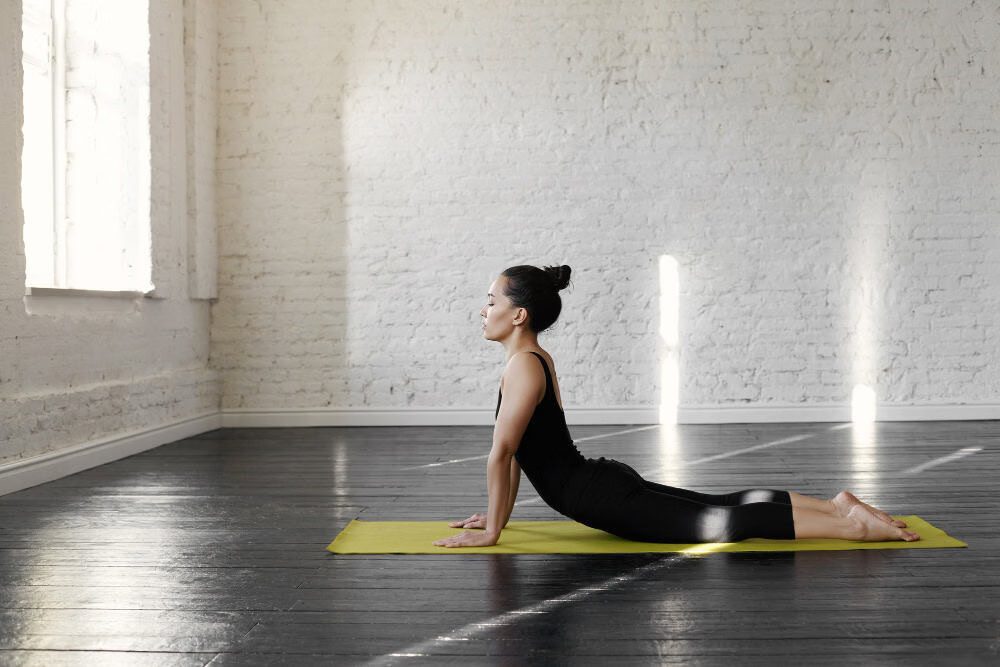
Begin by holding classical postures like Mountain Pose (Tadasana) and Cobra Pose (Bhujangasana) for 5 to 8 slow breaths. Hatha builds foundational strength, body awareness, and spinal alignment.
2.2. Build Dynamic Flow with Vinyasa Yoga:Link movement seamlessly with continuous inhalation and exhalation.
Transition fluidly through Sun Salutations (Surya Namaskar) where every movement matches an inhale or exhale. Vinyasa builds cardiovascular stamina, metabolic heat, and graceful coordination.
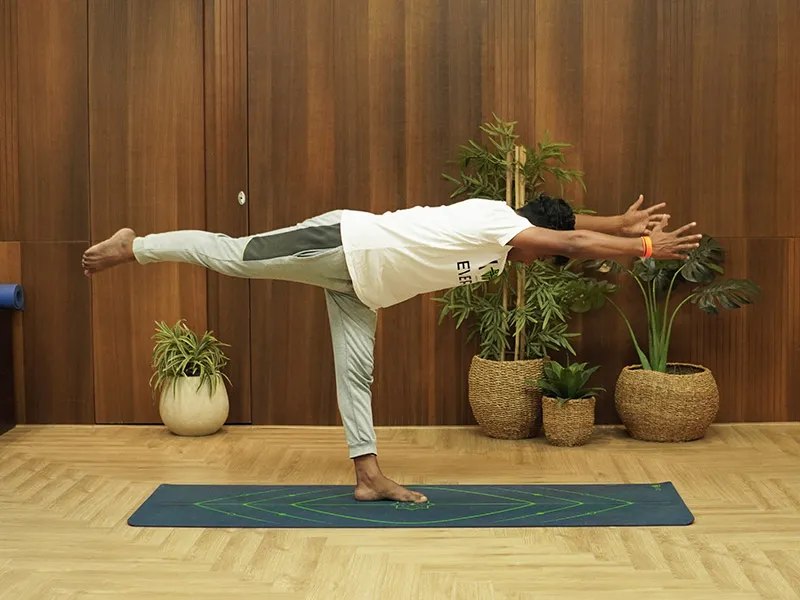
3.3. Develop Athletic Strength with Ashtanga Yoga:Follow a structured, progressive sequence to build physical grit and discipline.
Practice the fixed primary series, holding postures in a set sequence accompanied by Ujjayi ocean breath and internal energy locks (Bandhas). Ashtanga builds intense core strength and endurance.
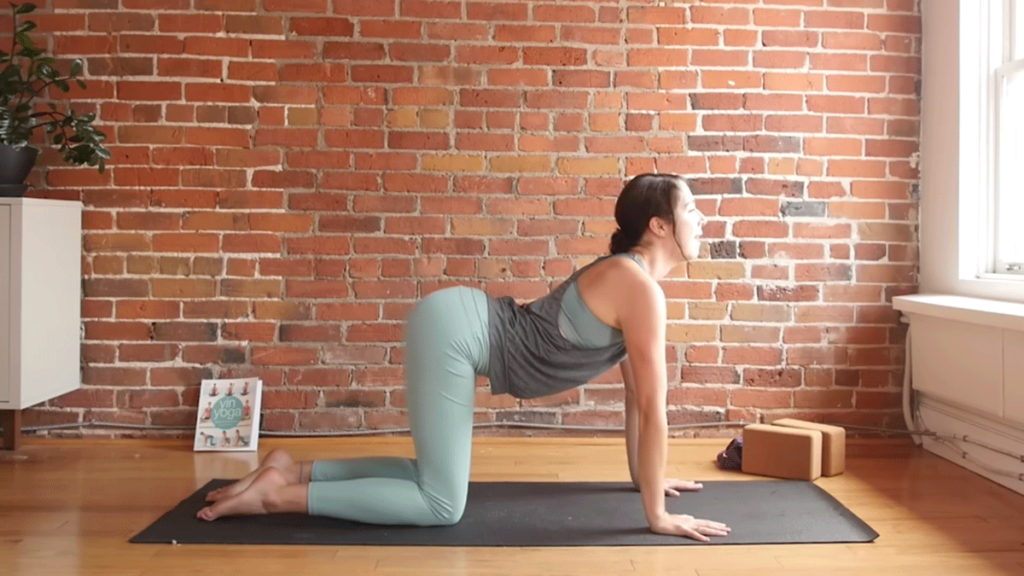
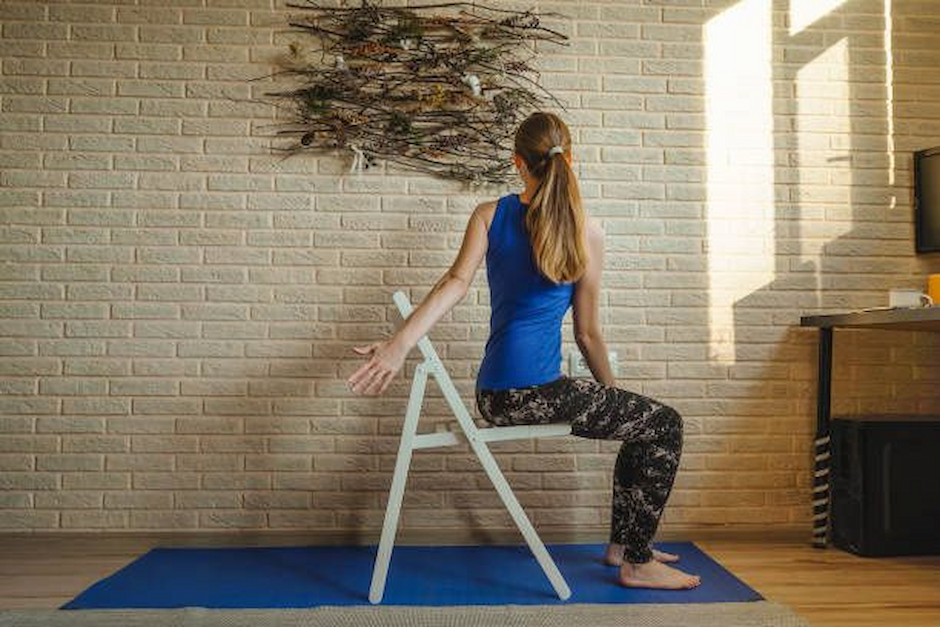
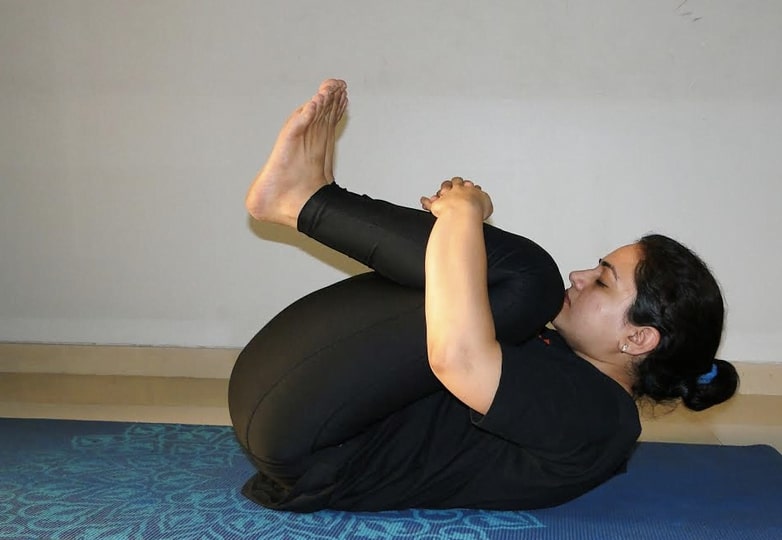
4.4. Release Joint Tension with Yin Yoga:Hold passive floor postures for 3 to 5 minutes to stretch deep connective fascia.
Settle into ground-based stretches like Butterfly or Dragon Pose, using props to relax muscles completely. Yin targets dense connective fascia, releasing deep pelvic and hip stiffness.
5.5. Awaken Mental Energy with Kundalini Yoga:Combine repetitive movement, seed mantras, and dynamic breathwork.
Engage in rapid breathwork (Breath of Fire), repetitive spinal waves (Kriyas), and chanting. Kundalini stimulates the nervous system and unleashes vital subtle life-force energy (Prana).
During an outdoor morning class near Besant Nagar beach, a runner struggling with tight hamstrings found fast-paced classes frustrating. By incorporating 20 minutes of static Yin posture holds into her weekly routine, her hamstring tissue lengthened safely, allowing her to return to dynamic flows without pain.
Comprehensive Benefits of the 5 Major Yoga Styles
Understanding the distinct advantages of the 5 major types of yoga and their benefits helps you build a well-rounded practice:
Physical Benefits Across Styles
- Improves Joint Mobility: Yin and Hatha styles nourish joint capsules and improve fascial sliding.
- May Support Cardiovascular Endurance: Vinyasa and Ashtanga flows elevate heart rate and improve stamina.
- Enhances Postural Alignment: Static Hatha holds strengthen deep core stabilizers along the spine.
Mental and Emotional Benefits
- Research Suggests Reduced Stress: Slow, breath-focused practices lower sympathetic nervous system arousal.
- Sharpens Mental Concentration: Ashtanga and Kundalini traditions train single-pointed focus and resilience.
- Many Practitioners Report Better Sleep Quality: Evening Yin and restorative practices stimulate melatonin release.
How Can Beginners Choose the Right Type of Yoga?
Beginners can choose the right type of yoga by starting with slow, alignment-focused Hatha or gentle Yin classes, assessing their personal fitness levels and joint health, avoiding intense Ashtanga or hot flows initially, and testing different styles with certified instructors to see what feels best.
The best yoga style is not the most physically challenging one; it is the style that leaves you feeling balanced, peaceful, and grounded.
Selecting your ideal style involves matching practice intensity with your personal physical readiness and daily energy levels.
Yoga Style Selection Decision Matrix
Use this WordPress-friendly comparison table to help readers identify a yoga style based on their experience level, fitness goals, and personal wellness preferences.
| Practitioner Goal / Profile | Primary Need | Recommended Yoga Style |
|---|---|---|
| Complete Beginner / Desk Worker | Learn basic postures, improve body awareness, and develop foundational strength | Hatha Yoga |
| Fitness Enthusiast / Athlete | Practise dynamic movement, build stamina, and improve movement coordination | Vinyasa Flow / Ashtanga Yoga |
| High-Stress Professional | Encourage relaxation, gentle stretching, and mental calm | Yin Yoga / Restorative Yoga |
| Spiritual Seeker / Meditation Practitioner | Explore breathwork, meditation, chanting, and self-awareness | Kundalini Yoga |
- Start with Hatha Fundamentals: Master basic alignment, posture names, and breath coordination before stepping into fast-paced flows.
- Honor Your Current Physical Limits: Avoid forcing deep hip or shoulder movements; use blocks and straps to support your body safely.
- Match Style to Daily Energy: Choose dynamic Vinyasa when feeling sluggish, and select gentle Yin when physically exhausted.
- Seek Guidance from Certified Teachers: Learn under Yoga Alliance or Ayush-certified instructors to ensure correct technique and injury prevention.
Common Misunderstandings About Yoga Styles
- Myth 1: Hatha yoga is just an easy, gentle stretching class for seniors.
- Fact: Classical Hatha includes challenging static holds, deep core engagement, and advanced breath control that build profound physical strength.
- Myth 2: Vinyasa flow is purely a cardio workout without spiritual depth.
- Fact: Moving fluidly with breath creates a moving meditation that calms mental chatter while strengthening the body.
- Myth 3: Yin yoga is too passive to provide real physical fitness benefits.
- Fact: Yin stretches deep connective fascia and joint ligaments that dynamic workouts never reach, preventing long-term joint stiffness.
- Myth 4: You must stick exclusively to one yoga style for life.
- Fact: Blending different styles based on seasonal changes, age, and personal stress levels creates a balanced, sustainable lifelong practice.
7 Practical Field Tips for Exploring Different Yoga Styles
Style Exploration Tips: A Practical Guide to Yoga Practice
Use these three stages to help readers prepare for yoga sessions, practise safely, and build a sustainable long-term routine.
1. Practice Preparation
- Research the style, pace, and physical demands before attending.
- Inform your instructor about injuries, mobility limitations, or relevant health concerns.
- Arrive around 10 minutes early to settle in and discuss modifications.
2. Session Execution
- Use blocks, straps, cushions, and other props to adapt poses comfortably.
- Stop or modify a pose if you experience sharp pain, dizziness, or unusual discomfort.
- Breathe smoothly and avoid forcing your breath or holding it unnecessarily.
3. Long-Term Integration
- Explore complementary styles according to your goals and comfort.
- Track how you feel after each session, including mood, energy, and physical comfort.
- Reassess your routine periodically as your schedule, goals, and abilities change.
- Try Each Style at Least Three Times: Give your body time to adapt to a new style’s rhythm before deciding if it suits you.
- Utilize Props Generously: Blocks, bolsters, and straps make every style accessible while protecting your joints.
- Never Push Into Joint Pain: Distinguish between beneficial muscular effort and sharp joint pinching; back off immediately if pain occurs.
- Combine Dynamic and Restorative Styles: Balance active Vinyasa sessions with quiet Yin practices to support tissue recovery.
- Pay Attention to Post-Practice Energy: Notice whether a session leaves you energized or depleted, adjusting your choices accordingly.
- Practice Outdoors in Natural Light: Outdoor environments enhance oxygen intake and deepen the nervous system benefits of every style.
- Maintain a Practice Log: Record how different posture styles affect your sleep, digestion, and mood to refine your routine.
Eager to establish a consistent health habit? Read our practical guide onWhy Is Yoga So Important for Daily Lifeto learn how short daily routines build lasting resilience.
Frequently Asked Questions
What are the 5 major types of yoga and their benefits?
The 5 major types are Hatha (alignment and balance), Vinyasa (cardiovascular fluid flow), Ashtanga (structured strength), Yin (deep fascial release), and Kundalini (energy awakening and mental focus).
Which type of yoga is best for complete beginners?
Hatha yoga is ideal for beginners because it moves at a manageable pace, focusing on basic posture alignment, breathing techniques, and foundational safety.
Which yoga style burns the most calories and builds strength?
Dynamic, high-intensity styles like Ashtanga and Vinyasa burn more calories and build muscular endurance through continuous movement.
How does Yin yoga differ from Hatha yoga?
Hatha focuses on active muscle engagement and posture alignment held for moderate durations, whereas Yin involves passive floor stretches held for 3 to 5 minutes to release deep connective fascia.
Can I practice different types of yoga on different days of the week?
Yes. Alternating active styles like Vinyasa with restorative styles like Yin or gentle Hatha creates a balanced routine that prevents overtraining.
What is the main focus of Kundalini yoga?
Kundalini yoga focuses on awakening subtle life-force energy (Prana) along the spine using repetitive physical movements (Kriyas), dynamic breathwork, and seed mantra chanting.
Is Ashtanga yoga safe for individuals with joint pain?
Ashtanga is an intense, athletic series that may aggravate joint issues; individuals with joint pain should opt for modified Hatha or therapeutic yoga.
Which yoga style is best for stress relief and anxiety?
Yin yoga and gentle Hatha are exceptionally effective for stress relief because slow, passive holds activate the parasympathetic “rest-and-digest” nervous system response.
Finding Your Natural Rhythm Across Yoga Traditions
Exploring the 5 major types of yoga and their benefits shows that yoga is a rich, adaptable system with a path for every body:
- Honor your physical needs: Select styles that support your current mobility, strength, and energy levels.
- Embrace variety: Blend dynamic flows with gentle restorative holds to foster comprehensive physical and mental balance.
- Seek expert guidance: Learn under experienced teachers who prioritize anatomical safety and authentic tradition.
By choosing the styles that resonate with your body, you build a sustainable foundation for lifelong vitality and calm focus.
Health Disclaimer: This content is for educational purposes only and is not a substitute for medical advice. Consult your doctor before starting any new exercise program.
Ready to explore different yoga styles with expert guidance? Discover our outdoor beach classes in Besant Nagar and ECR or join our live online programs across India at Outdoor Yoga Chennai. Begin your journey toward holistic strength and inner balance today.


Leave a Comment