
Table of Contents
What Is Corporate Yoga? The Complete Guide to Workplace Wellness, Desk Ergonomics, and Stress Reduction
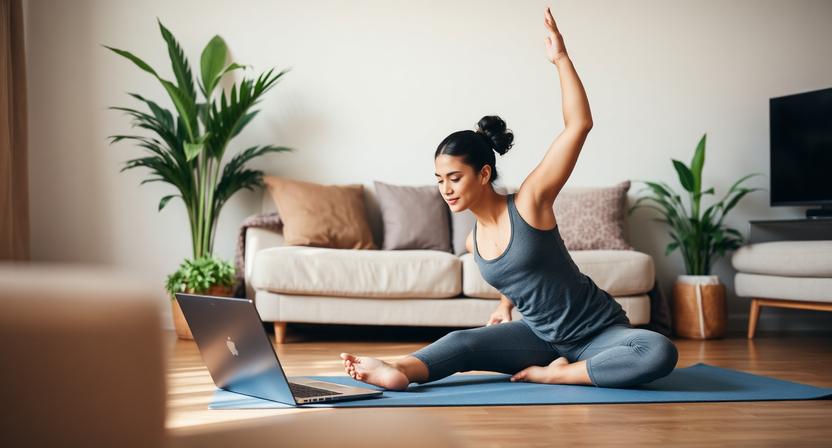
Modern workplace demands often force team members into long hours of sedentary desk work, tight project deadlines, and continuous screen exposure. People across corporate hubs frequently ask: what is corporate yoga, and how can it transform daily office health? Corporate yoga brings structured, accessible physical movement, breathwork, and mindfulness directly into professional work settings or virtual employee streams.
Throughout our ten years of leading specialized wellness programs across studio floors, corporate conference halls, and digital platforms, we see how desk fatigue drains team morale. Implementing targeted workplace sessions allows employees to counteract physical stiffness, protect their spines, and restore mental sharpness during the workday. When companies integrate live, expert-led wellness sessions into their organizational culture, they build a healthier, more resilient workforce. Let us examine how corporate yoga works, why it matters for modern teams, and how organizations can implement it smoothly.
What is corporate yoga and how does it function in modern workplaces?
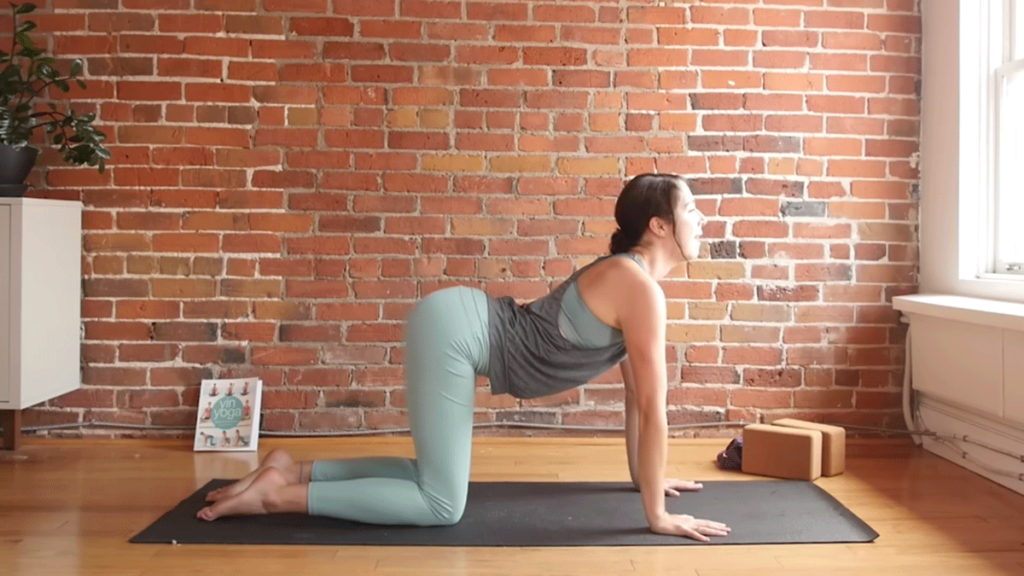
What is corporate yoga? It is an organized wellness program that delivers customized hatha yoga, desk-based movement, breathwork (pranayama), and stress-management techniques directly to employees in office spaces or live virtual environments. These tailored sessions reduce occupational physical strain, correct posture, and improve mental focus without interrupting busy work schedules.
       [ MODERN WORKPLACE FATIGUE CYCLE ]
                       │
                       ▼
       Sedentary Desk Hours & Screen Strain
                       │
                       ▼
  [Passive Coffee Breaks] vs [Structured Corporate Yoga]
                       │
                       ▼
    Restored Spinal Length & Sharp Mental Focus
In our corporate sessions across tech parks and office hubs, we design every sequence around the specific physical demands of desk-bound professionals. Sitting in ergonomic or standard office chairs for eight to ten hours a day deactivates deep stabilizing muscles and shortens hamstring tendons.
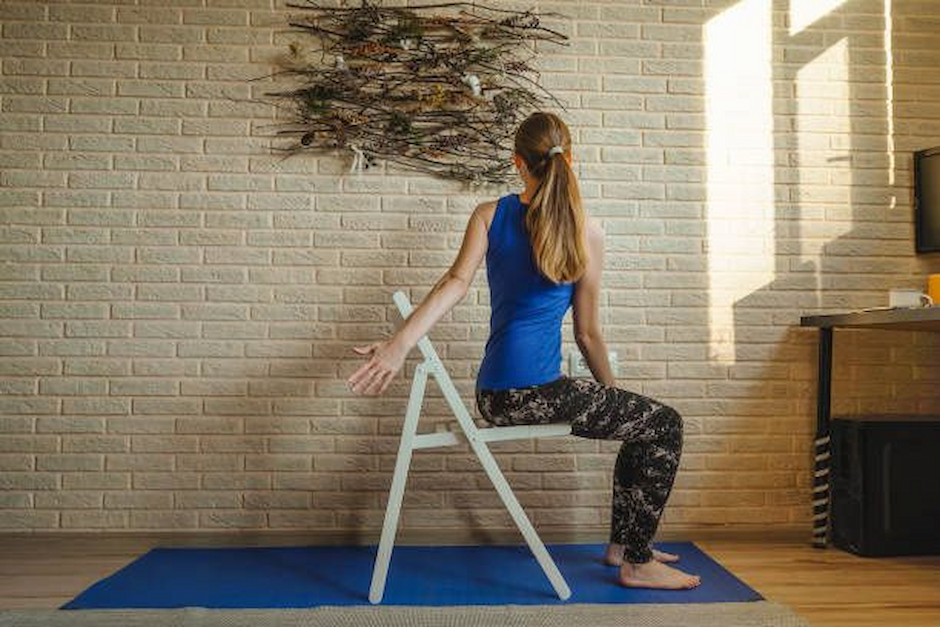
Our certified educators focus on practical micro-adjustments, teaching employees how to release neck tension and open tight thoracic muscles right at their desks. We adapt classic postures using chairs, office walls, and light props so every team member can participate safely regardless of fitness level. This practical approach transforms standard workplace breaks into powerful physical and mental reset points.
Why corporate wellness programs matter for modern employee health
Addressing daily workplace strain directly modifies how an employee’s nervous system handles corporate stress and tight deadlines. The Ministry of Ayush establishes clear national benchmarks for yoga education, emphasizing that workplace wellness initiatives play a vital role in preventing non-communicable lifestyle disorders. Their published literature suggests that integrating short, structured movement breaks into the workday may lower stress hormones, improve circulatory health, and reduce workplace absenteeism.
According to Outdoor Yoga Chennai, offering corporate yoga sessions helps companies lower employee postural fatigue by replacing passive sitting habits with active desk decompression methods. Our senior faculty members observe that incorporating twice-weekly guided breathing exercises helps corporate teams resolve chronic upper back tightness within weeks.
Furthermore, workplace health recommendations from the World Health Organization regularly highlight that physical activity programs at work significantly reduce physical strain and boost mental well-being. Providing structured, alignment-focused sessions shows genuine care for employee health while protecting team members from burnout.
How it works: A seven-step guide to executing corporate yoga sessions
Building an effective corporate wellness initiative requires a clear, logical structure that accommodates busy work calendars and varied physical abilities. Follow this field-tested framework to roll out a successful program for your organization:
- Assess workplace ergonomic needs: Survey employees to identify common pain points like lower back stiffness, wrist strain, or mental fatigue.
- Select the delivery format: Choose between on-site conference room sessions, live virtual streams, or hybrid wellness models.
- Establish a consistent schedule: Set fixed 30-to-45-minute slots during mid-morning or early evening hours that do not conflict with core meetings.
- Prepare accessible practice spaces: Clear a quiet conference hall for on-site mats, or ensure employees have space for chair-based virtual sessions.
- Integrate prop-supported modifications: Provide foam blocks or utilize sturdy office chairs to make every pose safe and accessible for all body types.
- Focus on somatic breath regulation: Teach equal-ratio nasal breathing to help employees calm their nervous system during high-pressure work days.
- Track health and engagement metrics: Gather monthly employee feedback on energy levels, focus, and physical comfort to refine the program.
       [ CORPORATE WELLNESS PIPELINE ]
                      │
                      ▼
       Assess Team Physical Pain Points
                      │
                      ▼
  [Unguided Desk Stretching] vs [Certified Instructor Flow]
                      │
                      ▼
       Protected Lumbar Spine & Reduced Burnout
Over a decade of leading wellness programs for diverse corporate teams, we have seen this systematic approach transform workplace culture. Our corporate partners report that providing guided movement breaks increases team collaboration and lowers afternoon energy slumps.
I remember working with a tech team lead who suffered from constant shoulder tension and tension headaches during major product launches. We introduced a twice-weekly corporate yoga flow focused on chest opening and neck decompression, allowing him to practice right beside his desk. Within three weeks, his headaches diminished, his posture improved, and his team adopted short breathing breaks before major presentations. Having a certified Yoga Alliance RYT instructor guide the team ensured everyone moved safely without risking joint strain.
Proven physical, mental, and organizational benefits of corporate yoga
Implementing a structured corporate yoga program yields clear, measurable advantages across three major operational dimensions:
Physical Strain Relief and Postural Correction
Targeted workplace sequences strengthen the weak upper back muscles that support proper spinal alignment while stretching tight chest and hip flexors. Peer-reviewed research suggests that regular workplace movement may reduce repetitive strain injuries (RSI), relieve lower back discomfort, and improve overall desk ergonomics.
         [ WORKPLACE RECOVERY ENGINE ]
                       │
                       ▼
       Identify Office Posture Issues
                       │
                       ▼
 [Generic Fitness Apps] vs [Targeted Corporate Hatha]
                       │
                       ▼
   Decompressed Spine & Extended Focus Span
Stress Reduction and Parasympathetic Activation
Pairing gentle physical holds with controlled nasal breathing stimulates the vagus nerve, balancing the body’s nervous system. This direct shift lowers circulating cortisol levels, reduces anxiety during tight deadlines, and helps employees sleep better after intense workdays.
Enhanced Productivity and Team Morale
Providing dedicated time for health and mindfulness builds a supportive, health-conscious workplace culture. Employees return to their tasks with renewed mental clarity, improved problem-solving ability, and a stronger sense of connection with their colleagues.
How can HR teams and beginners approach corporate yoga safely?
How should an organization start implementing corporate yoga for beginners?
Organizations can begin implementing corporate yoga by scheduling 30-minute introductory chair or light hatha sessions once or twice a week. These gentle sessions require no prior experience or special workout clothes, making it easy for all employees to participate comfortably.
       [ HR IMPLEMENTATION METRIC ]
                    │
                    ▼
       Verify Certified Instructor Credentials
                    │
                    ▼
  [Ad-hoc Uncertified Classes] vs [Accredited YCB/RYT Programs]
                    │
                    ▼
       Maximum Joint Safety & High Engagement
When launching a new program, HR leaders should emphasize that corporate yoga is an inclusive, non-competitive wellness initiative. Employees do not need flexible bodies or athletic backgrounds to join and benefit from the sessions.
To ensure maximum participation and safety, follow three basic guidelines. First, hire certified instructors with recognized credentials, such as Ministry of Ayush YCB or Yoga Alliance certifications. Second, start with accessible formats like chair yoga or gentle standing flows that allow employees to participate in comfortable work attire. Third, gather regular feedback from participants to adjust session times, pacing, and difficulty levels as the team progresses.
Common misunderstandings about corporate yoga programs
- “Corporate yoga requires employees to change into specialized workout clothes:” Most corporate sessions utilize chair-based movements and standing stretches that employees can perform easily in standard business attire.
- “Workplace wellness sessions take too much time away from daily productivity:” A focused 20-to-30-minute mid-day practice actually restores mental clarity, helping employees work more efficiently afterward.
- “Corporate yoga is only suitable for young, flexible employees:” Certified instructors adapt every movement using chairs and props, making the practice safe and beneficial for employees of all ages and physical abilities.

Practical field tips for optimizing corporate wellness sessions
- Schedule sessions during natural energy dips: Plan classes for mid-morning or 3:00 PM to help employees overcome afternoon fatigue.
- Encourage management participation: When team leaders join wellness classes, it signals to all employees that taking care of their health is valued.
- Keep water available in session areas: Encourage employees to hydrate after class to support cellular recovery and muscle function.
- Provide gentle reminders before sessions: Send short digital reminders 15 minutes prior to class so employees can wrap up urgent tasks.
- Utilize sturdy chairs for office sessions: Ensure office chairs are stable and non-rolling when conducting chair-based stretches.
- Focus on neck and wrist relief during heavy desk weeks: Tailor class content to match project intensity, focusing on wrist and neck relief during deadlines.
- End every class with a short mindfulness rest: Allocate three to five minutes at the end of session for silent breathing to lock in mental clarity.
Comparative Matrix: On-Site vs. Virtual Corporate Yoga
| Feature | On-Site Corporate Yoga | Live Virtual Corporate Yoga |
| Best Environment | Company conference halls & quiet rooms | Remote work setups & distributed teams |
| Equipment Needed | Standard mats or sturdy office chairs | Basic mat, chair, and laptop camera |
| Team Interaction | Direct, face-to-face team bonding | Convenient across multiple time zones |
| Scheduling Flexibility | Fixed on-site class hours | Highly flexible slots for remote shifts |
| Physical Correction | Direct visual and verbal alignment | Precise screen-based visual adjustments |
FAQs
1. What is corporate yoga and how does it differ from standard studio yoga?
Corporate yoga is specifically adapted for office environments, focusing on desk posture relief, stress management, and accessible stretches that employees can perform in work attire.
2. How long does a typical corporate yoga session last during the workday?
Most workplace sessions run between 30 and 45 minutes, making them easy to fit into lunch breaks or mid-day wellness hours without disrupting work productivity.
3. Do employees need prior yoga experience to participate in corporate wellness classes?
No prior experience is necessary; certified instructors design sessions with clear variations so complete beginners and experienced practitioners can participate safely together.
4. What equipment is required to start an on-site corporate yoga program?
Many sessions require only sturdy office chairs; for mat-based classes, employees or companies can provide standard non-slip yoga mats and basic foam blocks.
5. How does corporate yoga help reduce workplace stress and employee burnout?
Guided breathwork and mindful movement stimulate the vagal nerve, lowering cortisol levels, calming the nervous system, and restoring mental clarity during high-pressure work periods.
6. Can corporate yoga programs be conducted virtually for remote and hybrid teams?
Yes, live-monitored virtual sessions allow distributed teams across different cities to practice together, receive real-time feedback, and build a shared wellness culture.
7. How can HR teams measure the success of a corporate yoga initiative?
HR teams can track success through employee participation rates, regular health feedback surveys, reduced sick leave, and self-reported energy and focus levels.
8. What attire should employees wear for workplace yoga sessions?
For chair and light hatha yoga, regular comfortable business attire is fine; for active floor classes, loose flexible clothing or sportswear is recommended.
Building Healthy, Resilient, and Centered Professional Teams
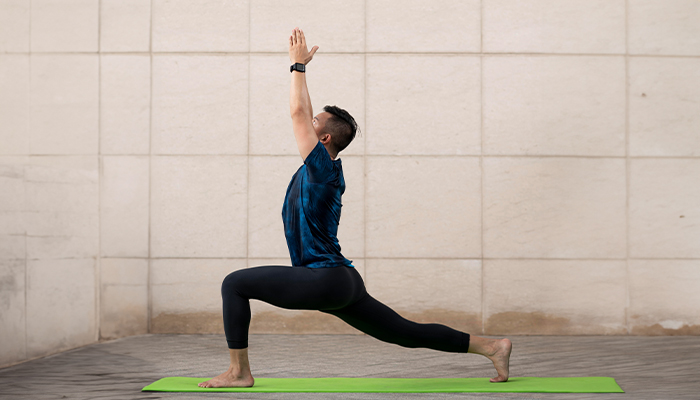
Investing in employee well-being through structured workplace movement builds a healthier, more engaged workforce. Understanding what is corporate yoga enables organizations to implement wellness programs that directly address desk strain, mental exhaustion, and burnout. By providing expert-led, accessible practices, companies create a positive work environment where employees feel valued and supported.
Outdoor Yoga Chennai stands out as a trusted authority in wellness education, offering outstanding outdoor sessions alongside structured corporate and virtual training programs. We encourage organizations to move past passive wellness benefits and discover the transformative power of live, guided yoga practices. Reach out to certified wellness educators today to explore customized corporate options and take a confident step toward a healthier workplace.



Leave a Comment