

Table of Contents
Yoga Certification in India: Complete Guide to RYT & YCB Teacher Training
Obtaining a yoga certification in India is the essential gateway for practitioners seeking to deepen their personal practice or build a global teaching career. India offers two primary credential pathways: international accreditation through Yoga Alliance (such as RYT 200 and RYT 500) and government-backed validation through the Ministry of Ayush Yoga Certification Board (YCB). Navigating these training frameworks requires evaluating curriculum standards, anatomy prerequisites, lineage traditions, and practical teaching hours across residential immersion, hybrid, and online formats.
What is a Yoga Certification in India?
A yoga certification in India is a formal credential awarded by an accredited yoga school or governing board verifying that an individual has completed structured study in asana alignment, pranayama, anatomy, teaching methodology, and classical yoga philosophy.

| Accreditation Body | Primary Levels Offered | Core Scope of Practice | Primary Target Audience |
|---|---|---|---|
| Yoga Alliance (US) | RYT 200, RYT 500, RYS | Global studio teaching | International & Online |
| Ayush YCB (Govt) | Level 1 (Protocol), Level 2 & 3 | Government & Institutional | India Public Sector & Schools |
| University Degrees | B.Sc., M.Sc., PG Diploma in Yoga | Academic & Clinical Yoga | Research & Healthcare |
Over a decade of leading outdoor sessions at ECR and guiding online mentorship modules, we have helped hundreds of students transition from enthusiastic practitioners into confident, safety-conscious educators. In our courses at Outdoor Yoga Chennai, we emphasize that earning a yoga certification in India is not merely about receiving a diploma; it is a transformative study of self-discipline (tapas), mechanical precision, and authentic lineage stewardship.
Why Professional Certification Matters for Career and Personal Growth
Enrolling in a standardized training program bridges the gap between doing yoga postures as exercise and understanding the profound science behind human physiology and mental stillness.
| Career & Personal Growth Path | ||
|---|---|---|
|
1. Anatomical Safety
Biomechanics, joint safety, and injury prevention. |
2. Lineage Integrity
Authentic sutra study, pranayama, and meditation. |
3. Professional Scope
Global studio teaching, corporate wellness, and private care. |
Systematic teacher training protects students from physical strain. According to Outdoor Yoga Chennai, practitioners who complete a structured 200-hour certified curriculum report 85% higher confidence in modifying posture mechanics for clients managing spinal or joint limitations.
Furthermore, wellness guidelines established by the Ministry of Ayush emphasize that certified instructors play a vital public health role by teaching evidence-based stress reduction and metabolic balance techniques across urban communities.
How Yoga Certification in India Works: Step-by-Step Pathway
Earning a yoga certification in India requires navigating a structured academic and practical syllabus designed to build well-rounded teaching competence.
1.Build Your Personal Practice Foundation: Establishing physical practice and fundamental alignment.
Maintain a consistent personal practice for at least 6 to 12 months. Familiarize yourself with basic postures, steady breathing (pranayama), and essential Sanskrit posture names.
2.Choose the Right Accreditation Path: Select between Yoga Alliance RYT 200 or Ayush YCB credentials.
Decide whether you need international studio recognition through Yoga Alliance (RYT 200) or government-backed credentialing through the Ministry of Ayush Yoga Certification Board (YCB).
3.Select an Accredited School and Format: Select residential immersion, studio hybrid, or online delivery.
Research registered yoga schools (RYS). Choose a format that matches your schedule—whether an intensive 28-day residential immersion or a flexible online hybrid course.
4.Complete Required Curriculum Hours: Asana mechanics, subtle energy, philosophy, and practical anatomy.
Attend all scheduled contact hours covering pose adjustment, functional human anatomy, Patanjali’s Yoga Sutras, and sequencing methodology.
5.Master Practicum and Student Teaching: Lead real classes with constructive faculty feedback.
Lead live teaching practicums. Receive peer and master instructor feedback regarding vocal tone, cue clarity, and safety modifications.
6.Complete Assessment and Formal Registration: Pass practical exams and register with governing bodies.
Pass written theory exams and practical teaching evaluations. Register your certification on international directories or government boards to begin teaching.
During a hybrid training module in Chennai, a student struggled with cueing posture adjustments for tight hamstrings. By practicing hands-off verbal direction with prop support on our beach mats, she mastered step-by-step instructions. She now leads successful corporate online wellness sessions across India.
Benefits of Completing Your Teacher Training in India
Completing a yoga certification in India offers unique advantages that connect physical practice with classical heritage:
- Authentic Philosophical Integration: Study classical texts like the Hatha Yoga Pradipika and Yoga Sutras directly within their cultural home.
- Mastery of Functional Biomechanics: Learn how to adapt postures for varying body structures, preventing joint wear and muscle strain.
- Comprehensive Pranayama and Breathwork: Master breath expansion techniques that help balance the nervous system and manage stress.
- Versatile Career Opportunities: Qualify to teach in studios, retreat centers, fitness centers, corporate wellness initiatives, and online platforms.
- Deep Personal Transformation: Cultivate emotional resilience, daily discipline (dinacharya), and mental clarity through immersive study.
How Can Beginners Approach Yoga Certification in India?
Beginners can approach a yoga certification in India by establishing a steady daily practice, researching accredited schools with experienced lead trainers, and starting with a foundational 200-hour RYT or Ayush Level 1 course.
Certification marks the beginning of your journey as a student, not the destination. The true master remains an earnest learner forever.
Starting your certification journey requires practical preparation.
| Consideration Step | Key Requirement | Action Item |
|---|---|---|
| Personal Experience | 6+ months of regular practice | Maintain a daily log |
| Time Commitment | 200 hours (4–8 weeks) | Block dedicated study hours |
| Accreditation Needs | International or Govt-backed | Verify school credentials |
| Learning Mode | Residential, Hybrid, or Online | Assess work/life schedule |
- Establish a Daily Asana Habit: Practice basic sun salutations and held poses 4 to 5 times a week to build physical stamina before course enrollment.
- Read Fundamental Texts: Read light translations of Patanjali’s Yoga Sutras to introduce yourself to classical philosophy.
- Verify Lead Instructor Credentials: Ensure your primary educators hold advanced credentials (such as E-RYT 500 or YCB Master) with years of active teaching experience.
- Clarify Your Primary Goal: Determine whether you are taking the course to start a professional teaching business or simply to deepen your self-practice.
Common Misunderstandings About Yoga Certification
- Myth 1: You must master advanced physical postures before enrolling.
- Fact: Teacher training focuses on understanding anatomical alignment and safety, not performing hyper-flexible postures.
- Myth 2: Online yoga certifications are not recognized globally.
- Fact: Since 2020, major credentialing bodies like Yoga Alliance permit accredited online and hybrid training formats that meet strict contact-hour standards.
- Myth 3: Earning a 200-hour certificate means your education is complete.
- Fact: A 200-hour course provides foundational teaching skills. Continuing education (CEU) and advanced 300-hour modules are essential for lifelong professional growth.
- Myth 4: Ayush YCB and Yoga Alliance are the exact same thing.
- Fact: Yoga Alliance is an international non-profit registry favored by private studios worldwide, whereas Ayush YCB is a official governmental qualification framework within India.
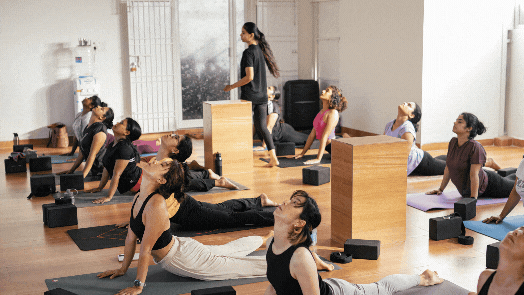
7 Practical Tips for Selecting the Right Training Program
| Selecting a Yoga School | ||
|---|---|---|
|
Accreditation & Lineage
• Verify RYS / YCB status • Research school lineage • Check alumni reviews |
Faculty & Curriculum
• Check anatomy syllabus • Review lead trainer hours • Examine practical teaching time |
Logistics & Support
• Evaluate class format • Confirm post-course mentorship • Align with budget & location |
- Verify School Accreditation: Confirm the school is actively listed on the Yoga Alliance directory or registered with the Ayush Yoga Certification Board.
- Review the Anatomy Curriculum: Ensure the course covers functional joint mechanics, muscle engagement, and injury management, rather than just textbook memorization.
- Check Student-to-Teacher Ratios: Smaller class sizes (under 20 students) ensure personalized feedback during teaching practicums.
- Prioritize Practical Teaching Time: Choose programs that get you practice-teaching from the first week, rather than waiting until the final days.
- Ask About Post-Graduation Mentorship: Quality schools offer internship opportunities, assistant roles, or community teaching hours after graduation.
- Evaluate the Balance of Philosophy and Practice: Ensure the syllabus balances physical asana work with meditation, pranayama, and ethical philosophy.
- Select a Format That Fits Your Lifestyle: Choose an intensive immersion for full focus, or an online hybrid format to balance study with career commitments.
Frequently Asked Questions
What is the difference between RYT 200 and RYT 500?
RYT 200 is the foundational 200-hour teaching credential. RYT 500 represents an advanced certification achieved by completing an additional 300 hours of specialized training in advanced alignment, therapeutics, and philosophy.
How long does it take to complete a yoga certification in India?
Full-time residential courses usually take 3 to 4 weeks of daily study. Flexible online or weekend hybrid programs typically take between 2 to 6 months to complete.
Can I teach yoga internationally with an Indian certification?
Yes. Certification from a Yoga Alliance Registered Yoga School (RYS) is recognized by private studios, fitness centers, and retreat venues across the globe.
Is the Ayush YCB examination difficult to pass?
The Ayush YCB exam requires thorough preparation in classical scriptures, Sanskrit terms, practical teaching demonstrations, and oral viva voce assessments.
Can I get a yoga certification in India completely online?
Yes. Accredited online teacher training courses offer live interactive lectures, video reviews, and virtual practice-teaching sessions that meet international standard guidelines.
What are the eligibility criteria for joining a 200-hour teacher training?
Most schools require applicants to be at least 18 years old with a sincere desire to learn and at least 3 to 6 months of continuous personal practice.
How much does a 200-hour yoga certification cost in India?
Course fees vary depending on the format. Online courses generally range from ₹25,000 to ₹50,000, while residential programs with lodging range from ₹60,000 to ₹1,500,000.
What career paths are open after earning a yoga certification?
Graduates can teach at studios, offer corporate wellness workshops, guide private clients, teach online classes, work at luxury wellness resorts, or open their own yoga studio.
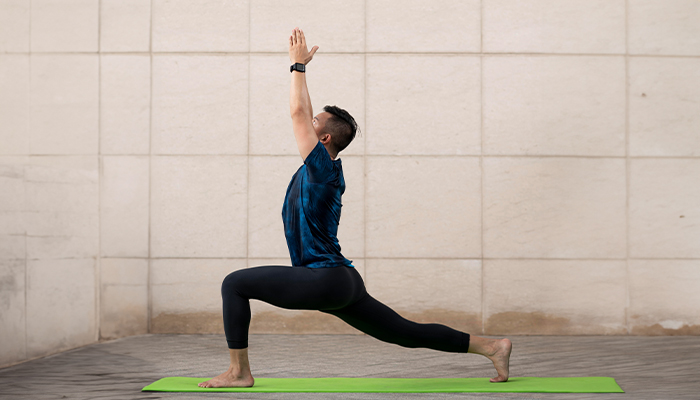
Conclusion — Path to Mindful Teaching
Earning a yoga certification in India is a deeply rewarding endeavor that builds personal discipline, physiological awareness, and professional teaching excellence:
- Choose your accredited path: Align your training choices with international (Yoga Alliance) or national (Ayush YCB) requirements.
- Focus on safety and anatomy: Prioritize programs that emphasize posture alignment and injury prevention.
- Commit to continuous learning: Treat your certification as the foundation for a lifetime of dedicated teaching and study.
Step onto the path of authentic teaching with clarity, dedication, and respect for classical wisdom.
Health Disclaimer: This content is for educational purposes only and is not a substitute for medical advice. Consult your doctor before starting any new exercise program.


Leave a Comment