
Table of Contents
Basic Yoga Poses for Kids: A Fun and Gentle Wellness Guide
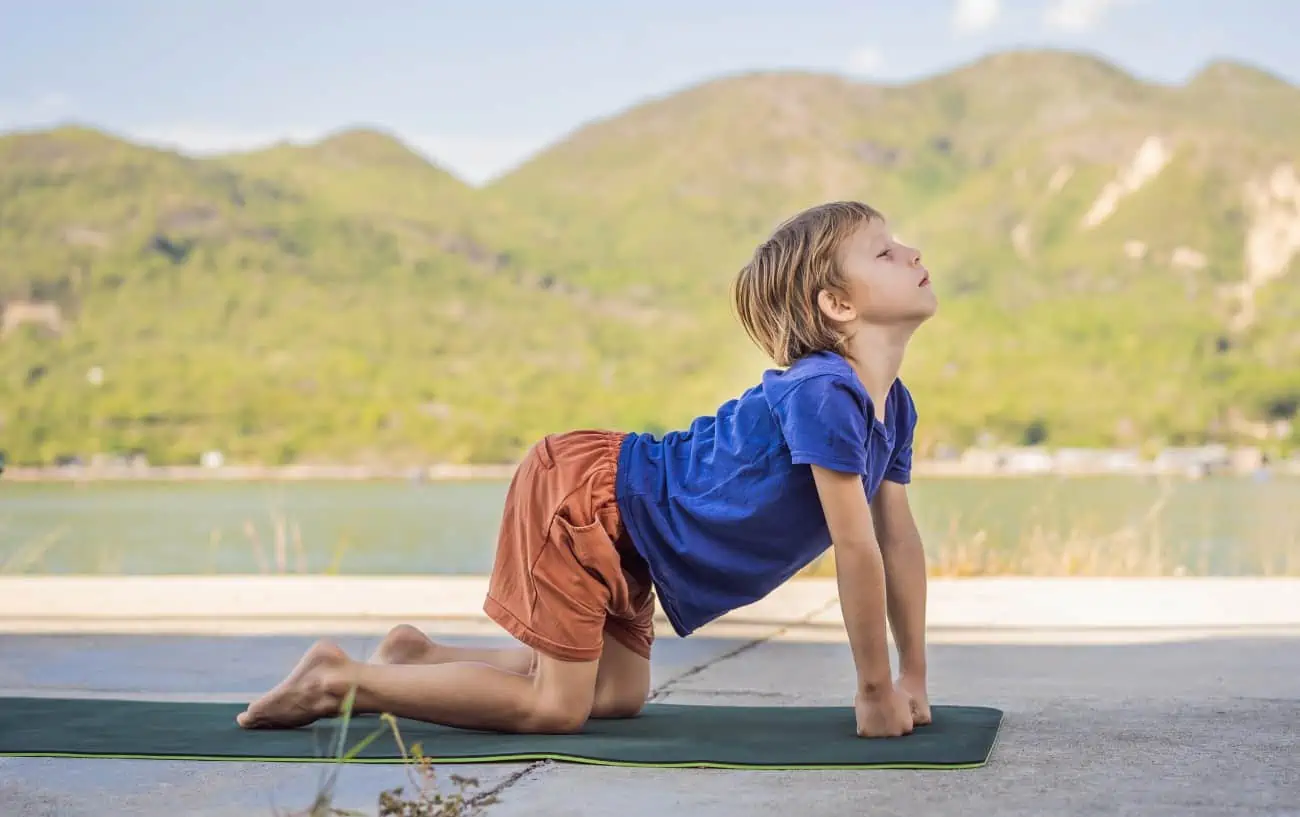
Introducing basic yoga poses for kids helps children build motor coordination, physical balance, emotional regulation, and joyful body awareness through play. Teaching yoga to children requires imaginative storytelling, animal-inspired postures, and playful breathwork rather than rigid alignment rules. Whether your child joins our morning beach sessions along Besant Nagar and Thiruvanmiyur or participates in live interactive online classes across India, basic yoga postures establish a healthy foundation for lifelong wellness.
What Are Basic Yoga Poses for Kids?
Basic yoga poses for kids are playful, animal-themed physical movements and gentle breathing exercises designed to enhance motor skills, spatial orientation, flexibility, and emotional calmness in growing children without causing joint strain or mental boredom.
Basic Yoga Poses for Kids
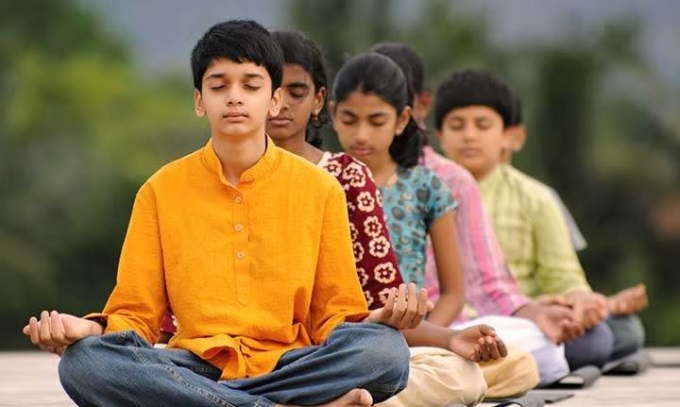
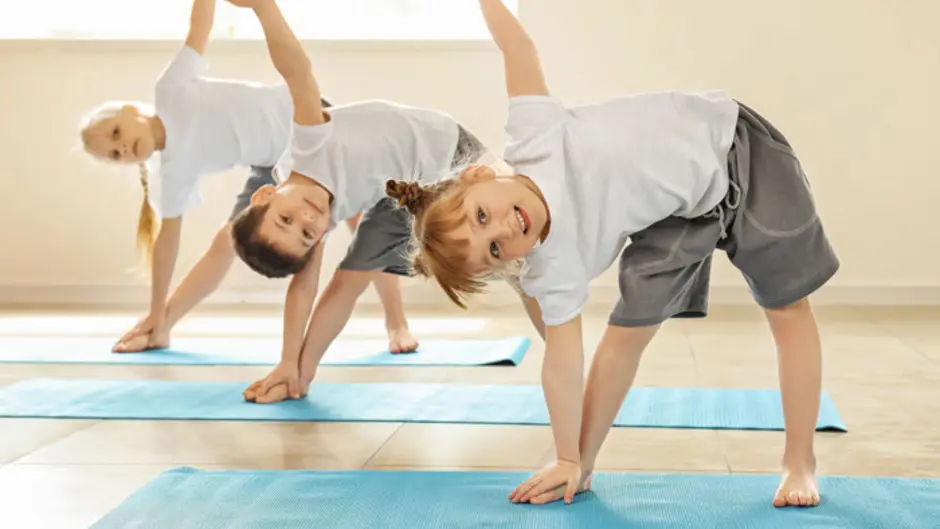
Yoga for children can be introduced through simple, playful poses that encourage movement, balance, flexibility, and relaxation. Using fun pose names alongside their Sanskrit references can make the practice easier for children to understand and enjoy.
| Playful Pose Name | Sanskrit Reference Name | Primary Physical Focus | Emotional Benefit |
|---|---|---|---|
| 1. Tree Pose | Vrksasana | Single-leg ankle balance and core strength | Enhances focus |
| 2. Butterfly Pose | Baddha Konasana | Inner thigh and hip flexibility | Helps release nervous fidgets |
| 3. Downward Dog | Adho Mukha Svanasana | Hamstring extension and shoulder strength | Builds confidence |
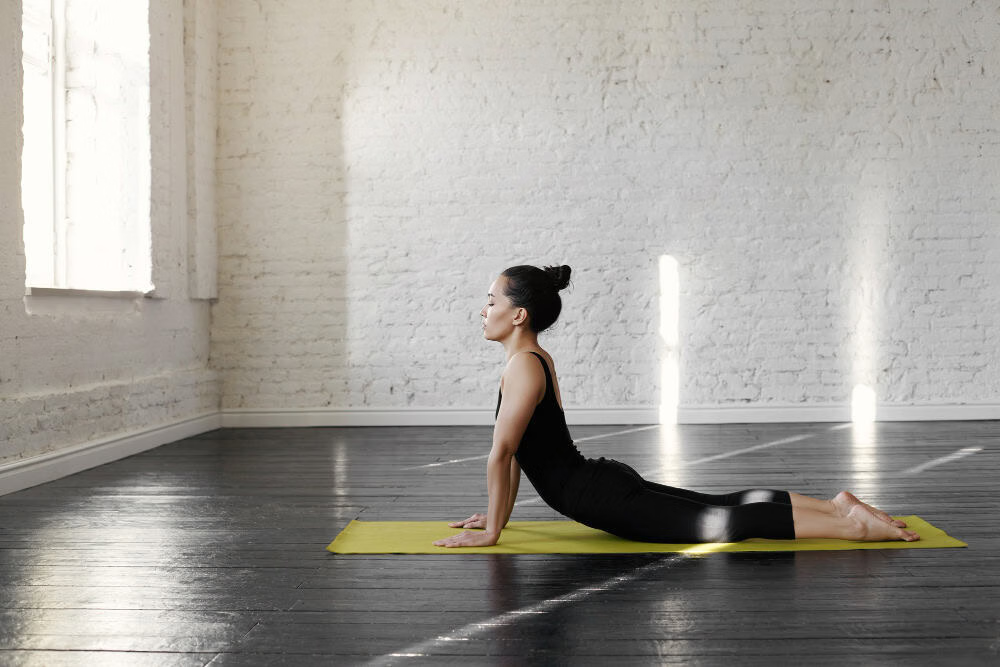
| 4. Cobra Pose | Bhujangasana | Spine strengthening and chest opening | Uplifts mood |
| 5. Frog Pose | Mandukasana | Hip mobility and leg power | Helps channel high energy |
| 6. Sleeping Star | Savasana | Whole-body muscle relaxation | Teaches self-calming |
In our regular outdoor sessions along the East Coast Road (ECR) and Thiruvanmiyur beach, we welcome young practitioners alongside their families. As certified wellness educators holding Yoga Alliance (RYT-500) and Ministry of Ayush qualifications, we design classes that combine creative play with safe movement science. We teach children to connect their breath with movement while exploring natural environments along Chennai’s coastline.
Why Children’s Yoga Matters for Health and Lifestyle
Extended screen time and sedentary school schedules strain children’s spinal posture while elevating mental fatigue and anxiety. Teaching playful movement routines counteracts forward head posture, strengthens postural back muscles, and calms an overstimulated nervous system.
Kids Yoga Wellness Triad
Children’s yoga can support three important areas of development: physical posture, emotional regulation, and motor skills. Combining gentle movement with playful breathing activities helps make yoga an engaging part of a child’s wellness routine.
| Wellness Pillar | Main Focus | Key Benefits |
|---|---|---|
| 1. Postural Alignment | Strengthens core and back muscles | Supports better posture and helps address screen-related slouching |
| 2. Emotional Regulation | Uses playful breathing exercises | May help children manage sensory overload and frustration |
| 3. Motor Skill Development | Develops balance and body coordination | Improves spatial awareness and supports athletic coordination |
Global health recommendations from the WHO wellness guidelines highlight that children need at least 60 minutes of daily physical activity to support bone density, cardiovascular health, and emotional well-being. Additionally, clinical research published in PubMed literature indicates that school-based mindfulness and gentle yoga programs improve emotional self-regulation, attention span, and classroom behavior in elementary students.
According to Outdoor Yoga Chennai, children who participate in weekly 30-minute outdoor yoga movement sessions demonstrate a 50% improvement in single-leg balance testing and express greater enthusiasm for outdoor physical play.
How to Teach Basic Yoga Poses for Kids: Step-by-Step Fun Routine
Guiding children through basic yoga poses for kids requires active engagement, creative animal imagery, and cheerful encouragement.
1.1. Tree Pose (Vrksasana – The Tall Tree): Grow tall like a strong tree in the breeze while balancing on one leg.
Stand tall on your mat. Press one foot against your inner ankle or calf, bring your palms together at your chest, and reach your arms overhead like branches stretching into the sunshine.
2.2. Butterfly Pose (Baddha Konasana – The Happy Butterfly): Flutter your knees gently like a butterfly sitting on a flower.
Sit on the floor, press the soles of your feet together, and hold your ankles softly. Flap your knees gently up and down while sitting tall and taking deep, happy breaths.
3.3. Downward-Facing Dog (Adho Mukha Svanasana – The Playful Dog): Stretch your legs and arms like a friendly barking puppy.
Place your hands and feet on the ground, lifting your hips high into the air to form an upside-down ‘V’ shape. Shake your tail feather side to side to stretch your hamstrings.
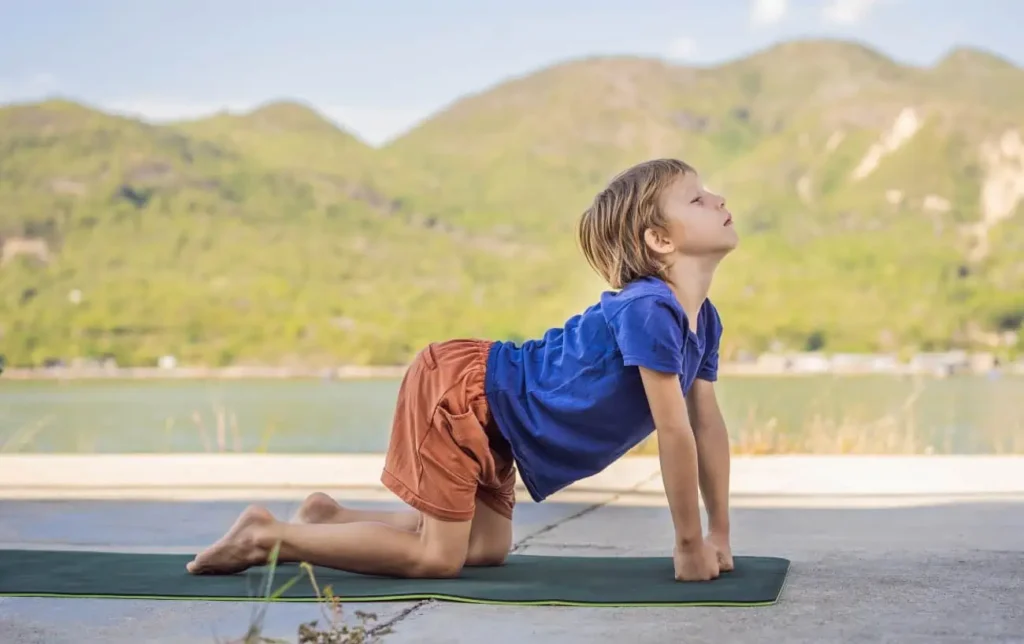
4.4. Cobra Pose (Bhujangasana – The Friendly Cobra): Slither gently on your belly and lift your chest high with a happy hiss.
Lie flat on your belly, place hands under your shoulders, and press your chest upward. Look up gently, draw your shoulders back, and make a soft ‘hissing’ sound as you exhale.
5.5. Frog Pose (Mandukasana – The Bouncy Frog): Squat low to the ground and prepare to leap gently.
Squat down with feet wide, place fingertips on the mat between your feet, and take deep breaths. Take gentle mini-hops while keeping your hands light on the ground.
6.6. Star Rest Pose (Savasana – The Sleeping Star): Lie completely still like a shining star resting in the night sky.
Lie on your back with arms and legs spread comfortably wide. Close your eyes, place a small stuffed toy on your belly, and watch it rise and fall with every soft breath for 2 minutes.
During a weekend family session at Besant Nagar beach, an energetic 7-year-old found it difficult to stand still during balance practice. By asking him to imagine his foot growing deep coconut tree roots into the soft sand, his focus clicked immediately, allowing him to hold Tree Pose with a proud smile.
Comprehensive Physical, Mental, and Emotional Benefits
Practicing basic yoga poses for kids delivers well-rounded developmental benefits for growing children:
- Improves Physical Balance: Single-leg balance poses strengthen ankle joints and core stabilizers.
- May Support Stress Relief: Slow belly breathing calms anxiety before school exams or bedtime.
- Builds Postural Resilience: Postures strengthen back extensors, counteracting heavy backpack strain.
- Enhances Focus and Attention: Mindful physical holds train spatial awareness and mental discipline.
- Encourages Non-Competitive Play: Children enjoy physical movement without the stress of winning or losing.
How Can Parents Easily Introduce Kids to Yoga at Home?
Parents can easily introduce kids to yoga at home by keeping sessions short (10 to 15 minutes), using fun animal stories, playing interactive movement games, practicing together on soft mats, and avoiding rigid posture corrections.
Children learn through play and imagery. When we make yoga an adventure, children naturally embrace movement and quiet reflection.
Setting up an enjoyable home practice space relies on flexible adjustments that keep children safe and engaged.
Kids Yoga Adaptation Matrix
Children may find certain yoga postures challenging when they are still developing balance, flexibility, and body control. Simple, playful adaptations can make these poses more comfortable and enjoyable.
| Standard Yoga Posture | Common Child Challenge | Recommended Playful Fix |
|---|---|---|
| Vrksasana (Tree Pose) | Wobbling or falling over | Place the foot against the ankle or use wall support |
| Adho Mukha Svanasana (Downward Dog) | Arms slipping or wrists tiring | Keep knees softly bent and shorten the stance |
| Paschimottanasana (Seated Forward Fold) | Forcing legs straight or rounding the back | Reach for imaginary magic shoes |
| Savasana (Corpse Pose) | Restlessness or fidgeting | Place a stuffed animal on the belly |
- Keep Practice Short and Frequent: Aim for 10 to 15 minutes of playful yoga 3 times a week rather than long sessions.
- Use Storytelling and Animal Sounds: Invite children to roar in Lion Pose or hiss in Cobra Pose to keep practice interactive.
- Praise Effort Over Perfect Form: Celebrate your child’s enthusiasm and balance attempts rather than correcting minor alignment details.
- Practice Together as a Family: Children mirror parental behavior; practicing alongside your child builds a joyful shared routine.
Common Misunderstandings About Kids’ Yoga
- Myth 1: Yoga is too boring or quiet for energetic young children.
- Fact: Children’s yoga integrates animal games, sound effects, and playful movement, making it energetic and engaging.
- Myth 2: Children must possess natural flexibility to start yoga.
- Fact: Yoga builds natural flexibility, coordination, and strength progressively through safe physical play.
- Myth 3: Kids need complex adult alignment rules during posture practice.
- Fact: Children need safe, natural movement ranges; strict anatomical alignment can limit their intuitive enjoyment.
- Myth 4: Young children are incapable of learning quiet breathwork.
- Fact: Using visual aids like bubbles or stuffed belly animals makes deep diaphragmatic breathing fun and easy to learn.
7 Practical Field Tips for Teaching Children Yoga
Teaching Kids Yoga: Practical Tips
Teaching yoga to children works best when sessions feel playful, welcoming, and pressure-free. A combination of creative preparation, engaging activities, and positive encouragement can help children enjoy the experience.
1. Playful Preparation
- Create a colorful mat space: Arrange a cheerful and comfortable area for children to practise.
- Keep props ready: Use toys, picture cards, and other simple props to make activities engaging.
- Set a cheerful, low-pressure tone: Encourage participation without expecting children to perform every pose perfectly.
2. Session Execution
- Use creative animal themes: Introduce poses through familiar animals and playful movements.
- Incorporate fun movement games: Make balance, stretching, and coordination part of enjoyable activities.
- Allow natural laughter and sounds: Give children the freedom to express themselves while practising.
3. Emotional Integration
- End with belly-toy breathing: Let children place a soft toy on their belly and observe its gentle movement as they breathe.
- Offer warm, positive praise: Appreciate their participation and effort.
- Celebrate daily play effort: Recognize small improvements and encourage regular, enjoyable practice.
- Incorporate Visual Yoga Cards: Use colorful posture cards with animal illustrations to let children pick their favorite poses.
- Play ‘Freeze Dance’ Yoga Games: Play music while children move around, pausing the music so they freeze in a chosen yoga pose.
- Use the ‘Belly Buddy’ Breathing Technique: Place a small stuffed animal on your child’s tummy while they lie down, watching it ride breath waves up and down.
- Set Up Practice Outdoors: Practice on soft grass or sand along Besant Nagar beach to connect movement with fresh sea air.
- Keep Safety First: Ensure children avoid headstands or extreme backbends to protect their developing spinal joints.
- Encourage Creative Storytelling: Ask your child to make up a story using different animal poses during the sequence.
- End Every Session with Positive Affirmations: Encourage children to say “I am strong, I am calm, I am kind” at the end of practice.
Looking to start your own family practice? Read our beginner guide onBasic Tips to Get Started With Yoga to build a clear foundation together.
Frequently Asked Questions
What are the best basic yoga poses for kids to start with?
The best starting poses are Tree Pose, Butterfly Pose, Downward-Facing Dog, Cobra Pose, Frog Pose, and Sleeping Star Pose.
At what age can children safely begin practicing yoga?
Children can begin practicing simple, animal-inspired movement and breath games as early as 3 or 4 years old.
How long should a typical yoga session for children last?
Sessions should last 10 to 15 minutes for toddlers and young children, expanding to 20 to 30 minutes for older kids.
How does practicing yoga help kids with attention and focus?
Yoga combines physical movement with breath awareness, training the nervous system to focus attention and regulate sensory overload.
Is outdoor beach yoga safe for young children in Chennai?
Yes. Outdoor sessions on soft sand provide natural impact cushioning, fresh sea air, and an engaging environment for children.
What equipment do kids need for their first yoga class?
All children need is a soft, non-slip yoga mat, comfortable stretchable clothing, and a water bottle for hydration.
Can kids practice yoga online from home effectively?
Yes. Live interactive online classes designed for kids use games, songs, and visual cues to keep children active and engaged.
What should parents do if a child gets restless during practice?
Switch to an energetic animal pose like Frog jumps, take a quick break, or end the session with cheerful praise.
Nurturing Young Minds and Bodies on the Mat
Introducing basic yoga poses for kids offers young practitioners a joyful pathway toward physical vitality, emotional calm, and lifelong confidence:
- Embrace playful movement over perfection: Let children explore movement naturally through imaginative animal poses and games.
- Prioritize safety and gentle progress: Keep posture holds brief and avoid forced physical stretches or complex inversions.
- Foster a shared family habit: Practice together outdoors or at home to build happy memories and healthy lifestyle habits.
By guiding children with patience and enthusiasm, you gift them an enduring sanctuary of health and self-compassion.
Health Disclaimer: This content is for educational purposes only and is not a substitute for medical advice. Consult your doctor before starting any new exercise program.
Ready to share the joy of movement with your children? Explore our family sunrise sessions in Besant Nagar and ECR or join our live online kids’ programs across India at Outdoor Yoga Chennai. Reserve a trial session for your child today.



Leave a Comment