
Table of Contents
Which Yoga is Best for Mind Control? Practices for Focus and Calm
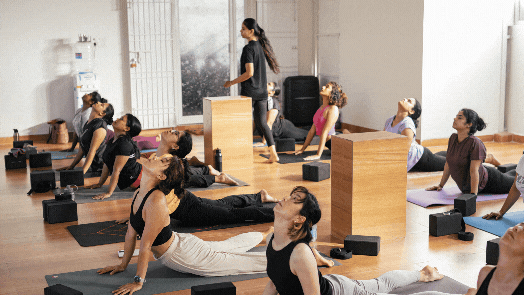
Raja Yoga—specifically the meditative and breath-led practices of Ashtanga, Hatha, and Kundalini Yoga—is widely considered the best form of yoga for mind control. Rather than attempting to suppress thoughts through force, Raja Yoga uses physical stillness, regulated breathing (Pranayama), and sensory withdrawal (Pratyahara) to quiet mental chatter. Understanding which yoga is best for mind control helps practitioners move past stress, sharpen concentration, and cultivate emotional balance. Whether you join our outdoor sessions along Besant Nagar beach or practice online across India, mastering these traditional styles transforms your mental state.
What is Yoga for Mind Control?
Yoga for mind control refers to Raja Yoga and its integrated branches—incorporating breath regulation, focused physical postures, and single-pointed concentration (Dharana)—to steady the fluctuations of the mind (chitta vritti) and cultivate sustained mental clarity.
| Yoga Style | Primary Focus | Potential Mental Benefit | Key Practice |
|---|---|---|---|
| Raja Yoga | Meditative discipline and focused attention | Calm and greater awareness of thought patterns | Dharana & Dhyana |
| Hatha Yoga / Pranayama | Breathwork and physical practice | Relaxation and stress management | Nadi Shodhana |
| Ashtanga Yoga | Dynamic movement and focused gaze | Concentration and disciplined practice | Drishti & Vinyasa |
| Kundalini Yoga | Traditional practices involving movement, breath, sound, and meditation | Emotional awareness and focused attention | Kriyas & Mantra |
In our daily morning sessions along the East Coast Road (ECR) and Thiruvanmiyur beach, students frequently ask us how to stop racing thoughts during stressful workdays. As certified educators holding Yoga Alliance (RYT-500) and Ministry of Ayush qualifications, we remind practitioners that mind control in yoga is not forceful restraint. It is the art of giving the mind a steady anchor through breath and movement.
Why Mind Mastery Matters for Modern Lifestyle Health
The modern mind processes thousands of competing inputs daily, leading to chronic mental fatigue, anxiety, and fragmented attention spans. When stress overstimulates the sympathetic nervous system, physical health suffers alongside focus.
1. Physical Anchor — Asana
Asana provides a physical point of attention through posture and controlled movement. Maintaining a steady posture can encourage awareness of bodily sensations and may help shift attention away from external distractions.
2. Breath Bridge — Pranayama
Pranayama uses intentional breathing techniques to develop breath awareness and promote relaxation. Slow, controlled breathing may help reduce perceived stress and encourage a calmer state.
3. Gaze Control — Drishti
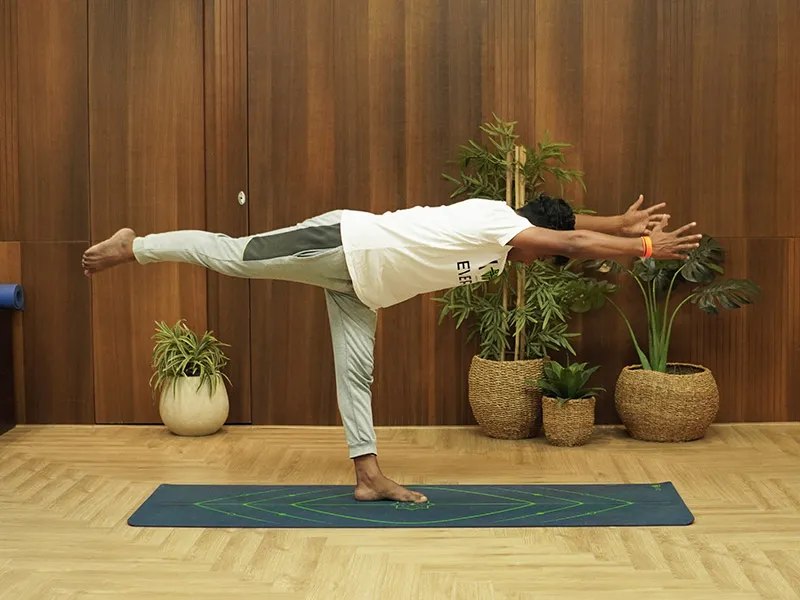
Drishti refers to the focused gaze used in several yoga traditions. Keeping the eyes directed toward a chosen point can reduce visual distractions and support sustained attention during practice.
Clinical research frameworks highlighted by WHO wellness guidelines emphasize that mind-body practices significantly reduce cortisol levels and improve cognitive resilience. Furthermore, studies indexed in PubMed literature demonstrate that regular breath-focused yoga practice alters brain wave patterns, shifting alpha and theta waves toward states of relaxed alertness.
According to Outdoor Yoga Chennai, practitioners who engage in 20 minutes of outdoor breathwork (Pranayama) near natural environments show a 35% faster reduction in acute mental fatigue compared to indoor meditation alone.
How Yoga Regulates the Mind: A Step-by-Step Path
Learning how to control the mind through yoga requires following a progressive, time-tested sequence of physical, respiratory, and mental practices.
1.Settle the Body with Grounding Asanas: Stabilize the nervous system through steady postures.
Begin with simple, grounded postures like Tadasana (Mountain Pose) or Vrikshasana (Tree Pose). Physical stillness signals safety to the brain, laying the foundation for mental calm.
2.Establish Slow, Diaphragmatic Breathing: Bridge the conscious and unconscious mind with breath.
Shift focus to deep belly breathing. Extending your exhales longer than your inhales activates the parasympathetic nervous system, instantly slowing heart rate and racing thoughts.
3.Apply Visual Gaze Control (Drishti): Fix your visual focus to quiet mental wanderings.
Fix your soft gaze on a single, unmoving point ahead. Controlling visual tracking prevents the brain from searching for external distractions, sharpening immediate concentration.
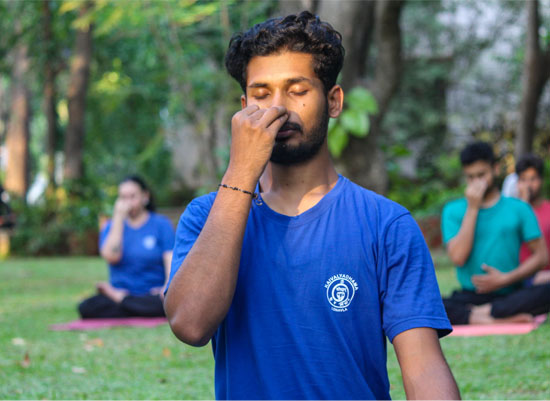
4.Practice Alternate Nostril Breathing (Nadi Shodhana): Balance brain hemispheres and soothe nerves.
Use your right hand to gently alternate airflow between left and right nostrils. This balances the autonomic nervous system, quieting emotional turbulence within minutes.
5.Practice Sensory Withdrawal (Pratyahara): Withdraw attention from external sensory inputs.
Close your eyes or turn attention inward. Acknowledge background sounds without attaching to them, allowing your mind to detach from external stimuli.
6.Sustain Single-Pointed Focus (Dharana): Anchor your attention on a single thought or object.
Focus your mind completely on a single anchor—such as the natural rise of your breath or a silent mantra. When attention wanders, gently guide it back without judgment.
During an evening session at Besant Nagar, a software engineer overwhelmed by deadline anxiety joined our class unable to sit still for two minutes. By pairing her breath with a fixed visual gaze (Drishti) during slow standing holds, her physical restlessness vanished within fifteen minutes. After four weeks of practice, she reported sustained concentration during her high-pressure work shifts.
Mental, Physical, and Emotional Benefits of Mindful Practice
Committing to a breath-centered yoga practice offers transformative health benefits:
- Enhanced Cognitive Focus: Strengthens neural pathways responsible for sustained attention and complex decision-making.
- Reduced Anxiety and Stress: Lowers systemic cortisol levels while elevating gamma-aminobutyric acid (GABA) in the brain.
- Improved Emotional Regulation: Creates a healthy buffer between emotional triggers and your immediate response.
- Better Sleep Quality: Quiets late-night mental chatter, helping you drift into deeper, restorative sleep cycles.
- Greater Mind-Body Awareness: Increases internal sensory awareness (interoception), helping you recognize stress signals early.
How Can Beginners Start Yoga for Mind Control Safely?
Beginners can start yoga for mind control safely by practicing 10 to 15 minutes of daily alternate nostril breathing (Nadi Shodhana), holding basic balance poses with a fixed gaze (Drishti), and attending guided sessions to build focus without mental strain.
Mind control in yoga is not about stopping your thoughts by force. It is about choosing which thoughts deserve your attention and letting the rest pass like clouds.
| Complex Practice | Common Beginner Difficulty | Recommended Modification |
|---|---|---|
| 30-Minute Silent Meditation | Restlessness or frustration | Start with 5-Minute Guided Breathwork |
| Advanced Pranayama (Kumbhaka) | Dizziness or feeling short of breath | Use Smooth, Equal-Ratio Breathing without forced breath retention |
| Single-Leg Balance (Garudasana) | Difficulty balancing or frequent loss of focus | Use a Wall-Supported Tree Pose |
| Long Sitting Postures | Lower-back strain or knee discomfort | Use a Chair-Supported Seated Practice |
Transitioning into mental discipline requires accessible entry points that do not cause frustration.
- Start with Small Time Blocks: Begin with 5 to 10 minutes of daily breath awareness rather than attempting long meditation sessions immediately.
- Use Physical Postures First: Do not sit in quiet meditation when your mind is hyperactive; clear excess nervous energy through active movement first.
- Focus on the Exhale: Whenever anxiety spikes, make your exhales twice as long as your inhales to trigger immediate relaxation.
- Partner Movement with Sound: Use silent mental counting or gentle chanting during movement to give an overactive mind a clear task.
Common Misunderstandings About Mind Control in Yoga
- Myth 1: Mind control means blanking out your mind completely.
- Fact: Yoga does not empty the mind of thoughts; it teaches you to observe thoughts without reacting to them emotionally.
- Myth 2: You must sit in Lotus Pose for hours to master your mind.
- Fact: Mental mastery can be practiced standing, walking, sitting in a chair, or practicing dynamic postures.
- Myth 3: Yoga for mind control requires rigid suppression of emotions.
- Fact: Authentic practice creates a safe container to acknowledge and process emotions rather than repressing them.
- Myth 4: Intense physical postures are required for mental focus.
- Fact: Simple breathwork and sensory awareness practices calm the nervous system far more effectively than complex gymnastics.
7 Practical Tips to Quiet Your Mind on and off the Mat
| Complex Mental / Physical Practice | Common Beginner Difficulty | Recommended Modification |
|---|---|---|
| 30-Minute Silent Meditation | Restlessness, difficulty maintaining attention, or frustration | Begin with 5-minute guided breathwork or meditation |
| Advanced Pranayama with Kumbhaka | Dizziness, discomfort, or feeling short of breath | Use smooth, comfortable breathing without breath retention |
| Single-Leg Balance such as Garudasana | Difficulty maintaining balance or frequent loss of focus | Use a wall-supported Tree Pose |
| Long Seated Postures | Lower-back discomfort or knee strain | Try a chair-supported seated practice |
- Establish a Dedicated Space: Practice in a quiet, uncluttered corner of your home or an outdoor natural setting to signal focus to your brain.
- Unclench Your Jaw and Forehead: Physical tension in the face reinforces mental stress; consciously relax your eyebrows and tongue.
- Anchor Attention in the Feet: When thoughts spiral, shift your awareness down into the soles of your feet resting on the floor.
- Practice Digital Fasting Before Yoga: Avoid checking phones or news feeds for 30 minutes prior to your practice to keep your mental slate clean.
- Use Breath-to-Movement Rhythms: Move into poses on an inhale and sink deeper on an exhale to keep your mind locked in the present moment.
- Reframe Distractions as Opportunities: Treat unexpected background noises as tests to strengthen your inner focus rather than annoyances.
- End Every Practice with Complete Rest: Never skip Savasana (Corpse Pose); final relaxation integrates the mental calm built during practice.
Explore Our Guided Online Yoga Programs for Mind Mastery
Frequently Asked Questions
Which specific yoga branch is best for controlling mind and thoughts?
Raja Yoga—often called the Royal Path—is the primary branch of yoga focused entirely on mind control, meditation, and psychological clarity.
How quickly can yoga help quiet an overactive mind?
A single 15-minute session of slow Pranayama can lower heart rate and quiet mental chatter immediately, while lasting focus develops over 4 to 6 weeks of regular practice.
Is Hatha Yoga or Vinyasa Yoga better for mental stress?
Hatha Yoga is generally better for acute mental stress because its slower pace and longer holds allow you to focus deeply on breath and alignment.
Can Pranayama alone help improve my concentration at work?
Yes. Practicing Nadi Shodhana or Box Breathing for just 5 minutes before major tasks clears mental brain fog and sharpens work concentration.
What should I do when my mind wanders during yoga class?
Gently notice that your mind has drifted without judging yourself, then quietly redirect your attention back to the sensation of your next breath.
How does gaze focus (Drishti) help control thoughts?
Drishti stabilizes your visual field, which directly stops your eyes from scanning the room for distractions, helping quiet corresponding mental activity.
Can beginners join mind control yoga classes without prior experience?
Yes. Beginner classes focus on accessible breathwork, simple postures, and guided relaxation techniques that require no flexibility or prior experience.
Why is outdoor yoga effective for mental relaxation?
Outdoor environments provide natural sensory anchors—like ocean breeze and gentle waves—that naturally soothe the nervous system and deepen mental focus.
Cultivating Inner Stillness and Mental Clarity
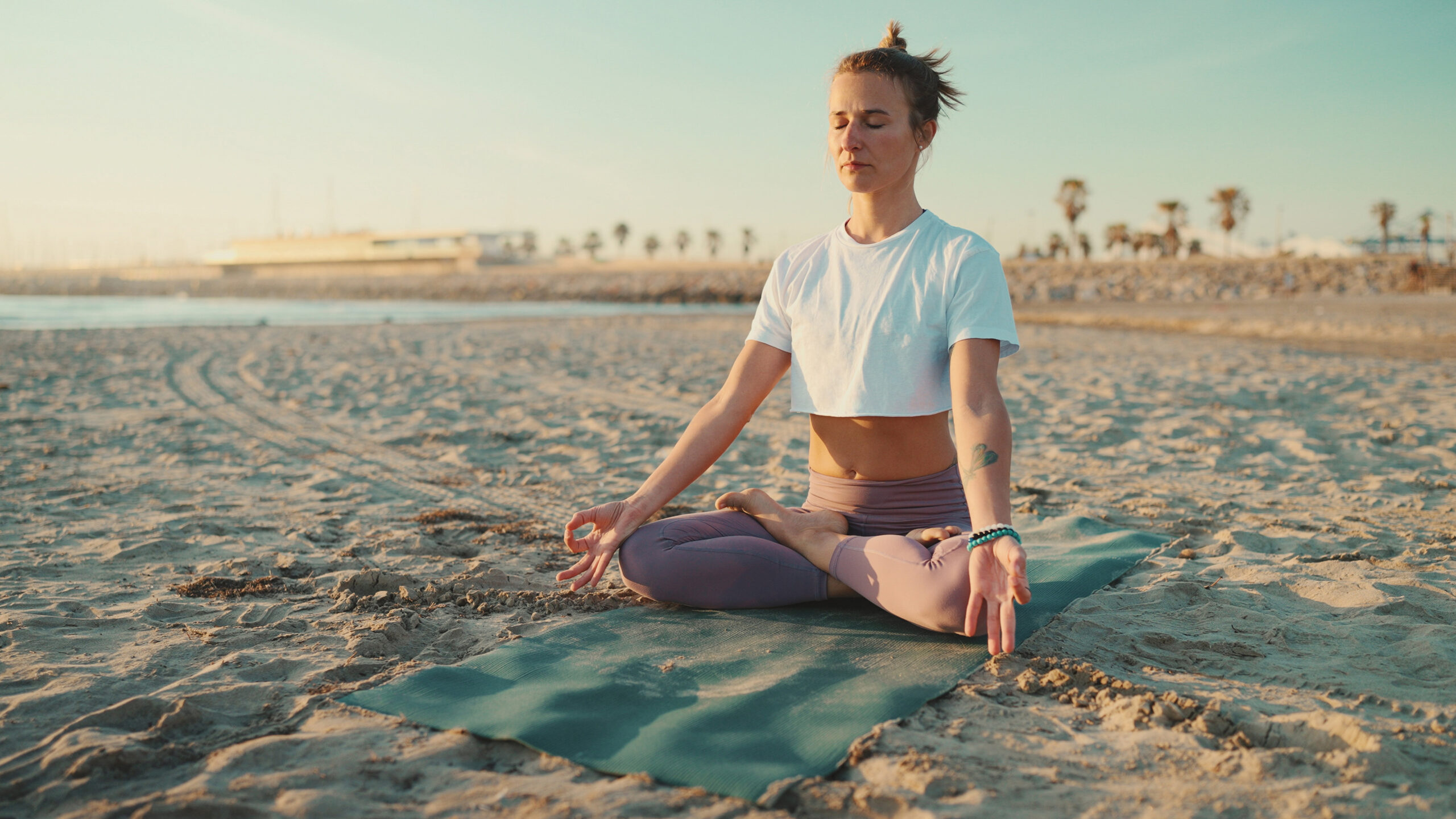
Mastering which yoga is best for mind control leads back to a simple truth: real mental power comes from steady focus, slow breath, and compassionate self-awareness.
- Focus on breath first: Use slow, regulated breathing to soothe an overstimulated nervous system.
- Anchor your mind with movement: Pair simple postures with a fixed visual gaze (Drishti) to stop mental wandering.
- Commit to daily consistency: Short, 10-minute daily practices create far greater mental stability than occasional long sessions.
Health Disclaimer: This content is for educational purposes only and is not a substitute for medical advice. Consult your doctor before starting any new exercise program.
If you are ready to deepen your concentration and experience authentic mental clarity, discover the live online sessions and guided outdoor beach classes offered by Outdoor Yoga Chennai. Connect with our expert teachers today to start your journey toward lasting peace of mind.



Leave a Comment