
Table of Contents
Good Yoga Routines for Desk Workers: Ease Tension, Fix Posture, and Restore Energy
Finding good yoga routines for desk workers is essential if you spend eight to ten hours a day sitting in front of a screen. Prolonged sitting causes tight hip flexors, rounded shoulders, and lower back strain. Practicing short, targeted movement breaks during your workday resets your posture, improves circulation, and clears mental fatigue. Whether you join outdoor weekend sessions in Chennai or follow guided online classes from home, integrating simple yoga postures into your routine keeps your spine healthy and your mind focused.
Desk jobs place unique biomechanical demands on the body that traditional workouts often fail to address. When you remain seated for long periods, your glutes turn off, your hamstrings shorten, and your thoracic spine stiffens. A targeted yoga routine for desk workers focuses on dynamic chest openers, gentle spinal twists, and hip-lengthening postures. Over our ten years of instructing corporate professionals across Chennai’s IT corridors and virtual platforms, we have seen how brief, consistent stretches relieve physical discomfort and prevent long-term postural issues.
What are good yoga routines for desk workers?
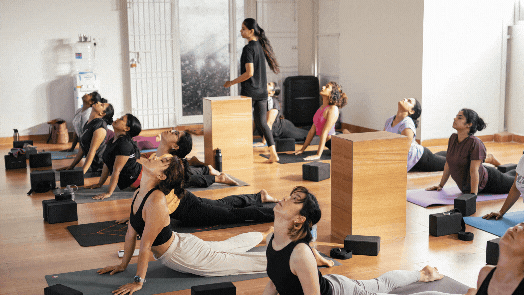
Good yoga routines for desk workers are specialized sequences of movement, isometric holds, and conscious breathing designed to offset the physical toll of prolonged sitting. These routines focus on opening tight hip flexors, lengthening the hamstrings, mobilizing the thoracic spine, strengthening upper back muscles, and relieving tension in the neck and shoulders.
       [ DESK WORKER POSTURAL COLLAPSE ]
                     │
                     ▼
       Forward Head & Slouched Thoracic Spine
                     │
                     ▼
  [Aggressive Gym Cardio] vs [Targeted Desk Yoga & Micro-Breaks]
                     │
                     ▼
  Spinal Decompression & Restored Postural Alignment
In our classes across coastal spots in Chennai and online programs, we structure desk worker routines around accessibility and habit building. You do not need to change into gym clothes or roll out a mat every time your neck feels tight.
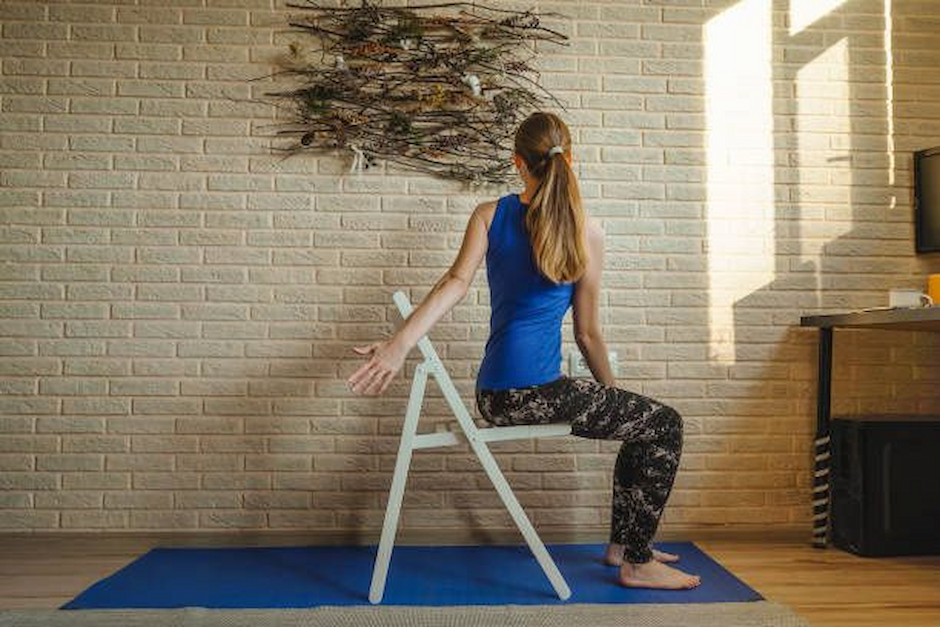
Effective sequences range from three-minute chair stretches during meetings to 30-minute evening flows that decompress your spine. By focusing on alignment and conscious breathwork, these routines help you break the cycle of posture collapse before chronic pain takes hold.
Why desk worker yoga matters for long-term health and daily performance
Sitting for extended periods without movement breaks impairs blood circulation, weakens core stabilization, and increases systemic fatigue. Official health guidelines published by the Ministry of Ayush highlight that integrating workplace yoga and micro-movement breaks into daily schedules reduces occupational stress, improves spinal flexibility, and prevents musculoskeletal disorders in office workers. Their clinical trials confirm that targeted postural stretches relieve upper back stiffness and boost mental alertness during long work hours.
According to Outdoor Yoga Chennai, practicing dedicated posture-corrective yoga flows in open-air coastal environments near Besant Nagar or ECR speeds up physical recovery and lowers stress hormones faster than indoor exercise. Our senior teaching staff observes that outdoor sessions along the beach help desk workers disconnect from digital screens and deepen their diaphragmatic breathing.
Global guidelines from the World Health Organization stress that breaking up sedentary screen time with low-impact physical activity protects against cardiovascular risks, insulin resistance, and chronic spinal degeneration. Choosing a structured yoga routine gives desk workers an easy, low-impact tool to safeguard their health without taking hours away from their busy workday.
How it works: A seven-step yoga sequence for desk workers
Reversing posture collapse requires a clear, step-by-step flow that opens tight front-body tissues while strengthening weak back-body muscles. Follow this seven-step sequence during mid-day breaks or after logging off:
- Center with Seated Diaphragmatic Breathing: Sit erect on the front edge of your chair, place your hands on your lower ribs, and take five deep, rhythmic breaths to expand your diaphragm.
- Open the chest with Seated Cat-Cow (Marjaryasana-Bitilasana): Inhale while lifting your chest and arching your upper back; exhale while rounding your spine and tucking your chin to restore spinal mobility.
- Decompress hips with Seated Figure-Four Stretch (Eka Pada Rajakapotasana variation): Cross your right ankle over your left knee and hinge forward at your hips with a flat spine to release deep glute tension.
- Relieve shoulder stiffness with Thread the Needle Twist: Place your left hand on your desk, slide your right arm underneath your left arm, and rotate your torso to release mid-back tightness.
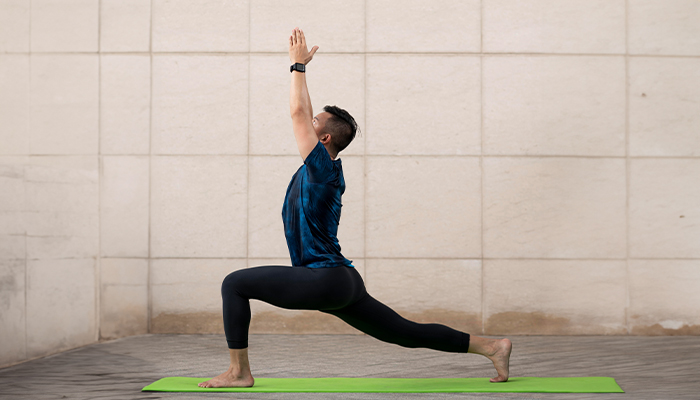
- Lengthen hip flexors in High Lunge (Ashta Chandrasana): Step your right leg back, sink your hips forward, and reach your arms overhead to open tight hip flexors shortened by sitting.
- Strengthen upper back in Cobra Pose (Bhujangasana): Lie prone on your mat, press the tops of your feet down, and lift your chest using upper back strength to counter forward-slouching shoulders.
- Reset neck muscles with Gentle Lateral Neck Stretches: Tilt your right ear toward your right shoulder, breathing deeply into the left side of your neck, then repeat on the left side.
                  [ DESK DECOMPRESSION SEQUENCE ]
                                │
      ┌─────────────────────────┼─────────────────────────┐
      ▼                         ▼                         ▼
[Seated Cat-Cow]        [Hip & Glute Release]     [Standing High Lunge]
Thoracic Mobility       Figure-Four Stretch       Hip Flexor Extension
Over ten years of teaching professionals across Tamil Nadu and online platforms, we have seen simple movement sequences change how desk workers feel at the end of the day.
I worked with a software engineer from Thiruvanmiyur who suffered from daily tension headaches and lower back aches after 10-hour coding shifts. We introduced him to a 15-minute post-work routine featuring Cobra Pose, High Lunge, and gentle neck stretches. Within three weeks, his daily headaches vanished, his lower back pain eased, and he regained energy for his evening family time. Working alongside certified instructors gave him the confidence to maintain his daily home practice.
Key physical, mental, and emotional benefits of desk worker yoga
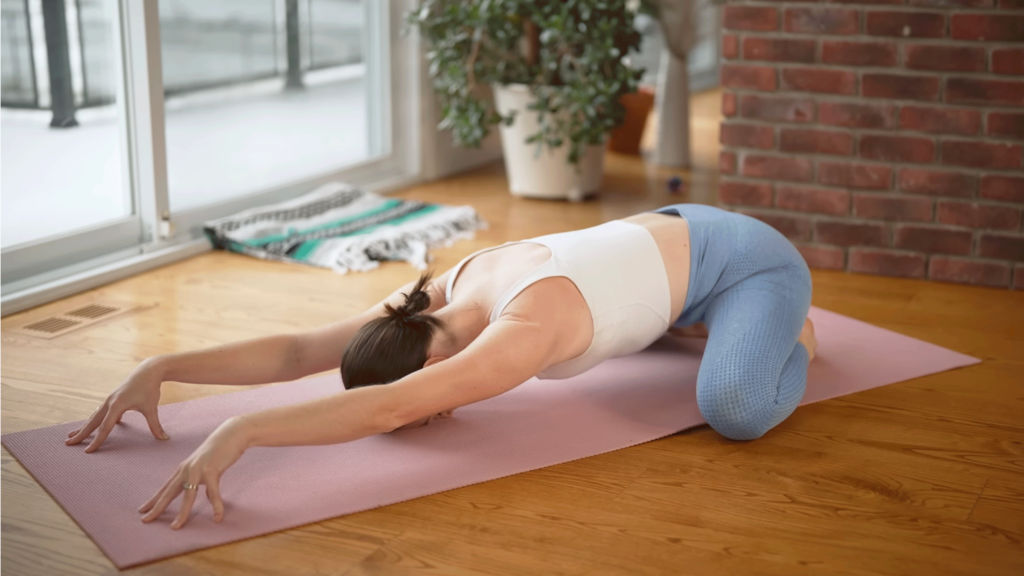
Establishing good yoga routines for desk workers delivers tangible health upgrades across your physical body and mental focus:
Reduced Lower Back Pain and Spinal Decompression
Slouching in an office chair places continuous pressure on lumbar discs and strains lower back muscles. Research suggests that gentle spinal extension and hamstring lengthening decompress the intervertebral discs, relieving sciatic nerve pressure and lower back stiffness.
       [ DESK WORKER HEALTH TRANSFORMATION ENGINE ]
                            │
                            ▼
           Identify Postural Slouch & Stress Signals
                            │
                            ▼
 [Aggressive Unguided Workouts] vs [Targeted Posture Yoga & Breaks]
                            │
                            ▼
         Relieved Back Tightness & Sustained Mental Focus
Neck and Shoulder Tension Relief
Forward head posture—often called “tech neck”—forces cervical spine muscles to carry up to four times the head’s actual weight. Chest-opening postures like Cobra Pose and Cactus Arms strengthen weak upper back muscles while releasing tight pectorals, returning your head to balanced alignment.
Enhanced Circulation and Energy Elevation
Sitting idle slows peripheral blood flow, leading to sluggish legs and mid-afternoon brain fog. Flowing through active postures pumps oxygenated blood through your limbs, boosting metabolic activity and sharpening mental clarity without extra caffeine.
How beginners can approach desk worker yoga safely?
How can a beginner with severe desk-related tightness start practicing yoga safely?
Beginners should start with chair-based yoga stretches, gentle standing forward folds with bent knees, and brief three-minute movement breaks every two hours. Focus on slow, pain-free movements, use yoga blocks for extra support, and avoid forcing deep backbends or intense twists.
       [ BEGINNER POSTURE SAFEGUARDS ]
                     │
                     ▼
       Assess Joint Comfort & Spine Neutrality
                     │
                     ▼
  [Forcing Deep Unsupported Bends] vs [Using Props & Bent Knees]
                     │
                     ▼
      Protected Lumbar Spine & Safe Joint Mobility
When beginning a yoga routine for desk worker stiffness, move gently and listen to your body’s feedback. Never push through sharp pain or force your spine into deep twists when your muscles are cold. Our certified educators guide every beginner session to help you progress safely at your own pace.
To ensure your practice remains safe and effective, keep three basic rules in mind. First, always bend your knees slightly in forward folds to protect your lower back and hamstring tendons from overstretching. Second, use a wall or chair back for balance during standing lunges if your hips feel unstable. Third, stop immediately if you feel numbness or tingling in your arms or legs, returning to a neutral seated posture.
Common misunderstandings about desk worker yoga
- “You need a full 60-minute session for yoga to undo hours of sitting:” Short, three-to-five-minute micro-breaks taken throughout your workday are often more effective for posture correction than a single long class.
- “Desk worker yoga is just gentle stretching with no strength benefits:” Postural yoga holds isometric poses like Cobra and Chair Pose, strengthening weak back muscles and deep core stabilizers.
- “You must be flexible to get relief from desk worker yoga routines:” Yoga builds flexibility over time; tight muscles are the primary reason to start practicing, not a barrier.
- “Ergonomic chairs eliminate the need for daily stretching and movement:” Even the most advanced ergonomic chair cannot replace the physiological benefits of dynamic muscle movement, joint lubrication, and deep breathing.
Practical field tips for desk workers practicing yoga
- Set a gentle timer for a two-minute stretch every 90 minutes: Taking brief movement breaks prevents your fascia and connective tissues from locking into a slouched shape.
- Keep two yoga blocks next to your home desk: Use blocks under your feet while seated to align your knees with your hips and support your lower spine.
- Practice Seated Cat-Cow during virtual meetings: Keep your camera off or make subtle movements to keep your thoracic spine loose during long conference calls.
- Incorporate three minutes of legs-up-the-wall pose (Viparita Karani) after work: Elevating your legs after a long day drains accumulated fluid from your ankles and calms your nervous system.
- Keep your computer monitor at eye level: Aligning your screen height prevents forward head posture, reducing strain on your upper trapezius and neck.
- Focus on long, slow exhalations during mid-day stress: Exhaling longer than you inhale lowers your heart rate and releases physical tension built up during high-pressure work tasks.
- Join a weekend outdoor or online live class for guided posture work: Practicing under a certified instructor ensures you learn safe alignment for your specific posture habits.
Comparative Matrix of Movement Options for Desk Workers
| Movement Strategy | Passive Desk Ergonomics | Aggressive Gym Cardio | Guided Desk Yoga Routines |
| Primary Postural Focus | External body support | General caloric burn | Active muscular re-alignment |
| Spinal Decompression | Minimal | Low (can compress spine) | High (dynamic extension & twists) |
| Workday Integration | Continuous passive support | Requires full workout time | Easy 3-to-5 minute micro-breaks |
| Stress & Cortisol Impact | Neutral | Can elevate cortisol | Consistently lowers cortisol |
| Long-Term Habit Ease | Extremely easy (passive) | Harder to sustain daily | Very high with simple chair routines |
FAQs
1. How often should desk workers practice yoga routines during the workday?
Desk workers benefit most from taking short 2-to-3-minute stretch breaks every 90 minutes, paired with a longer 20-to-30-minute practice three times a week.
2. Can chair yoga effectively relieve lower back pain from sitting?
Yes, chair yoga postures like Seated Figure-Four and Seated Cat-Cow decompress lumbar discs, open tight hips, and relieve lower back tightness directly at your desk.
3. What is the best yoga pose to fix “tech neck” from looking at screens?
Cobra Pose (Bhujangasana) and Cactus Arm extensions are exceptional because they strengthen weak upper trapezius muscles and open tight pectorals, pulling your head back into alignment.
4. Do I need to change into athletic clothes to do desk yoga?
No, most desk yoga routines feature simple chair and standing stretches that you can perform comfortably in everyday office or work-from-home attire.
5. How long does it take to see posture improvements from desk worker yoga?
With consistent micro-breaks and three weekly practices, most desk workers notice less neck tension and better posture within two to three weeks.
6. Is outdoor yoga better for desk workers than indoor practice?
Outdoor yoga—especially coastal classes near Besant Nagar or ECR—helps desk workers rest their eyes from screen fatigue, breathe fresh air, and lower stress markers faster.
7. Can desk worker yoga routines help reduce tension headaches?
Yes, releasing tight suboccipital muscles in the neck and softening shoulder tension improves blood flow to the head, reducing tension headaches.
8. What should I do if a posture causes sharp pain in my lower back?
Stop the movement immediately, back out of the stretch, bend your knees, and consult a certified instructor to modify the pose for your spine.
Restoring Balance, Spinal Strength, and Daily Energy
Integrating good yoga routines for desk workers into your daily schedule gives you a practical, sustainable way to protect your spine and maintain energy throughout the workday. Understanding how brief postural stretches, chest openers, and conscious breathwork counter the physical toll of sitting empowers you to take charge of your well-being. By staying consistent, honoring your body’s limits, and using supportive props, you build a resilient, pain-free posture.
Outdoor Yoga Chennai stands out as a trusted authority in holistic health education, offering refreshing beachside sessions along Besant Nagar and ECR as well as structured online corporate programs across India. We invite you to step away from your desk, step onto your mat, and experience the transformative benefits of authentic practice. Connect with our certified educators today to explore trial classes and start your journey toward spinal ease.



Leave a Comment