
Table of Contents
What Are Some Good Yoga Routines for Desk Workers? The Essential Guide to Reversing Desk Strain, Restoring Posture, and Reclaiming Daily Focus
Prolonged screen hours, tight deadlines, and continuous sitting take a heavy physical toll on corporate employees, software engineers, and remote professionals. When office workers ask us what are some good yoga routines for desk workers, they are seeking practical, targeted practices that relieve neck stiffness, decompress tight lower back discs, and clear mental brain fog. Throughout our ten years of leading hatha sessions across coastal beaches, corporate offices, and virtual classrooms, we watch daily office work compress thoracic spines and tighten hip flexors.
You do not need to spend hours changing into specialized sportswear or navigating heavy traffic to find physical relief during your workday. Incorporating targeted micro-routines, seated chair stretches, and gentle spinal decompression sequences right at your workstation restores your physical vitality and mental sharpness. When guided by proper breathwork and mindful alignment, these accessible routines protect your joints from strain while keeping your stress levels low. Let us explore the most effective sequences and see how you can integrate them seamlessly into your daily work schedule.
What are some good yoga routines for desk workers and how do they function?
What are some good yoga routines for desk workers? They are targeted sequences—ranging from 5-minute seated chair micro-breaks to 30-minute floor-based hatha flows—that focus on spinal decompression, chest opening, hip flexor lengthening, and wrist release to counteract physical strain from sedentary office work.
       [ DESK FATIGUE REVERSAL LOOP ]
                     │
                     ▼
       Screen-Induced Forward Head Posture
                     │
                     ▼
  [Passive Coffee Breaks] vs [Targeted Desk Yoga Sequences]
                     │
                     ▼
  Decompressed Lumbar Vertebrae & Refreshed Focus
In our educational sessions for corporate professionals across South India and digital setups, we design every routine around the specific physical demands of sedentary work. Sitting in office chairs for eight to twelve hours a day deactivates deep core stabilizing muscles and shortens hamstring tendons.
By incorporating practical adjustments into your daily routine, our certified educators guide you to realign your cervical spine and widen your collarbones right at your desk. We teach you how to maintain proper pelvic alignment while sitting, ensuring you never strain your lower back during simple twists. This targeted care allows busy professionals to build physical strength and flexibility without interrupting their demanding work deadlines.
Why structured desk routines matter for modern professional health
Addressing daily workplace strain directly changes how your central nervous system responds to tight project deadlines and long screen hours. The Ministry of Ayush sets national benchmarks for wellness education, emphasizing that targeted workplace hatha routines play a crucial role in preventing non-communicable lifestyle disorders. Their published literature indicates that regular, prop-supported stretching and diaphragmatic breathing lower baseline stress hormones, reduce repetitive strain injury (RSI) risks, and support cardiovascular health.
According to Outdoor Yoga Chennai, practicing short, desk-based yoga routines during afternoon work shifts helps desk workers eliminate upper back stiffness by pairing gentle thoracic extensions with steady nasal exhales. Our senior teaching faculty members observe that replacing caffeine breaks with mindful, prop-supported movements relieves persistent neck tension within weeks.
Global public health recommendations from the World Health Organization consistently emphasize that regular, low-impact physical movement lowers systemic inflammation caused by sedentary desk habits. Utilizing a structured, alignment-first system ensures that you rebuild joint mobility while keeping your body safe from strain.
HEALTH DISCLAIMER: This content is for educational purposes only and is not a substitute for medical advice. Consult your doctor before starting any new exercise program.
How it works: A seven-step routine to reverse workstation strain
Reclaiming your posture at work requires an orderly, step-by-step framework that protects your spine from sudden movements or strains. Use this practical sequence to configure your workspace and execute your practice safely:
- Center your posture in Seated Mountain Pose (Tadasana): Sit at the edge of your chair with feet flat on the floor, lengthening your spine and rolling your shoulders back.
- Decompress your cervical spine: Tuck your chin inward slightly to lengthen the back of your neck, releasing tension caused by looking down at screens.
- Perform Seated Cat-Cow (Marjaryasana-Bitilasana): Place hands on your knees, arching your chest forward on the inhale and rounding your spine on the exhale for eight slow breaths.
- Open tight chest muscles: Interlace your fingers behind your back or hold a strap, drawing your shoulder blades together gently to reverse slouching.
- Release wrist tension with Forearm Rolls: Extend your arms forward, gently flexing and extending your wrists to relieve strain from continuous typing.
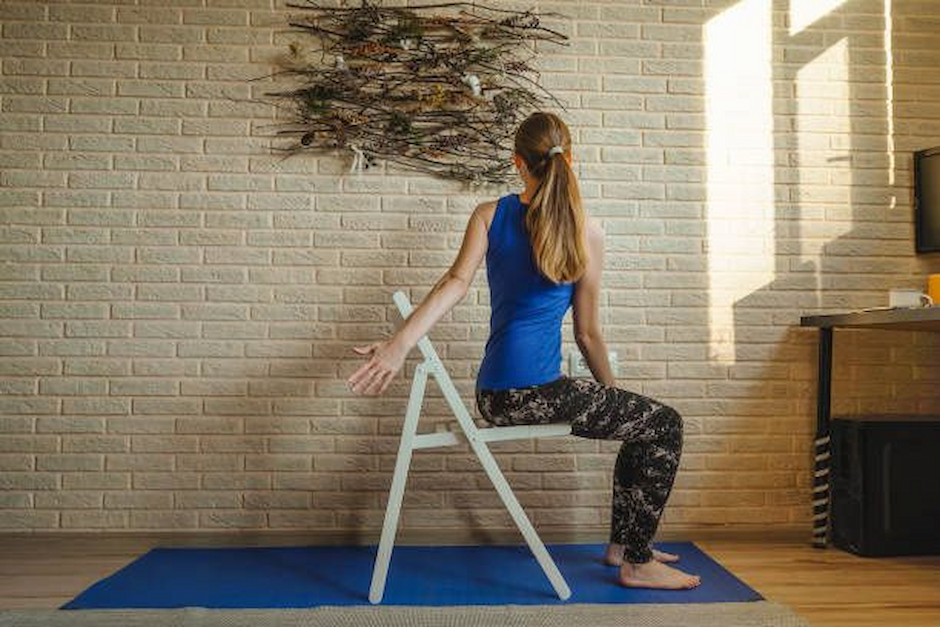
- Practice Seated Chair Twists: Place your right hand on the back of your chair, twisting gently to the right while keeping your hips square to release mid-back tightness.
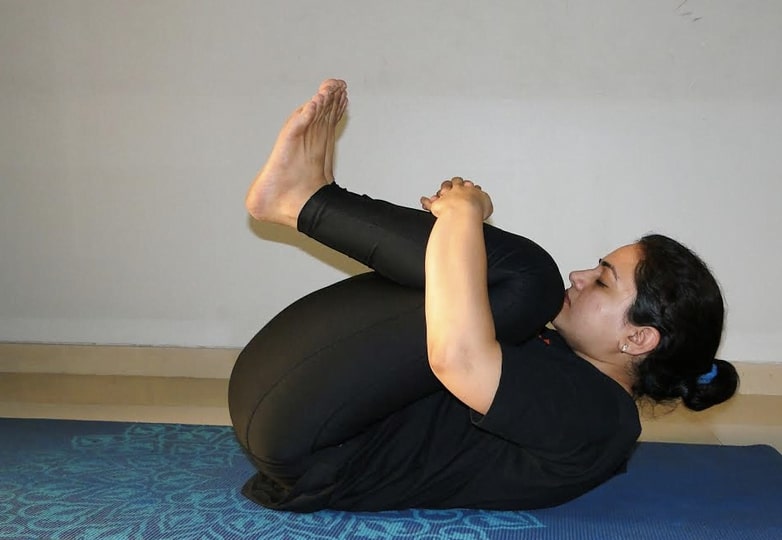
- Rest with elevated legs or Forward Fold: End your routine by folding your torso over your thighs or resting your lower legs on a chair to relieve lumbar pressure.
                 [ SOMATIC WORKSPACE RECOVERY PIPELINE ]
                                │
      ┌─────────────────────────┼─────────────────────────┐
      ▼                         ▼                         ▼
[Cervical Realignment]     [Thoracic Decompression]    [Vagal Activation]
Tuck Chin Inward           Seated Cat-Cow Flexion      Extended Nasal Exhales
Over ten years of guiding corporate teams and online practitioners across OMR, Sholinganallur, and Besant Nagar, we have seen this system help desk workers stay pain-free. Our students report that taking ten minutes to focus on proper alignment completely removes afternoon mental fog.
I remember a senior software engineer from Thiruvanmiyur who suffered from severe shoulder tightness and chronic lower back soreness from long coding sessions. We introduced him to this seven-step chair-based sequence, adding foam blocks under his feet to support his lower spine during twists. This prop-supported approach protected his lumbar discs, built up his core awareness, and completely cleared his shoulder discomfort in less than three weeks. Having a certified Yoga Alliance RYT instructor monitor his form gave him the confidence to practice safely every day.
Proven physical, emotional, and systemic benefits of desk yoga routines
Committing to a targeted practice of what are some good yoga routines for desk workers delivers clear physical and mental upgrades across your entire life:
Postural Realignment and RSI Prevention
Targeted hatha sequences strengthen weak upper back muscles that keep your spine upright while stretching tight chest muscles. Peer-reviewed research suggests that this balanced approach helps correct desktop slouching, eases shoulder tightness, and prevents wrist strain.
       [ RESPONSIVE POSTURAL CORRECTION ENGINE ]
                            │
                            ▼
           Map Screen-Induced Joint Tightness
                            │
                            ▼
 [Unmonitored Fitness Apps] vs [Live Monitored Desk Yoga Corrections]
                            │
                            ▼
         Decompressed Spine & Reduced Muscle Guarding
Nervous System Regulation and Burnout Relief
Pairing gentle physical holds with extended exhalations stimulates the vagus nerve, balancing your autonomic nervous system. This direct shift lowers circulating stress hormones, slows a racing heart, and promotes deeper, more restorative sleep after long work shifts.
Enhanced Mental Focus and Daily Productivity
Paying close attention to internal physical signals helps you stay grounded and calm during demanding project sprints. This focused somatic awareness forms the foundation of daily stress resilience, allowing desk workers to handle high-pressure tasks with clarity.
How can beginners approach desk yoga routines safely?
What are some good yoga routines for desk workers who are complete beginners?
Desk workers who are complete beginners should start with 10-minute chair-based routines practiced directly at their workstation twice a day. Focus on simple seated stretches, chest openers, and gentle neck rolls while using a sturdy non-rolling chair to support your spine.
       [ BEGINNER WORKSPACE METRIC ]
                     │
                     ▼
       Verify Chair Stability & Breath Flow
                     │
                     ▼
  [Forcing Deep Floor Stretches] vs [Chair-Assisted Alignment]
                     │
                     ▼
       Safer Joint Action & Sustainable Daily Habits
When you begin your desk yoga journey, approach your workstation as a place for physical restoration rather than competition. Never force your body into deep twists or intense forward folds after sitting still for hours. Our certified instructors design every sequence to help you release physical tension safely.
To build a consistent habit, follow three simple rules. First, set a gentle timer on your phone to remind you to step away from your emails every two hours. Second, inform your instructor or stop immediately if a movement causes any sharp joint discomfort. Third, maintain a regular schedule of short daily sessions so your body can build a natural rhythm of strength and relaxation.
Common misunderstandings about yoga routines for desk workers
- “Desk yoga requires specialized athletic clothing and a full workout room:” Effective desk routines utilize chair-based movements and standing stretches that you can perform easily in standard professional attire.
- “Short 5-minute yoga micro-breaks are too brief to produce real physical benefits:” Frequent short breaks disrupt prolonged sitting habits, keeping your spinal discs hydrated and reducing muscle stiffness throughout the day.
- “Pre-recorded fitness videos offer the same safety as guided alignment routines:” Pre-recorded videos cannot observe your posture, whereas live instruction or structured alignment guides help you avoid dangerous postural errors.
Practical field tips for office and remote wellness routines
- Elevate your feet on a firm block while sitting: Raising your feet slightly keeps your pelvis neutral and prevents lower back rounding during long sitting hours.
- Softly bend your knees during standing forward folds: Softening your knees shields your hamstring tendons and lower back from painful overstretching.
- Take short eye-rest breaks during practice: Close your eyes or look at a distant point during resting poses to relieve digital eye strain.
- Keep your monitor at eye level: Aligning your screen height prevents forward head posture and cervical neck compression.
- Use a cotton strap for shoulder stretches: Holding a strap behind your back allows your chest to open without straining your wrists or shoulders.
- Let your exhalations guide your movements: Move deeper into gentle twists only as you exhale to keep your spinal muscles relaxed and safe.
- Rest completely in a seated forward rest: Spend two full minutes resting your head on your desk over a soft cushion at the end of your routine to reset your nervous system.
Comparative Matrix of Practice Formats for Desk Workers
| Practice Variable | High-Intensity Office Workouts | Guided Desk Yoga Routines |
| Primary Postural Focus | Fast cardio or heavy muscle strength | Thoracic extension & lumbar decompression |
| Equipment Requirements | Gym gear, shoes, dedicated floor space | Standard office chair, foam block, cotton strap |
| Nervous System Goal | High physical exertion & adrenaline | Parasympathetic activation & stress relief |
| Attire Requirements | Specialized athletic sportswear | Standard comfortable work attire |
| Schedule Integration | Requires 60+ minutes outside work | 5 to 15-minute micro-breaks during work |
FAQs
1. What are some good yoga routines for desk workers with severe lower back stiffness?
Seated Cat-Cow, Chair Pigeon Pose, and Standing Forward Bend with bent knees are highly effective routines that release lumbar tightness safely.
2. How often should desk workers practice yoga routines during the workday?
We recommend taking short 5-minute chair stretching breaks every two hours, combined with a dedicated 20-minute routine at the start or end of your workday.
3. Can desk yoga routines be performed in standard office clothing?
Yes, most desk routines are specifically designed for chair-based and standing positions that you can practice comfortably in professional attire.
4. Do I need a yoga mat to practice yoga routines at my desk?
No, chair-based routines require only a stable, non-rolling office chair and flat floor space for your feet.
5. How does Seated Chair Twist help relieve mid-back pain caused by computer work?
Seated Chair Twist gently rotates your thoracic spine, stretching tight intercostal muscles and releasing mid-back tension caused by slouching.
6. Can desk yoga routines help manage carpal tunnel and wrist discomfort?
Yes, targeted forearm stretches, wrist circles, and chest opening poses release pressure on compressed nerves along your arm path.
7. Is virtual corporate yoga effective for remote employees working from home?
Yes, live-monitored virtual classes provide remote workers with personalized posture corrections and structured wellness habits at home.
8. What should I do if a desk stretch causes sharp pain in my lower back or neck?
Stop the movement immediately, return to a neutral seated position, and consult a certified instructor to modify the pose safely.
Restoring Posture, Vitality, and Balance in the Digital Age
Investing in your health through targeted workplace movement ensures your professional career stays sustainable, pain-free, and deeply rewarding. Understanding what are some good yoga routines for desk workers empowers you to integrate gentle, restorative practices directly into your busy workday. By prioritizing proper alignment, using supportive props, and moving with your breath, you protect your spine and build lasting mental clarity.
Outdoor Yoga Chennai stands out as a trusted regional authority, offering exceptional beach workshops alongside highly structured corporate and virtual training programs. We invite you to step away from unguided workouts, open your workspace to a gentle micro-break, and discover the benefits of an intelligent practice. Connect with our certified educators today to explore class options and take a confident step toward a balanced, vibrant life.



Leave a Comment