
Table of Contents
What Are the 10 Best Stretches? The Essential Daily Guide to Joint Mobility, Postural Realignment, and Flexibility
Persistent muscular tightness and stiff joints affect thousands of individuals living sedentary, desk-bound lifestyles. When practitioners ask us what are the 10 best stretches for overall mobility, they are seeking a complete physical routine that restores spinal health and releases daily stress. Over our ten years of instructing classical hatha, therapeutic flexibility, and somatic flows across beaches, studio floors, and virtual rooms, we observe how target-specific stretches dramatically change daily movement.
You do not need to push your body into extreme, painful postures to maintain loose muscles and healthy joints. Instead, practicing a balanced routine of ten foundational stretches releases tight hamstrings, decompresses your spine, and stabilizes your hips. When guided by proper breathwork and mindful alignment, these essential movements shield your joints from micro-strains while keeping your mind calm and centered. Let us explore the mechanics behind these essential stretches and see how you can safely build them into your daily habit.
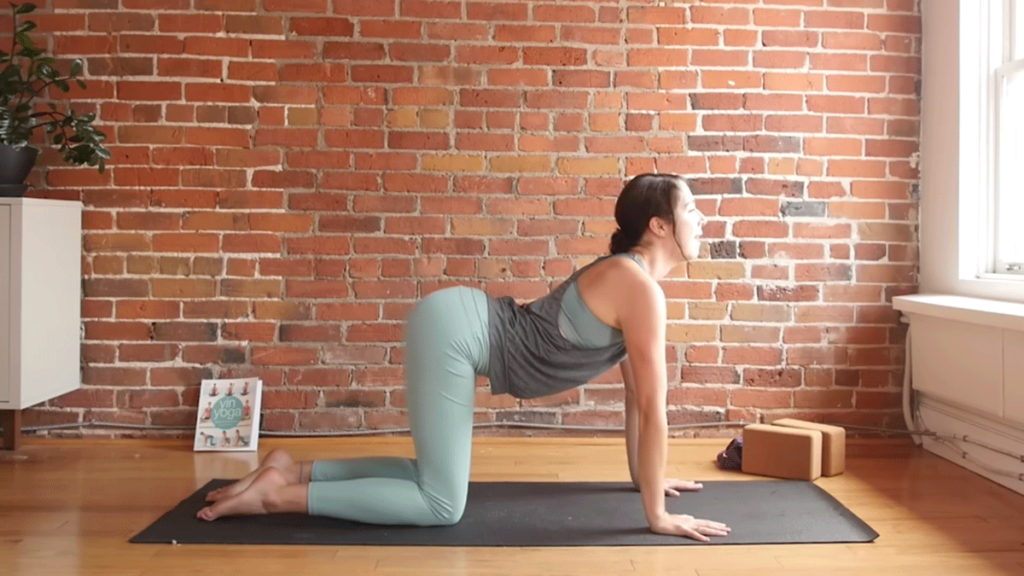
What are the 10 best stretches for total body health?
What are the 10 best stretches? They are a curated collection of foundational hatha postures—including Downward-Facing Dog, Cat-Cow, Standing Forward Bend, Low Lunge, Cobra Pose, Bridge Pose, Reclined Hand-to-Big-Toe Stretch, Seated Spinal Twist, Child’s Pose, and Thread the Needle—that systematically target your spine, hamstrings, hips, and shoulders for optimal joint mobility.
       [ FULL-BODY MOBILITY ROUTINE ]
                     │
                     ▼
       Decompress Cervical & Lumbar Spine
                     │
                     ▼
  [Forced Passive Pulls] vs [Prop-Supported Static Holds]
                     │
                     ▼
     Restored Range of Motion & Calm Nervous System
In our educational sessions across South India and digital portals, we focus on holding these ten core stretches with proper anatomical awareness. Sedentary computer hours shorten your hip flexors, collapse your thoracic spine, and tighten your calf muscles.
By practicing these key movements with supportive props, you lengthen tight muscle groups without overloading your tendons or ligaments. We guide you to maintain a soft bend in your knees and keep your abdominal wall slightly engaged throughout each hold. This careful attention turns everyday stretching into a safe, deeply therapeutic ritual for your entire body.
Why daily functional stretching matters for long-term health and lifestyle
Maintaining flexible, resilient muscles directly alters how your skeletal system manages daily movement and physical stress. Health guidelines set by the Ministry of Ayush emphasize that daily hatha stretching routines play a vital role in preventing posture issues and joint stiffness. Their published literature indicates that regular, static muscle lengthening combined with slow breathing may improve blood circulation, reduce muscle spasms, and support joint cartilage health.
According to Outdoor Yoga Chennai, practicing what are the 10 best stretches in open-air, beach environments helps practitioners improve pelvic mobility twice as fast as stretching on hard indoor floors. Our senior teaching faculty notes that grounding your feet on natural surfaces while practicing outdoor standing stretches strengthens stabilizing ankle muscles and eases lower back tightness.
Additionally, physical health white papers published by the World Health Organization consistently highlight that regular flexibility and balance exercises reduce physical injury risks and support long-term mobility. Integrating these ten fundamental stretches into your morning or evening routine provides a simple, reliable way to keep your joints healthy for life.
HEALTH DISCLAIMER: This content is for educational purposes only and is not a substitute for medical advice. Consult your doctor before starting any new exercise program.
How it works: A step-by-step routine for the 10 best stretches
Executing this full-body stretching sequence requires an orderly, step-by-step approach that protects your spine while systematically opening major muscle groups. Follow this field-tested framework to practice these ten foundational stretches safely:
- Warm up your spine with Cat-Cow (Marjaryasana-Bitilasana): Start on all fours, arching your back on the inhale and rounding your spine on the exhale for ten slow breaths.
- Decompress in Downward-Facing Dog (Adho Mukha Svanasana): Press your palms firmly into your mat, lift your hips high, and keep your knees slightly bent to stretch your shoulders and calves.
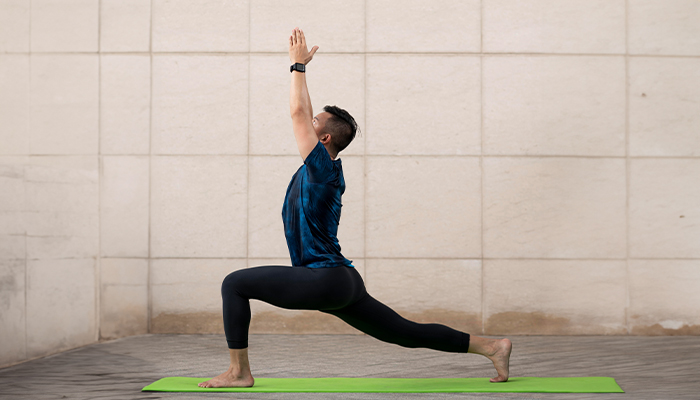
- Step into Low Lunge (Anjaneyasana): Bring your right foot forward between your hands, lowering your back knee to a folded blanket to stretch tight hip flexors and quads.
- Lengthen your spine in Standing Forward Bend (Uttanasana): Hinge forward from your hips with soft knees, holding opposite elbows or placing hands on foam blocks to release lower back tension.
- Open your chest in Cobra Pose (Bhujangasana): Lie face down, press your hands under your shoulders, and gently lift your chest while keeping your lower ribs grounded to strengthen back muscles.
- Activate your posterior chain in Bridge Pose (Setu Bandhasana): Lie on your back with knees bent, pressing your feet down to lift your hips and open your chest and hip flexors.
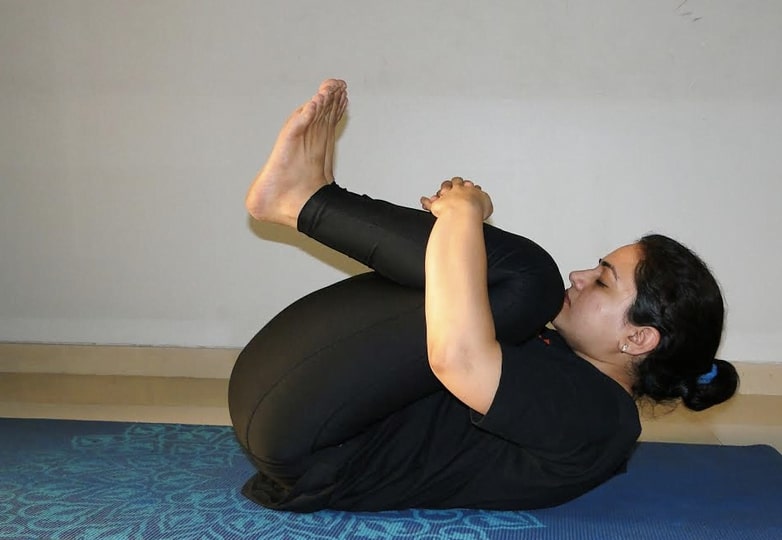
- Lengthen hamstrings in Reclined Hand-to-Big-Toe Stretch (Supta Padangusthasana): Loop a cotton strap around the sole of one foot, raising your leg upward while keeping your lower back flat on the floor.
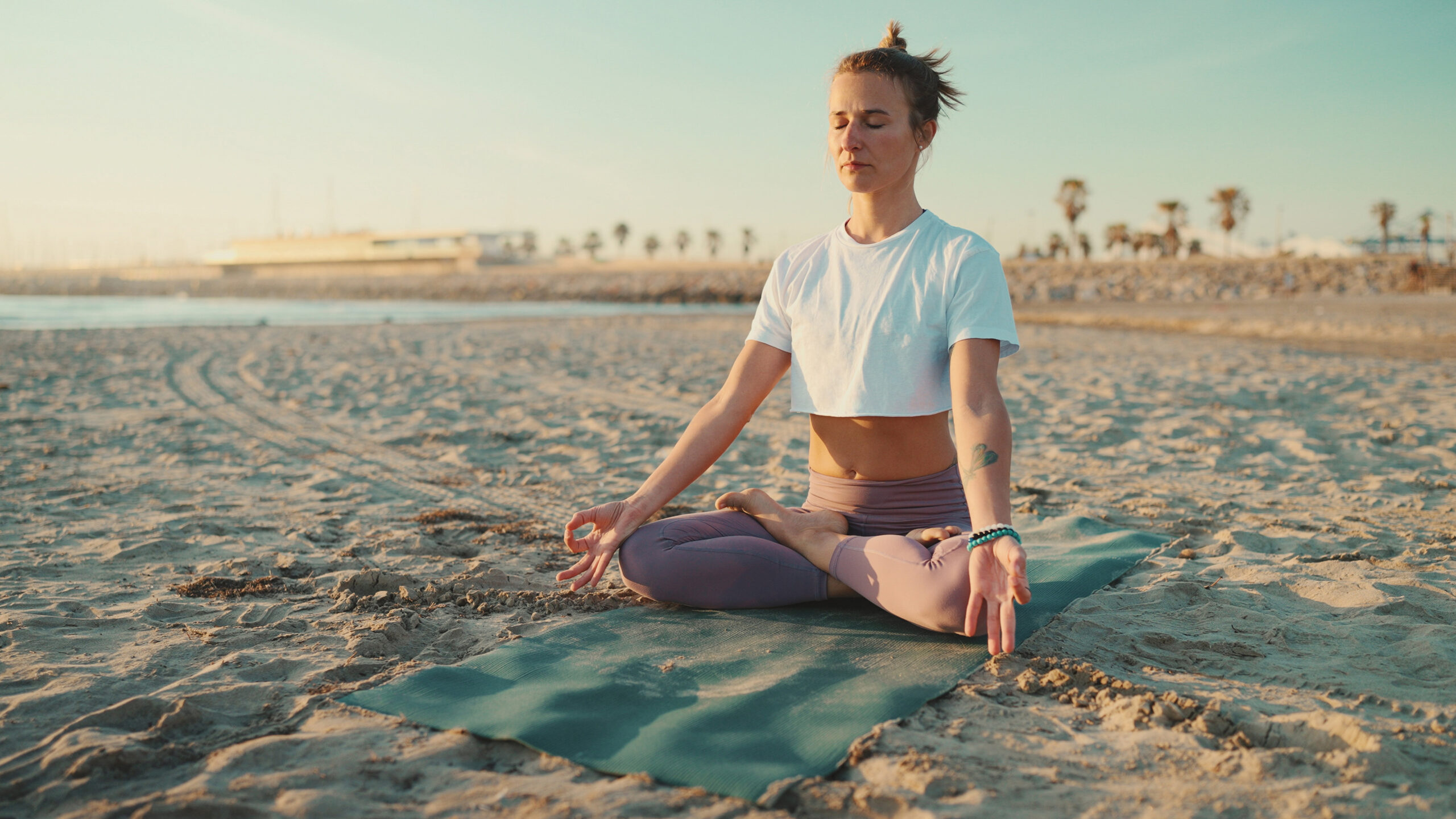
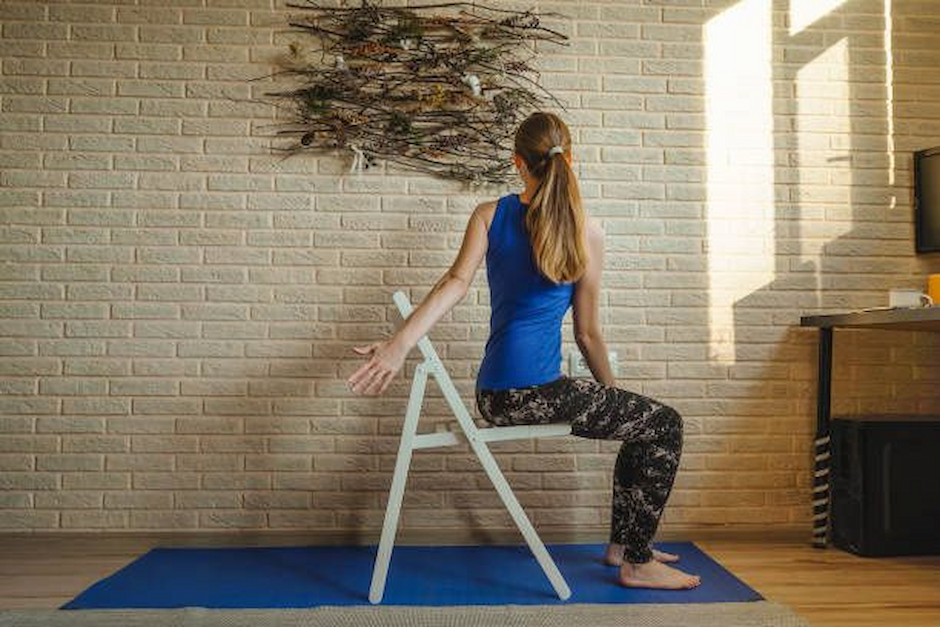
- Rotate gently in Seated Spinal Twist (Ardha Matsyendrasana): Sit tall with one leg crossed over the other, rotating your torso gently to release mid-back tightness and support spinal digestion.
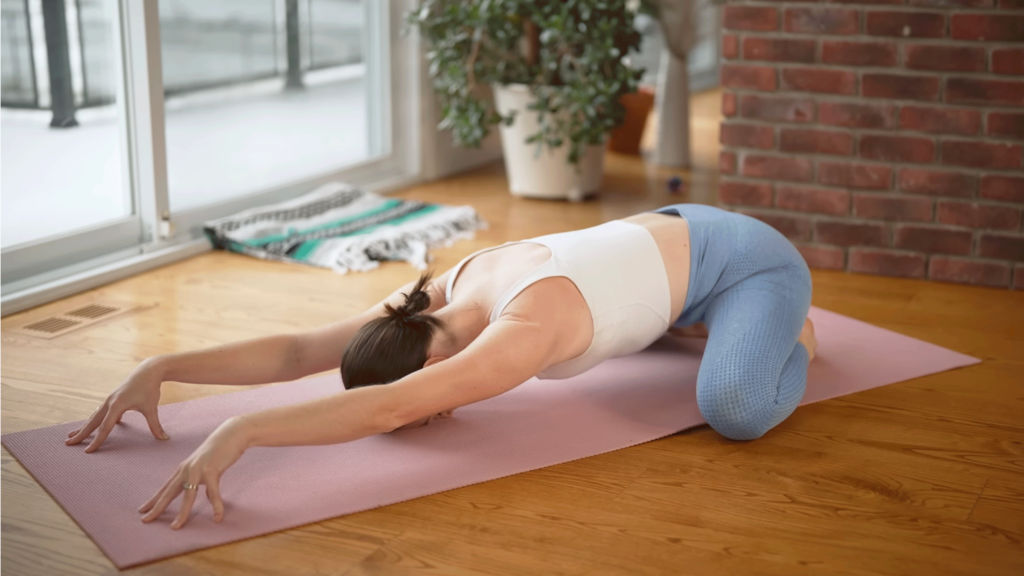
- Release shoulder blade tension in Thread the Needle (Parsva Balasana): From all fours, slide one arm under your chest, resting your shoulder on the floor to stretch upper back muscles.
- Rest deeply in Child’s Pose (Balasana): Kneel on your mat, sit back on your heels, and extend your arms forward, resting your forehead on the floor to calm your nervous system.
                 [ TEN-STRETCH SEQUENCE FLOW ]
                               │
      ┌────────────────────────┼────────────────────────┐
      ▼                        ▼                        ▼
[Spinal Warming 1-2]    [Hip & Core Lengthening 3-6] [Reclined Release 7-10]
Cat-Cow & Downward Dog  Low Lunge, Bend, Cobra, Bridge Strap Holds, Twists, Child's Pose
Over a decade of instructing online courses and beach sessions along ECR and Besant Nagar, we have seen this ten-stretch sequence restore mobility for practitioners of all ages. Our students report that taking fifteen minutes a day to complete these ten stretches completely removes work-related shoulder and back stiffness.
I remember a corporate manager from Thiruvanmiyur who struggled with tight hamstrings and constant lower back soreness from long office hours. We introduced him to this ten-stretch framework, using a cotton strap for his hamstrings and placing foam blocks under his hands during forward folds. This prop-assisted approach protected his lower back discs, built up his hip mobility, and completely cleared his back discomfort in less than three weeks. Having an experienced Yoga Alliance RYT instructor verify his form gave him the confidence to practice safely every day.
Proven physical, emotional, and systemic benefits of regular daily stretching
Committing to a daily routine of what are the 10 best stretches delivers clear physical and mental upgrades across your entire life:
Improved Muscle Length and Postural Realignment
Targeted static stretches elongate shortened muscle fibers in your hamstrings, hip flexors, and chest. Peer-reviewed research suggests that regular static stretching helps fix desktop slouching, realigns your pelvis, and improves overall posture.
       [ SOMATIC FLEXIBILITY ENGINE ]
                     │
                     ▼
       Map Muscle & Joint Tightness
                     │
                     ▼
  [Aggressive Quick Pulls] vs [Prop-Supported Static Holds]
                     │
                     ▼
     Restored Joint Range & Calmer Mind
Parasympathetic Activation and Reduced Muscle Guarding
Holding gentle stretches for 30 to 60 seconds while breathing slowly through your nose activates your parasympathetic nervous system. This direct shift lowers circulating stress hormones, releases tight muscle guarding, and helps you sleep more deeply.
Enhanced Joint Circulation and Injury Prevention
Systematically moving your joints through their safe ranges of motion encourages synovial fluid movement, which nourishes cartilage and protects ligaments. This daily care keeps your joints resilient, helping prevent accidental strains during daily activities.
How can beginners approach these 10 best stretches safely?
How should a beginner start practicing the 10 best stretches at home?
Beginners should start practicing what are the 10 best stretches by holding each pose for 20 to 30 seconds while breathing slowly through the nose. Use simple props like foam blocks, cotton straps, and folded blankets to adapt each pose to your current flexibility level without forcing your joints.
       [ BEGINNER STRETCHING GUIDE ]
                     │
                     ▼
       Verify Prop Support & Soft Knees
                     │
                     ▼
  [Forcing Deep Painful Stretches] vs [Using Blocks & Straps]
                     │
                     ▼
      Safe Muscle Lengthening & Joint Comfort
When you begin this stretching sequence, treat your time on the mat as a gentle exploration rather than an intense workout. Never force your muscles into sharp, painful stretches. Our certified instructors design every lesson to help you find a comfortable, gentle edge where your body can yield naturally.
To ensure your practice stays safe and effective, keep three basic guidelines in mind. First, warm up your body with light movements like Cat-Cow before attempting deeper hamstring holds. Second, focus on smooth, continuous nasal breathing to signal safety to your nervous system. Third, use props like foam blocks to bring the floor closer to your hands, keeping your spine long and your joints protected.
Common misunderstandings about daily stretching routines
- “Stretching must feel intensely painful to create real flexibility gains:” Pain triggers a protective muscle reflex that causes your muscles to contract; gentle, pain-free stretching yields much better long-term flexibility.
- “You should perform deep static stretches on cold muscles right after waking up:” Deep static holds require warm tissues; always practice gentle spinal warm-ups like Cat-Cow before moving into deep stretches.
- “Dynamic gym warm-ups replace the need for dedicated static stretching routines:” Dynamic movements prepare muscles for action, but static holds held for 30 to 60 seconds are essential for increasing long-term muscle length.
Practical tips from a veteran yoga instructor for daily stretching
- Elevate your hips on a blanket during seated stretches: Sitting on the edge of a folded blanket tilts your pelvis forward, keeping your spine long and taking pressure off your lower back.
- Maintain a soft bend in your knees during forward folds: Softening your knees shields your hamstring attachments and lower back from painful overstretching.
- Use a cotton strap for reclined leg stretches: A strap allows you to stretch tight hamstrings while keeping your head, neck, and shoulders fully relaxed on the floor.
- Focus on smooth, equal-ratio nasal breathing: Breathing slowly through your nose keeps your heart rate steady and encourages tight muscles to yield naturally.
- Stretch both sides of your body equally: Spend the same amount of time on both sides to build balanced mobility across your left and right hips and shoulders.
- Never bounce during static stretch holds: Bouncing triggers muscle reflexes that increase your risk of tearing delicate muscle fibers.
- End your stretching session in Child’s Pose: Spend two minutes in Child’s Pose at the end of your routine to let your nervous system fully absorb the benefits of practice.
Analytical Matrix of Practice Formats for Flexibility
| Practice Attribute | Fast-Paced Gym Stretching | Guided Hatha 10-Stretch Routine |
| Primary Physical Focus | Quick muscle preparation for lifting | Systematic muscle lengthening & spinal care |
| Stretch Hold Duration | Brief (5 to 10 seconds per hold) | Deep static (30 to 60 seconds per hold) |
| Prop Integration Depth | Minimal or rarely used | Essential (blocks, straps, blankets) |
| Nervous System Impact | High physical stimulation | Activates deep parasympathetic relaxation |
| Joint Alignment Safety | Low (minimal alignment tracking) | High (continuous alignment monitoring) |
FAQs
1. What are the 10 best stretches to include in a daily morning routine?
The ten best stretches are Cat-Cow, Downward Dog, Low Lunge, Standing Forward Bend, Cobra Pose, Bridge Pose, Reclined Strap Stretch, Seated Twist, Thread the Needle, and Child’s Pose.
2. How long should I hold each pose when practicing the 10 best stretches?
Hold each static stretch for 30 to 60 seconds while taking slow, steady nasal breaths to give your muscle tissues time to yield safely.
3. Is it safe to practice these 10 best stretches every day at home?
Yes, practicing these gentle, static stretches daily is very safe and helps maintain joint mobility, provided you avoid forcing painful movements.
4. Can practicing these 10 best stretches help relieve lower back tightness?
Yes, combining Low Lunge, Reclined Strap Stretch, and Child’s Pose releases tight hip flexors and hamstrings, which directly takes pressure off your lower back.
5. Should I warm up my muscles before practicing static flexibility stretches?
Yes, warm up your muscles with gentle movements like Cat-Cow or short light walks before holding deep static stretches.
6. What basic equipment do I need to practice the 10 best stretches safely?
You only need a non-slip 5mm yoga mat, two firm foam blocks, a cotton yoga strap, and a folded blanket for knee support.
7. Can absolute beginners with stiff muscles practice these 10 best stretches?
Yes, complete beginners can practice all ten stretches safely by using blocks and straps to modify each pose to their current flexibility level.
8. Why is slow nasal breathing important during deep static stretching?
Slow nasal breathing activates your parasympathetic nervous system, signaling your brain that your body is safe and allowing tight muscles to relax.
Building a Lifetime of Mobility, Balance, and Inner Peace
Committing to a daily routine of targeted muscle lengthening is one of the most effective ways to take care of your physical and mental health. Understanding what are the 10 best stretches gives you a simple, complete physical sequence that restores joint mobility, improves posture, and eases daily stress. By prioritizing proper alignment, using supportive props, and moving with your breath, you protect your body from strain while building lasting vitality.
Outdoor Yoga Chennai stands out as a trusted authority in wellness education, offering outstanding coastal beach workshops alongside structured online flexibility programs. We invite you to step away from fast, unguided fitness routines and discover the deep benefits of an intelligent stretching practice. Reach out to certified wellness educators today to schedule your intake consultation and take a confident step toward a balanced, pain-free life.


Leave a Comment