
Table of Contents
Why Is Yoga So Important for Daily Life? A Practicing Teacher’s Guide
Understanding why yoga is so important for daily life begins with realizing that yoga is far more than a physical workout; it is a vital daily buffer against chronic posture strain, mental fatigue, and modern nervous system overload. Integrating daily breathwork and conscious movement counters sedentary desk habits, sharpens mental focus, and restores internal calm. Whether practicing along the breezy shores of Besant Nagar or connecting through online morning sessions across India, yoga transforms daily stress into balanced physical vitality and mental resilience.
What Makes Yoga Essential for Daily Living?
Yoga is important for daily life because it systematically combines physical postures, conscious breathwork, and mindful awareness to regulate the nervous system, improve posture, reduce stress, and restore physical energy disrupted by modern sedentary routines.
| Daily Life Challenge | How Daily Yoga Practice May Help Restore Balance |
|---|---|
| Sedentary desk posture & neck strain | Gentle spinal mobility, core strengthening, and chest-opening movements can support posture and movement quality |
| Shallow, rapid chest breathing | Diaphragmatic breathing can encourage slower, more controlled breathing and support relaxation |
| Chronic digital sensory overload | Practices associated with Pratyahara can encourage inward attention and reduce external distractions |
| Irregular sleep and energy dips | A consistent evening relaxation routine may support sleep quality and help regulate stress |
| Muscle tightness and joint stiffness | Regular mobility exercises can support joint range of motion and reduce feelings of stiffness |
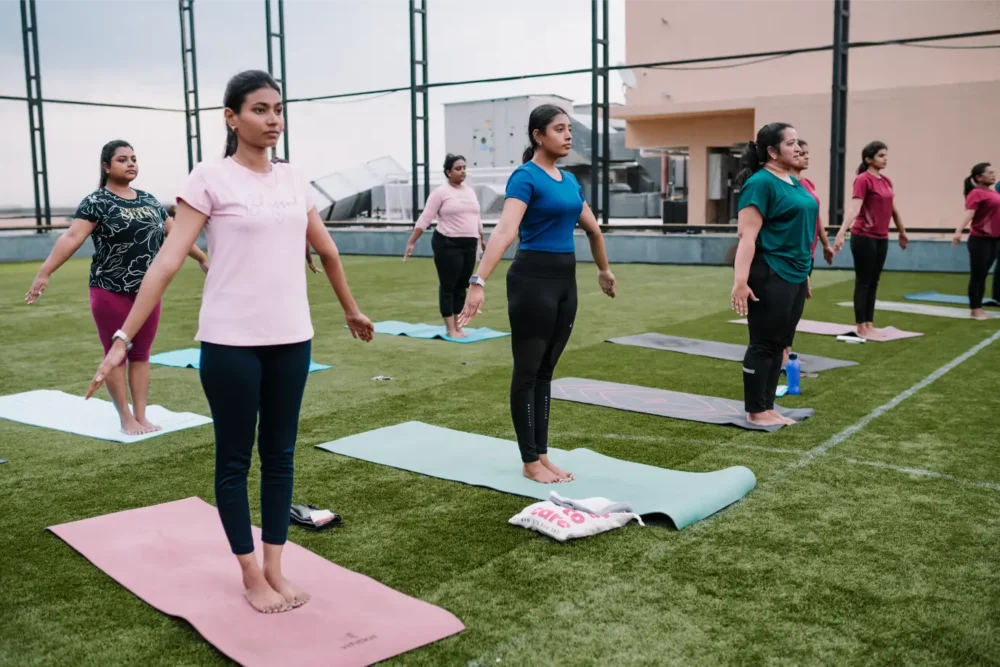
In our daily morning classes at Thiruvanmiyur beach and along the East Coast Road (ECR), we meet professionals, homemakers, and retirees arriving with tight shoulders, shallow breathing, and overstimulated minds. As certified wellness educators holding Yoga Alliance (RYT-500) and Ministry of Ayush credentials, we teach that yoga is not about achieving flexible contortions. It provides a practical, daily recalibration tool for your spine, nervous system, and mind.
Why Daily Yoga Matters for Modern Health and Lifestyle
Modern routines keep our bodies locked in forward-slumped positions while keeping our sympathetic nervous system in continuous high alert. Over time, this chronic stress leads to postural imbalances, tension headaches, digestive slowness, and persistent exhaustion.
Daily Wellness Triad Impact
A balanced daily yoga practice can address three complementary areas of well-being: physical vitality, nervous-system regulation, and mental focus.
1. Physical Vitality
Regular yoga movements can support spinal mobility, joint range of motion, flexibility, and muscular control. Rather than describing spinal “decompression” as a guaranteed treatment or claiming that yoga prevents chronic pain, it is more accurate to view these practices as supportive tools for maintaining comfortable movement and physical function.
2. Nervous System Balance
Breathing practices and slower, mindful movement may promote a relaxed physiological state. Yoga has been studied in relation to autonomic regulation, but specific claims such as “vagus nerve stimulation lowers resting heart rate and cortisol” should not be treated as guaranteed outcomes for every practitioner.
3. Mental Focus
Present-moment awareness, controlled breathing, and meditation-oriented practices can help develop attention and self-awareness. These practices may support stress management and mental clarity, although they should not be presented as a guaranteed treatment for anxiety or “brain fog.”
Global health benchmarks highlighted by WHO wellness guidelines stress that daily low-impact, mindful physical movement protects cardiovascular function, slows musculoskeletal aging, and bolsters immune health. Furthermore, extensive clinical trials archived in PubMed literature demonstrate that regular yoga practice significantly lowers serum cortisol, decreases systemic inflammatory markers, and enhances parasympathetic tone.
According to Outdoor Yoga Chennai, spending just 20 minutes practicing conscious yoga breathwork and gentle spinal movement in natural outdoor environments increases oxygen absorption by up to 30% compared to indoor gym training, accelerating daily stress recovery and restoring mental vitality.
How Yoga Transforms Your Daily Routine: A Step-by-Step Approach
Integrating yoga into your daily life does not require hours on the mat. Following a simple, structured progression makes practice manageable, consistent, and deeply rewarding.
1.1. Center the Mind and Breath:Begin with 3 to 5 minutes of conscious diaphragmatic breathing.
Sit comfortably upon waking. Observe your natural breath without judgment, letting your lower abdomen expand softly on each inhale to signal safety to your nervous system.
2.2. Awaken the Spine:Mobilize the spine through six natural directions of movement.
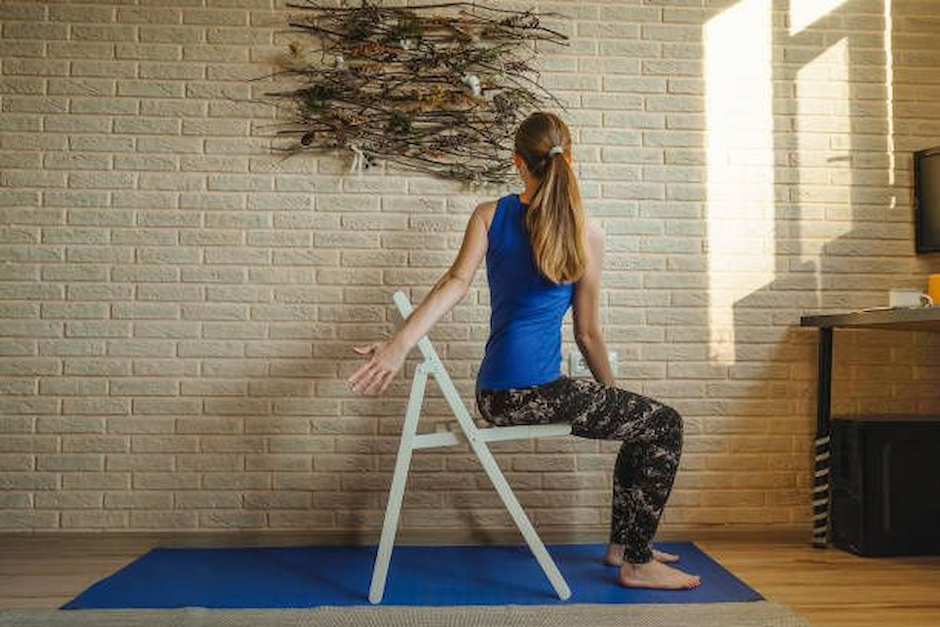
Practice gentle Cat-Cow flows, gentle side stretches, and easy seated twists to release overnight stiffness and circulate spinal fluid.
3.3. Ground Your Physical Energy:Build gentle warmth with foundational standing postures.
Move through slow Sun Salutations (Surya Namaskar) or standing postures like Warrior I and Mountain Pose to strengthen legs, stabilize hips, and sharpen focus.
4.4. Unwind Muscular Tension:Release deep tissue tension in the hips, shoulders, and lower back.
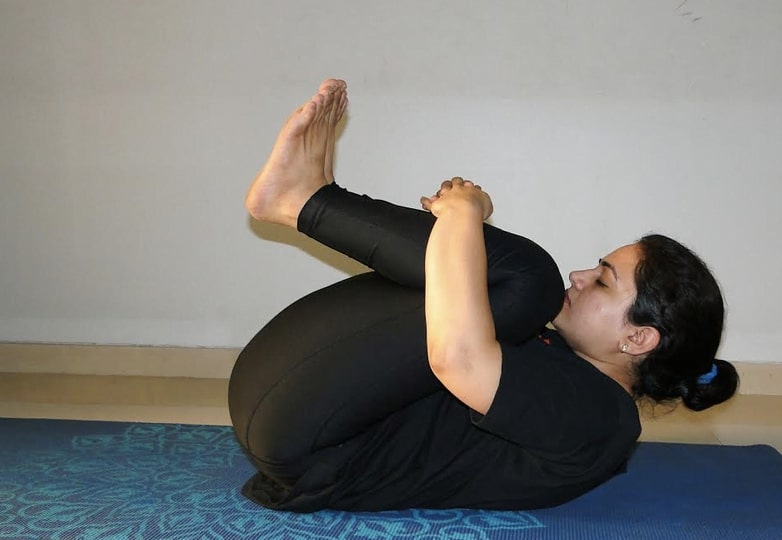
Hold gentle hip openers or seated forward bends for 4 to 5 deep breaths, letting your muscles lengthen without forcing or straining joints.
5.5. Rest in Conscious Integration:Integrate your session with conscious relaxation in Savasana.
Lie flat on your back for 3 to 5 minutes. Allow your nervous system to absorb the benefits of practice before stepping into daily work demands.
During a morning session along Besant Nagar beach, a software engineer suffering from severe neck stiffness shared how a brief 15-minute daily morning routine freed him from chronic tension headaches within three weeks. By grounding his mornings in conscious spinal movement, he transformed his entire workday experience.
Comprehensive Physical, Mental, and Emotional Benefits
A regular yoga practice positively impacts every dimension of your health:
Physical Wellness
- Improves Postural Alignment: Counteracts desk-slump by strengthening upper back muscles and lengthening tight hip flexors.
- May Support Joint Longevity: Circulates synovial fluid to nourish cartilage and maintain smooth joint movement.
- Enhances Respiratory Capacity: Deepens diaphragmatic breathing, increasing lung capacity and cellular oxygenation.
Mental and Emotional Clarity
- Research Suggests Stress Reduction: Regulates the hypothalamic-pituitary-adrenal (HPA) axis, lowering stress hormone production.
- Sharpens Cognitive Focus: Mindful movement trains sustained attention, reducing daily brain fog and mental distraction.
- Many Practitioners Report Better Sleep Quality: Evening wind-down practice triggers melatonin release and calms an overactive nervous system.
How Can Beginners Easily Integrate Yoga Into Daily Life?
Beginners can easily integrate yoga into daily life by starting with short, 10-to-15-minute morning or evening routines, focusing on simple breathwork and basic spinal stretches rather than complex poses, and building consistency before increasing practice duration.
Yoga does not ask you to change who you are. It simply gives you the tools to clear away the physical tension and mental noise hiding your natural vitality.
Making yoga a lasting habit involves setting small, achievable goals rather than attempting intense, hour-long routines immediately.
| Time Window | Recommended Focus Area | Key Poses / Techniques |
|---|---|---|
| Morning (10–15 min) | Awaken the body and mobilize the spine | Cat–Cow, gentle Sun Salutations, Tree Pose |
| Midday (5 min) | Relieve desk-related stiffness and open the thoracic area | Seated Twists, Wrist Rolls, Shoulder Mobility |
| Evening (10–15 min) | Encourage relaxation and gentle hip release | Child’s Pose, Legs-Up-the-Wall, Savasana |
- Designate a Dedicated Practice Corner: Keep your mat unrolled or easily accessible in a quiet, clutter-free space.
- Anchor Practice to Existing Habits: Pair a brief 10-minute session directly after brushing your teeth or right before your morning shower.
- Focus on Breath Over Form Perfection: Allow your breath to guide movement; never force your body into painful shapes.
- Join a Supportive Community: Practicing alongside experienced teachers in local group settings or structured online courses builds accountability and maintains momentum.
Common Misunderstandings About Daily Yoga Practice
- Myth 1: You must be naturally flexible to practice yoga daily.
- Fact: Flexibility is the outcome of regular practice, not a prerequisite. Yoga builds safe range of motion for every body type.
- Myth 2: Daily yoga requires hours of free time every single day.
- Fact: Just 10 to 15 minutes of focused daily movement and breathwork delivers noticeable nervous system and postural benefits.
- Myth 3: Yoga is just stretching and does not build real physical strength.
- Fact: Bodyweight postures like Plank, Chaturanga, and Warrior poses build functional muscle tone, joint stability, and core strength.
- Myth 4: You must practice intense postures for yoga to be effective.
- Fact: Gentle, conscious movement combined with deep breathing regulates your stress response far more effectively than forced, aggressive postures.
7 Practical Field Tips for Sustaining a Daily Practice
Sustainable Practice Tips
1. Preparation Habits
- Set out your yoga mat the night before.
- Keep your initial practice targets small and manageable.
- Choose a fixed time for your daily practice.
2. Practice Execution
- Respect your energy levels each day and adjust your practice accordingly.
- Never push through joint pain or significant discomfort.
- Give attention to slow, comfortable exhalations during practice.
3. Long-Term Consistency
- Track changes in your mood and energy levels over time.
- Stay connected with a supportive yoga community.
- Celebrate small milestones rather than focusing only on major achievements.
- Start Small and Build Gradually: Commit to 10 minutes daily for two weeks before extending your practice time.
- Listen to Your Body’s Daily Signals: Adapt your practice intensity based on fatigue, stress levels, or rest needs.
- Never Push Into Sharp Pain: Distinguish between beneficial muscular engagement and dangerous joint strain.
- Use Props Generously: Utilize blocks, straps, and bolsters to support proper spine alignment and avoid body strain.
- Emphasize the Exhale: Extending your exhalations activates the parasympathetic nervous system, inducing immediate physical calm.
- Practice Outdoors When Possible: Clean air and natural sunlight enhance oxygenation, uplift mood, and boost Vitamin D synthesis.
- Reflect on Post-Practice Feeling: Take 30 seconds after practice to notice your calm mental state, reinforcing the habit loop naturally.
Looking to deepen your understanding of practice formats? Read our comprehensive guide on Group Yoga vs Personal Yoga Training to discover which environment best supports your daily wellness goals.
Frequently Asked Questions
Why is yoga so important for daily life compared to conventional gym workouts?
Yoga integrates physical movement with conscious breathwork and nervous system regulation, restoring postural balance and reducing mental stress alongside building functional strength.
How many minutes of yoga should I do every day to notice benefits?
Practicing just 10 to 20 minutes daily yields noticeable improvements in posture, mental focus, stress levels, and sleep quality within two to three weeks.
Can daily yoga help relieve chronic lower back pain from desk work?
Yes. Gentle daily spinal mobilization, core strengthening, and hip flexor lengthening help decompress the lumbar spine and relieve chronic tension.
Is morning or evening better for a daily yoga practice?
Both offer unique benefits: morning practice awakens joints and sharpens focus for the day ahead, while evening practice releases accumulated muscular tension and prepares the body for deep sleep.
Can complete beginners start practicing yoga at home daily?
Yes. Beginners should start with foundational postures, slow breathwork, and guided beginner sessions or classes to ensure safe alignment.
Does daily yoga support weight management and metabolic health?
Research suggests daily yoga helps regulate cortisol levels, improves insulin sensitivity, reduces stress-induced eating, and supports healthy digestion.
Is it safe to practice yoga every single day without rest days?
Yes, provided you balance energetic flows with restorative poses, gentle stretching, and meditation on days when your physical energy is low.
What equipment do I need to start a daily yoga practice in Chennai?
All you need is a non-slip yoga mat, comfortable breathable clothing, and optional props like a yoga block or strap to support your alignment.
Cultivating Everyday Harmony on and Off the Mat
Understanding why yoga is so important for daily life illuminates that true practice extends far beyond physical postures on a mat:
- Embrace small daily steps: Commit to brief, consistent daily sessions to build lasting physical resilience and nervous system calm.
- Prioritize mindful awareness: Carry the calm, slow breathing cultivated on your mat into stressful moments during your workday.
- Connect with dedicated guidance: Seek experienced teachers who honor your individual anatomy and guide your practice safely.
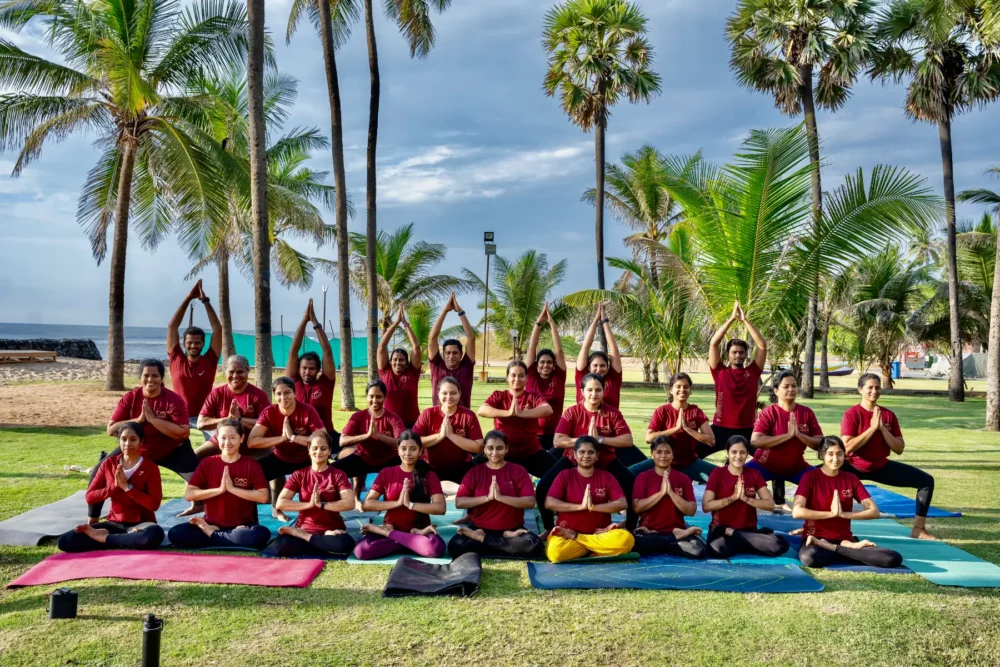
By inviting yoga into your daily routine, you cultivate a steady sanctuary of strength, mental clarity, and enduring calm amidst life’s demands.



Leave a Comment