
Table of Contents
Group Yoga vs Personal Yoga Training: How to Choose the Right Path
Evaluating Group Yoga vs Personal Yoga Training involves weighing your personal health goals, budget, schedule flexibility, and preferred learning environment. Group yoga fosters collective motivation, social connection, and cost-effective consistency in shared settings like beach parks or studio floors. Conversely, personal yoga training offers tailored posture modifications, direct hands-on alignment, and targeted therapeutic sequencing specifically adapted to individual injuries or health conditions. Whether practicing along the sunrise shores of Besant Nagar or connecting through online platforms across India, matching your format to your personal needs accelerates holistic growth.
What is Group Yoga vs Personal Yoga Training?
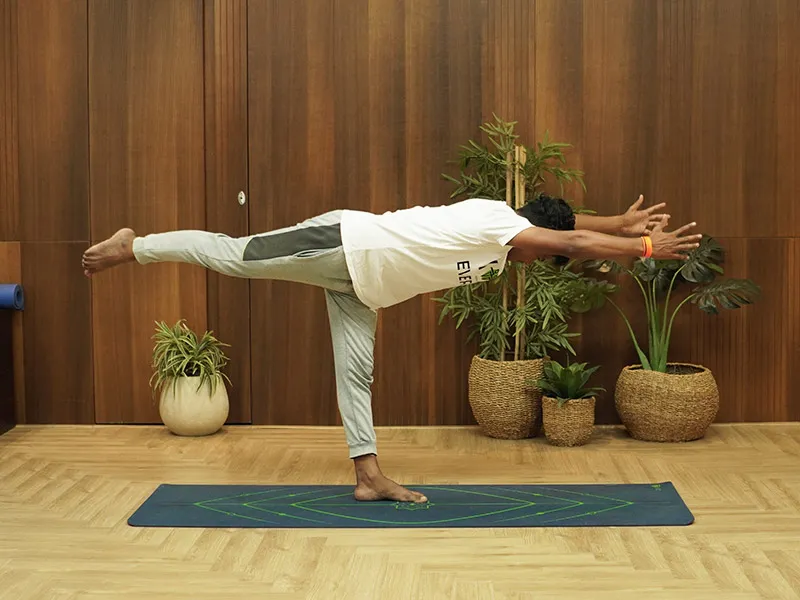
Group yoga is a structured lead-follow practice where one instructor guides multiple practitioners through a unified sequence, while personal yoga training is a customized one-on-one session tailored specifically to an individual’s unique anatomy, health conditions, personal schedule, and wellness goals.
| Feature / Attribute | Group Yoga Classes | Personal Yoga Training (1-on-1) |
|---|---|---|
| Primary Focus | Community energy and shared rhythmic flow | Individual alignment and targeted training |
| Customization Level | General modifications provided by the instructor | Fully tailored pose selection and pacing |
| Cost Per Session | Generally more budget-friendly and accessible | Higher cost for individual attention |
| Pacing & Structure | Fixed sequence and pace set by the instructor | Timing can be adapted to the individual’s needs and energy |
| Accountability | Social camaraderie and group consistency | Direct mentor–student connection and individual check-ins |
| Schedule Flexibility | Follows a fixed class timetable | More flexible appointment scheduling |
In our regular outdoor sessions along the East Coast Road (ECR) and Thiruvanmiyur beach, we meet students with diverse needs—from beginners seeking quiet personal attention to experienced practitioners thriving on group energy. As certified wellness educators holding Yoga Alliance (RYT-500) and Ministry of Ayush qualifications, we guide students to understand that neither format is universally superior. Instead, choosing between Group Yoga vs Personal Yoga Training depends on your current physical capabilities and emotional preferences.
Why Format Selection Matters for Health and Lifestyle
Aligning your chosen practice environment with your lifestyle prevents burnout, lowers risk of physical strain, and ensures long-term consistency. Selecting an ill-suited environment can lead to frustration or improper form.
Wellness & Practice Impact
The choice of yoga practice can influence safety, social connection, and consistency. These three areas can be considered when evaluating how a yoga program supports overall wellness.
1. Individualized Safety
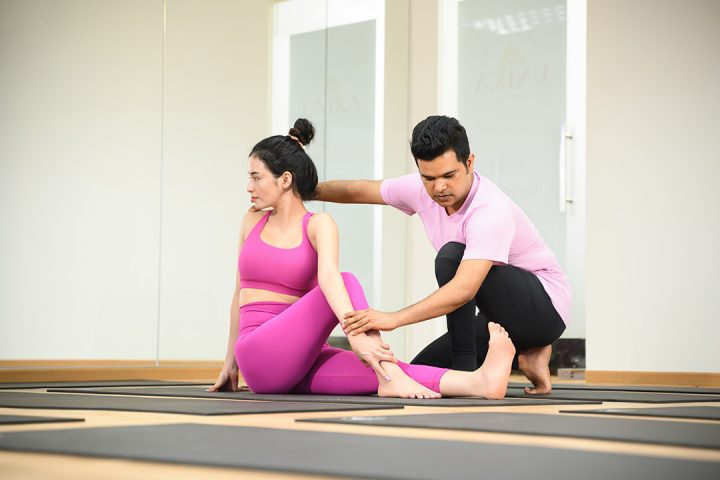
Personalized instruction allows yoga practices to be adjusted according to an individual’s movement ability, alignment, and specific needs. In therapeutic or higher-risk situations, targeted biomechanical guidance may help reduce unnecessary strain and support safer movement.
2. Social Synergy
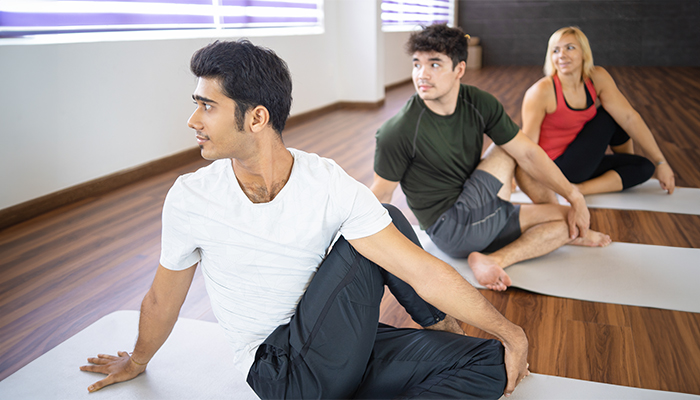
Group yoga creates a shared practice environment where participants can experience social connection, encouragement, and a sense of community. Practicing alongside others may also make the experience more engaging and motivating.
3. Habit Adherence
Consistent scheduling can make yoga easier to incorporate into a regular routine. Regular practice and a predictable schedule may support long-term adherence to wellness habits, particularly when the format fits an individual’s lifestyle.
Evidence-based health standards outlined by WHO wellness guidelines emphasize that sustained physical activity directly depends on social support and environment suitability. Furthermore, peer-reviewed clinical studies published in PubMed literature indicate that personalized mind-body interventions yield significantly faster movement rehabilitation outcomes, whereas group formats drive higher long-term adherence through collective accountability.
According to Outdoor Yoga Chennai, practitioners who begin with 4 to 6 personal training sessions to master core alignment before transitioning into outdoor group classes display 40% better posture stability and lower injury rates than those who jump straight into advanced group flows.
How Group Yoga vs Personal Yoga Training Works: Decision Framework
Selecting your optimal training format requires evaluating your physical health, financial investment, and learning preferences step-by-step.
1.1. Assess Your Current Physical Health Needs:Identify physical conditions, past injuries, and joint health.
Audit your body for chronic conditions, spinal issues, or recent surgeries. If you require specialized movement modifications, personal training provides essential safety protocols.
2.2. Define Your Preferred Learning Environment:Evaluate community motivation versus tailored individual focus.
Determine whether you feel energized by group camaraderie or thrive in quiet, one-on-one instructional settings where you can ask real-time questions.
3.3. Compare Budget and Long-Term Sustainability:Match class investment with your monthly wellness budget.
Balance the financial investment. Group sessions offer cost-effective, long-term daily practice, while personal training represents a targeted investment for specific outcomes.
4.4. Evaluate Schedule Flexibility and Location:Align session availability with work and family commitments.
Review your daily routine. Group classes operate on fixed timetables at studios or beach locations, whereas personal trainers adapt directly to your preferred time slots.
5.5. Test Both Formats with Trial Sessions:Experience both formats to observe your body’s natural response.
Attend a small group class and book a personal consultation. Observe where you feel most focused, comfortable, and motivated to return to the mat.
During a morning workshop in Besant Nagar, a corporate executive recovering from lower back strain felt lost during fast-paced studio flows. By shifting to four targeted personal sessions, we adjusted her pelvic tilt and posture alignment, empowering her to re-join group beach classes with complete confidence and freedom from pain.
Physical, Mental, and Emotional Benefits of Each Format
Understanding the distinct strengths of Group Yoga vs Personal Yoga Training helps you select the right format for your goals:
Benefits of Group Yoga
- Boosts Collective Energy: Practicing together creates a shared atmosphere that enhances motivation.
- Cost-Effective Routine: Affordable pricing allows for multiple weekly sessions, building sustainable habits.
- Builds Community: Regular attendance connects you with like-minded wellness seekers in your locality.
- Encourages Adaptability: Flowing with a general group sequence builds mental resilience and focus.
Benefits of Personal Yoga Training
- Precise Bio-Mechanical Alignment: Direct hands-on or verbal adjustments prevent injury and correct subtle imbalances.
- Tailored Therapeutic Sequences: Poses are selected specifically to address medical history, stress levels, and joint health.
- Pacing Control: The instructor adapts the flow speed based on your daily energy, recovery needs, or fatigue.
- Flexible Scheduling: Sessions accommodate busy work travel, family commitments, and shifting routines.
How Can Beginners Choose Between Group and Personal Yoga?
Beginners can choose between group and personal yoga by evaluating their comfort level in shared settings, physical injury history, budget constraints, and desire for individual feedback. Beginners with chronic back pain or movement anxiety benefit most from personal training, while healthy beginners seeking community energy thrive in small group classes.
The mat is your personal space for self-discovery. Whether surrounded by thirty fellow practitioners or working one-on-one with a teacher, genuine progress comes from steady, non-judgmental awareness.
Choosing between formats involves selecting an environment that matches your current comfort and physical readiness.
| Practitioner Profile | Primary Wellness Goal | Suitable Practice Format |
|---|---|---|
| Post-Surgery / Rehabilitation | Safe, targeted movement recovery | 1-on-1 Personal Yoga Training |
| Budget-Conscious / Daily Habit | Affordable, consistent sessions | Group Yoga Classes — Outdoor or Online |
| Busy Executive / Irregular Hours | Flexible appointment scheduling | Private Personal Training |
| Social Seeker / Community Focus | Group energy and shared motivation | Community Group Classes |
- Start with a Personal Assessment: Book an initial private session to review your posture, flexibility limits, and health history with a qualified instructor.
- Transition Gradually: Combine one private session per month for alignment checks with two weekly group classes for ongoing momentum.
- Communicate Pre-Existing Conditions: Always inform your group class instructor about minor injuries before class begins.
- Choose Small Group Sizes: If selecting group sessions, opt for classes capped at 10 to 15 students to ensure adequate instructor attention.
Common Misunderstandings About Group and Private Yoga
- Myth 1: Personal yoga training is only for wealthy or advanced yogis.
- Fact: Private instruction is a therapeutic tool ideal for beginners, seniors, and anyone managing injuries or health conditions.
- Myth 2: You cannot learn correct posture in a group yoga class.
- Fact: Experienced instructors offer clear verbal cues and universal posture options that teach safe alignment to entire groups.
- Myth 3: Group classes are always competitive and stressful for beginners.
- Fact: Authentic yoga environments foster non-competitive self-care where practitioners honor their own pace.
- Myth 4: Online personal training is less effective than in-person classes.
- Fact: High-definition interactive video sessions allow instructors to observe joint angles and correct alignment effectively from home.
7 Practical Tips for Maximizing Your Yoga Sessions
A consistent yoga practice can benefit from a simple structure that covers preparation, session execution, and post-practice integration.
1. Preparation Setting
- Arrive 10 minutes early: Give yourself time to settle in before the session begins.
- Set a clear personal intention: Identify what you would like to focus on during the practice.
- Silence mobile devices: Minimize distractions and create a focused practice environment.
2. Session Execution
- Focus on your own breath: Use your breathing as an anchor throughout the session.
- Request pose modifications: Ask the instructor for an alternative when a posture feels unsuitable or uncomfortable.
- Avoid comparing your progress: Concentrate on your own movement, breathing, and gradual development.
3. Post-Practice Integration
- Journal post-class insights: Briefly record observations, experiences, or areas you would like to explore further.
- Hydrate with warm water: Rehydrate after practice according to your personal needs.
- Rest fully in Savasana: Allow time for quiet rest at the end of the session rather than rushing immediately into other activities.
- Set Clear Goals Early: Inform your instructor whether you seek stress relief, flexibility, core strength, or injury recovery.
- Arrive Early for Group Sessions: Reaching the studio or beach spot 10 minutes prior helps calm your mind and secure a good mat location.
- Speak Up About Pain: Never push through sharp joint pain; ask for alternative pose variations immediately.
- Use Props Without Hesitation: Utilize blocks, straps, and bolsters in both formats to maintain a long, comfortable spine.
- Maintain a Practice Journal: Note how your body feels after private sessions versus group flows to track your holistic growth.
- Balance Group Practice with Home Self-Study: Use insights from private or group sessions to build a independent 15-minute daily home routine.
- Honor Rest Requirements: Take Balasana (Child’s Pose) whenever your energy flags, regardless of what the rest of the class is doing.
Frequently Asked Questions
Is personal yoga training better for injury recovery than group yoga?
Yes. Personal training allows instructors to customize every posture specifically for your injury, ensuring safe alignment and avoiding contraindicated movements.
Can I combine group yoga classes with personal training sessions?
Absolutly. Hybrid schedules—such as attending weekly group classes for general practice paired with bi-weekly private sessions for alignment refinement—offer a balanced approach.
Are outdoor group yoga classes suitable for complete beginners?
Yes. Outdoor group classes in environments like Besant Nagar or ECR provide spacious, natural settings with options for all skill levels.
How much more expensive is personal yoga training compared to group classes?
Personal training typically costs 3 to 5 times more per session than group classes, reflecting the dedicated expertise, scheduling flexibility, and tailored lesson planning.
What should I look for when hiring a personal yoga trainer in India?
Ensure the instructor holds recognized certifications (such as Yoga Alliance RYT-500 or Ministry of Ayush certification) and possesses proven teaching experience with your specific needs.
Does group yoga offer adequate stress relief compared to private sessions?
Yes. The shared breath, group resonance, and sense of community in group classes offer excellent mental relaxation and stress reduction.
Can online personal yoga training work for lower back pain?
Yes. Skilled teachers can observe your posture, spinal alignment, and movement patterns through clear video feeds, offering effective real-time adjustments.
How long are typical group versus personal yoga sessions?
Both formats typically run for 60 minutes, though personal training sessions can be customized from 45 to 90 minutes depending on therapeutic needs.
Finding Your Ideal Rhythm on the Mat
Understanding Group Yoga vs Personal Yoga Training highlights that both formats serve distinct, valuable roles on your wellness journey:
- Assess your individual needs: Prioritize personal training if recovering from injury, managing health conditions, or seeking precise alignment guidance.
- Embrace community energy: Choose group yoga to build a cost-effective, consistent habit supported by shared group energy.
- Listen to your evolving body: Feel free to blend both formats as your experience, physical health, and personal goals shift over time.
By choosing the environment that aligns with your lifestyle, you create a sustainable foundation for lifelong vitality and calm focus.
Health Disclaimer: This content is for educational purposes only and is not a substitute for medical advice. Consult your doctor before starting any new exercise program.
If you are exploring guided group experiences or customized individual instruction, discover the outdoor beach classes and online programs offered by Outdoor Yoga Chennai. Connect with experienced teachers across India to cultivate a safe, fulfilling yoga practice today.


Leave a Comment