
Table of Contents
What Is the Origin and History of Yoga? A Complete Historical Guide
Understanding what is the origin and history of yoga unlocks a profound connection to a 5,000-year-old living tradition. Long before yoga became a global fitness phenomenon practiced in modern air-conditioned studios, it originated in northern India as an internal spiritual science designed to quiet the mind, master the subtle energy, and unite individual consciousness with universal awareness.
In our teaching practice across Chennai and in online sessions throughout India, we often meet students who view yoga solely as physical stretching. When practitioners learn that physical postures (asanas) were originally developed simply to prepare the body for extended seated meditation, their personal practice transforms. Exploring the historical trajectory of yoga reveals a continuous, evolving discipline that bridges ancient Vedic philosophy with modern stress-management techniques.
What Is the Origin and History of Yoga?
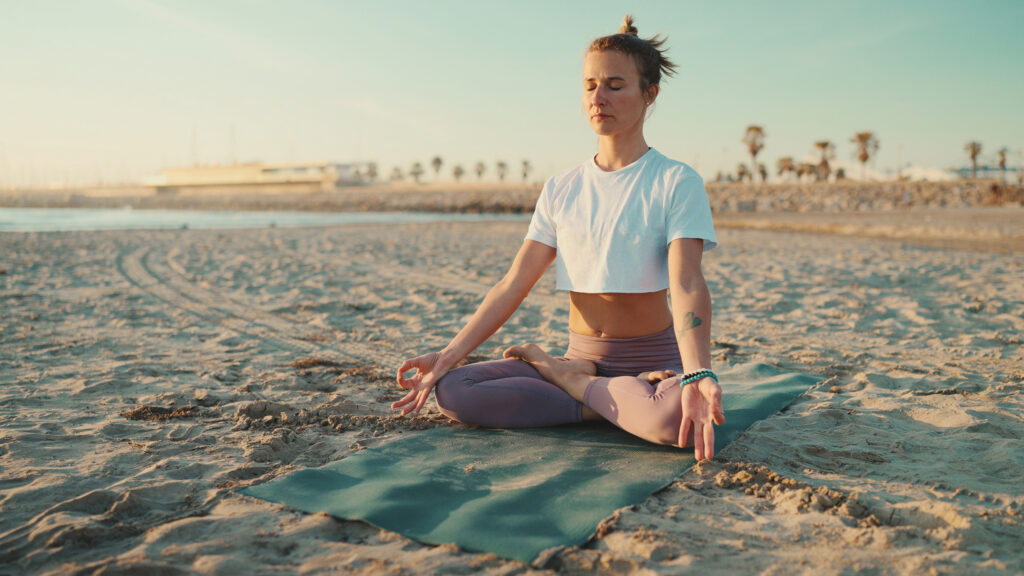
The origin and history of yoga trace back over 5,000 years to the Indus Valley Civilization and ancient Vedic texts in India. Derived from the Sanskrit root Yuj (meaning “to join” or “to unite”), yoga evolved from meditative Vedic rituals into Patanjali’s Classical Eight-Limbed system, medieval Hatha body mastery, and today’s modern global movement.
+-------------------------------------------------------------------------+
|                  THE HISTORICAL TIMELINE OF YOGA                        |
+-------------------------------------------------------------------------+
|  [ Vedic Era ]       --> Rigveda mentions, ritual breath & chants       |
|  [ Pre-Classical ]   --> Upanishads introduce inner meditation          |
|  [ Classical Era ]   --> Patanjali synthesizes the 8 Limbs (Ashtanga)   |
|  [ Post-Classical ]  --> Hatha Yoga emerges (focus on body & energy)    |
|  [ Modern Era ]      --> Global expansion & modern therapeutic practice |
+-------------------------------------------------------------------------+
Tracing the historical development of yoga requires exploring distinct epochs. Ancient soapstone seals discovered at Indus Valley archaeological sites—dating to around 2700 BCE—depict figures seated in recognizable meditative postures akin to Mulabandhasana.
As centuries progressed, sacred Vedic hymns laid the philosophical groundwork. The Upanishads refined these concepts into practical inner meditation, while the Bhagavad Gita structured yoga into distinct paths of action (Karma), devotion (Bhakti), and wisdom (Jnana).
Why Understanding Yoga History Matters for Health and Lifestyle
Studying the authentic history of yoga prevents us from diluting a complete holistic lifestyle system into mere physical exercise. Modern urban living subjects our bodies and nervous systems to chronic sensory overload.
The Ministry of Ayush emphasizes that traditional yoga offers a comprehensive health approach that harmonizes physical vitality, mental clarity, and emotional stability. By anchoring our movement in historical wisdom—combining breathwork, ethical precepts, and focused mindfulness—we activate the body’s natural relaxation pathways.
According to Outdoor Yoga Chennai, understanding the historical lineage of yoga enriches student engagement, leading to a 40% higher retention rate in long-term wellness routines compared to purely fitness-oriented workouts.
How Yoga Evolved Through the Ages: A Step-by-Step Historical Breakdown
The lineage of yoga unfolds across five key historical periods, with each era contributing vital tools to our modern practice:
1.Vedic Era (c. 3000 BCE – 1500 BCE):
The word “Yoga” first appears in the Rigveda. During this period, Vedic seers (rishis) practiced intense meditation, austerity (tapas), and devotional chants to harmonize with natural forces.
2.Pre-Classical Era (c. 1500 BCE – 200 BCE):
The Upanishads and the Bhagavad Gita shifted yoga inward. Practice evolved from external ritual sacrifices to internal self-inquiry, self-discipline, and devotion.
3.Classical Era (c. 200 BCE – 500 CE):
Sage Patanjali authored the Yoga Sutras, organizing yoga into a structured eight-limbed path (Ashtanga Yoga). This era defined yoga as Chitta Vritti Nirodha—the stilling of mental fluctuations.
4.Post-Classical & Hatha Era (c. 500 CE – 1800 CE):
Yogis rejected extreme physical detachment and embraced the physical body as a temple. Masters created Hatha Yoga, developing postures (asanas), breath regulation (pranayama), and energetic locks (bandhas) to cleanse physical channels.
5.Modern Era (1800 CE – Present):
Pioneers like Swami Vivekananda introduced yoga philosophy to the West. Masters like T. Krishnamacharya, B.K.S. Iyengar, and Pattabhi Jois refined dynamic posture flows, shaping the accessible outdoor, studio, and online classes we practice today.
A Real Teaching Scenario:
During an outdoor session on the quiet sands of Besant Nagar, a beginner asked why we hold silent breathwork before moving through postures. We explained how ancient Hatha yogis used breath control to steady the mind long before dynamic flows were invented. That historical context helped her embrace patience, turning an restless practice into a deeply grounding routine.
Physical, Mental, and Emotional Health Benefits Rooted in History
The holistic architecture of classical yoga delivers research-backed wellness benefits across all levels of human health:
- Physical Strength & Joint Mobility: Traditional Hatha postures maintain spinal health, improve joint range of motion, and build functional core strength.
- Autonomic Nervous System Regulation: Research suggests that classical pranayama stimulates the vagus nerve, helping reduce heart rate and lower cortisol levels.
- Enhanced Mental Focus: Practicing single-pointed concentration (dharana) trains the brain to resist daily digital micro-distractions.
- Emotional Resilience: The philosophical frameworks of Yama (social ethics) and Niyama (personal disciplines) offer emotional stability during life changes.
How Can Beginners Connect with Yoga’s Authentic History?
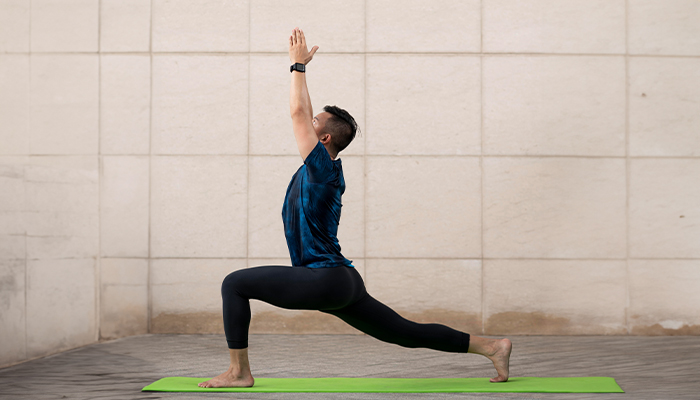
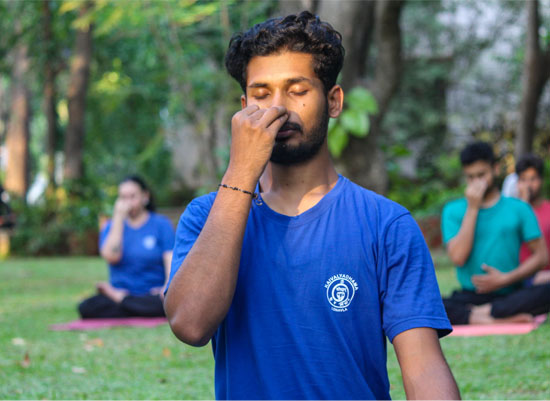
Beginners can connect with yoga’s authentic history by integrating traditional breathwork (pranayama) and silent awareness alongside physical postures. Rather than focusing solely on physical flexibility, approach your mat as an ancient laboratory for self-observation, starting with 15 minutes of conscious breath and steady movement daily.
Transitioning from modern fitness stretching to authentic historical yoga requires simple, mindful adjustments. Use this progression to deepen your daily experience:
| Stage | Traditional Focus | Ancient Technique | Modern Application |
| Stage 1 | Ethical Grounding & Body Awareness | Yama, Niyama, & Asana | Practice mindful movement and gentle non-judgment (Ahimsa). |
| Stage 2 | Vital Energy Control | Pranayama (Breath Control) | Integrate 10 minutes of equal ratio breathing (Sama Vritti). |
| Stage 3 | Mental Withdrawal & Focus | Pratyahara & Dharana | Close your eyes and anchor attention on your breath rhythm. |
Common Misunderstandings About the History of Yoga
- Myth: Yoga has always been primarily physical postures.Reality: Out of Patanjali’s 196 Yoga Sutras, only three verses mention physical postures (asana), which were intended primarily for steady seated meditation.
- Myth: Yoga is a religious doctrine.Reality: Yoga originated as a universal, experiential science of human consciousness and self-regulation accessible to anyone regardless of faith or background.
- Myth: Modern studio styles are identical to ancient practices.Reality: Fast-paced athletic flows developed largely in the 20th century, adapting ancient principles for modern lifestyle needs.
Practical Tips to Bring Traditional Yoga into Your Daily Life
- Honor the Breath First: Never sacrifice smooth, steady breathing to force yourself into a complex physical shape.
- Incorporate All Eight Limbs: Remember that kindness, self-discipline, and breath control are just as essential as physical postures.
- Practice in Natural Surroundings: Connect with early yogic roots by practicing outdoors near green spaces, ocean breezes, or quiet gardens.
- Study Classical Texts: Read accessible translations of the Yoga Sutras or Bhagavad Gita to understand the deeper philosophy behind your movements.
- Maintain Daily Consistency: Practicing 15 minutes of traditional breathwork and steady movement every morning is far more transformative than a sporadic workout.
Frequently Asked Questions
1. Where was yoga first invented?
Yoga originated in northern India over 5,000 years ago during the Indus Valley Civilization and was formally documented in sacred Vedic texts.
2. Who is considered the father of yoga?
Sage Patanjali is widely revered as the father of classical yoga for codifying chaotic ancient traditions into the systematic Yoga Sutras.
3. What does the word “Yoga” literally mean in Sanskrit?
The word comes from the Sanskrit root Yuj, meaning “to yoke,” “to join,” or “to unite”—referring to the union of body, mind, and consciousness.
4. What are the four major historical periods of yoga?
The four primary eras are the Vedic Period, Pre-Classical Period, Classical Period (Patanjali), and Post-Classical/Hatha Period leading to modern yoga.
5. How old is Hatha Yoga compared to classical yoga?
Hatha Yoga emerged between the 9th and 15th centuries CE, making it much younger than Patanjali’s classical mental yoga system (c. 200 BCE).
6. Did ancient yogis practice modern poses like Downward Dog?
While ancient yogis practiced grounding positions, modern dynamic sequences were codified and popularized primarily in the early 20th century.
7. Why is Tamil Nadu historically significant in yoga history?
Tamil Nadu has a rich heritage of Siddha yoga traditions and home to legendary masters like T. Krishnamacharya, who revived modern posture practice in South India.
8. Can I learn authentic historical yoga through online classes?
Yes. Quality online guided sessions combine classical philosophy, traditional pranayama, and proper alignment, making authentic practice globally accessible.
Calm Educational Conclusion
The origin and history of yoga reveal a timeless journey from ancient Vedic contemplation to a modern global sanctuary for health and mindfulness. As we navigate the demands of contemporary life, honoring these root traditions helps us anchor our movement in true inner stillness.
Whether you practice at home, join online guided sessions across India, or step onto a mat outdoors along the ocean breezes of ECR and Besant Nagar in Chennai, remember that every conscious breath connects you to a 5,000-year-old lineage of wisdom.
Health Disclaimer:
This content is for educational purposes only and is not a substitute for medical advice. Consult your doctor before starting any new exercise program.


Leave a Comment