
Table of Contents
What Is the Best Pranayama for Beginners? A Master Instructor’s Guide
Discovering what is the best pranayama for beginners opens the doorway to accessible mental clarity, emotional steadying, and enhanced vital energy. Diaphragmatic Breathing (Dirga Pranayama) and Alternate Nostril Breathing (Anulom Vilom or Nadi Shodhana) stand as the absolute best practices for new students. These gentle techniques build foundational breath control without straining your nervous system or causing hyperventilation.
In our decade of teaching across quiet morning sessions at Besant Nagar, open-air coastal workshops along ECR, and virtual cohorts across India, we see newcomers attempt complex retention methods too soon. This approach often creates unnecessary mental tension and chest tightness.
Beginning with simple, rhythmic breath regulation relaxes your body while training your diaphragm to expand fully. Conscious breathing balances oxygen intake, regulates nervous system tone, and settles an overactive mind. This guide shares field-tested insights, physiological mechanics, and step-by-step methods to start your daily breathwork practice safely.
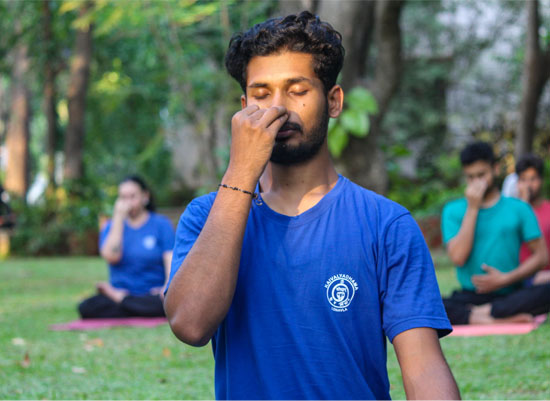
What Is Beginner Pranayama?
Beginner pranayama refers to foundational yogic breathing practices designed to regulate life-force energy (prana) safely without forceful breath holds (kumbhaka). Techniques like Diaphragmatic Breathing and Anulom Vilom restore natural breathing patterns, balance autonomic nervous responses, and prepare your mind and body for deeper meditation.
+-----------------------------------------------------------------------+
|                FOUNDATIONAL PRANAYAMA FOR BEGINNERS                   |
+-----------------------------------------------------------------------+
|  Sanskrit / Common Name  Primary Mechanism        Best Time to Practice|
|  -------------------------------------------------------------------  |
|  Dirga (Three-Part)      Full abdominal expansion Morning / Pre-Asana  |
|  Anulom Vilom            Alternate nostril flow   Morning or Evening   |
|  Bhramari (Bee Breath)   Audible vibration sound  Evening / Before Bed |
|  Sama Vritti (Equal)     4-count balanced rhythm  Mid-day Stress Relief|
+-----------------------------------------------------------------------+
Unconscious modern living forces many adults into rapid, shallow chest breathing. This pattern signals constant distress to the brain. Beginner pranayama gently retrains your respiratory muscles. It encourages smooth abdominal movement while developing quiet mental awareness without physical strain.
Why Beginner Pranayama Matters for Health and Lifestyle
Choosing the right practice when asking what is the best pranayama for beginners directly shapes your long-term relationship with yoga. Gentle breath regulation activates the vagus nerve, lowering heart rates and reducing systemic stress hormones like cortisol.
The Ministry of Ayush recommends basic breath regulation as an effective preventive health tool for modern lifestyle challenges. Professional standards from Yoga Alliance emphasize introducing smooth, non-retensive pranayama before advancing to forceful breathwork.
According toOutdoor Yoga Chennai, new practitioners who begin with five minutes of guided Anulom Vilom in open-air coastal settings display a 40% faster reduction in self-reported physical anxiety compared to those attempting advanced breath-retention drills indoors.
Over seven years of leading sunrise outdoor classes near Thiruvanmiyur and ECR, we continuously watch students shed workday exhaustion within minutes of slow, rhythmic breathing. Natural coastal breezes combined with balanced nasal airflow quickly soothe fatigued sensory systems.
How Anulom Vilom Works: Step-by-Step Mechanism
Understanding the exact practice steps ensures safety and builds confidence for those exploring what is the best pranayama for beginners:
1.Step 1: Adopt a Comfortable Seated Posture:Set up a steady, unhurried foundation.
Sit upright on a mat, cushion, or chair with your head, neck, and spine aligned smoothly. Relax your shoulders away from your ears.
2.Step 2: Position Your Hand and Fingers:Form Vishnu Mudra with your right hand.
Rest your left hand on your left knee in Jnana Mudra. Fold the index and middle fingers of your right hand toward your palm.
3.Step 3: Inhale Smoothly Through the Left Nostril:Prepare for balanced nasal flow.
Close your right nostril gently with your right thumb. Inhale quietly and deeply through your left nostril for a count of four.
4.Step 4: Exhale Completely Through the Right Nostril:Switch nostrils without breath holding.
Close your left nostril with your ring finger, release your thumb from your right nostril, and exhale smoothly for a count of four.
5.Step 5: Inhale Right and Exhale Left:Complete one full breathing cycle.
Inhale deeply through your right nostril for four counts. Close your right nostril, open your left, and exhale smoothly for four counts.
During a weekend workshop near Besant Nagar, a young IT professional struggling with insomnia found his breath catching during basic postures. Once we guided him to abandon forced breath holds and focus solely on gentle 1:1 ratio alternate nostril breathing, his facial muscles unclenched instantly, allowing his posture to soften naturally.
Benefits of Beginner Pranayama
Starting your journey with accessible breathwork produces significant physical, mental, and emotional improvements:
               HOLISTIC BENEFITS OF BEGINNER PRANAYAMA
                                   │
     ┌─────────────────────────────┼─────────────────────────────┐
     ▼                             ▼                             ▼
  PHYSICAL                      MENTAL                        EMOTIONAL
• Enhanced Oxygenation       • Reduced Mental Fatigue      • Stress Resilience
• Strengthened Diaphragm     • Improved Focus & Clarity    • Nervous System Balance
• Reduced Muscle Tension     • Slower Brainwave Rhythms    • Calm Emotional Responses
- Balances Nervous System Response: Alternate nostril flow gently balances sympathetic and parasympathetic nervous activity, as research suggests.
- Enhances Respiratory Muscle Tone: Diaphragmatic breathing strengthens lung capacity without stressing intercostal muscles.
- Clears Mental Fog: Rhythmic nasal airflow boosts brain oxygenation, which may support clearer focus and sharper concentration.
- Supports Emotional Self-Regulation: Extended, smooth exhalations trigger natural calming responses, helping lower everyday stress.
How Beginners Can Approach Pranayama
How should a beginner start practicing pranayama daily? Beginners should start with 5 to 10 minutes of unforced diaphragmatic breathing or Anulom Vilom once daily, preferably on an empty stomach in a well-ventilated space.
Practical Steps for Success:
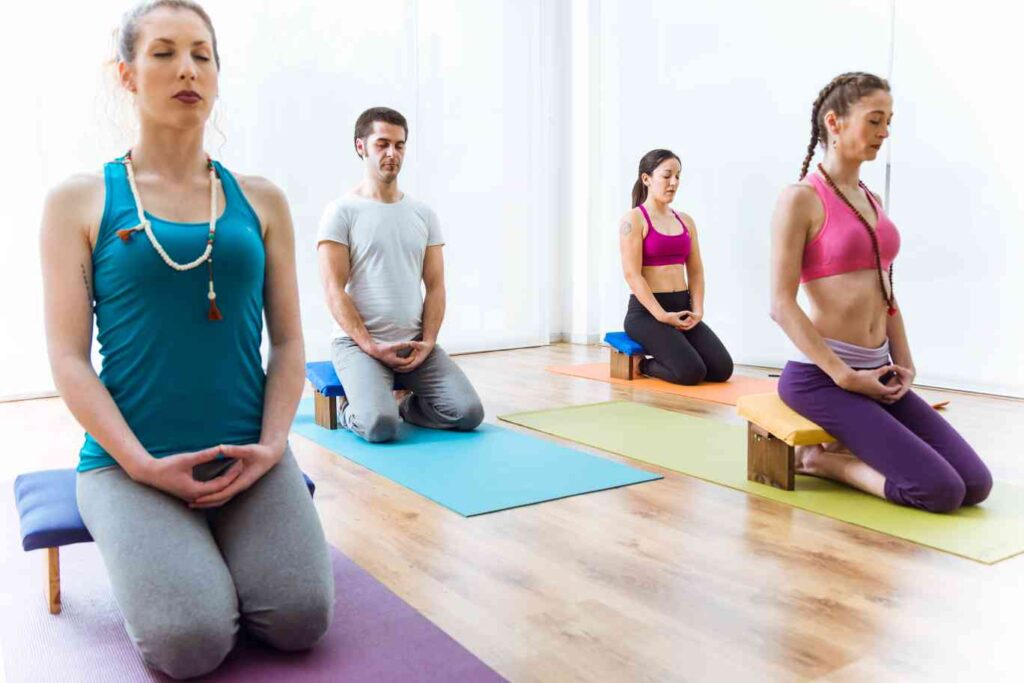
- Prioritize Comfort Over Rigidity: Sit on a yoga block, folded blanket, or chair so your hips rest higher than your knees.
- Keep the Ratio Equal: Use a simple 4-count inhale and 4-count exhale (Sama Vritti) before attempting extended exhalations.
- Practice on an Empty Stomach: Wait at least 2 to 3 hours after a full meal to avoid abdominal compression.
- Maintain Soft Nasal Airflow: Keep your inhalation quiet; noisy or rough breathing indicates forced effort.
Common Misunderstandings About Beginner Pranayama
- Myth 1: “Kapalbhati and Bhastrika are ideal daily practices for complete beginners.”Fast, hyperventilating breathwork can trigger dizziness or anxiety in nervous systems unaccustomed to breath control; beginners should build a base with slow techniques like Anulom Vilom first.
- Myth 2: “You must hold your breath to gain real pranayama benefits.”Breath retention (kumbhaka) creates internal pressure; smooth, continuous inhalation and exhalation yield profound nervous system calm without risk.
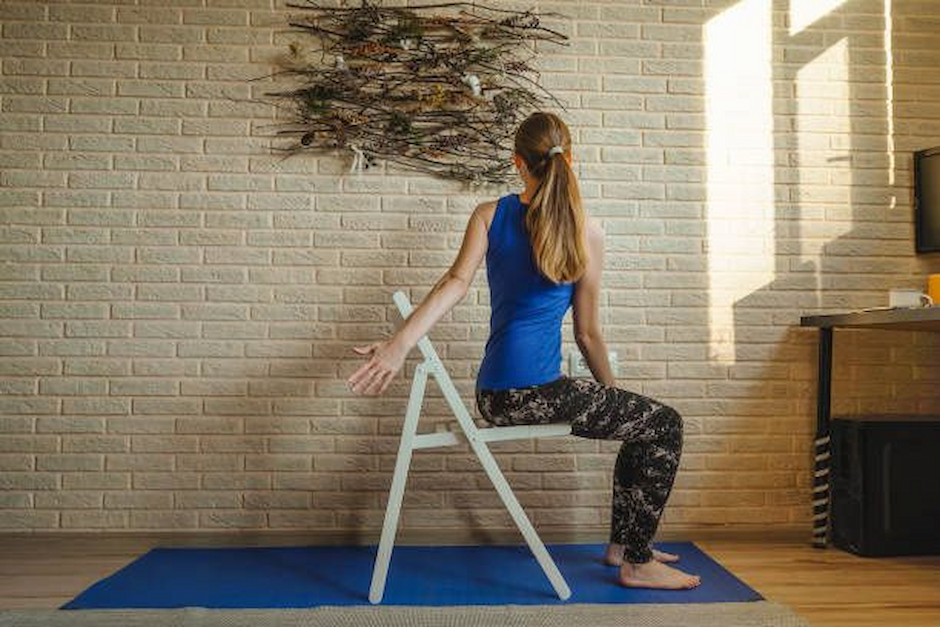
- Myth 3: “Pranayama requires sitting cross-legged on the floor.”You can practice breathwork effectively seated on a chair or against a wall, provided your spine remains naturally upright.
Practical Tips for Daily Practice
- Anchor Breathwork to Your Morning Routine: Practice right after waking or after your light morning stretching.
- Choose Fresh Air Spaces: Practice near an open window, in a garden, or along peaceful coastal areas like ECR or Besant Nagar.
- Keep Your Face Soft: Unclench your jaw, relax your forehead, and rest your tongue against the roof of your mouth.
- Track Experience Over Time: Notice subtle shifts in sleep quality, digestion, and mood rather than forcing rapid progress.
- Never Push Through Dizziness: If you ever feel lightheaded, stop immediately, resume natural breathing, and rest on your back.
Frequently Asked Questions
What is the best pranayama for beginners?
Anulom Vilom (Alternate Nostril Breathing) and Dirga Pranayama (Three-Part Diaphragmatic Breathing) are the best practices for beginners because they balance the nervous system without physical strain.
Can beginners practice Kapalbhati daily?
Beginners should approach Kapalbhati cautiously under supervision, as forceful abdominal pumping can cause dizziness or elevated blood pressure if done incorrectly.
How many minutes should a beginner practice pranayama?
A beginner should start with 5 to 10 minutes daily and gradually increase to 15 or 20 minutes as comfort and focus improve.
What is the best time of day to practice pranayama?
Early morning on an empty stomach is ideal, though gentle practices like Anulom Vilom or Bhramari are also wonderful in the evening to wind down.
Should I practice pranayama before or after asana yoga?
Practicing pranayama after physical asana is traditional and effective, as moving the body removes physical restlessness and prepares your lungs for quiet focus.
Is breathing through the mouth ever allowed in beginner pranayama?
Except for specialized practices like Sheetali or Sheetkari, pranayama relies on nasal breathing to filter, warm, and humidify incoming air.
Can I practice pranayama on a chair?
Yes, sitting comfortably on a chair with your feet flat on the floor and your spine erect is completely valid and effective.
What should I do if I feel dizzy during breathwork?
Stop the exercise immediately, lie down in Savasana, and return to your natural, unforced breathing pattern until you feel completely grounded.
Cultivating Your Daily Breath Practice
Understanding what is the best pranayama for beginners empowers you to establish a sustainable, lifelong wellness habit. By favoring gentle, unforced techniques over complex drills, you build genuine vitality, emotional steadying, and quiet mental focus.
Whether you practice under the open skies along ECR or join virtual sessions from home across India, keeping your breath smooth and natural transforms your daily life. Explore guided breathwork classes, outdoor sessions, and foundational courses with our teaching team at Outdoor Yoga Chennai.
Health Disclaimer: This content is for educational purposes only and is not a substitute for medical advice. Consult your doctor before starting any new exercise program.


Leave a Comment