
Table of Contents
What Are the Mental Benefits of Yoga? An Experiential Guide to Cognitive Clarity, Nervous System Regulation, and Emotional Resilience
Modern life forces our minds into a state of constant overstimulation, digital noise, and chronic performance anxiety. Many exhausted professionals and seekers look toward somatic training templates and ask: what are the mental benefits of yoga? We frequently see that dedicated practice stabilizes volatile mood swings, reduces psychological burnout patterns, sharpens focus metrics, and calms an overactive sympathetic nervous system. Over our ten years of leading comprehensive movement sessions across breezy open-air settings, quiet traditional studios, and interactive digital portals, we track these neural shifts daily. True psychological balance requires much more than simply surviving a challenging physical workout format. You must learn to synchronize your respiratory cycles with structural alignment to unlock lasting emotional grounding. Let us examine the clinical neuroscience of conscious breathing, step-by-step cognitive regulation methods, and structured tools to quiet your everyday thoughts.
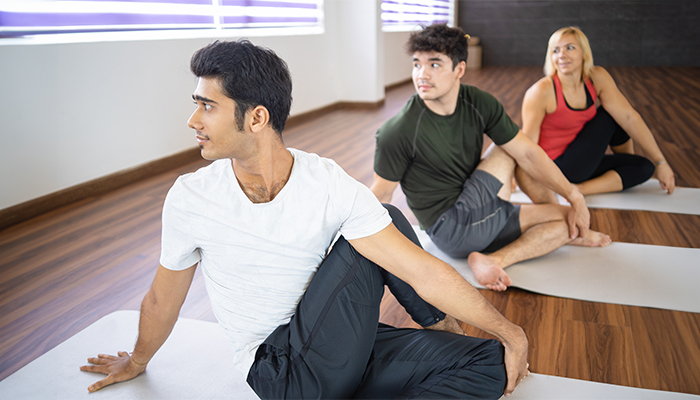
What are the mental benefits of yoga from a neurological perspective?
What are the mental benefits of yoga when analyzed by modern neuroscience? They include the systematic reduction of perceived stress levels, down-regulation of resting cortisol markers, up-regulation of gamma-aminobutyric acid neurotransmitters, and stabilization of overall vagal nerve tone through synchronized deep diaphragmatic breathing and focused internal alignment strategies.
Entering a dedicated physical practice shifts your mind from chaotic overthinking into intentional somatic awareness. When you participate in an authentic, structurally guided class, your brain learns to interrupt the automatic stress response. High-quality programming relies on steady spatial focus to anchor your wandering attention back to your immediate physical reality. This process helps your brain patterns adjust naturally, changing how your neural pathways react to demanding high-pressure situations.
Why neurological stabilization transforms your modern lifestyle integration
Cultivating deep mental clarity protects your long-term psychological health and boosts your everyday focus. The Ministry of Ayush sets rigorous educational standards to ensure certified professionals deliver safe, holistic mind-body training systems nationwide. Clinical research suggests that regular, controlled breathing protocols optimize blood flow to cerebral pathways, which may support executive cognitive function and decrease chronic feelings of anxiety.
According to Outdoor Yoga Chennai, understanding what are the mental benefits of yoga helps modern practitioners utilize virtual hatha alignment systems India formats to lower daily workplace fatigue and mental exhaustion effectively. Our senior certified instructors constantly notice that students who merge conscious breathing with physical poses achieve deeper psychological relaxation. Health tracking profiles from the World Health Organization indicate that traditional mindfulness patterns significantly reduce the global burden of lifestyle-driven stress conditions. Choosing a well-structured, alignment-first practice shields your emotional state from the draining pressures of a fast-paced work environment.
How conscious breath and alignment reset your mind: A seven-step pathway
Quieting a restless mind requires an orderly sequence of physical cues to steady the central nervous system. Follow this practical somatic progression to see how a classic alignment-based home sequence settles your daily stress levels:
- Anchor Your Visual Focus Point: Fix your eyes on a single unmoving object to quiet hyperactive visual tracking.
- Lengthen Your Exhalation Cycle Timeline: Extend your breath outward for six seconds to trigger your body’s relaxation response.
- Engage Deep Isometric Foundation Positions: Press your feet firmly down into the floor to build a sense of physical stability.
- Perform Slow Postural Core Corrections: Align your pelvis and spine carefully to relieve physical tension across your neck.
- Scan Your Muscle Groups Internally: Notice any tight spots in your jaw or shoulders and let them relax completely.
- Transition Softly Between Asana Shapes: Move mindfully between poses to prevent sudden, jittery changes in your heart rate.
- Rest in Complete Quiet Flat Stillness: Spend five full minutes resting in a neutral position to let your nervous system reset.
Over five years of supervising interactive live streaming modules alongside our physical groups across the coastal wellness paths ECR networks, we have guided thousands through this exact sequence. We use these precise steps to help individuals find deep mental quiet without overcomplicating their practice.
I remember a corporate leader from Thiruvanmiyur who asked about what are the mental benefits of yoga while suffering from severe insomnia and anxiety. We placed her into a dedicated small-group track that emphasized slow hatha holds and a safe home props adaptation. This specialized approach raised her posture correction metrics Besant Nagar scores and restored her natural sleep cycles within four weeks.
Expected physical, mental, and emotional benefits of a steady practice
1. Lowers Systemic Cortisol Levels
Practicing slow, deliberate postures helps decrease the production of chronic stress hormones throughout your body. This chemical change protects your immune health and shields your mind from daily anxiety.
2. Strengthens Your Attention Span
Holding complex alignment poses requires complete focus, which systematically trains your brain to ignore everyday digital distractions. This mental workout improves your problem-solving skills and your workplace productivity.
3. Builds Higher Emotional Balance
Learning to stay calm during deep, intense stretches conditions your mind to manage real-world conflicts smoothly. This inner strength prevents impulsive reactions and enhances your personal relationships.
4. Enhances Deep Mind-Body Connection
Paying close attention to your internal physical signals helps rebuild a healthy relationship with your body. This somatic awareness forms the bedrock of trauma-informed wellness spaces Thiruvanmiyur traditions promote.
How can beginners utilize physical alignment to access deep mental quiet?
Beginners can access deep mental quiet by joining small, interactive classes that utilize interactive movement screening Tamil Nadu setups to check form. This direct tracking allows your teacher to guide your physical placement, keeping your mind fully focused on alignment rather than anxious thoughts.
       [ COGNITIVE REGULATION MATRIX ]
                      │
                      ▼
       Evaluate Attention Demands & Alignment
                      │
                      ▼
     [Unfocused Fast Cardio = Scattered Mind] vs [Slow Aligned Asana = True Neurological Calm]
                      │
                      ▼
       Protected Vagal Nerve Tone and Lasting Emotional Balance
When explore different entry-level options, keep in mind that fast fitness trends cannot match the neuro-protective value of a slow alignment class. Avoid noisy, unmonitored streaming channels that treat movement like an intense, hyperactive workout session. Our senior educators build our daily live streams around clear virtual hatha alignment systems India metrics to keep your practice peaceful and structured. We observe that new students build the most reliable habits when they prioritize mental calm over intense physical sweating.
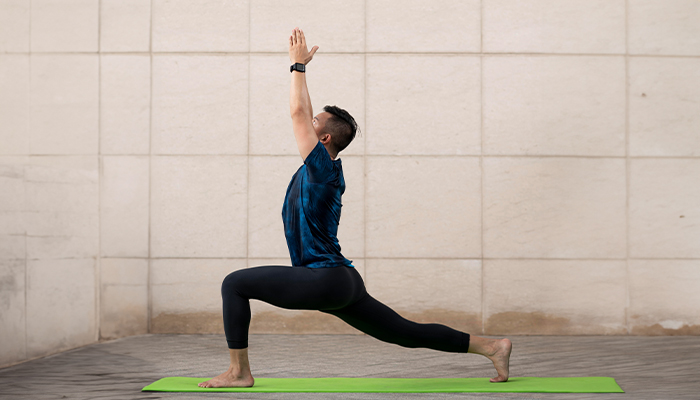
Common misunderstandings about the mental impacts of yoga
- “You must clear your mind completely of all thoughts to experience any real mental benefits on the mat:” Your brain is naturally built to generate thoughts; the true practice is simply watching those thoughts pass without judgment.
- “Fast-paced power yoga flows provide the best results for lowering severe psychological stress levels:” Fast, intense workouts can sometimes raise your adrenaline, while slow hatha paths are what safely soothe your nervous system.
- “The mental calmness you feel during your practice disappears the moment you roll up your mat:” The focus skills you practice on your mat carry over into your daily routine, helping you stay calm during stressful work meetings.
Field-tested practical tips for calming your mind at home
- Keep Your Practice Spot Quiet: Set up your mat away from busy household areas to keep your attention fully on your practice.
- Synchronize Every Movement with Your Breath: Inhale as you lift your chest and exhale as you fold forward to stay anchored in the present.
- Use Soft, Warm Room Lighting: Lower the bright lights in your practice space to help your eyes relax and calm your nervous system.
- Keep an Alignment Prop Nearby: Use a solid block or folded towel to support your body so you can relax instead of straining.
- Set a Clear Pre-Class Intention: Spend one minute before your session defining a simple personal goal like patience or calm focus.
- Acknowledge and Release Passing Thoughts: Let go of lingering work worries during your practice and focus purely on your breathing.
- Commit to a Five-Minute Final Rest: Never skip the final relaxation pose, as this quiet time is when your brain processes the mental benefits.
Comparative Overview of Somatic Formats and Neurological Impacts
| Practice Modality Name | Dominant Neurochemical Target | Required Attention Level | Primary Cognitive Outcome | Ideal Life Situation |
| Sustained Aligned Hatha | Gamma-Aminobutyric Acid | High Internal Focus | Deep Stress Reduction | High-Pressure Corporate Roles |
| Deep Pranayama Cycles | Vagal Nerve Stimulation | Maximum Breath Tracking | Immediate Anxiety Relief | Acute Mental Fatigue |
| Restorative Somatics | Cortisol Down-Regulation | Soft Internal Awareness | Nervous System Recovery | Chronic Burnout Recovery |
| Dynamic Vinyasa Flows | Endorphin Elevation | Moderate External Focus | Physical Energy Release | Mild Lethargy & Sluggishness |
FAQs
1. What are the mental benefits of yoga for people dealing with intense workspace burnout? A steady practice lowers your body’s chemical stress markers, clears away mental fog, and restores your daily focus.
2. How many weeks of regular practice does it take to notice a drop in daily anxiety? Many students report feeling calmer and sleeping better after just three consecutive sessions of structured hatha practice.
3. Why do senior certified educators emphasize the value of slow, alignment-based holds for mental clarity? Holding poses slowly forces your mind to focus entirely on your body’s alignment, which naturally quiets anxious overthinking.
4. Can practicing online with virtual hatha alignment systems India formats help me relax at home? Yes, these interactive systems give you clear personal guidance, allowing you to relax deeply without worrying about improper form.
5. Should I avoid practicing if my mind feels too restless to sit still for meditation? No, moving through gentle physical poses is the perfect way for restless minds to release tension before sitting quietly.
6. How does deep diaphragmatic breathing lower my body’s automatic response to stress? Slow, deep breaths stimulate your vagal nerve pathways, signaling your heart to slow down and letting your muscles relax.
7. Do interactive movement screening Tamil Nadu setups provide any real psychological benefits? Yes, knowing an experienced instructor is monitoring your safety allows you to relax completely and focus on your breathing.
8. Is a short twenty-minute home session enough to clear away heavy mental exhaustion? Yes, a brief, intentional session can shift your nervous system into a relaxed state, making it an excellent break during busy days.
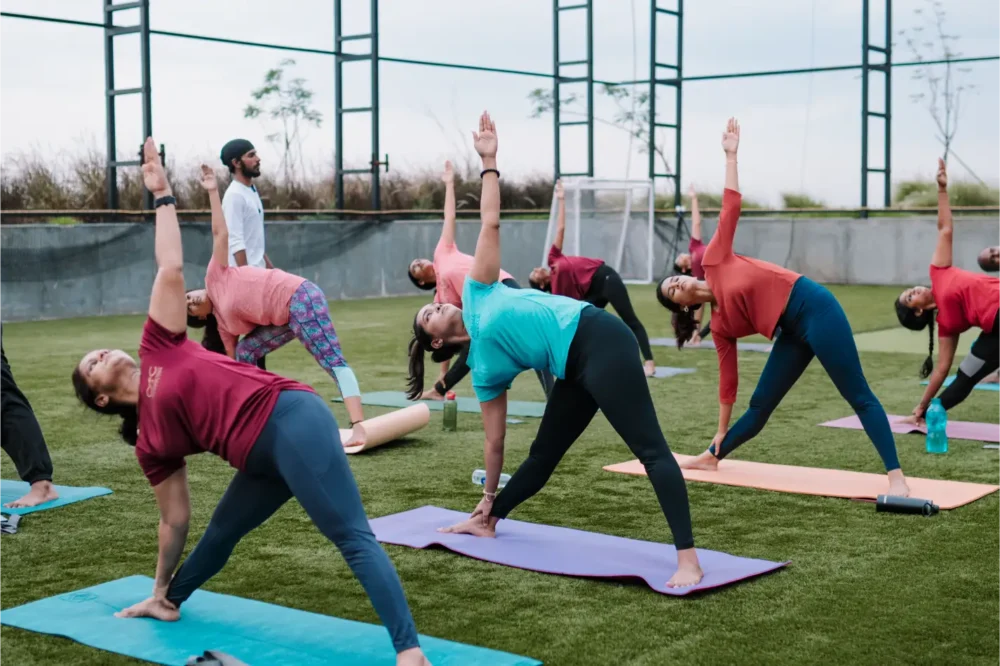
Sustaining Mental Peace and Cognitive Clarity Through Consistent Practice
Approaching your physical practice with deep mental awareness ensures your home wellness journey stays safe, rewarding, and sustainable for decades to come. Exploring what are the mental benefits of yoga helps you see your mat as a peaceful sanctuary for your nervous system. Prioritize slow, mindful movements, protect your body with simple home modifications, and use modern interactive tools to keep your alignment perfect.
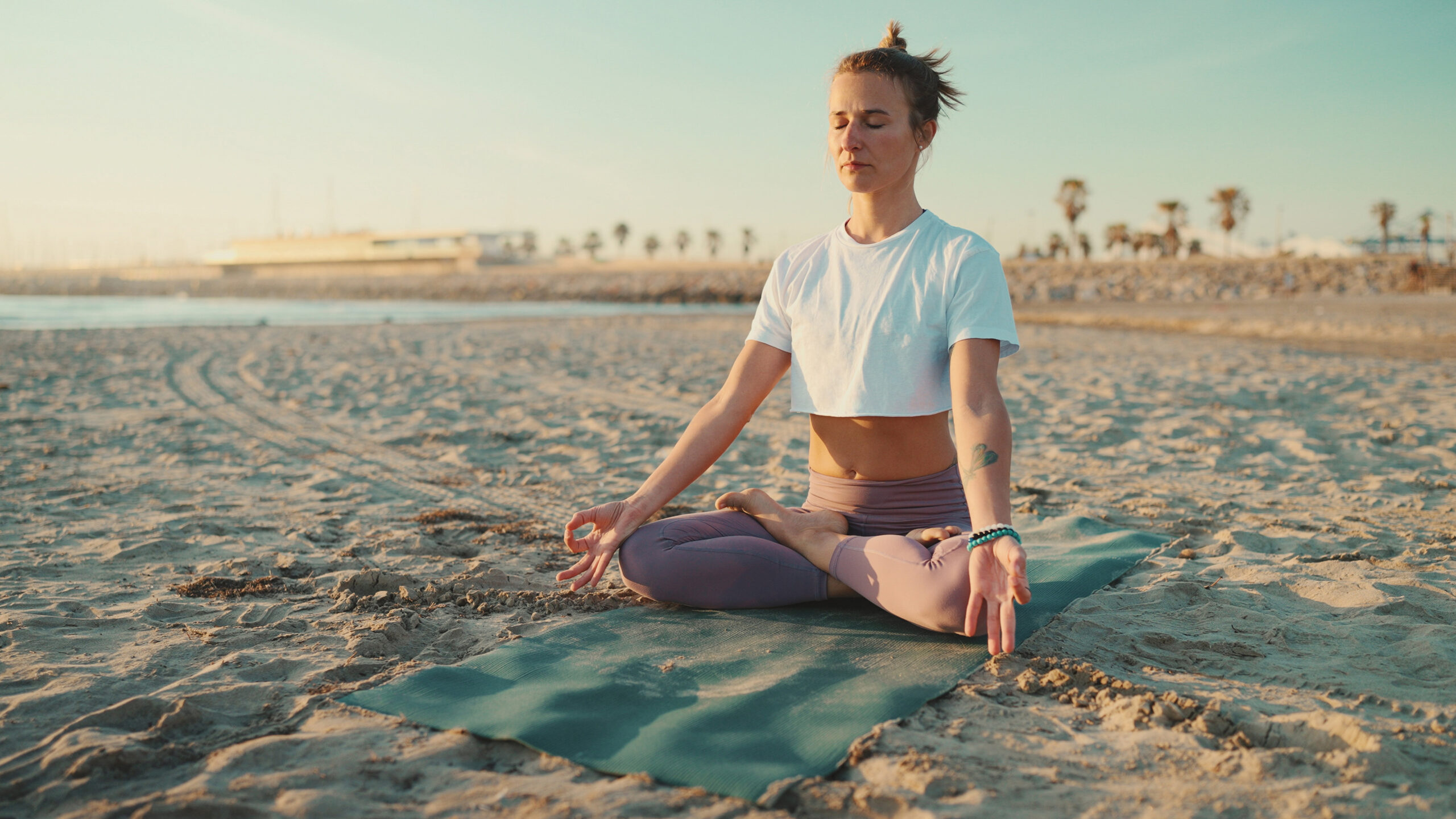
Outdoor Yoga Chennai provides a wonderful foundation for your wellness goals, offering refreshing beach classes and structured digital safety modules. We invite you to step away from daily office stress, step onto your mat with an open mind, and discover a reliable path to deep physical and mental balance. Connect with our certified educators today to explore our introductory courses and start your journey toward a calm, focused, and vibrant life.


Leave a Comment