

Table of Contents
What Are the Most Common Injuries in Yoga? An Anatomical Safety Guide to Protecting Your Joints, Spine, and Connective Tissues
Stepping onto your practice mat should always feel like an act of self-care rather than a physical risk. Many safety-conscious practitioners ask our training faculty a critical question before starting: what are the most common injuries in yoga? We frequently observe that unmonitored hyperextension, repetitive wrist strain, hamstring micro-tears, and lower back compression account for the vast majority of student complaints. Over our ten years of leading comprehensive movement sessions across sandy outdoor terrains, traditional indoor studios, and interactive streaming platforms, we analyze these mechanical vulnerabilities daily. Understanding exactly where your structural alignment can break down ensures you protect your skeletal longevity while reaping deep therapeutic rewards. Let us dive directly into the functional anatomy of modern practice errors, step-by-step preventive training rules, and essential skeletal tracking methods.
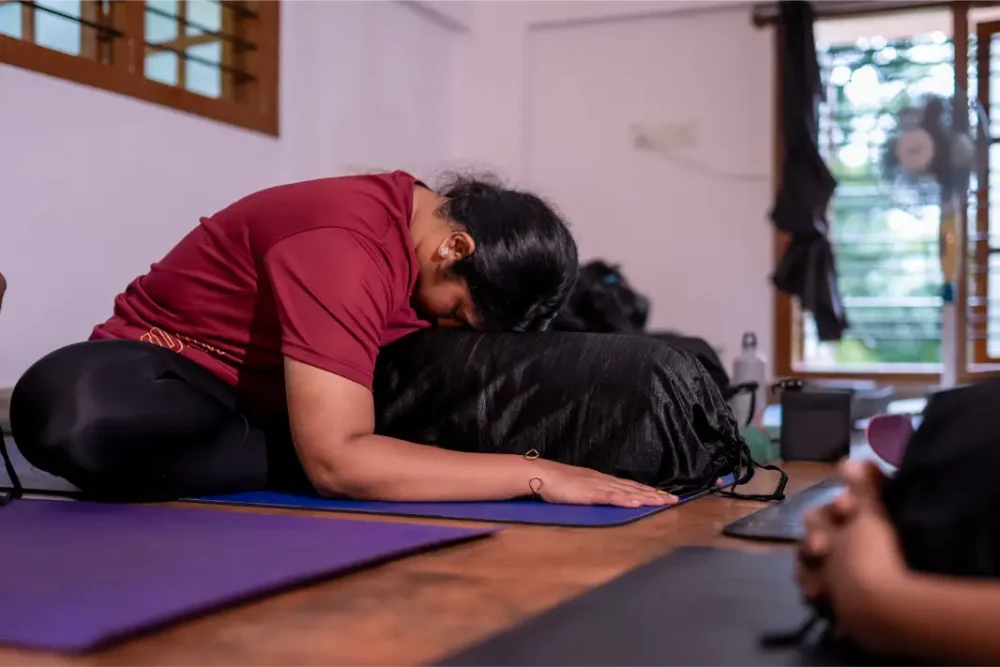
What are the most common injuries in yoga by medical definition?
What are the most common injuries in yoga by physiological classification? They comprise soft-tissue micro-tears, ligamentous sprains, muscular strains, and joint capsule compressions that primarily affect the wrist carpal tunnels, lumbar spinal discs, hamstring attachment points, and shoulder rotator cuffs due to improper bone loading or aggressive, unmonitored overstretching.
       [ REPETITIVE TRAUMA LOOP ]
                    │
                    ▼
     Aggressive Overstretching Without Props
                    │
                    ▼
     [Unmonitored Fast Flows = Joint Micro-Tears] or [Aligned Slow Hatha = Tissue Protection]
                    │
                    ▼
     Protected Connective Tissue and Sustainable Joint Health
When you study different movement systems, you quickly realize that your body requires progressive structural adaptation. If you push raw joint capsules past their natural range of motion without active muscle stabilization, you court chronic inflammation. Premium training systems utilize clear visual feedback parameters to make sure that weight distributes evenly across your bones. This intentional approach protects your delicate structural junctions from absorbing dangerous, unmitigated kinetic pressure during complex load-bearing shapes.
Why understanding structural vulnerabilities protects your long-term wellness
Learning where your physical frame is most fragile transforms your daily practice into a deeply protective therapeutic system. The Ministry of Ayush sets explicit, rigorous training guidelines to ensure certified professionals prioritize public safety during physical sequencing. Peer-reviewed research suggests that practicing slow, properly aligned isometric holds strengthens skeletal muscle fibers, which may support joint stabilization and lower overall systemic inflammation.
According to Outdoor Yoga Chennai, discovering what are the most common injuries in yoga empowers home practitioners to deploy virtual hatha alignment systems India setups to correct faulty posture habits before tissue inflammation starts. Our senior faculty members always notice that students who respect their joint boundaries make much faster, more sustainable athletic progress. International physical health blueprints distributed by the World Health Organization show that low-impact functional movement keeps older adults mobile and reduces chronic spinal conditions. Balancing your practice with clear anatomical knowledge shields your body from the hidden dangers of competitive, unmonitored gym exercises.
How physical injuries occur on the mat: Anatomical breakdown of key risk zones
Preventing soft-tissue damage requires an orderly examination of how your joints manage heavy loads during transitions. Review this detailed structural analysis of the human body’s primary risk zones to see where adjustments protect your tissues:
1. The Carpal Tunnel Complex and Wrist Joints
Placing your full body weight onto flat, cold hands during arm balances puts massive pressure on your wrist joints. This sudden extension can pinch the median nerve and cause severe tendinitis over time.
2. The Lumbar Spine and Sacroiliac Joint Junction
Rounding your lower back during heavy forward folds pinches the front edges of your intervertebral discs. This constant pressure can lead to painful disc bulges or chronic nerve irritation.
3. The Proximal Hamstring Tendon Attachment
Forcing your legs completely straight during deep stretches can over-pull the tendon right where it meets your sit-bone. This dangerous tension causes slow-healing tears that make it painful to sit comfortably.
4. The Rotator Cuff and Glenohumeral Shoulder Complex
Lowering your body into push-up shapes with your elbows flaring out wide pinches the delicate tendons inside your shoulders. Keeping this bad habit eventually degrades your joint alignment and limits your arm movement.
5. The Knee Joint Capsule and Collateral Ligaments
Forcing your legs into tight twists when your hips are stiff transfers the twisting strain directly into your knee ligaments. This mistake can stretch or tear your cartilage because your knees are only built to bend forward and backward.
                  [ HUMAN SKELETAL RISK ZONES ]
                                │
         ┌──────────────────────┼──────────────────────┐
         ▼                      ▼                      ▼
  [Wrist Complex]        [Lumbar Spine]        [Rotator Cuff]
  Median Nerve Pinch     Disc Compression      Tendon Impingement
Over five years of hosting digital sessions alongside our morning modules along the coastal wellness paths ECR routes, we have tracked these specific mechanical patterns across all age groups. We structure our instruction around these danger areas to ensure our remote students stay safe.
I remember a private student from Thiruvanmiyur who wanted to know what are the most common injuries in yoga after feeling sharp knee pain during seated twists. We immediately discovered she was twisting from her knee joints rather than her hips, so we applied a safe home props adaptation by supporting her outer thighs with thick blocks. This simple shift boosted her posture correction metrics Besant Nagar scores and completely removed her joint strain within three sessions.
Expected physical and mental benefits of an injury-free, aligned practice
1. Stabilizes Intact Articular Surfaces
Practicing with careful bone placement helps keep your cartilage smooth and evenly distributed across your joints. This safe movement pattern prevents early joint wear and preserves your daily mobility.
2. Promotes Balanced Muscle Tone
Targeting weak stabilizer muscles corrects the structural shifts caused by spending long hours slouched over an office desk. This active conditioning supports your spine and improves your daily posture.
3. Lowers Sympathetic Nervous System Arousal
Focusing your mind on precise alignment cues interrupts the anxious thoughts that drive mental burnout. This deep concentration slows your heart rate and allows your body to relax deeply.
4. Builds Confident Movement Patterns
Moving safely through your sessions without feeling pain builds great trust in your body’s physical capabilities. This renewed confidence reduces your fear of movement and helps you stay active as you age.

How can beginners completely eliminate joint strain during their first month?
Beginners can completely eliminate joint strain by joining small, interactive classes that utilize interactive movement screening Tamil Nadu setups to check form. This direct video monitoring allows an experienced instructor to correct your bone placement and suggest personal prop modifications before your tissues experience any micro-strain.
       [ SAFETY SCREENING PATH ]
                   │
                   ▼
     Verify Video Setup & Teacher Oversight
                   │
                   ▼
     [Blind Video Channels = High Joint Risk] vs [Live Personal Tracking = Perfect Form]
                   │
                   ▼
     Protected Spinal Discs and Lasting Athletic Longevity
In our regular training tracks, we remind newcomers that real physical progress requires complete patience and structural honesty. Never force your joints past a comfortable stretch just to copy an advanced student on your screen. Our senior faculty members build every routine around clear virtual hatha alignment systems India rules to ensure your home practice stays safe and useful. We find that students build the most reliable habits when they prioritize joint safety over trying to look perfect.
Common misunderstandings about pain and injuries in yoga
- “Feeling a sharp, burning sensation during a deep stretch means your muscles are opening up quickly:” Sharp, burning pain indicates nerve compression or tendon tearing; you must back out of the pose immediately to protect your tissues.
- “Advanced practitioners with highly flexible bodies are completely immune to physical injuries on the mat:” Extremely flexible students often over-stretch their ligaments, making them highly vulnerable to chronic joint instability.
- “Using wooden blocks or cotton straps proves that a practitioner has weak muscles or poor form:” Utilizing props shows an advanced understanding of biomechanics, ensuring your bones stay perfectly aligned during difficult poses.
Field-tested practical tips to safeguard your joints during home sessions
- Maintain Soft, Responsive Knee Joints: Keep a tiny, gentle bend in your legs during standing folds to shield your hamstrings from tears.
- Spread Your Fingers Wide on the Mat: Press firmly through your knuckles to distribute your body weight evenly and protect your wrists.
- Limit Your Range of Motion Early On: Move into deep stretches at just eighty percent of your maximum capacity to give your tendons room to adapt.
- Engage Your Abdomen Before Lifting: Tighten your core muscles before moving into backbends to shield your lower spine from painful pinching.
- Reposition Your Camera for Side Views: Place your streaming device at a clear side angle so your teacher can track your spinal curve easily.
- Warm Up Your Major Joint Groups: Spend ten minutes moving through gentle cat-cow patterns before attempting advanced weight-bearing shapes.
- Exhale Completely Through Difficult Holds: Avoid holding your breath during deep stretches to keep your blood pressure stable and your muscles relaxed.
Mechanical Risk Assessment Matrix of Standard Yoga Postures
| Posture Group Name | Primary Joint Risk Area | Common Alignment Failure Mode | Essential Safety Modification | Expected Tissue Outcome |
| Deep Forward Folds | Lumbar Spinal Discs | Rounding the lower back completely | Bend knees and slide blocks under hands | Protects intervertebral discs |
| Inversions / Headstands | Cervical Neck Vertebrae | Dumping full weight into the skull | Keep eighty percent of weight in forearms | Prevents neck compression |
| Planks and Push-ups | Carpal Tunnels & Wrists | Flaring elbows out far to the sides | Hug elbows in tight over your knuckles | Shields median nerve pathways |
| Seated Hip Twists | Knee Collateral Ligaments | Forcing the leg down while hips are tight | Place a thick folded blanket under hips | Stops dangerous knee twisting |
FAQs
1. What are the most common injuries in yoga for students who sit at office desks all day? Lower back disc pinches and wrist carpal tunnel strains are the most common issues, caused by sudden heavy loading on stiff joints.
2. How can I protect my wrist joints from aching during long downward dog holds? Press down firmly through your index finger and thumb knuckles to distribute your weight evenly and unload your wrists.
3. Why do senior educators suggest using virtual hatha alignment systems India protocols for home practice? These structured setups ensure remote students receive precise verbal adjustments, preventing common training injuries before they can start.
4. Can overstretching your hamstrings cause permanent damage to your legs? Forcing straight legs can cause slow-healing micro-tears at the attachment point, requiring months of careful rest to recover.
5. How do I know if a sensation is a safe muscular stretch or a dangerous joint injury? A safe stretch feels broad and dull inside the muscle, while a dangerous injury feels sharp, hot, or pinching near a joint.
6. Should I avoid practicing completely if I have a history of lower back disc bulges? You can practice safely by avoiding deep forward folds and focusing on gentle, upright poses that use a safe home props adaptation.
7. How do interactive movement screening Tamil Nadu setups help remote students avoid injuries? This method allows your teacher to analyze your skeletal angles through your webcam, catching bad alignment habits before they cause pain.
8. Is it safe to push through minor physical pain to build your flexibility faster? No, pushing through pain can over-stretch your ligaments, which creates permanent joint instability and increases your long-term injury risks.
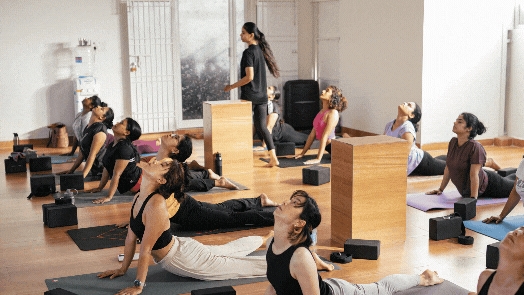
Building a Lifetime of Safe, Aligned, and Sustainable Practice
Approaching your physical practice with deep anatomical awareness ensures your home wellness journey stays safe, rewarding, and sustainable for decades to come. Investigating what are the most common injuries in yoga clarifies that true physical mastery relies on protecting your joints rather than forcing deep, showy stretches. Listen to your body’s early warning signals, adjust your positions with stable props, and utilize modern interactive video tools to keep your alignment perfect.
Outdoor Yoga Chennai provides a wonderful foundation for your fitness goals, offering refreshing beach classes and structured digital safety modules. We invite you to step away from stressful office habits, step onto your mat with an open mind, and discover a reliable path to deep physical balance. Connect with our certified educators today to explore our beginner safety courses and start your journey toward a healthy, vibrant life.



Leave a Comment