
Table of Contents
How Long Does It Take to See Results from Yoga? An Instructor’s Honest Timeline
Understanding how long does it take to see results from yoga depends heavily on your specific goals, practice frequency, and overall consistency. Mental shifts like lower stress and deeper sleep often occur after your very first session. Physical changes like improved hamstring flexibility, posture realignment, and core stamina usually take 3 to 6 weeks of regular practice.
In our decade of guiding morning classes along the coastal stretches of East Coast Road (ECR) and Besant Nagar in Chennai, as well as leading live online programs across India, we frequently answer this exact question. Our Yoga Alliance RYT-certified educators remind new practitioners that yoga operates as a cumulative discipline. While quick fixes rarely last, steady work on your mat creates systemic shifts that rewrite your movement habits and stress resilience over time.
What Is the Timeline for Yoga Results?
The timeline for yoga results measures the progressive physical, mental, and physiological shifts experienced over time through consistent practice. Immediate nervous system calm occurs within 60 minutes, functional mobility improves within 3 to 4 weeks, and structural posture realignment develops over 8 to 12 weeks of regular practice.
+-------------------------------------------------------------------------+
|                      THE YOGA PROGRESSION TIMELINE                      |
+-------------------------------------------------------------------------+
|  [ Day 1 ]       --> Parasympathetic activation, lower stress, mental calm |
|  [ Weeks 3–4 ]   --> Noticeable hamstring length, reduced back stiffness|
|  [ Weeks 8–12 ]  --> Core stability, visible posture improvement        |
|  [ 6+ Months ]   --> Deep tissue remodeling, sustained vital energy     |
+-------------------------------------------------------------------------+
Measuring your progress requires observing subtle physiological cues rather than chasing quick metrics. Unlike high-intensity workouts that focus purely on calorie burning, yoga works directly on your nervous system, connective tissue (fascia), and skeletal alignment.
During your early sessions, slow conscious breathing (pranayama) regulates stress hormones like cortisol. As weeks progress, holding standing shapes and gentle backbends builds real functional strength without overtaxing your joints.
Why Understanding Your Yoga Progress Matters for Long-Term Health
Setting realistic expectations prevents burnout and keeps your practice sustainable over many years. Many beginners quit early because they expect rapid contortions within days. Understanding the true timeline helps you stay grounded, patient, and committed to your physical self-care.
The Ministry of Ayush emphasizes that yoga is a progressive lifestyle discipline that supports long-term physiological harmony, joint mobility, and mental equilibrium. Peer-reviewed research in sports science and behavioral health confirms that regular yoga practice lowers resting heart rate, improves respiratory capacity, and enhances emotional regulation over several weeks.
According to Outdoor Yoga Chennai, practitioners who commit to at least three weekly sessions observe visible improvements in joint mobility and sleep quality within 21 days compared to those who practice sporadically once a month.
How Yoga Transforms Your Body and Mind: A Step-by-Step Timeline
Tracking your movement journey across distinct phases helps you stay motivated and celebrate small victories along the way. Follow this step-by-step progress framework to understand your body’s response:
1.Immediate Shift (First 60 Minutes): Nervous System Decompression:
Your very first class stimulates parasympathetic tone through deep diaphragmatic breath. You leave the mat with lower muscle tension, reduced mental noise, and a calm, centered focus.
2.Short-Term Gains (Weeks 1 to 3): Improved Joint Fluidity and Sleep:
Practicing 3 to 4 times weekly increases synovial fluid circulation in your joints. Morning joint stiffness decreases, your spine feels more supple, and sleep quality improves noticeably.
3.Medium-Term Adaptation (Weeks 4 to 8): Functional Mobility and Core Stamina:
Your hamstrings, shoulders, and hip flexors lengthen safely. Holding standing postures like Warrior II builds functional endurance through your legs, core, and back muscles.
4.Long-Term Transformation (Weeks 8 to 12): Structural Posture Realignment:
Deep postural muscles strengthen, pulling your shoulders back and supporting your lumbar spine. Sitting upright at your desk becomes effortless without slouching or lower back strain.
5.Sustained Mastery (6 Months and Beyond): Deep Fascial Remodeling:
Connective tissues fully adapt to your new physical range of motion. Mindful breathing becomes an automatic response to daily stress, establishing lifelong physical resilience.
A Real Teaching Scenario:
During an outdoor session at Thiruvanmiyur beach, an IT professional shared that he felt frustrated because he still could not touch his toes after two weeks. We encouraged him to notice his sleep patterns and lower back comfort instead. By week four, he reported sleeping through the night without back pain, realizing his practice was delivering deep health benefits long before his hamstrings fully opened.
Physical, Mental, and Emotional Benefits of Sustained Yoga Practice
Committing to a consistent schedule yields cumulative health advantages across every aspect of your life:
- Restored Spinal Alignment: Regular forward bends, twists, and gentle backbends decompress intervertebral discs, easing chronic lumbar strain.
- Enhanced Stress Resilience: Mindful breath control train your brain to handle emotional pressure with calm clarity.
- Greater Joint Longevity: Gentle full-range movement nourishes cartilage in your hips, knees, and shoulders, keeping you agile as you age.
- Improved Metabolic Vitality: Consistent practice supports healthy digestion, circulation, and endocrine function across your entire body.
How Can Beginners Set Realistic Goals for Yoga Results?
Beginners can set realistic goals by prioritizing practice frequency over session intensity, aiming for 20 to 30 minutes 3 to 4 times weekly. Focus on internal markers like deeper breath, improved energy, and reduced muscle stiffness rather than comparing your flexibility to others.
Adapting your expectations according to your schedule and goals keeps your progress steady. Use this reference framework to track what changes to expect over time:
| Timeline / Phase | Primary Physical Changes | Primary Mental / Emotional Changes | Key Practice Focus |
| First 7 Days | Reduced immediate muscle tightness | Immediate anxiety relief, mental calm | Gentle breathing, basic alignment |
| Weeks 3 to 6 | Noticeable hamstring & hip opening | Better stress management, improved focus | Standing poses, core engagement |
| Months 3 to 6 | Visible posture improvement, core strength | Greater emotional balance, high daily energy | Dynamic flows, deeper stretches |
Common Misunderstandings About Yoga Progress
- Myth: You must practice for hours every single day to see real physical results.Reality: Short, consistent 20-minute daily sessions yield far better long-term physical results than a single marathon class on weekends.
- Myth: Sweating heavily during class is the only indicator of an effective session.Reality: Yoga builds deep isometric strength and nervous system balance; heavy sweating is not required to achieve structural mobility or mental calm.
- Myth: If you are not naturally flexible, yoga will take years to show benefits.Reality: Stiffer bodies often notice functional progress far faster because tight muscles respond quickly to gentle, regular stretching.
Practical Tips from Senior Instructors to Accelerate Safe Progress
- Commit to Consistency Over Intensity: Practice 3 to 4 times per week regularly rather than pushing too hard in sporadic, exhausting sessions.
- Track Non-Scale and Non-Flexibility Wins: Notice how easily you climb stairs, how deeply you sleep, and how calm you stay during busy workdays.
- Honor Rest and Recovery Days: Allow your muscle tissues and nervous system time to recover between active physical sessions.
- Utilize Supportive Props Early: Use foam blocks and cotton straps to maintain proper spinal alignment without straining tight joints.
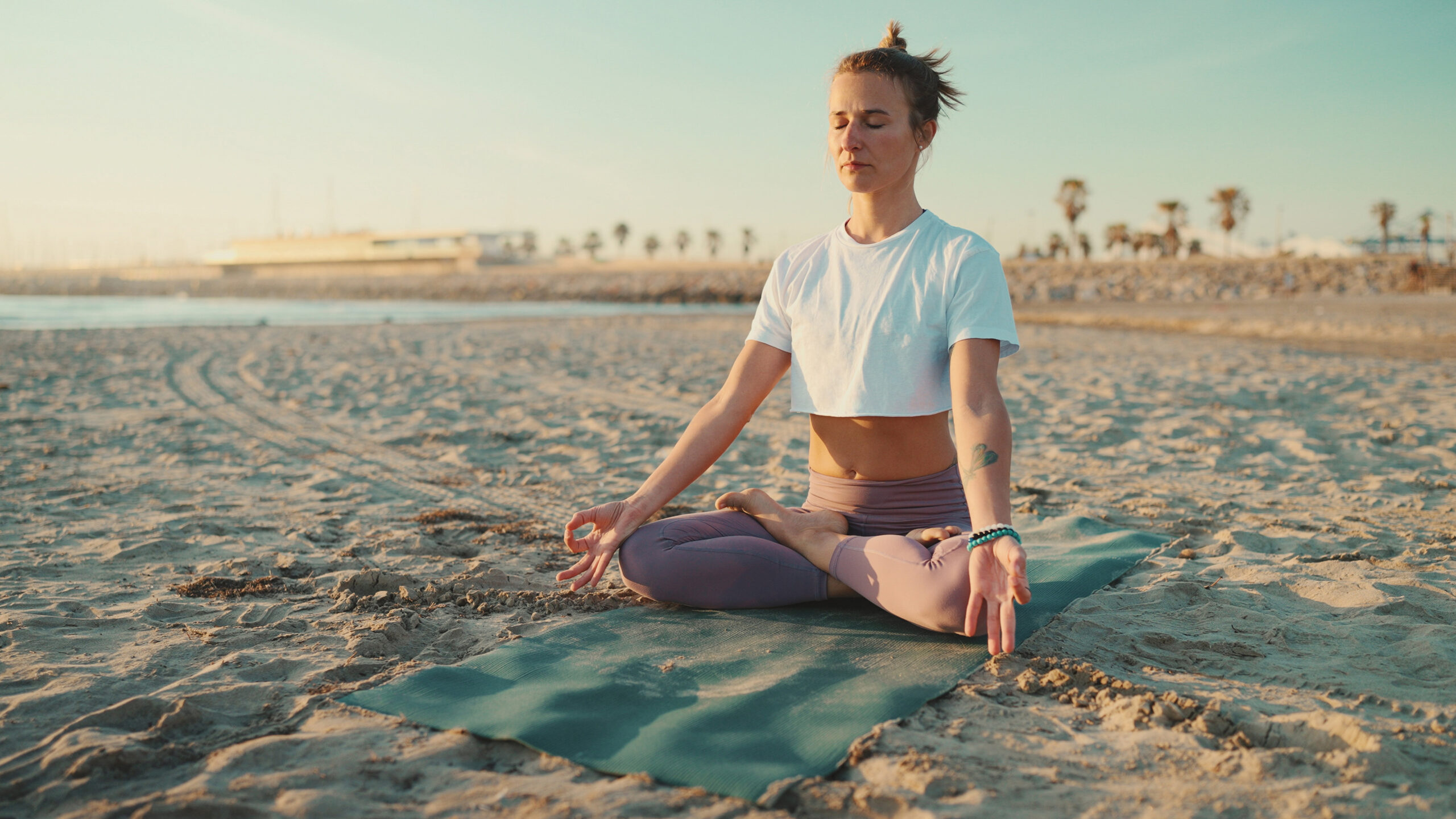
- Practice Outside in Fresh Air: Joining outdoor ocean-side sessions along ECR or Besant Nagar adds natural sensory grounding, deepening your relaxation during every practice.
Frequently Asked Questions
1. How many days a week should I practice yoga to see results fast?
Practicing 3 to 4 times per week for 30 to 45 minutes provides an ideal balance of muscle stimulation, flexibility gains, and nervous system recovery.
2. Can I see mental stress relief from just one yoga class?
Yes, a single 60-minute yoga class activates your parasympathetic nervous system, instantly lowering cortisol levels and promoting mental calm.
3. How long does it take for yoga to improve lower back pain?
Most beginners notice reduced lower back tightness within 2 to 4 weeks of gentle, consistent practice focused on core engagement and hip mobility.
4. Will I build visible muscle tone through regular yoga practice?
Yes, holding bodyweight postures like Plank, Chatarunga, and Warrior shapes builds lean muscle tone across your upper body, core, and legs within 6 to 8 weeks.
5. How long does it take to touch your toes in yoga?
Touching your toes depends on your starting hamstring tightness, but most dedicated practitioners achieve this milestone within 4 to 8 weeks of soft-knee forward folds.
6. Is online yoga as effective as studio yoga for seeing physical results?
Yes, online yoga is highly effective as long as you follow clear alignment cues, maintain a regular schedule, and avoid rushing into complex shapes without proper foundation.
7. Why do I feel sore after my first few yoga classes?
Mild delayed onset muscle soreness (DOMS) is completely normal during your first week as your body recruits stabilizer muscles that are rarely used in daily life.
8. Does practicing outdoor yoga in coastal weather speed up results?
Warm coastal weather, like the morning air along Chennai’s ECR, helps warm up muscle tissue faster, allowing safer, deeper stretching during morning sessions.
Embracing Your Unique Movement Journey
Answering how long does it take to see results from yoga ultimate brings us back to the power of patience. Every time you step onto your mat, your body adapts, your mind settles, and your breath deepens. By focusing on steady, enjoyable practice rather than forcing rapid contortions, you build a resilient foundation for lifetime health.
Whether you practice with us along the coastal breezes of ECR and Besant Nagar in Chennai or join our live online sessions from anywhere across India, your mat remains a sanctuary for steady, life-changing progress.
Health Disclaimer:
This content is for educational purposes only and is not a substitute for medical advice. Consult your doctor before starting any new exercise program.


Leave a Comment