
Table of Contents
How Exactly Do You Meditate? A Practical Guide from Experienced Teachers
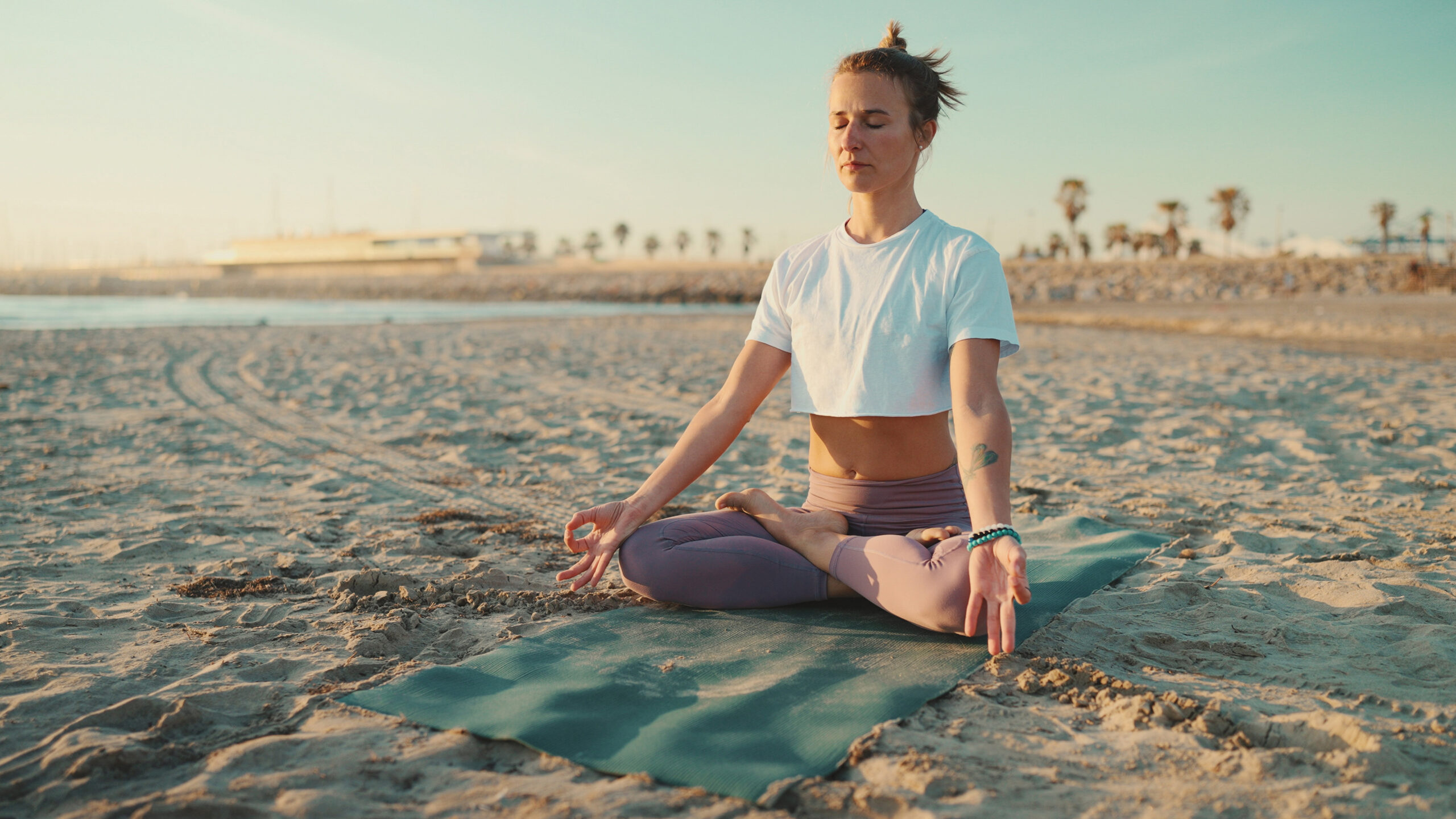
Learning how exactly do you meditate begins with dropping the misconception that meditation requires forcing your mind to stop thinking completely. Real meditation is not about wiping your mental slate blank; it is the art of anchoring your attention on a single focal point—such as your breath, a sensation, or a sound—and gently bringing your awareness back whenever your mind wanders.
In our daily practice leading sessions along the coastline of Chennai and facilitating online meditation circles across India, our students frequently ask whether their active thoughts mean they are failing at meditation. We always reassure them that noticing your thoughts without judgment is the exact mechanism of practice. Over time, this simple habit of returning to the present moment rewires your stress response, expands your mental space, and restores emotional balance.
What Is Meditation?
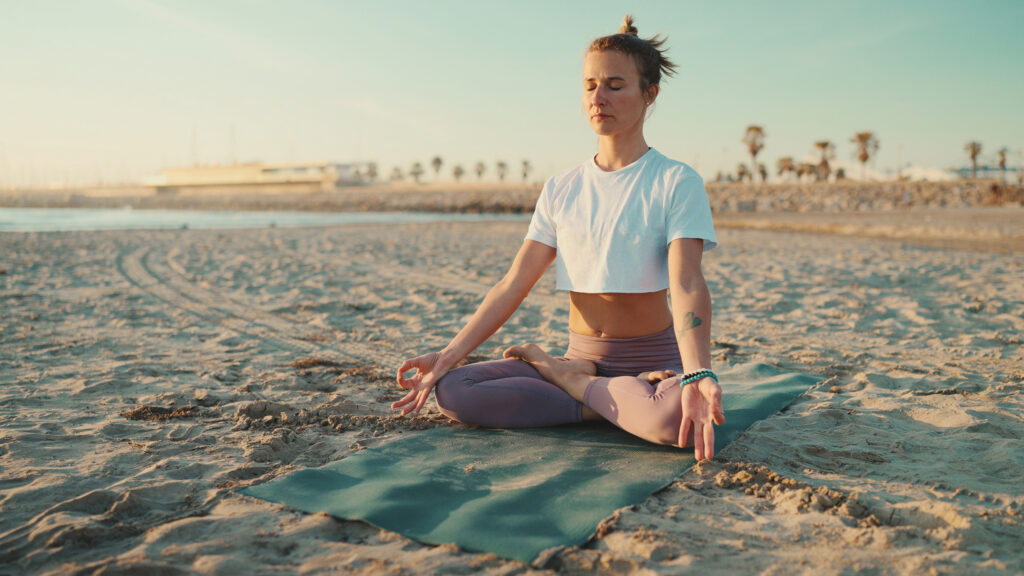
Meditation (Dhyana) is a systematic mind-training practice that cultivates present-moment awareness, mental clarity, and emotional stability. Rather than suppressing active thoughts, meditation teaches practitioners to observe mental activity objectively, using breath, sound, or body sensations as steady anchors to calm the nervous system and quiet mental turbulence.
+-------------------------------------------------------------------------+
|                  THE CORE CYCLE OF MEDITATION PRACTICE                  |
+-------------------------------------------------------------------------+
|  [ Anchor Attention ]    --> Focus gently on the breath or body         |
|  [ Mind Wanders ]        --> Natural activity of the active brain       |
|  [ Notice Wandering ]    --> Moment of pure mindfulness and awareness   |
|  [ Return to Anchor ]    --> Gently guide focus back without judgment   |
+-------------------------------------------------------------------------+
Meditation roots itself in ancient yogic science as the seventh limb (Dhyana) of Patanjali’s classical Ashtanga system. It serves as a practical bridge between external physical movement (Asana) and internal mental mastery.
When you sit down to practice, your brain naturally processes leftover daily tasks, memories, and future planning. Meditation creates distance between you and these thoughts, helping you realize you are the quiet observer behind the mental chatter rather than the chatter itself.
Why Meditation Matters for Health and Lifestyle
Modern urban living keeps our nervous systems in a constant state of high alert, triggering chronic stress and overstimulation. Incorporating daily seated stillness counteracts this chronic strain by activating the parasympathetic nervous system, slowing your heart rate, and easing muscular tension.
The Ministry of Ayush recognizes traditional meditation as a core pillar of preventive mental healthcare, highlighting its role in improving emotional regulation and cognitive focus. Furthermore, clinical health research demonstrates that regular mindfulness practice lowers circulating cortisol levels and supports restful sleep.
According to Outdoor Yoga Chennai, practitioners who pair outdoor physical movement with 10 minutes of daily mindfulness report a 50% greater improvement in overall stress management compared to those who practice physical postures alone.
How Exactly Do You Meditate? A 5-Step Beginner Method
Establishing a daily meditation seat requires a clear, repeatable process. Follow this straightforward 5-step method to build a grounded personal practice:
1.Find a Steady, Comfortable Seat:
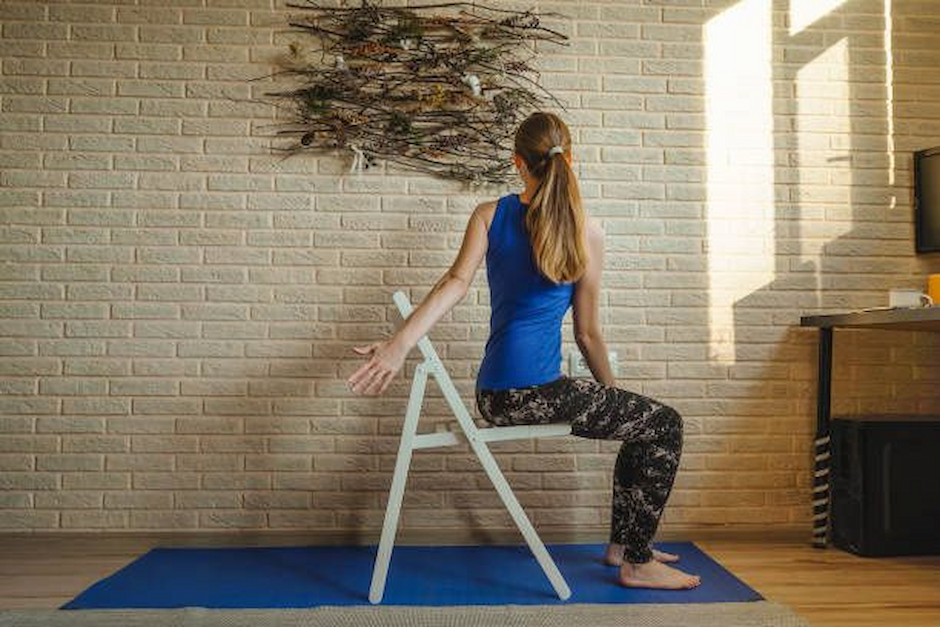
Sit on a cushion, folded blanket, or chair with your spine straight yet unforced. Rest your hands comfortably on your thighs or lap, keeping your chest open and shoulders relaxed.
2.Set a Reasonable Time Limit:
Begin with 5 to 10 minutes per session. Setting a soft, quiet timer allows your mind to relax without constantly checking the clock.
3.Establish Your Sensory Anchor:
Close your eyes gently or drop your gaze downward. Direct your attention to the physical sensation of your breath—noticing the cool air entering your nostrils and the subtle lift of your abdomen.
4.Observe the Natural Mind-Wandering:
Within moments, your mind will drift toward thoughts, sounds, or body sensations. Recognize that this drift is completely normal and not a sign of failure.
5.Gently Return Your Focus:
The moment you realize your mind has wandered, acknowledge it neutrally and return your focus to your breath anchor. Repeat this gentle return as many times as necessary.
A Real Teaching Scenario:
During a quiet sunrise session on the sands of Besant Nagar, a beginner shared that he felt frustrated every time a passing wave or thought broke his focus. We reminded him that realizing your mind has drifted is the actual moment of mindfulness, converting his frustration into relaxed curiosity.
Physical, Mental, and Emotional Benefits Backed by Yoga Science
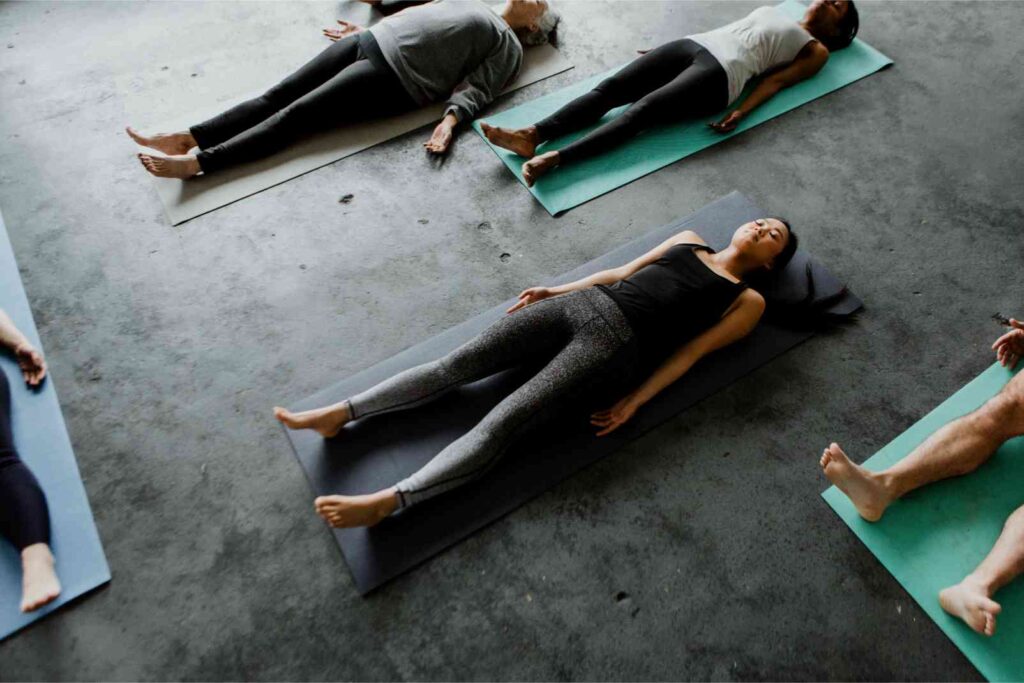
Practicing meditation consistently transforms your health across multiple dimensions:
- Brain Structure & Focus: Research suggests that daily meditation increases grey matter density in areas of the brain associated with memory, learning, and emotional regulation.
- Cardiovascular Relaxation: Slowing your breathing rate during meditation reduces blood pressure and eases strain on the heart.
- Emotional Resilience: Regular practitioners report reduced emotional reactivity, allowing them to respond to workplace stressors with calm clarity.
- Improved Sleep Quality: Quieting hyperactive evening thoughts before bed helps smooth the transition into deep, restorative sleep.
How Can Beginners Build a Consistent Daily Meditation Practice?
Beginners can build a consistent daily practice by starting small—just 5 minutes every morning—and linking the habit to an established routine, like sitting right after brushing their teeth. Focus on consistency over duration, keeping your expectations realistic and treating every session as a positive step toward mental clarity.
Building a reliable practice relies on structured progression rather than forcing long, uncomfortable sessions. Use this framework to scale your meditation journey safely:
| Stage | Duration | Primary Anchor | Expected Experience |
| Stage 1: Foundation | 5 Minutes Daily | Physical Breath Movement | Frequent mind-wandering; building basic sitting habit. |
| Stage 2: Stabilization | 10–15 Minutes Daily | Counting Inhales & Exhale Rhythms | Shorter periods of distraction; deeper physical ease. |
| Stage 3: Integration | 20+ Minutes Daily | Open Sensory Awareness | Greater emotional space; calm clarity during daily activities. |
Common Misunderstandings About Meditation
- Myth: You must stop all thoughts to meditate properly.Reality: Thoughts are natural brain output; meditation simply trains you to observe thoughts without getting swept away by them.
- Myth: Meditation requires sitting in painful cross-legged positions.Reality: You can sit on a sturdy chair, use a wall for back support, or use cushions—comfort is vital for a quiet mind.
- Myth: It takes years of practice to experience any real benefits.Reality: Short, consistent daily sessions often yield noticeable improvements in stress levels and focus within just two weeks.
Practical Tips from Senior Instructors for Deeper Practice
- Anchor Yourself to a Fixed Time: Practice at the same time every morning to build strong habit momentum.
- Prepare Your Space: Keep a small, clean corner of your home dedicated to sitting quietly every day.
- Use Guided Sessions When Starting: Listening to an experienced instructor via online audio or live classes provides structure and prevents early frustration.
- Embrace Ambient Noise: Do not fight background sounds like ocean waves, traffic, or fans—simply allow them to exist without focusing on them.
- End Sessions Gently: Wiggle your fingers and toes slowly, pause for a moment, and carry your calm awareness into your next daily task.
Frequently Asked Questions
1. How exactly do you meditate if your mind is hyperactive?
Acknowledge your active thoughts without frustration, and use simple breathing counts (such as counting to four on every breath) to give your mind a clear task.
2. Is it better to meditate in the morning or at night?
Morning meditation clears your mind for the day ahead, while evening meditation helps unload accumulated workday stress before sleep. Choose the time you can stick to consistently.
3. Can I meditate while sitting in a chair?
Yes. Sit toward the front edge of the chair with both feet flat on the floor and your spine self-supported and upright.
4. What should I do if my legs fall asleep during meditation?
Gently adjust your posture, lift your hips onto a firmer cushion, or extend your legs forward without breaking your calm breathing rhythm.
5. What is the difference between mindfulness and meditation?
Meditation is the formal practice where you sit down to train your focus, while mindfulness is the informal quality of awareness you bring to daily activities.
6. Can guided online classes help me learn how to meditate?
Yes. Structured online sessions offer real-time guidance, clear breathwork instructions, and community support to keep your practice on track.
7. Why is practicing meditation outdoors near nature beneficial?
Natural settings, such as coastal breezes in ECR or quiet park shaded spaces, provide soothing sensory anchors that help calm your nervous system faster.
8. How long does it take for meditation to become a habit?
Practicing for 5 to 10 minutes every day usually builds a comfortable habit loop within 21 to 30 consecutive days.
Stepping Into Stillness and Clarity
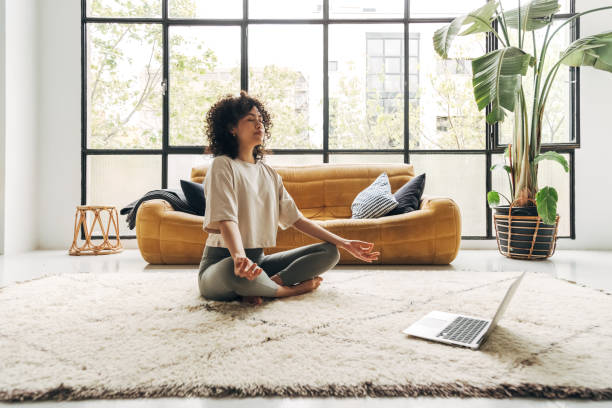
Learning how exactly do you meditate is a rewarding journey of discovering your inner calm. By releasing expectations of perfect mental silence and treating each session as simple breath awareness, you unlock a steady source of resilience, focus, and peace.
Whether you practice quietly at home, join our guided online sessions from anywhere in India, or share a morning sit with us amidst the ocean breezes of ECR and Thiruvanmiyur in Chennai, every moment spent in stillness enriches your day.
Health Disclaimer:
This content is for educational purposes only and is not a substitute for medical advice. Consult your doctor before starting any new exercise program.


Leave a Comment