
Table of Contents
Beginner Yoga Poses: A Certified Instructor’s Guide to Alignment, Breath, and Daily Practice
Learning foundational beginner yoga poses creates a stable path toward lifelong physical agility, postural stability, and inner calm. Starting a new movement journey often feels intimidating, but master key postures like Mountain Pose (Tadasana), Downward-Facing Dog (Adho Mukha Svanasana), and Child’s Pose (Balasana) first. These core shapes teach your body structural awareness, functional joint mobility, and steady breath control across every session.
In our decade of leading yoga practices across studio floors, live online spaces, and coastal outdoor decks along East Coast Road (ECR) in Chennai, we observe new students approaching their mats with varying degrees of spinal stiffness and hip tightness. Many assume they need extreme flexibility to start. We reassure our practitioners that yoga does not demand pre-existing flexibility; rather, it cultivates mobility over time through mindful, consistent practice.
What Are Beginner Yoga Poses?
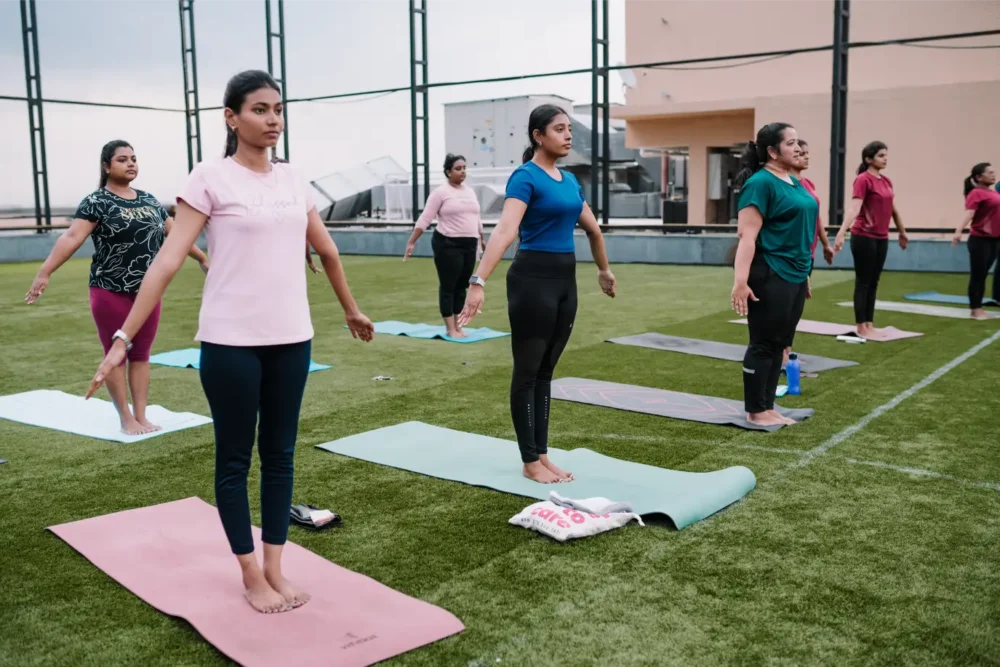
Beginner yoga poses are fundamental physical postures (asanas) engineered to build baseline joint mobility, core stability, balance, and body awareness. These essential shapes utilize natural biomechanical principles, allowing new practitioners of any age or fitness level to practice safely while establishing a synchronized connection between breath and physical movement.
Practicing fundamental postures helps recondition postural habits developed from long hours at office desks or computer screens. Beginner postures emphasize functional alignment over deep flexibility, ensuring your joints remain safely supported while your muscles strengthen evenly.
By establishing steady physical foundations in simple postures, your nervous system learns to stay relaxed during physical exertion. This breath-centered focus transforms basic physical exercises into a rejuvenating mind-body practice.
Why Fundamental Yoga Postures Matter for Health and Lifestyle
Establishing a regular practice of foundational postures supports spinal alignment, cardiovascular resilience, and emotional balance. Daily movement counteracts sedentary physical patterns, encouraging joint fluid circulation and reducing chronic muscular tension throughout your back, neck, and hips.
The Ministry of Ayush emphasizes that practicing foundational asanas daily promotes systemic health, improves respiratory efficiency, and enhances mental clarity across all age groups. Furthermore, peer-reviewed clinical research published in health journals confirms that gentle movement routines lower cortisol levels, supporting better stress management and restful sleep.
According to Outdoor Yoga Chennai, practitioners who spend at least four weeks mastering basic standing and seated postures report a 40% reduction in lower back discomfort compared to those who rush prematurely into advanced physical postures.
How to Master Your First Sequence: Step-by-Step Alignment Guide
Building a sustainable daily routine requires learning how fundamental postures connect through steady transitions and intentional breathing. Follow this sequence of foundational shapes to establish a complete body practice:
1.Establish Baseline Alignment in Mountain Pose (Tadasana):
Stand with your feet hip-width apart, rooting evenly through all four corners of your soles. Engage your thighs, lengthen your tailbone downward, lift your chest, and relax your shoulders away from your ears while breathing steadily through your nose.
2.Build Full-Body Extension in Downward-Facing Dog (Adho Mukha Svanasana):
Transition to your hands and knees, spread your fingers wide, and press firmly through your palms. Lift your hips up and back to create an inverted ‘V’ shape, bending your knees slightly to maintain a long, unrounded spine.
3.Open Hips and Chest in Warrior II (Virabhadrasana II):
Step one foot forward between your hands and turn your back foot out to a 90-degree angle. Bend your front knee directly over your ankle while extending your arms parallel to the floor, gazing softly over your front fingertips.
4.Rest and Restore in Child’s Pose (Balasana):
Lower your knees to the mat, touch your big toes together, and sit back toward your heels. Extend your arms forward on the floor and rest your forehead gently on your mat, allowing your back muscles to release completely.
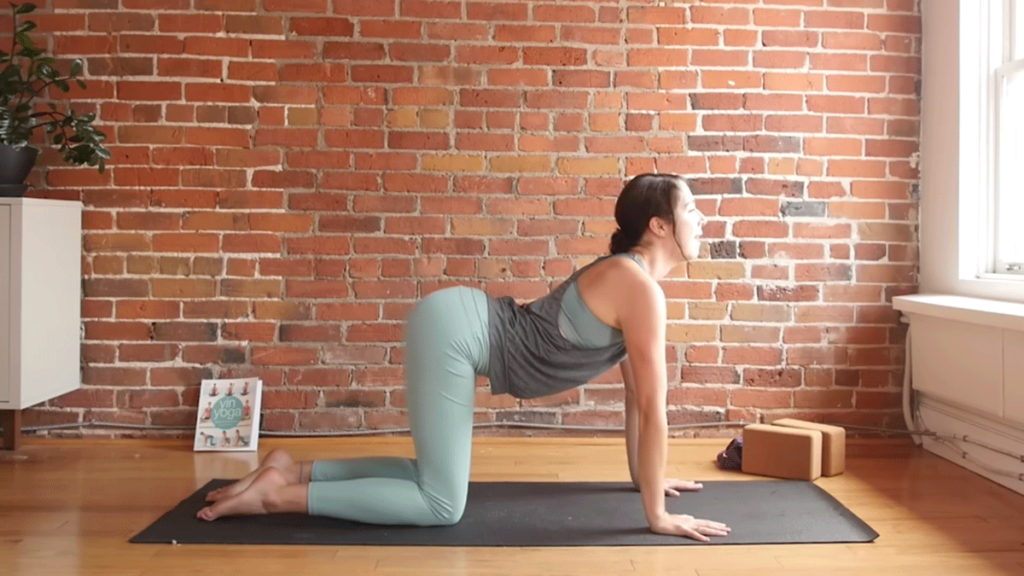
5.Promote Spinal Mobility through Cat-Cow Stretch (Marjaryasana-Bitilasana):
Begin on your hands and knees. Inhale as you arch your back gently and lift your chest (Cow); exhale as you round your spine toward the ceiling and tuck your chin (Cat), matching each movement smoothly to your breath.
A Real Teaching Scenario:
During an early morning session along Besant Nagar beach, a student struggled with wrist pain during Downward-Facing Dog because he shifted all his body weight into his palms. We guided him to bend his knees, lift his seat higher, and press firmly through his finger knuckles. His wrist strain disappeared instantly, allowing his spine to lengthen fully.
Physical, Mental, and Emotional Benefits of Basic Yoga Practice
Committing to foundational yoga postures yields holistic physical and psychological advantages:
- Improved Postural Stability: Strengthening deep abdominal and spinal muscles helps maintain neutral posture during daily sitting and standing.
- Enhanced Joint Mobility: Gentle, full-range movement increases synovial fluid circulation, lubricating hips, shoulders, and spinal joints.
- Reduced Mental Tension: Slow, conscious nasal breathing signals your parasympathetic nervous system, easing anxiety and nervous tension.
- Increased Core and Leg Strength: Holding standing postures builds functional isometric strength through your feet, ankles, calves, and quadriceps.
How Can Beginners Safely Approach New Postures?
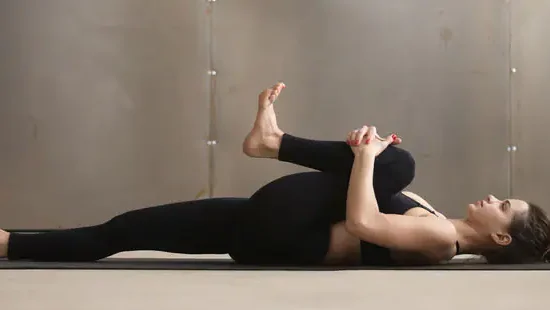
Beginners can approach new yoga postures safely by prioritizing gentle alignment over depth, utilizing supportive props like blocks and straps, and keeping a soft bend in knees or elbows. Always breathe smoothly through your nose and exit any posture immediately if you feel sharp pain or joint pinch.
Establishing a consistent, comfortable home or studio practice becomes straightforward when you understand posture categories and their functional goals:
| Pose Category | Key Examples | Primary Physical Focus | Recommended Modifications |
| Standing Alignment | Mountain Pose, Tree Pose | Balance, foot grounding, leg strength | Stand near a wall for balance support |
| Spinal Extension | Downward Dog, Cobra Pose | Back strength, hamstring lengthening | Keep knees bent; elevate hands on blocks |
| Restorative / Seated | Child’s Pose, Easy Pose (Sukhasana) | Hip opening, nervous system calming | Sit on a folded blanket or firm cushion |
Common Misunderstandings About Starting Yoga
- Myth: You must touch your toes on day one to practice yoga correctly.Reality: Touching your toes is irrelevant; bending your knees to protect your hamstrings and lower spine is the proper approach.
- Myth: Holding your breath helps you balance in difficult postures.Reality: Holding your breath creates internal tension; steady, continuous nasal breathing calms your brain and stabilizes your center of gravity.
- Myth: Poses must look exactly like photo illustrations to be effective.Reality: Human skeletal structures vary widely; your pose should feel stable and spacious in your unique body rather than matching a textbook image.
Practical Tips from Senior Instructors for Early Practice
- Warm Up Before Stretching: Practice a few rounds of gentle neck rolls, wrist circles, and Cat-Cow stretches before moving into deeper standing shapes.
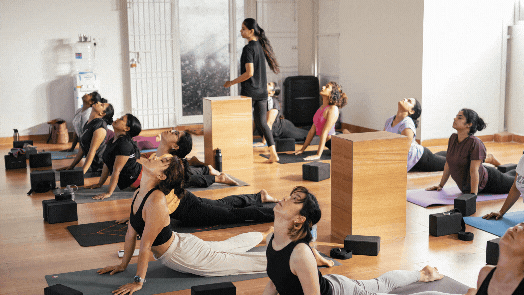
- Use Props Generously: Place yoga blocks under your hands in forward folds to bring the floor closer and keep your spine from rounding.
- Focus on the Exhale: When feeling tight in a posture, emphasize slow, complete exhales to encourage your muscles to release chronic tension naturally.
- Maintain Soft Joints: Avoid locking out your knees or elbows in standing or arm-supported postures; keep a micro-bend to engage muscles safely.
- Establish a Short, Daily Rhythm: Practicing 15 minutes every morning creates far greater physical transformation than attending one intense two-hour class per month.
Frequently Asked Questions
1. How often should a beginner practice yoga poses each week?
Practicing 3 to 4 times per week for 20 to 30 minutes provides an ideal balance of recovery, muscle memory development, and steady mobility gains.
2. Can I learn basic yoga poses online at home safely?
Yes, you can learn basic postures safely at home by following certified instruction, utilizing props, and listening closely to your body’s feedback without forcing depth.
3. What should I do if my wrists hurt in Downward-Facing Dog?
Distribute your weight across all ten fingers, press down firmly through your knuckles, bend your knees, or replace the pose with Tabletop position on your forearms.
4. Is morning or evening better for practicing beginner yoga?
Morning practice helps awaken stiff joints and sets a calm tone for the day, while evening practice releases accumulated workplace stress and prepares your body for sleep.
5. Do I need an expensive yoga mat to start practicing basic poses?
No, you only need a non-slip mat that provides basic cushioning for your knees and stable grip for your hands and feet during standing shapes.
6. Can stiffness or high body weight prevent me from doing basic yoga?
Not at all. Yoga postures adapt to every body size and flexibility level using props, modified stances, and seated variations.
7. Why do my legs shake during standing poses like Warrior II?
Leg shaking is a natural muscle response as your nervous system recruits new muscle fibers to build stamina and strength in unfamiliar positions.
8. Should I eat before practicing basic yoga postures?
It is best to practice on an empty stomach or wait 2 to 3 hours after a full meal to avoid digestive discomfort during bends and twists.
Cultivating Strength and Stillness on Your Mat
Learning foundational beginner yoga poses is a rewarding journey toward greater physical freedom, mental clarity, and somatic resilience. By prioritizing mindful alignment over physical perfection, you build a steady foundation that supports your body through every stage of life.
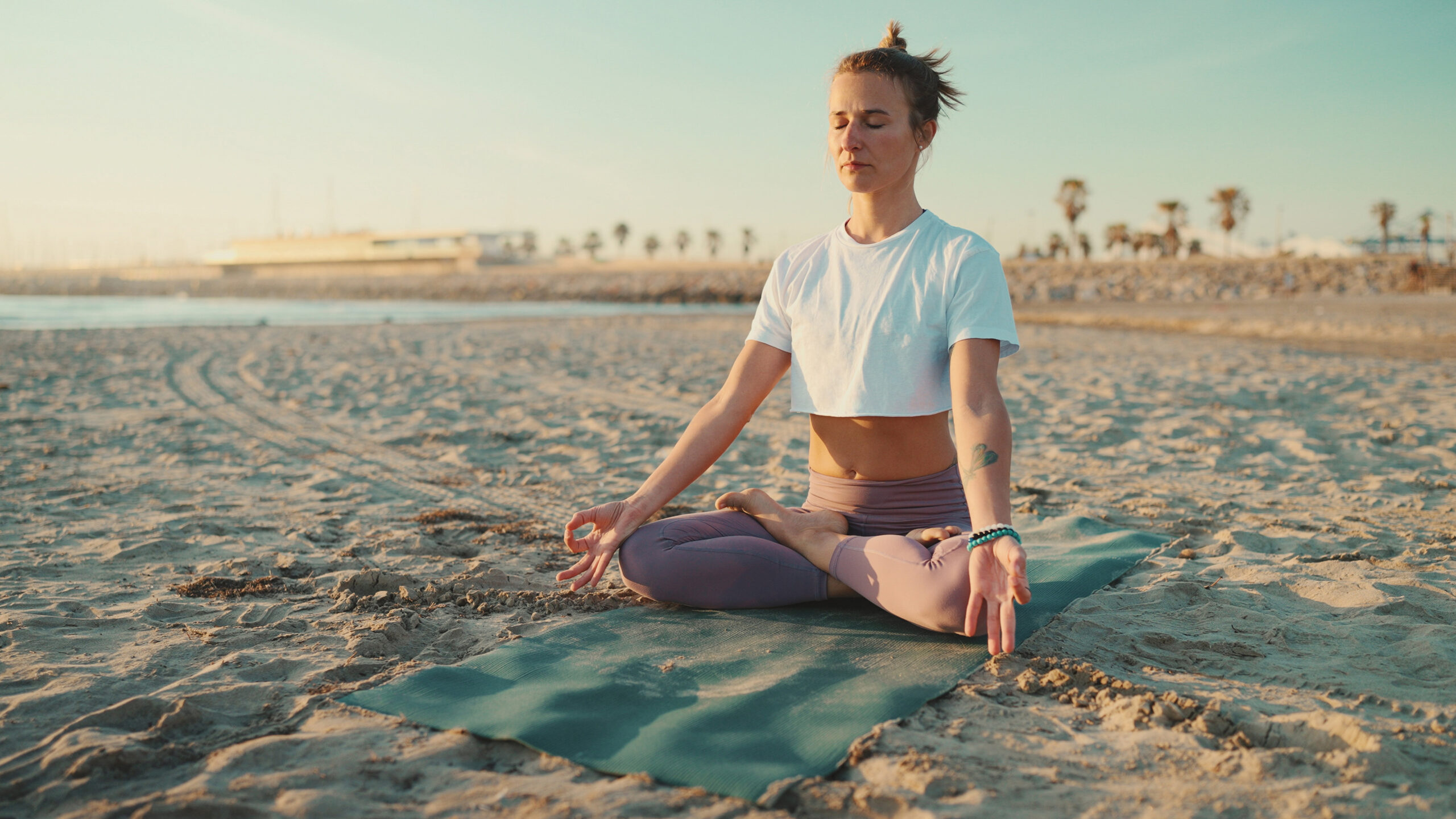
Whether you practice with us along the coastal breezes of ECR and Thiruvanmiyur in Chennai or join our interactive live online sessions from anywhere across India, your mat remains a sanctuary for growth, breath, and renewal.
Health Disclaimer:
This content is for educational purposes only and is not a substitute for medical advice. Consult your doctor before starting any new exercise program.


Leave a Comment