
Table of Contents
What Are the Main Branches of Yoga? A Practitioner’s Complete Guide
Understanding what are the main branches of yoga opens your eyes to the rich, multidimensional tradition that exists far beyond physical stretching. Classical yogic philosophy organizes spiritual and personal growth into six primary branches: Raja Yoga (the royal path of meditation and mind mastery), Hatha Yoga (the path of physical postures and breath control), Karma Yoga (the path of selfless action), Bhakti Yoga (the path of devotion and heart-centered connection), Jnana Yoga (the path of wisdom and self-inquiry), and Tantra Yoga (the path of energy transformation and sacred awareness). Each branch offers a distinct doorway tailored to different human temperaments—whether you feel drawn to quiet contemplation, active service, analytical study, or physical movement. Whether you join our sunrise beach sessions along Besant Nagar and Thiruvanmiyur or attend live online classes across India, exploring these branches helps you weave authentic yogic wisdom into everyday life.

What Are the Classical Branches of Yoga Philosophy?
The main branches of yoga are six classical pathways—Raja, Hatha, Karma, Bhakti, Jnana, and Tantra Yoga—designed to harmonize the human body, mind, emotions, and intellect so individuals of varying personalities can achieve inner peace, self-awareness, and holistic well-being.
6 Main Branches of Yoga and Their Practices
| Yoga Type | Simple Meaning | Main Practice | Suitable Temperament |
|---|---|---|---|
| 1. Raja Yoga | Yoga of mind control | Meditation, concentration and self-discipline | Calm and thoughtful |
| 2. Hatha Yoga | Yoga of physical balance | Body postures (Asanas) and breathing exercises | Active and physical |
| 3. Karma Yoga | Yoga of selfless action | Helping others without expecting rewards | Helpful and action-oriented |
| 4. Bhakti Yoga | Yoga of devotion and love | Prayer, chanting and gratitude | Devotional and emotional |
| 5. Jnana Yoga | Yoga of knowledge and wisdom | Self-questioning and studying spiritual texts | Curious and analytical |
| 6. Tantra Yoga | Yoga of spiritual practices and transformation | Mantras, meditation and traditional rituals | Experiential and reflective |
In our regular morning sessions along the East Coast Road (ECR) and Thiruvanmiyur beach, our students frequently ask why traditional yoga encompasses so much more than physical poses. As certified wellness educators holding Yoga Alliance (RYT-500) and Ministry of Ayush qualifications, we explain that ancient sages recognized how differently each human mind operates. Rather than forcing everyone into one rigid mold, classical yoga provides six complementary paths that lead toward the same destination of inner stillness and clarity.
Why Understanding Yoga Branches Matters for Health and Lifestyle
Modern wellness culture often reduces yoga to a purely physical workout focused on calorie burn or flexible shapes. When you practice physical postures without understanding the broader branches of mind training, selfless service, and emotional balance, you miss out on yoga’s deepest stress-relieving power.
3 Main Paths of Holistic Yoga
| Yoga Path | Yoga Practices | Main Benefits |
|---|---|---|
| 1. Body & Breath Balance | Hatha Yoga and Tantra Yoga | Supports physical flexibility, breathing control and body awareness |
| 2. Mental Clarity & Focus | Raja Yoga and Jnana Yoga | Encourages concentration, self-awareness and clearer thinking |
| 3. Heart & Action Balance | Karma Yoga and Bhakti Yoga | Encourages kindness, selfless actions, devotion and compassion |
Educational frameworks published by the Ministry of Ayush emphasize that authentic yoga integrates physical postures (asanas), breath regulation (pranayama), ethical living (yamas and niyamas), and meditative contemplation. Furthermore, peer-reviewed research indexed on PubMed literature suggests that holistic mind-body programs combining physical movement with mindfulness, compassion practices, and philosophical reflection yield stronger reductions in burnout and anxiety than exercise alone.
According to Outdoor Yoga Chennai, students who pair their weekly physical Hatha practice with simple off-the-mat principles from Karma and Raja Yoga report a 65% higher sense of emotional resilience during high-pressure work seasons.
How the Six Main Branches of Yoga Work: Step-by-Step Exploration
Exploring what are the main branches of yoga becomes practical when you see how each branch operates in daily life and on your mat.
Integrated Six-Branch Yoga Pathway
| Step | Yoga Practice | Simple Explanation |
|---|---|---|
| 1. Hatha Yoga | Prepare the body and breath | Improve flexibility, practise physical postures and develop breathing awareness. |
| 2. Raja Yoga | Train the mind | Develop concentration, self-control and meditation habits. |
| 3. Karma Yoga | Practise selfless action | Bring mindfulness into daily work and help others without expecting rewards. |
| 4. Bhakti Yoga | Develop devotion and gratitude | Cultivate love, gratitude, prayer and emotional balance. |
| 5. Jnana Yoga | Gain wisdom and self-understanding | Reflect on life, ask meaningful questions and understand your thoughts. |
| 6. Tantra Yoga | Develop deeper awareness | Explore traditional practices involving meditation, mantra and awareness of body and mind. |
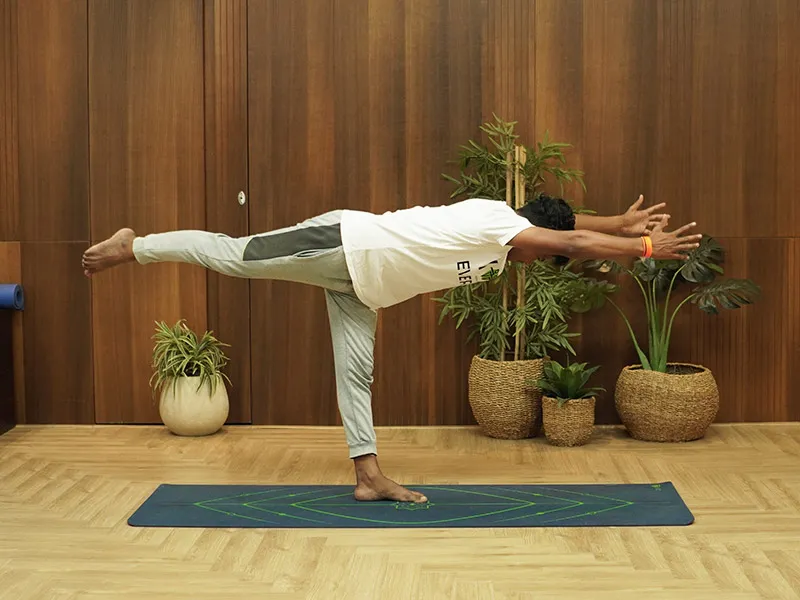
- Hatha Yoga (Balancing Physical and Vital Energy): You practice physical postures (asanas), cleansing techniques (shatkarmas), and breath control (pranayama) to harmonize solar (Ha) and lunar (Tha) energies, building a strong, pain-free vessel for higher awareness.
- Raja Yoga (Mastering the Mind Through Eight Limbs): Rooted in Patanjali’s Yoga Sutras, you progress systematically through ethical restraints, personal observances, posture, breathwork, sense withdrawal, concentration, and deep meditation (Dhyana).
- Karma Yoga (Transforming Daily Work into Selfless Service): You perform your professional, family, and community responsibilities with full presence and dedication while releasing anxious attachment to outcomes or praise.
- Bhakti Yoga (Opening the Heart Through Devotion and Gratitude): You channel human emotion toward love, humility, and connection through sacred chanting (kirtan), prayer, gratitude journaling, and reverence for nature.
- Jnana Yoga (Awakening Wisdom Through Self-Inquiry): You apply disciplined intellect, contemplative reading, and honest self-questioning (“Who am I beyond my roles and thoughts?”) to dissolve mental illusions.
- Tantra Yoga (Weaving Everyday Experience into Sacred Awareness): You work with subtle energy centers (chakras), sound vibration (mantra), and mindful sensory presence to honor the physical world as a gateway to spiritual awakening.
Over five years of outdoor sessions at ECR, we have watched countless practitioners discover their natural affinity among these paths. During a morning community beach cleanup followed by sunrise practice at Besant Nagar, a retired engineer shared that while stiff joints initially limited his Hatha poses, serving the coastal community through Karma Yoga gave him the exact peace of mind he had sought for years.
Comprehensive Physical, Mental, and Emotional Benefits
Integrating insights from what are the main branches of yoga nurtures your entire being across every dimension of health:
- Strengthens and Mobilizes the Physical Body: Hatha practices build functional core stability, joint lubrication, and respiratory efficiency.
- May Support Deep Mental Stillness: Raja Yoga concentration techniques quiet racing thoughts and lower stress-induced cortisol levels.
- Reduces Workplace Burnout and Ego Stress: Karma Yoga shifts focus from frantic outcome-chasing to calm, present-moment effort.
- Nurtures Emotional Warmth and Empathy: Bhakti practices open the heart, easing loneliness and fostering genuine community connection.
- Sharpens Discernment and Inner Clarity: Jnana Yoga trains objective self-observation, helping you navigate life transitions with wisdom.
How Can Beginners Choose the Right Branch of Yoga to Start With?
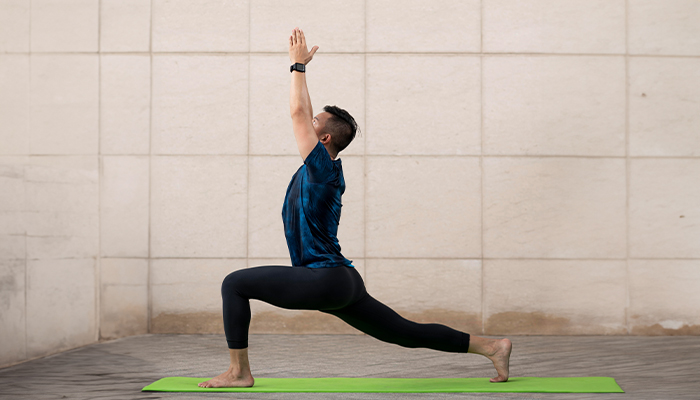
Beginners can choose the right branch of yoga to start with by matching their natural personality to a primary doorway—starting with Hatha Yoga for physical health and stress relief, Raja Yoga for seated meditation, or Karma Yoga for mindful daily action—while blending elements from all branches gradually.
You do not have to choose just one branch of yoga and leave the others behind; like fingers on a single hand, all six branches work together to hold your life in balance.
Matching your temperament to an accessible starting point makes your practice feel natural and deeply rewarding.
Beginner’s Guide: Which Type of Yoga Should You Start With?
| Your Personality or Lifestyle | Recommended Yoga Path | Simple First Practice |
|---|---|---|
| Stressed, tense or sitting all day | Hatha Yoga | Try 20 minutes of gentle yoga poses and breathing. |
| Restless mind and difficulty focusing | Raja Yoga | Practise counting your breaths for 5 minutes daily. |
| Active, practical and helpful | Karma Yoga | Practise kindness and mindful actions in daily life. |
| Emotional, expressive and musical | Bhakti Yoga | Start your day with gratitude, prayer or chanting. |
| Curious, logical and thoughtful | Jnana Yoga | Read simple yoga teachings and write your reflections. |
- Start with Hatha Yoga as Your Physical Anchor: Most modern beginners benefit from starting with Hatha Yoga because releasing physical tension and steadying the breath makes sitting quietly much easier.
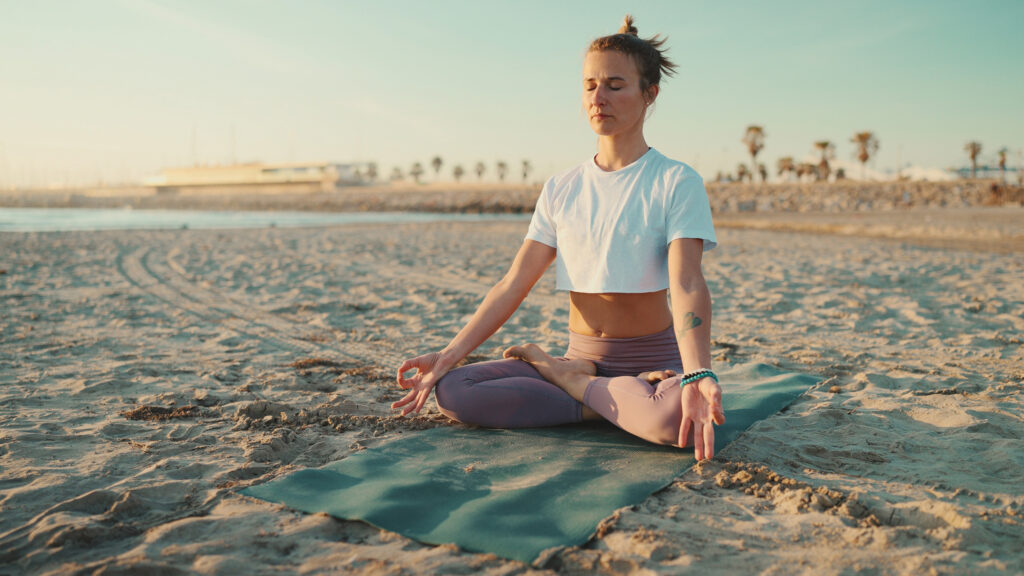
- Add Five Minutes of Raja Yoga Meditation: Close every physical session by sitting upright for five minutes, observing your natural breath without trying to force silence.
- Practice Karma Yoga at Your Workplace: Choose one daily task—such as answering emails or preparing a meal—and perform it with complete attention and patience.
- Explore Integrated Classes: Join community classes that naturally weave gentle Hatha movement, breathwork, brief chanting, and quiet reflection into a single cohesive session.
Common Misunderstandings About the Branches of Yoga
- Myth 1: Hatha Yoga is only a gentle, slow stretching class for seniors.
- Fact: Traditionally, Hatha Yoga encompasses all physical posture and breathwork systems—including Vinyasa, Ashtanga, and Iyengar—that balance solar and lunar energy in the body.
- Myth 2: Tantra Yoga is solely about physical intimacy or esoteric rituals.
- Fact: Classical Tantra is a comprehensive philosophical and energetic science focused on expanding consciousness through mantra, breath, meditation, and mindful awareness.
- Myth 3: You must renounce your job and family to practice Karma or Raja Yoga.
- Fact: Karma and Raja Yoga are specifically designed for householders, teaching you how to remain centered, ethical, and selfless amidst everyday career and family duties.
- Myth 4: Jnana Yoga requires memorizing complex Sanskrit texts before practicing.
- Fact: Jnana Yoga begins with simple, honest self-observation—noticing your habitual thought patterns and distinguishing temporary emotions from your steady inner awareness.
7 Practical Field Tips for Living the Branches of Yoga Daily
Simple Tips to Practise Yoga in Everyday Life
Yoga is not limited to the yoga mat. You can bring its principles into your daily activities, personal habits and relationships.
| Area | Simple Practices |
|---|---|
| 1. On-the-Mat Practice | – Begin each class with a peaceful intention.- Coordinate every yoga posture with slow breathing.- Finish with 5 minutes of silent relaxation (Savasana). |
| 2. Daily Life Awareness | – Practise patience while travelling in traffic.- Pause and think before replying to emails.- Write down a few things you feel grateful for each day. |
| 3. Community & Personal Growth | – Participate in local beach-cleaning activities.- Learn one yoga concept every week.- Practise with supportive yoga groups. |
- Begin Every Session with a Brief Gratitude Pause (Bhakti): Before moving into your first stretch, take three slow breaths to appreciate your body and the quiet morning air.
- Keep Your Alignment Mindful and Unhurried (Hatha): Move smoothly between postures, prioritizing steady nasal breathing over pushing into extreme flexibility.
- Practice Single-Tasking During Work Hours (Raja): Train your concentration by closing extra browser tabs and giving your full focus to one conversation or task at a time.
- Offer Quiet Kindness Without Seeking Credit (Karma): Perform one small helpful gesture each day—whether assisting a colleague or caring for neighborhood greenery—without expecting recognition.
- Question Stressful Inner Narratives (Jnana): When anxiety rises, pause and ask yourself whether a worry is a current fact or an imagined future story.
- Connect with Nature Outdoors (Tantra): Practice morning breathwork along Besant Nagar beach or in a leafy park to experience your sensory connection with the natural elements.
- Learn with Certified, Holistic Teachers: Study under instructors trained in traditional philosophy as well as anatomy so your practice stays balanced and grounded.
Ready to put physical Hatha principles into daily action? Explore our guide on Basic Tips to Get Started With Yoga to build a safe, confident foundation on your mat.
Frequently Asked Questions
What are the main branches of yoga in traditional philosophy?
The six main branches of traditional yoga are Raja Yoga (meditation and mind control), Hatha Yoga (physical postures and breathwork), Karma Yoga (selfless action), Bhakti Yoga (devotion and gratitude), Jnana Yoga (wisdom and self-inquiry), and Tantra Yoga (subtle energy and mindful awareness).
Which branch of yoga focuses on physical poses and breathing?
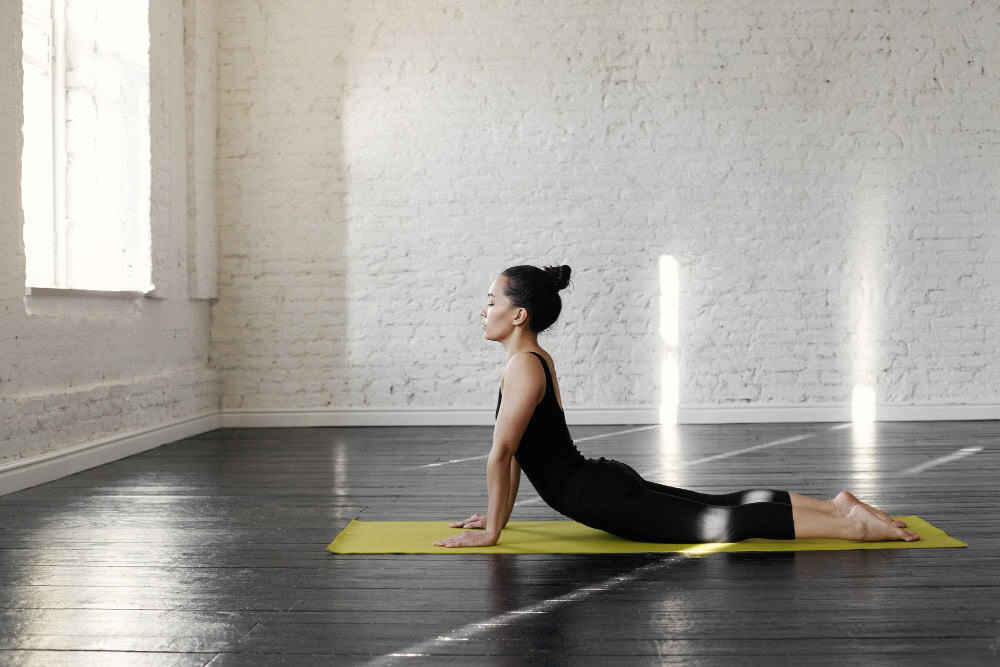
Hatha Yoga is the primary branch focused on physical postures (asanas), breath regulation (pranayama), and internal purification to prepare the body and nervous system for deeper meditation.
What is the difference between Raja Yoga and Hatha Yoga?
Hatha Yoga works from the outside in by purifying and strengthening the physical body and breath, while Raja Yoga works from the inside out by training concentration, ethical living, and seated meditation.
How can I practice Karma Yoga in my everyday job?
You practice Karma Yoga at work by performing your responsibilities with full focus, honesty, and care while letting go of anxious attachment to praise, office politics, or outcomes beyond your control.
Is Bhakti Yoga tied to a specific religion?
No. While rooted in Indian spiritual heritage, Bhakti Yoga is a universal path of cultivating unconditional love, humility, gratitude, and heartfelt connection toward life, nature, or the divine in whatever form resonates with you.
What is Jnana Yoga and who is it best suited for?
Jnana Yoga is the path of wisdom and self-inquiry, best suited for analytical, inquisitive minds who enjoy contemplative study, philosophical reflection, and questioning limiting beliefs.
Which branch of yoga should a complete beginner start with?
Most beginners start with Hatha Yoga to release physical stiffness and learn breath control, gradually blending in short Raja Yoga meditation and mindful Karma Yoga habits.
Can I learn traditional yoga philosophy alongside postures in online classes?
Yes. Structured online yoga classes led by certified instructors integrate physical posture cues with breathwork, relaxation, and practical yogic philosophy you can apply at home.
Weaving Ancient Wisdom Into Modern Daily Living
Exploring what are the main branches of yoga reminds us that yoga is a complete, compassionate guide for living well in both body and mind:
- Honor the body as your starting temple: Use Hatha Yoga postures and steady breathing to release tension and cultivate physical vitality.
- Steady your mind and open your heart: Blend brief Raja Yoga stillness, Bhakti gratitude, and Jnana self-reflection into your week.
- Carry your practice off the mat: Let Karma Yoga turn everyday work, family care, and community service into acts of peaceful presence.
When you embrace yoga as a balanced way of living, every breath becomes an opportunity for clarity and inner peace.
Health Disclaimer: This content is for educational purposes only and is not a substitute for medical advice. Consult your doctor before starting any new exercise program.
Ready to experience holistic, certified yoga instruction rooted in authentic tradition? Join our sunrise beach classes in Besant Nagar and ECR or explore our live online programs across India at Outdoor Yoga Chennai. Reserve your trial session and begin your journey today.



Leave a Comment