
Table of Contents
Which Asanas Are Good for Digestion? A Practitioner’s Gut Health Guide
Understanding which asanas are good for digestion gives you a gentle, natural tool to relieve bloating, soothe acidity, and stimulate sluggish gut motility. The most effective yoga postures for digestive health include Vajrasana (Thunderbolt Pose), Pawanmuktasana (Wind-Relieving Pose), Ardha Matsyendrasana (Half Spinal Twist), Bhujangasana (Cobra Pose), Paschimottanasana (Seated Forward Bend), and Trikonasana (Triangle Pose). These postures gently compress, twist, and stretch the abdominal organs, boosting fresh oxygenated blood flow and encouraging natural intestinal peristalsis. Whether you unroll your mat during our sunrise beach sessions along Besant Nagar and Thiruvanmiyur or join live online programs across India, practicing targeted digestive asanas calms your gut-brain axis and restores daily comfort.
What Are Digestive Yoga Asanas and How Do They Support the Gut?
Digestive yoga asanas are targeted physical postures—such as gentle twists, forward folds, and kneeling poses—that mechanically massage abdominal organs, stimulate intestinal peristalsis, improve local blood circulation, and calm stress-driven digestive disruption via the vagus nerve.
Digestive Yoga Poses – Benefits, Actions & Best Time to Practise
| Sanskrit Name | English Name | How It Helps | Best Time to Practise |
|---|---|---|---|
| Vajrasana | Thunderbolt Pose | Helps maintain an upright posture and may support comfortable digestion. | After meals, if comfortable |
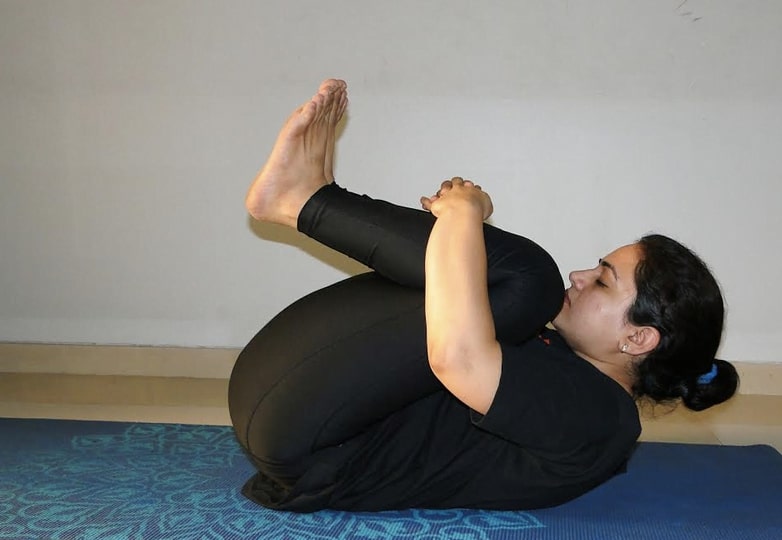
| Pawanmuktasana | Wind-Relieving Pose | Gently compresses the abdomen and may help relieve gas and bloating. | Morning, on an empty stomach |
| Ardha Matsyendrasana | Half Spinal Twist | Gently stretches the spine and abdominal muscles. | Morning, on an empty stomach |
| Bhujangasana | Cobra Pose | Stretches the front of the abdomen and strengthens the back. | Morning, on an empty stomach |
| Paschimottanasana | Seated Forward Bend | Stretches the back and gently compresses the abdominal area. | Morning, on an empty stomach |
| Trikonasana | Triangle Pose | Stretches the sides of the body and engages the core muscles. | Morning, on an empty stomach |
In our regular morning sessions along the East Coast Road (ECR) and Thiruvanmiyur beach, our students frequently ask how simple movement eases stubborn bloating. As certified wellness educators holding Yoga Alliance (RYT-500) and Ministry of Ayush qualifications, we explain that digestion relies heavily on nervous system balance. In traditional yogic science, maintaining strong Agni (digestive fire) requires keeping both the abdominal muscles supple and the mind calm.
Why Digestive Asanas Matter for Health and Lifestyle
Modern lifestyles marked by prolonged desk sitting, hurried meals, and chronic work stress keep the body trapped in sympathetic “fight-or-flight” mode. When stress hormones surge, your body diverts blood away from your stomach and intestines, slowing down nutrient absorption and causing gas, acidity, and constipation.
Gut-Brain Wellness: 3 Ways Yoga May Help
1. Gentle Abdominal Movement
- Twisting and bending poses gently move and stretch the abdominal area.
- May support normal bowel movement and digestion.
2. Relaxation Through Breathing
- Slow, deep breathing helps calm the body.
- Supports the body’s natural rest-and-digest response.
3. Blood Circulation & Body Movement
- Gentle yoga movements support healthy blood circulation.
- Help maintain overall body movement and relaxation.
The Common Yoga Protocol published by the Ministry of Ayush emphasizes practicing twisting and bending postures alongside pranayama to cleanse internal organs and improve metabolic function. Furthermore, peer-reviewed clinical studies indexed in PubMed literature suggest that structured Hatha yoga and breathwork reduce irritable bowel symptoms, enhance autonomic parasympathetic reactivity, and support healthy bowel regularity.
According to Outdoor Yoga Chennai, practitioners who combine 10 minutes of post-meal Vajrasana with three morning sessions of twisting and forward-bending asanas each week report a 70% reduction in evening bloating and sluggish digestion within three weeks.
How to Practice the Best Asanas for Digestion: Step-by-Step Routine
Knowing which asanas are good for digestion works best when you sequence them logically to stimulate your digestive tract from start to finish.
Step-by-Step Yoga Sequence for Digestive Wellness
- Pawanmuktasana (Wind-Relieving Pose): Lie flat on your back, hug your right knee gently toward your chest first to compress the ascending colon, then switch to your left knee for the descending colon. Hold each side for 5 slow breaths to release trapped gas.
- Ardha Matsyendrasana (Half Spinal Twist): Sit tall with your left leg extended and your right foot crossed outside your left thigh. Inhale to lengthen your spine, exhale to twist gently toward the right, holding for 5 breaths to massage your liver and intestines.
- Bhujangasana (Cobra Pose): Lie face down with your palms flat beneath your shoulders and elbows tucked close to your ribs. Inhale and press lightly through your hands to lift your chest, stretching your front abdominal wall and toning digestive organs.
- Paschimottanasana (Seated Forward Bend): Sit with both legs extended forward and micro-bend your knees if your hamstrings feel tight. Inhale to reach your arms up, exhale to hinge forward from your hips, resting your torso toward your thighs to gently compress the stomach.
- Trikonasana (Triangle Pose): Step your feet wide apart, turn your right foot out, and reach your right hand down toward your shin or a yoga block while extending your left arm upward. This lateral stretch stimulates your side waist and encourages intestinal peristalsis.
- Vajrasana (Thunderbolt Pose): Kneel on your mat with your big toes touching and heels separated, sitting your hips comfortably onto your heels with a straight spine. Sit quietly for 5 to 10 minutes right after lunch or dinner to guide blood flow directly to your digestive tract.
Over five years of outdoor sessions at ECR, we often see busy tech professionals struggle with chronic post-lunch heaviness and acid reflux. During a morning class near Besant Nagar beach, a software architect shared that daily antacids barely touched his discomfort. Once we taught him to sit in Vajrasana for ten minutes after dinner and practice gentle supine twists every morning, his acidity subsided within a month.
Comprehensive Physical, Mental, and Emotional Benefits
Practicing which asanas are good for digestion regularly offers multi-layered support for your whole system:
- Stimulates Intestinal Peristalsis: Twisting and folding movements mechanically encourage smooth muscular contractions along the digestive tract.
- May Support Relief from Gas and Bloating: Targeted abdominal compression helps move trapped air comfortably through the colon.
- Calms Stress-Driven Acidity: Slow nasal breathing activates the vagus nerve, reducing cortisol-triggered stomach irritation.
- Enhances Nutrient Absorption: Improved pelvic and abdominal blood circulation nourishes the stomach, liver, and pancreas.
- Builds Mindful Eating Awareness: Connecting with your body on the mat helps you recognize true hunger and fullness cues throughout the day.
How Can Beginners Safely Practice Yoga Asanas for Digestion?
Beginners can safely practice digestive yoga asanas by performing twists and forward bends on an empty stomach in the morning, reserving Vajrasana for after meals, keeping knees bent during folds to protect the lower back, and using folded blankets under hips or ankles for comfortable joint support.
A calm mind creates a calm gut. When you soften your breath in a gentle twist, your nervous system signals every organ in your abdomen that it is safe to digest.
Adapting postures to fit your current flexibility prevents abdominal cramping and lower back strain.
Beginner-Friendly Modifications for Digestive Yoga Poses
| Yoga Pose | Common Beginner Difficulty | Recommended Adjustment |
|---|---|---|
| Vajrasana (Thunderbolt Pose) | Ankle or knee discomfort while kneeling. | Place a rolled towel under your ankles or use a cushion between your hips and heels. |
| Ardha Matsyendrasana (Spinal Twist) | Difficulty sitting straight or keeping the back upright. | Sit on a folded blanket and keep the twist gentle. |
| Paschimottanasana (Forward Bend) | Tight hamstrings make bending difficult. | Bend your knees slightly and use a yoga strap around your feet. |
| Bhujangasana (Cobra Pose) | Discomfort or pressure in the lower back. | Keep your elbows bent and practise a gentle Baby Cobra. |
- Respect Meal Timing Rules: Practice active twists, backbends, and forward folds at least 2 to 3 hours after eating, saving Vajrasana as the sole posture for immediately after meals.
- Twist in the Direction of Digestion: Always twist to your right side first in seated or supine twists to follow the natural anatomical flow of your ascending and descending colon.
- Support Your Ankles in Vajrasana: If sitting on your heels causes stiffness, slide a folded cotton blanket between your calves and thighs to ease knee pressure.
- Keep Your Breath Smooth and Unforced: Never hold your breath while compressing your abdomen; smooth exhalations deepen the internal massage safely.
Common Misunderstandings About Yoga for Digestion
- Myth 1: You must do intense core workouts and deep twists to fix sluggish digestion.
- Fact: Aggressive twisting or straining tightens abdominal muscles and triggers stress; gentle, breath-led postures stimulate the vagus nerve far more effectively.
- Myth 2: You can practice any yoga pose right after eating a heavy meal.
- Fact: Most asanas require an empty stomach so blood flow is not pulled away from digestion; only Vajrasana is recommended right after eating.
- Myth 3: Digestive yoga only helps with physical constipation or gas.
- Fact: Because the gut and brain communicate constantly, calming the nervous system through yoga also eases stress-induced acidity and nervous stomach.
- Myth 4: You need a 60-minute class every day to see gut health improvements.
- Fact: Even 10 minutes of daily post-meal Vajrasana and three morning postures can noticeably improve bowel regularity and comfort.

7 Practical Field Tips for Supporting Gut Health on the Mat
Simple Yoga Tips for Better Gut Health
1. Morning Habits (Before Breakfast)
- Drink a glass of water before starting your practice.
- Begin with gentle Cat-Cow movements.
- Practise yoga before breakfast, when your stomach is empty.
2. Breathing & Body Alignment
- Practise gentle twists on both sides.
- Breathe slowly and deeply into your belly.
- Keep your shoulders relaxed while bending or stretching.
3. After Meals & Daily Habits
- Sit in Vajrasana after dinner if it feels comfortable.
- Eat slowly and chew your food properly.
- Drink enough water throughout the day.
- Start Your Morning with Warm Water and Cat-Cow: Drink a glass of lukewarm water upon waking, then move through 6 rounds of Cat-Cow (Marjaryasana-Bitilasana) to gently wake up your abdominal organs.
- Always Hug Your Right Knee First: In Pawanmuktasana, compress your right side first to stimulate the ascending colon, followed by your left side to encourage natural elimination.
- Lengthen Your Exhalations: Make your exhale slightly longer than your inhale during twists to activate your parasympathetic “rest-and-digest” response.
- Practice Outdoors in Fresh Morning Air: Practicing along Besant Nagar or ECR in the cool morning breeze enriches oxygenation and reduces cortisol levels naturally.
- Make Vajrasana a Post-Dinner Ritual: Keep a folded blanket near your dining area and sit in Vajrasana for 5 to 10 minutes after evening meals instead of slumping on the sofa.
- Avoid Deep Backbends During Acid Reflux Flare-Ups: If you feel active heartburn, skip deep upward stretches and focus on upright seated breathing or gentle left-side resting.
- Stay Consistent with Gentle Daily Movement: Short, regular morning routines support healthy gut motility far better than occasional strenuous workouts.
Want to build a complete morning routine around these postures? Explore our guide on7 Important Tips for Success in Yogato establish a sustainable daily habit on your mat.
Frequently Asked Questions
Which asanas are good for digestion right after eating?
Vajrasana (Thunderbolt Pose) is the only yoga asana recommended immediately after eating, as sitting upright on your heels redirects blood flow to your stomach and aids enzyme secretion.
What is the best time of day to practice yoga for gut health?
Early morning on an empty stomach is ideal for twists, forward folds, and backbends, while Vajrasana works best for 5 to 10 minutes right after lunch or dinner.
Which yoga poses relieve trapped gas and bloating quickly?
Pawanmuktasana (Wind-Relieving Pose), Supine Spinal Twists (Supta Matsyendrasana), and Child’s Pose (Balasana) gently compress the abdomen to release trapped gas and ease bloating.
How does yoga help with constipation and sluggish bowel movements?
Twisting and forward-bending postures mechanically massage the large intestine, boost local circulation, and stimulate natural muscular peristalsis to support regular bowel movements.
Can yoga reduce stress-related acidity and indigestion?
Yes. Slow diaphragmatic breathing and gentle postures calm the vagus nerve and lower cortisol levels, which helps soothe stress-triggered stomach acidity and digestive tension.
How long should I hold digestive yoga postures?
Hold active postures like Half Spinal Twist or Seated Forward Bend for 5 to 8 slow, steady breaths (about 30 to 45 seconds), and sit in Vajrasana for 5 to 10 minutes.
Are digestive yoga asanas safe for beginners with stiff backs or knees?
Yes. Beginners can bend their knees softly in forward folds, sit on folded blankets during twists, and place a rolled towel under their ankles in Vajrasana for comfortable support.
Can I learn digestive yoga through live online classes?
Yes. Live interactive online classes allow certified instructors to observe your spinal alignment, guide your breathing rhythm, and offer personalized modifications from the comfort of your home.

Nurturing Inner Calm and Digestive Harmony
Learning which asanas are good for digestion empowers you to care for your gut naturally through mindful movement and conscious breath:
- Combine gentle twists with steady breathing: Sequence Pawanmuktasana, Ardha Matsyendrasana, and Paschimottanasana on an empty stomach to massage abdominal organs.
- Adopt Vajrasana as a daily post-meal habit: Spend just 5 to 10 minutes sitting upright after meals to support smooth, comfortable digestion.
- Prioritize nervous system calm: Approach your mat with patience, knowing that a relaxed mind directly nurtures a healthy, balanced gut.
By listening to your body’s natural rhythms, you cultivate lasting vitality, lightness, and inner ease.
Health Disclaimer: This content is for educational purposes only and is not a substitute for medical advice. Consult your doctor before starting any new exercise program.
Ready to experience guided digestive wellness with certified teachers? Join our sunrise beach sessions in Besant Nagar and ECR or connect with our live online yoga classes across India at Outdoor Yoga Chennai. Book your trial session and nurture your health today.





Leave a Comment