
Table of Contents
How Does Yoga Change Your Body? A Practitioner’s Deep Dive
Understanding how does yoga change your body reveals how mindful posture work, breath control, and daily movement reshape your physical anatomy and mental well-being. Practicing yoga regularly triggers cellular adaptations, lengthens tight muscle fascia, decompresses spinal discs, lowers serum stress hormones, and improves lung capacity. Unlike high-impact workouts that strain joints, yoga builds lean muscle tone while enhancing joint flexibility and cardiovascular resilience. Whether you join our sunrise sessions along Besant Nagar and Thiruvanmiyur beach or practice through live online classes across India, committing to yoga restores natural posture, balance, and energy.

What Is the Physiology Behind How Yoga Transforms Your Body?
Yoga changes your body by lengthening muscle fascia, strengthening deep core stabilizing muscles, decompressing spinal vertebrae, enhancing joint synovial fluid circulation, and down-regulating sympathetic nervous system stress arousal through conscious diaphragmatic breathing.
Yoga Body Transformation Timeline & Physiology Matrix
Yoga may bring gradual changes in flexibility, mobility, strength, posture, and overall well-being. The timeline below presents the expected stages of adaptation.
| Timeframe | Anatomical & Cellular Adaptation | Primary Physiological Change | Functional Outcome |
|---|---|---|---|
| 1st Class / Day 1 | Diaphragmatic breathing | Activation of the parasympathetic nervous system | Immediate relaxation |
| Weeks 1–2 | Gentle stretching and release of muscular tension | Reduced feeling of joint stiffness | Improved mobility |
| Weeks 3–6 | Core strengthening and postural engagement | Improved postural control and spinal support | May help reduce back discomfort |
| Months 2–3 | Improved muscle conditioning and vascular function | Potential improvement in resting blood pressure | Better muscle tone |
| 6 Months & Beyond | Neuromuscular adaptation | Improved movement control and stress regulation | Sustainable physical well-being |
In our regular outdoor sessions along the East Coast Road (ECR) and Thiruvanmiyur beach, we observe dramatic physical shifts in practitioners of all ages. As certified wellness educators holding Yoga Alliance (RYT-500) and Ministry of Ayush qualifications, we teach that body transformation is a gradual, holistic process. Yoga does not merely burn calories; it retrains how your brain, muscles, and nervous system communicate, rebuilding your body from the inside out.
Why Physical Body Transformations Matter for Health and Lifestyle
Modern sedentary desk habits lock your hips in flexion, collapse your posture, and compress your thoracic spine. Over time, poor postural habits cause chronic tension headaches, shallow breathing, sluggish digestion, and premature joint degeneration.
Yoga Adaptation Wellness Triad
Yoga adaptations can support three areas of physical and overall well-being: musculoskeletal flexibility, nervous system regulation, and natural recovery processes.
| Wellness Pillar | Main Focus | Intended Benefit |
|---|---|---|
| 1. Musculoskeletal Realignment | Lengthens tight hamstrings and opens the chest | Supports comfortable movement and natural spinal alignment |
| 2. Nervous System Balancing | Uses breathing and relaxation techniques | May support stress regulation and relaxation |
| 3. Cellular Regeneration | Focuses on movement and lymphatic circulation | May support normal fluid circulation and overall well-being |
Global physical activity guidelines published by WHO wellness guidelines state that regular body-weight movement and flexibility exercises reduce chronic musculoskeletal pain while supporting lifelong independence. Furthermore, clinical studies published in PubMed literature demonstrate that consistent yoga practice improves hamstring extensibility, boosts cardiovascular autonomic regulation, and enhances metabolic health.
According to Outdoor Yoga Chennai, practitioners who engage in 30 minutes of guided posture and breath practice three times a week experience a noticeable improvement in spinal posture and a significant reduction in evening physical fatigue within 21 days.
How Yoga Changes Your Body Timeline: Step-by-Step Adaptation
Understanding how does yoga change your body involves looking at the progressive physiological steps your tissues experience over weeks of consistent practice.
1.1. Immediate Nervous System Shift (First Session): Conscious diaphragmatic inhalations immediately lower sympathetic heart rate.
Deep nasal breathing slows your heart rate and reduces circulating adrenaline. You leave your first session with lowered mental tension and relaxed facial muscles.
2.2. Fascial Lengthening and Joint Lubrication (Week 1 to Week 2): Fascial tissues around joints expand, increasing range of motion.
Regular stretching hydrates connective fascia and stimulates synovial fluid secretion in hips, knees, and shoulders, reducing morning joint stiffness.
3.3. Core Stabilization and Spinal Decompression (Week 3 to Week 4): Isometric posture holds activate deep transverse abdominal and spinal muscles.
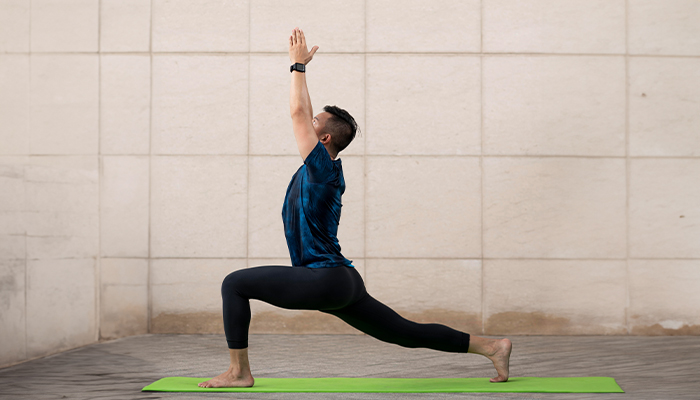
Holding standing poses like Warrior II builds endurance in deep stabilizer muscles. Your spine lengthens, reducing pressure on lower back intervertebral discs.
4.4. Improved Circulation and Metabolic Tone (Month 2): Enhanced lymphatic flow and vascular dilation boost tissue oxygenation.
Twists and inversions compress and release internal organs, promoting lymphatic drainage and enhancing arterial flexibility for balanced blood pressure.
5.5. Functional Muscle Sculpting and Balance (Month 3 to Month 6): Muscle fibers lengthen into lean, functional tone without joint overload.
Supporting your own body weight builds lean muscle definition in legs, arms, and core, while single-leg balances refine spatial motor coordination.
6.6. Long-Term Cellular Resilience and Neuroplasticity (6 Months+): Consistent practice reshapes daily posture, sleep depth, and emotional calm.
Mindful movement changes brain structure, expanding grey matter in areas managing memory and self-regulation while locking in effortless, upright posture.
Over five years of outdoor sessions at ECR, we watched a corporate software designer arrive with severe desk-bound hunching and chronic lower back pain. By practicing simple standing warrior flows and gentle spinal twists three mornings a week on the sand, his shoulders rolled back, his posture lengthened by an inch, and his back pain vanished completely within two months.
Comprehensive Physical, Mental, and Emotional Benefits
Observing how does yoga change your body highlights wide-ranging physical and mental advantages:
- Strengthens Deep Core Muscles: Isometric holds tone deep abdominal and spinal muscles safely.
- May Support Lower Back Health: Lengthens tight hamstrings and hip flexors to decompress lumbar vertebrae.
- Improves Cardiovascular Efficiency: Slow breathwork enhances arterial compliance and lowers resting heart rate.
- Promotes Parasympathetic Stress Relief: Down-regulates stress hormones to support deeper, restorative sleep.
- Enhances Digestive Vitality: Gentle abdominal twists stimulate intestinal peristalsis and ease bloating.
How Can Beginners Start Noticing Body Changes Safely?
Beginners can start noticing positive body changes safely by practicing 20 to 30 minutes of gentle Hatha yoga 3 times a week, keeping knees softly bent in forward folds, using props to protect tight joints, maintaining slow breathing, and avoiding forced movements.
Yoga changes your body not by forcing it into shapes, but by inviting your breath to unwind years of built-up tension.
Tracking physical adaptations requires adjusting your expectations as your body builds flexibility and strength over time.
Yoga Body Adaptation Modification Matrix
| Target Body Change Area | Common Beginner Challenge | Recommended Safe Adaptation |
|---|---|---|
| Hamstring & Lower Back Release | Tight hamstrings pulling on the lower back | Bend the knees and use yoga straps |
| Core & Shoulder Strength | Wrist strain in Downward Dog | Practise forearm planks and use blocks |
| Hip Opening & Pelvic Balance | Knees lifting off the floor due to hip tightness | Sit on folded cotton blankets |
| Balance & Single-Leg Stability | Ankle wobbling or loss of balance | Use a wall or tree for support |
- Commit to Short, Regular Sessions: Practice 20 minutes 3 to 4 times weekly rather than doing one long, exhausting class.
- Listen to Joint Signals: Distinguish between a healthy muscular stretch and sharp joint pain; back off instantly from joint pain.
- Use Props to Support Alignment: Use blocks, straps, and blankets to maintain natural spinal curves while building flexibility.
- Hydrate and Rest Adequately: Drink plenty of fresh water and allow rest days so muscle fascia and joints can adapt smoothly.
Common Misunderstandings About How Yoga Reshapes Your Body
- Myth 1: Yoga only stretches muscles and cannot build real muscle strength.
- Fact: Holding body-weight postures like Chaturanga and Warrior poses builds significant isometric strength and lean muscle tone.
- Myth 2: You must be flexible before yoga can start changing your body.
- Fact: Yoga creates flexibility; starting stiff allows you to feel and track dramatic joint and muscle improvements.
- Myth 3: High-intensity cardio is required to change your body composition.
- Fact: Dynamic yoga flows burn calories, reduce cortisol-driven belly fat storage, and reshape your body safely.
- Myth 4: Body changes occur only if you practice advanced contortion poses.
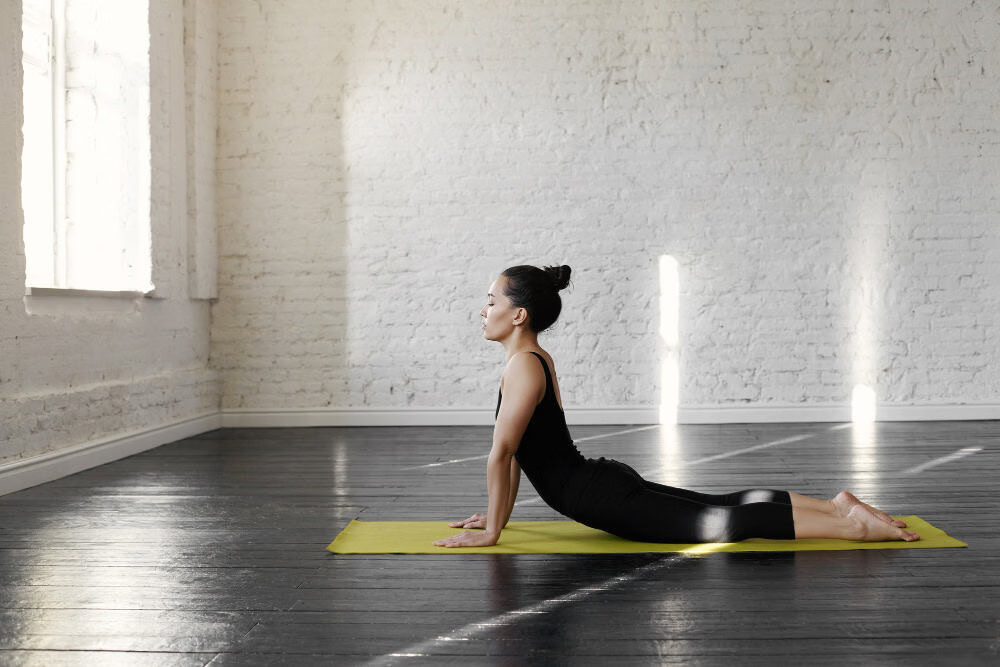
- Fact: Foundational postures like Mountain Pose, Downward Dog, and Cobra trigger profound spinal and muscular adaptations.
7 Practical Field Tips for Accelerating Positive Body Adaptation
Body Adaptation Tips for Yoga Practice
1. Pre-Practice Preparation
- Unroll your mat in a clean space.
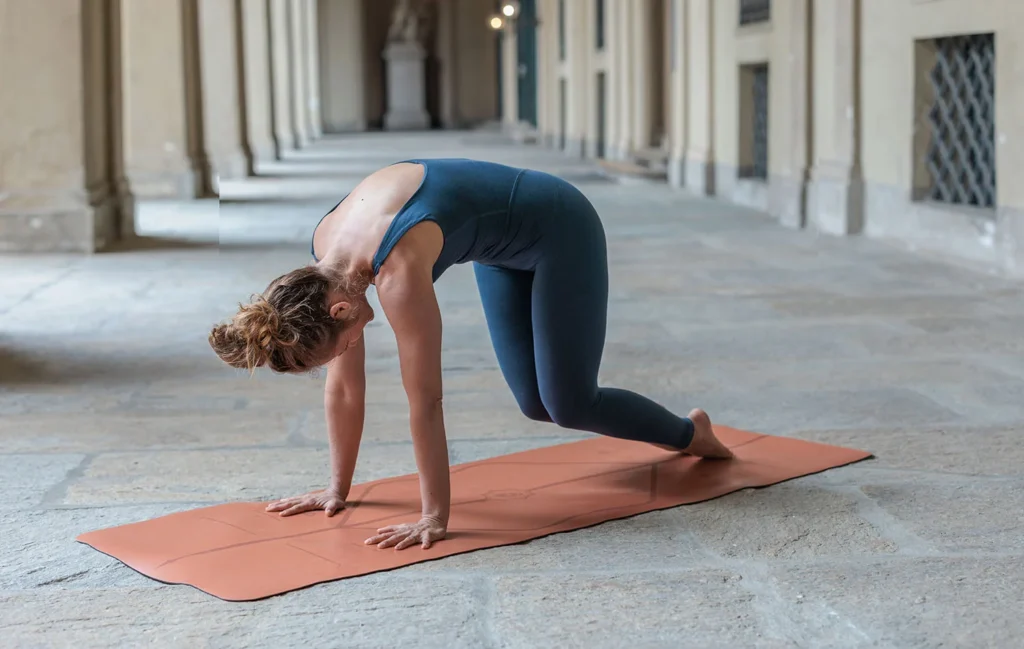
- Warm up your spine with Cat-Cow movements.
- Set an intention to practise with ease.
2. On-Mat Movement Focus
- Match every movement with your breath.
- Engage your core during standing poses.
- Keep your facial muscles relaxed.
3. Post-Practice Integration
- Rest in Savasana for 5 minutes.
- Drink fresh water or coconut water.
- Track changes in your posture and energy levels.
- Focus on Diaphragmatic Breath Control: Breathe deeply into your lower abdomen to keep your nervous system relaxed during holds.
- Engage Your Feet in Standing Poses: Spread your toes wide on your mat to ground your stance and build foot-arch strength.
- Keep Knees Soft in Forward Folds: Micro-bend your knees to protect your hamstring tendons and keep your lower back long.
- Practice Outdoors Near Ocean Air: Ocean breeze sessions in Besant Nagar increase oxygen uptake and boost overall vitality.
- Never Skip Final Savasana Rest: Lie flat for 5 minutes after practice to allow your nervous system to lock in posture gains.
- Integrate Posture Awareness into Workdays: Apply yoga alignment while sitting at your desk or walking throughout the day.
- Celebrate Non-Scale Improvements: Pay attention to deeper sleep, easier breathing, and less back pain rather than focusing only on weight.
Eager to explore foundational postures? Read our guided article onBasic Yoga Poses for Beginnersto build a safe, strong foundation on your mat.
Frequently Asked Questions
How does yoga change your body in the first month?
In the first month, yoga lengthens tight muscles, reduces joint stiffness, improves digestion, decompresses your spine, and lowers mental stress.
Can yoga change your body shape and tone muscles?
Yes. Supporting your body weight in isometric postures tones legs, core, back, and arms, creating lean muscular definition.
How does yoga alter your nervous system and brain?
Yoga down-regulates sympathetic stress arousal, lowers cortisol, increases GABA levels, and expands brain grey matter related to memory and focus.
How many times a week should I practice yoga to see body changes?
Practicing 3 to 4 times a week for 20 to 45 minutes produces noticeable posture, flexibility, and strength changes within 3 to 4 weeks.
Does yoga help reduce lower back pain and improve posture?
Yes. Yoga strengthens core stabilizers, lengthens tight hamstrings, and decompresses lumbar vertebrae to relieve back strain.
Can practicing yoga burn belly fat and aid weight management?
Yes. Dynamic yoga flows burn calories while lowering cortisol levels, which helps reduce stress-related abdominal fat storage.
How does yoga affect your internal organs and circulation?
Seated twists and inversions compress and release internal abdominal organs, boosting lymphatic circulation and digestive efficiency.
Will yoga change my body if I am naturally stiff or over 50?
Yes. Stiffer or older bodies often experience the most dramatic improvements in joint mobility, balance, and freedom of movement.
How does outdoor beach yoga enhance physical body changes?
Beach sessions along Besant Nagar provide fresh sea air and soft sand surfaces that challenge balance and increase oxygen intake.
Can yoga improve lung capacity and breathing efficiency?
Yes. Diaphragmatic pranayama exercises expand ribcage flexibility, tone intercostal muscles, and increase vital lung capacity.
What is the difference between body changes from yoga versus weight lifting?
Yoga builds long, functional, isometric muscle tone and joint flexibility, whereas heavy weight lifting focuses primarily on muscle hypertrophy.
How does Savasana contribute to physical body transformations?
Savasana resets muscle tone, lowers blood pressure, and allows your central nervous system to absorb the physical benefits of practice.
Nurturing Lasting Harmony Within Your Body
Understanding how does yoga change your body empowers you to step onto your mat with confidence, patience, and self-compassion:
- Focus on gradual consistency over intensity: Short, regular sessions create lasting physical mobility and habit strength.
- Honor your body’s unique anatomical signals: Use props generously and respect physical boundaries to prevent strain.
- Embrace holistic wellness: Allow yoga to reshape your posture, calm your mind, and restore natural daily vitality.
By honoring your breath and body, you create an enduring sanctuary of health and peace.
Health Disclaimer: This content is for educational purposes only and is not a substitute for medical advice. Consult your doctor before starting any new exercise program.
Ready to feel the physical transformation yourself? Join our sunrise beach sessions in Besant Nagar and ECR or explore our live online guided classes across India at Outdoor Yoga Chennai. Book your trial class and start your transformation today.



Leave a Comment