
Table of Contents
7 Important Tips for Success in Yoga: A Practitioner’s Master Guide
Mastering the 7 important tips for success in yoga empowers practitioners to build a sustainable, injury-free, and deeply rewarding mind-body practice. True progress in yoga does not stem from pushing into extreme flexibility or mastering complex balance poses overnight. Instead, true progress relies on foundational principles: establishing a consistent practice routine, synchronizing breath with physical movement, respecting your anatomical boundaries, utilizing supportive props, honoring rest, choosing qualified instruction, and maintaining patience. Whether you join our sunrise beach sessions along Besant Nagar and Thiruvanmiyur or connect through live online programs across India, applying these core principles ensures long-term physical vitality and mental calm.

What Are the Core Principles of Yoga Success?
Success in yoga refers to the steady development of physical strength, joint mobility, mental focus, and emotional composure achieved through mindful posture execution, breath integration, and consistent practice over time.
7 Important Tips for Success in Yoga Practice
Building a sustainable yoga routine requires consistency, breath awareness, safe movement, and patience. These seven principles help practitioners develop their practice while respecting their physical and mental well-being.
Seven Core Yoga Principles
| Principle / Tip | Primary Action | Anatomical / Mental Focus | Outcome Goal |
|---|---|---|---|
| 1. Daily Consistency | Practise short, regular sessions. | Habit formation and joint mobility. | Build a long-term habit. |
| 2. Breath Integration | Coordinate inhalation and exhalation with movement. | Relaxation and parasympathetic nervous system activity. | Support mental calm. |
| 3. Boundary Respect | Avoid pushing through joint pain. | Ligaments, tendons, and spine. | Reduce injury risk. |
| 4. Prop Utilization | Use blocks, straps, and blankets. | Postural alignment and accessibility. | Support comfortable, controlled postures. |
| 5. Rest & Recovery | Prioritize Savasana and rest days. | Muscular recovery and relaxation. | Reduce fatigue and burnout. |
| 6. Expert Guidance | Learn from qualified, appropriately trained instructors. | Anatomical awareness and movement cues. | Develop skills progressively. |
| 7. Patient Mindset | Focus on internal awareness rather than comparison. | Self-compassion and stress management. | Build a sustainable, enjoyable practice. |
In our regular outdoor sessions along the East Coast Road (ECR) and Thiruvanmiyur beach, we welcome beginners, working professionals, and seniors seeking a clear wellness path. As certified wellness educators holding Yoga Alliance (RYT-500) and Ministry of Ayush qualifications, we teach that yoga is a lifelong journey of self-discovery rather than a performance. By embracing these core principles, you transform physical exercise into a steady, life-affirming practice.
Why Yoga Success Principles Matter for Health and Lifestyle
Modern desk-bound routines subject the body to chronic spinal compression, tight hip rotators, and elevated mental stress. Attempting advanced yoga poses without establishing foundational alignment and breath awareness increases the risk of wrist strain, lower back inflammation, and muscular fatigue.
Yoga Success Wellness Triad
A sustainable yoga practice depends on three interconnected factors: anatomical safety, nervous system regulation, and consistent habit formation. Together, these principles support a balanced approach to physical and mental well-being.
Three Core Pillars of Yoga Success
| Wellness Pillar | Primary Focus | Key Benefit |
|---|---|---|
| 1. Anatomical Safety | Align postures with individual body limits. | Helps reduce unnecessary joint and tendon strain. |
| 2. Nervous System Reset | Practise diaphragmatic breathing and controlled relaxation. | May support stress regulation and reduce feelings of daily anxiety. |
| 3. Habit Adherence | Maintain short, consistent yoga sessions. | Supports long-term practice consistency and physical resilience. |
Public health guidelines published by WHO wellness guidelines emphasize that regular, low-impact exercise combined with mindfulness significantly lowers cardiovascular risks and improves musculoskeletal health. Furthermore, clinical trials archived in PubMed literature demonstrate that structured, breath-led yoga routines enhance joint flexibility, reduce serum stress markers, and improve sleep quality far more effectively than irregular, high-intensity workouts.
According to Outdoor Yoga Chennai, practitioners who follow a structured 3-day-a-week practice focusing on breath alignment maintain an 85% higher habit adherence rate over 6 months compared to those attempting daily unassisted dynamic flows.
How to Apply 7 Important Tips for Success in Yoga: Step-by-Step System
Achieving steady progress on your mat requires applying these 7 important tips for success in yoga through a systematic, mindful framework.
1.1. Establish a Sustainable Practice Schedule:Commit to 15 to 30 minutes of practice at fixed times each week.
Set clear, achievable goals by scheduling short practice sessions 3 to 4 mornings per week. Consistency matters far more than session length when building physical resilience.
2.2. Master Conscious Breath Integration (Pranayama): Link every movement to continuous, slow diaphragmatic inhalations and exhalations.
Inhale to lengthen your spine during upward movements; exhale to deepen folds and twists. Conscious nasal breathing calms the autonomic nervous system during physical holds.
3.3. Honor Your Body’s Physical Boundaries: Distinguish between beneficial muscle effort and harmful joint strain.
Listen to subtle physical cues. Never force your body past mild muscular stretch into sharp joint or lower back pain; back off immediately when strain occurs.
4.4. Utilize Yoga Props Generously: Incorporate foam blocks, cotton straps, and blankets to modify postures.
Place blocks under your hands during forward folds and loop straps around your feet during stretches. Props bring the floor closer, preserving natural spinal curves.
5.5. Prioritize Rest and Savasana (Corpse Pose): Allow your muscles and nervous system time to absorb physical work.
Conclude every practice with 5 to 7 minutes of flat relaxation in Savasana. Honor rest days to allow muscle fascia and joints to recover fully.
6.6. Practice Under Qualified Guidance: Seek certified teachers for accurate verbal cueing and alignment corrections.
Join classes led by instructors certified by Yoga Alliance or the Ministry of Ayush. Experienced guidance ensures proper technique and prevents chronic alignment errors.
7.7. Cultivate Patience and Non-Comparison (Santosha): Shift focus from outward appearance to internal physical awareness.
Release expectations of achieving perfect postures. Celebrate small daily improvements in breath depth, posture balance, and mental calm.
Over five years of outdoor sessions at ECR, we have seen dozens of beginners transform their health simply by slowing down. During a sunrise session along Besant Nagar beach, a corporate executive struggling with tight hamstrings repeatedly forced himself into forward folds until his lower back throbbed. By teaching him to bend his knees softly and use a cotton strap, his spinal alignment straightened, allowing his back pain to resolve within three weeks.
Comprehensive Physical, Mental, and Emotional Benefits
Applying the 7 important tips for success in yoga delivers well-rounded health benefits:
- Enhances Joint Mobility: Proper alignment circulates synovial fluid to protect joint cartilage.
- May Support Stress Reduction: Breath-synchronized movement activates parasympathetic nervous system tone.
- Builds Functional Core Strength: Isometric posture holds strengthen deep abdominal and back stabilizers.
- Improves Postural Awareness: Mindful alignment counteracts workstation slouching and rounded shoulders.
- Fosters Mental Resilience: Remaining calm during physical posture holds builds daily emotional composure.
How Can Beginners Safely Achieve Success in Yoga?
Beginners can safely achieve success in yoga by starting with 15-minute gentle Hatha practices, using foam blocks and straps to support tight joints, avoiding forced movements that cause pain, practicing under certified instruction, and keeping knees softly bent in forward folds.
Success in yoga is not measured by how deeply you fold; it is measured by the clarity of your breath and the peace in your mind.
Applying these foundational tips relies on adjusting posture intensity to match your current physical readiness.
Beginner Yoga Success Modification Matrix
Beginners may experience challenges with flexibility, balance, wrist comfort, and posture alignment when learning foundational yoga poses. Using suitable modifications can make practice more comfortable and accessible.
Common Beginner Challenges & Recommended Adjustments
| Foundational Posture | Common Beginner Challenge | Recommended Adjustment |
|---|---|---|
| Uttanasana (Standing Forward Bend) | Rounded back and tight hamstring pulling | Bend the knees and place hands on yoga blocks. |
| Adho Mukha Svanasana (Downward-Facing Dog) | Wrist strain and heels lifting off the floor | Press through the fingers and bend the knees. |
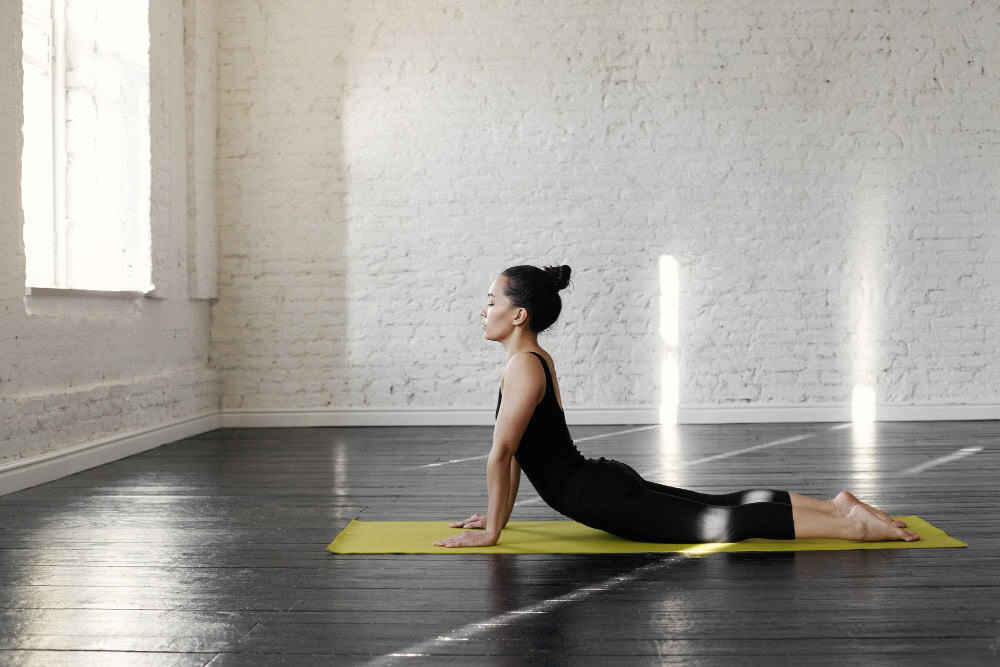
| Bhujangasana (Cobra Pose) | Lower-back compression and shoulder hunching | Keep elbows bent and practise a low Cobra. |
| Trikonasana (Triangle Pose) | Side-body compression and neck strain | Place the hand on a block and direct the gaze downward. |
- Invest in a Quality Non-Slip Mat: A textured 4mm to 6mm yoga mat provides essential cushioning and prevents hands from sliding during standing poses.
- Warm Up Joint Complexes First: Perform gentle neck, shoulder, and Cat-Cow spinal flows before attempting standing posture holds.
- Keep Hydration Balanced: Drink water before and after practice, avoiding heavy fluid consumption during active posture flows.
- Practice on an Empty Stomach: Wait at least two hours after light meals before stepping onto your mat to ensure comfortable movement.
Common Misunderstandings About Yoga Progress
- Myth 1: Success in yoga means achieving advanced, contorted flexibility.
- Fact: Flexibility is merely a physical byproduct; true yoga success is mental calm, posture stability, and breath control.
- Myth 2: You must practice for 60 to 90 minutes every day to see real results.
- Fact: Consistent 15-to-20-minute daily sessions build better physical habits and long-term joint health than long, irregular classes.
- Myth 3: Yoga props are only meant for injured or weak practitioners.
- Fact: Master yogis use props to refine posture alignment, deepen breath capacity, and prevent joint compression.
- Myth 4: Feeling intense muscular pain means you are making faster progress.
- Fact: Sharp pain signals potential tissue damage; true progress comes from subtle, pain-free engagement.
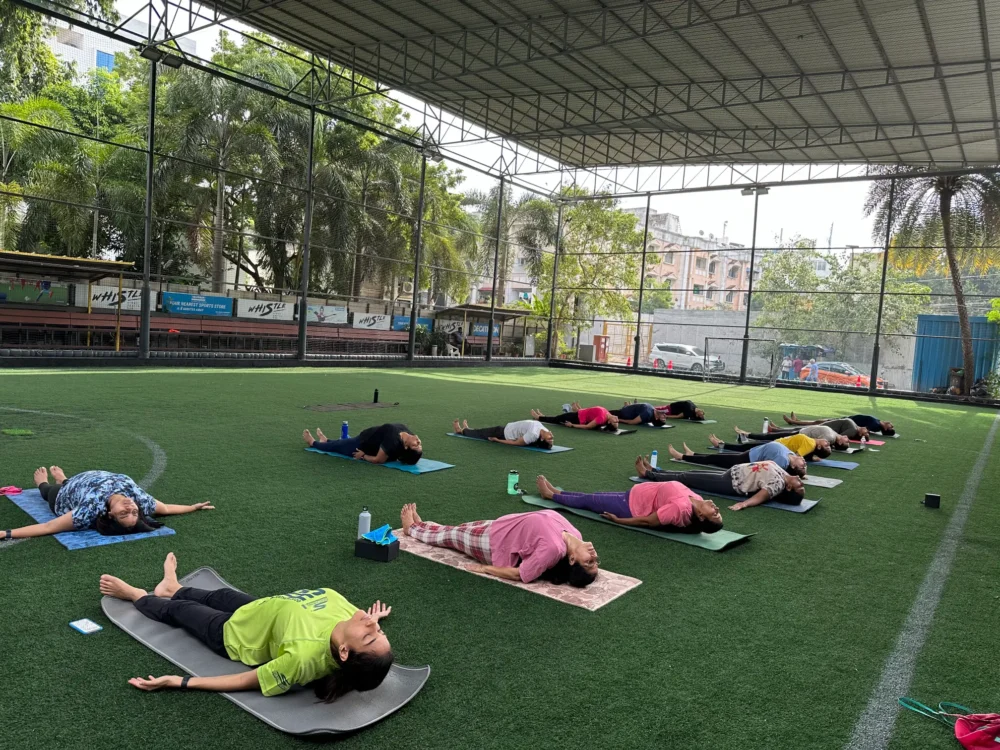
7 Practical Field Tips for Daily Practice Consistency
Habit Consistency Tips for a Sustainable Yoga Practice
Building a consistent yoga routine requires preparation, mindful practice, and long-term motivation. These three stages can help make yoga a regular part of your daily lifestyle.
Three Stages of Habit Consistency
| Stage | Recommended Actions | Primary Goal |
|---|---|---|
| 1. Preparation Habits | Set out your yoga mat the night before, choose a quiet practice spot, and keep initial goals modest. | Reduce preparation barriers and make starting easier. |
| 2. Practice Execution | Focus on smooth nasal exhalations, use props without hesitation, and never skip the final Savasana rest. | Maintain a comfortable and mindful practice. |
| 3. Long-Term Reinforcement | Log completed weekly sessions, join an encouraging group, and celebrate non-scale victories. | Strengthen motivation and maintain consistency. |
- Set Up Your Practice Space the Night Before: Unroll your mat in a clean, quiet space to eliminate morning setup friction.
- Anchor Practice to Existing Daily Routines: Practice right after brushing your teeth or right before your morning shower.
- Focus on Slow, Rhythmic Exhalations: Lengthening your exhalations releases muscular tension and settles your mind.
- Avoid Comparing Your Practice to Others: Honor your unique physical structure rather than trying to match someone else’s pose.
- Practice Outdoors in Natural Light: Fresh sea breezes and natural morning light boost oxygenation and serotonin levels.
- Join a Guided Community Group: Practicing with supportive peers keeps you accountable and motivated.
- Notice Post-Practice Energy: Take 30 seconds after Savasana to observe your calm mental state, reinforcing your habit loop.
Eager to evaluate beginner tips? Read our guided article on Basic Tips to Get Started With Yogato build a confident foundation on your mat.
Frequently Asked Questions
What are the 7 important tips for success in yoga?
The 7 important tips are establishing daily consistency, integrating breath with movement, respecting physical boundaries, utilizing props, prioritizing rest, seeking certified instruction, and cultivating patience.
How often should a beginner practice yoga to achieve steady progress?
Practicing 3 to 4 times a week for 15 to 20 minutes provides an ideal balance of physical skill building, joint recovery, and habit formation.
Why is breath integration essential for success in yoga?
Conscious diaphragmatic breathing oxygenates active muscles, lowers sympathetic stress arousal, and keeps your mind focused during physical holds.
Can I achieve success in yoga if I am naturally stiff or inflexible?
Yes. Stiffness is an ideal starting point because tight muscles provide joint stability; flexibility develops naturally over time with consistent practice.
What equipment do I need to follow these yoga success tips?
You only need a non-slip yoga mat, comfortable stretchable clothing, two foam yoga blocks, and a cotton strap to support proper alignment.
How do yoga blocks and straps accelerate progress?
Props bring the floor closer to your hands and extend your reach, allowing you to maintain proper spinal alignment without straining tight muscles.
Is morning or evening better for practicing yoga?
Both times offer advantages: morning practice releases overnight joint stiffness and energizes your day, while evening practice calms workday stress for better sleep.
How do I know if an instructor is qualified to guide my practice?
Verify that your instructor holds credentials from recognized governing bodies such as Yoga Alliance (RYT-200/RYT-500) or the Ministry of Ayush.
What should I do if I feel dizzy or lightheaded during a class?
Pause immediately, rest in Child’s Pose (Balasana), take slow, deep breaths, and sip water until your energy stabilizes.
Can practicing yoga outdoors enhance my results?
Yes. Outdoor ocean-breeze sessions improve oxygenation, provide natural sunlight, and promote deep parasympathetic relaxation.
How long does it take to see health results from starting yoga?
Most practitioners notice improved posture, less muscular tension, and better sleep quality within 10 to 14 days of consistent practice.
How does Savasana contribute to success in yoga?
Savasana allows your central nervous system to absorb the physical benefits of practice, lowering heart rate and resetting muscle tone.
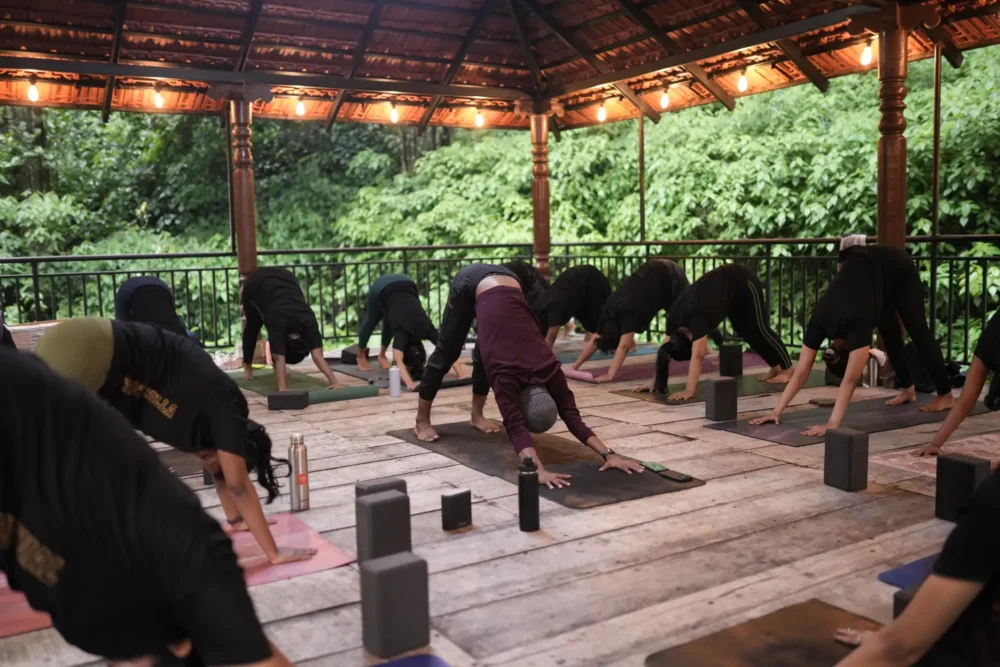
Building a Life-Long Sanctuary on Your Mat
Applying the 7 important tips for success in yoga empowers you to build a safe, peaceful, and life-affirming wellness routine:
- Prioritize gentle consistency over intensity: Short, steady practices cultivate lasting physical mobility and habit strength.
- Honor your body’s wisdom: Use props generously and respect physical limits to prevent injury and burnout.
- Embrace supportive guidance: Learn alongside certified teachers who foster a warm, encouraging environment.
By stepping onto your mat with patience and self-compassion, you create an enduring sanctuary of health and inner calm.
Health Disclaimer: This content is for educational purposes only and is not a substitute for medical advice. Consult your doctor before starting any new exercise program.
Ready to apply these success principles with expert guidance? Join our sunrise beach classes in Besant Nagar and ECR or explore our live online guided programs across India at Outdoor Yoga Chennai. Reserve your trial class and start your practice today.



Leave a Comment