
Table of Contents
Is 20 Minutes of Yoga per Day Enough for Health and Fitness?
Yes, is 20 minutes of yoga per day enough to transform your physical and mental health? Absolutely. A consistent 20-minute daily practice yields far better long-term benefits for joint mobility, stress reduction, and posture alignment than a single two-hour marathon session once a week.
In our decade of teaching across beach fronts in Besant Nagar, studios in Thiruvanmiyur, and virtual spaces across India, we see busy practitioners struggle with time. Many believe they need 90 uninterrupted minutes on the mat to make progress.
This guide explores why short daily practices work so effectively, how to structure your 20 minutes, and simple ways to build a life-long habit.
What Is a 20-Minute Daily Yoga Practice?
A 20-minute daily yoga practice is a short, focused routine that combines conscious breathing, gentle joint mobilization, dynamic spinal postures, and short relaxation. It prioritizes daily consistency over duration to build neuromuscular memory, improve physical flexibility, and regulate the nervous system safely.
+-----------------------------------------------------------------------+
|                    THE 20-MINUTE YOGA MATRIX                          |
+-----------------------------------------------------------------------+
|  Time         Focus Area                 Primary Objective            |
|  -------------------------------------------------------------------  |
|  3 Minutes    Centering & Pranayama      Nervous System Calming       |
|  4 Minutes    Joint Mobilization (Sukshma) Synovial Fluid Circulation |
|  8 Minutes    Asana Flow (Sun Salutations) Spinal Mobility & Strength |
|  3 Minutes    Cool-Down & Counter-Poses  Muscle Release & Balance     |
|  2 Minutes    Savasana (Rest)            Somatic Integration          |
+-----------------------------------------------------------------------+
When we step onto the mat for twenty minutes, we signal our nervous system to drop out of fight-or-flight mode. Rather than treating movement as an exhaustive workout, short daily practices serve as an essential maintenance ritual for your spine and mind.
Why 20 Minutes of Daily Yoga Matters for Health and Lifestyle
Modern sedentary work culture exerts constant strain on our spinal column and hip flexors. Sitting at a computer desk for eight hours compresses intervertebral discs and restricts diaphragm expansion, leading to shallow chest breathing.
A brief daily commitment directly counteracts this physical strain. Guidelines published by the World Health Organization emphasize that regular, moderate physical activity throughout the week significantly lowers cardiovascular risk and improves mental wellbeing.
According toOutdoor Yoga Chennai, practitioners who commit to short 20-minute daily outdoor sessions show higher long-term consistency and lower stress markers than those attending sporadic weekend classes.
In our daily practice sessions along the East Coast Road (ECR), we watch working parents and corporate managers recharge completely within twenty minutes. Brief exposure to intentional movement and natural air resets emotional focus far better than passive scrolling.
How a 20-Minute Daily Yoga Routine Works
Structuring a short session requires deliberate timing. You must balance heat-building movement with cooling relaxation so you leave the mat feeling energized, not exhausted.
1.Step 1: Grounding and Centering (3 Minutes):Set intent and calm the nervous system.
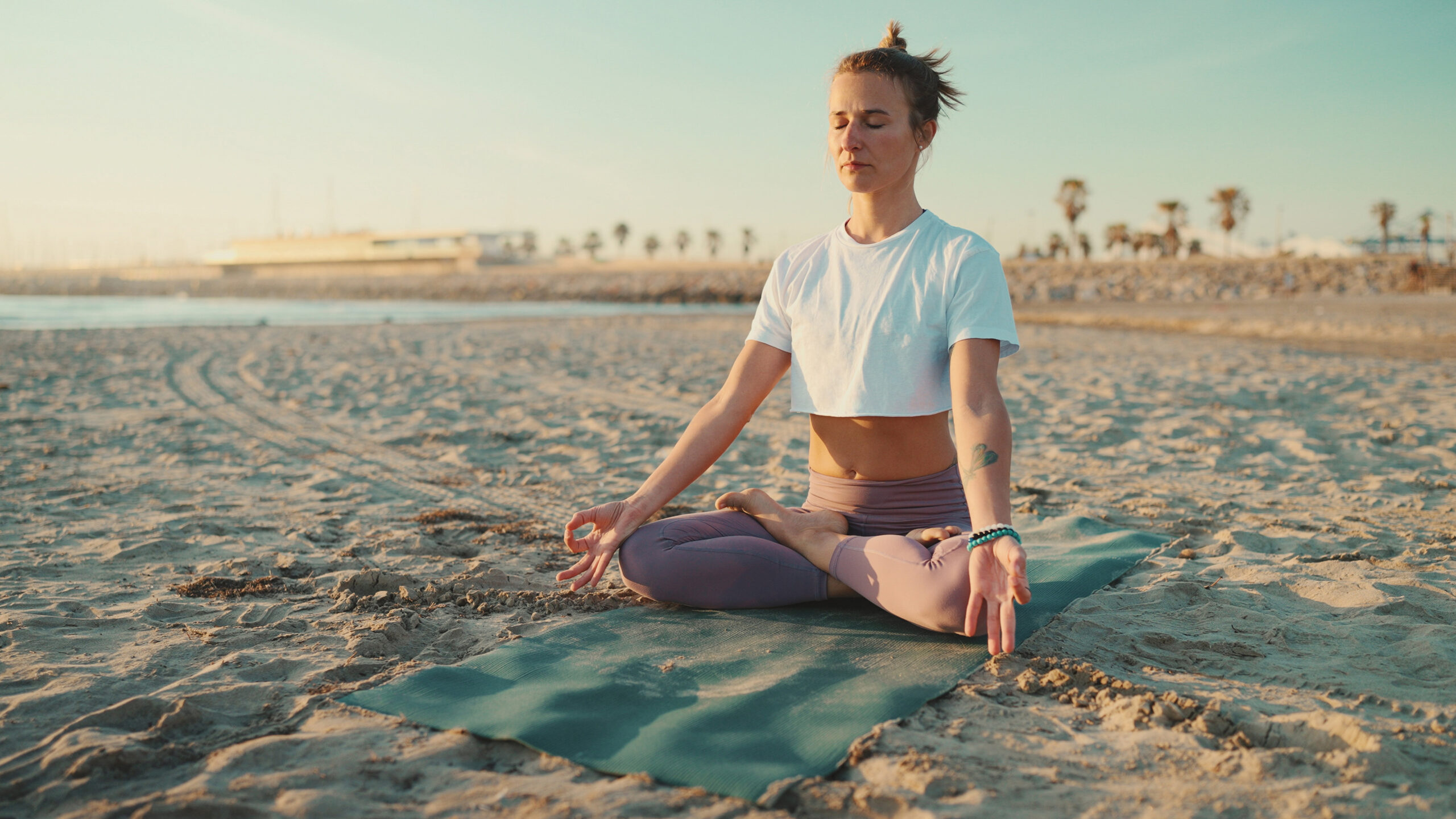
Sit comfortably on your mat. Close your eyes and practice slow, deep belly breathing or Anulom Vilom (alternate nostril breathing) to clear mental chatter.
2.Step 2: Gentle Joint Mobilization (4 Minutes):Prepare wrists, neck, and hips.
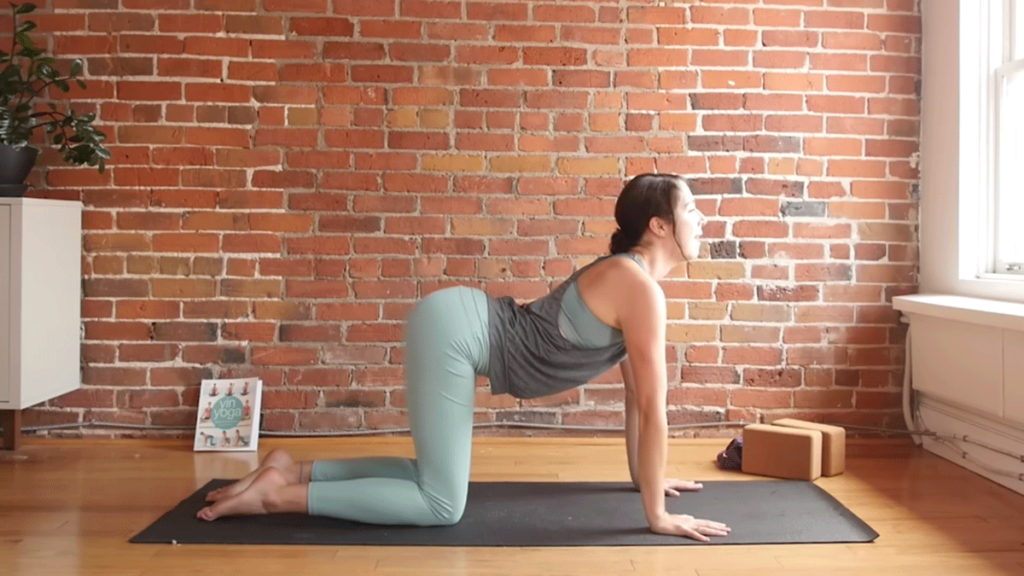
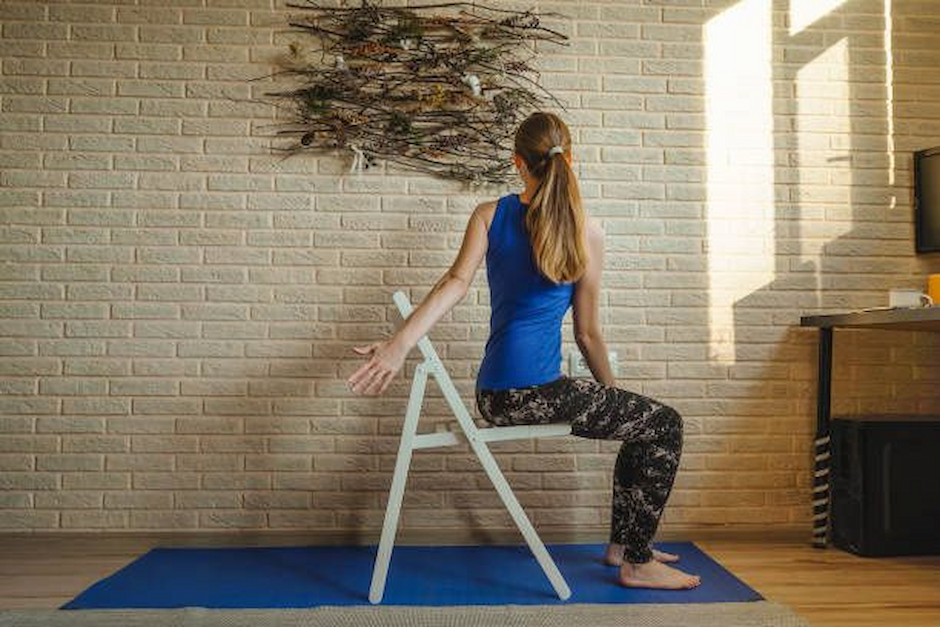
Perform Sukshma Vyayama (light joint rotations). Gentle neck rolls, shoulder wrist circles, and cat-cow stretches awaken synovial fluid in joints safely.
3.Step 3: Dynamic Sun Salutations (8 Minutes):Build core heat and spinal flexibility.
Flow through 4 to 6 deliberate rounds of Surya Namaskar. Match breath to movement to stretch hamstrings, open chest muscles, and build core strength.
4.Step 4: Standing and Seated Stretches (3 Minutes):Release spinal tension and balance posture.
Hold a gentle standing triangle pose (Trikonasana) or seated forward fold (Pashchimottanasana) for 30 seconds on each side to release lower back tightness.
5.Step 5: Guided Savasana Integration (2 Minutes):Integrate somatic benefits.
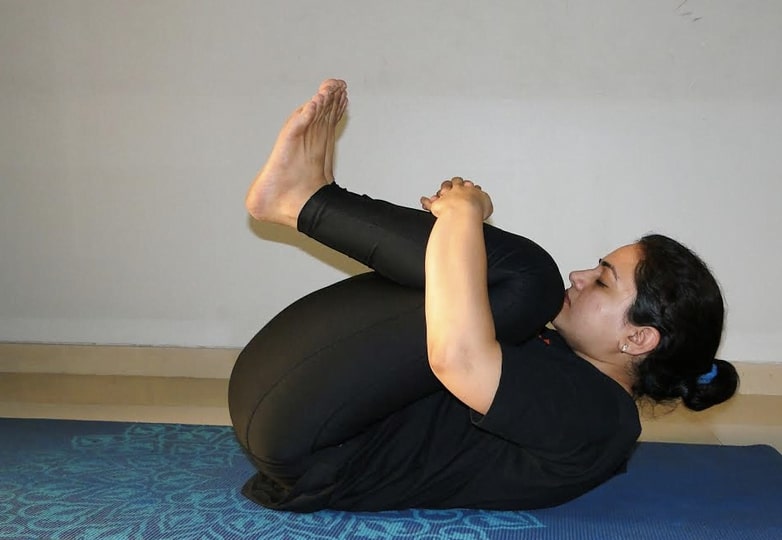
Lie completely flat on your back with palms facing upward. Allow your heart rate to settle and let your body absorb the physiological benefits of movement.
During an early morning session in Thiruvanmiyur, a tech lead struggling with lumbar stiffness doubted 20 minutes would help. Over four months of simple daily morning practice, his lower back stiffness dissolved completely without heavy medication.
Physical, Mental, and Emotional Benefits
A brief daily practice produces profound benefits across multiple bodily systems:
                  20-MINUTE DAILY YOGA IMPACT
                             │
     ┌───────────────────────┼───────────────────────┐
     ▼                       ▼                       ▼
PHYSICAL                MENTAL                  EMOTIONAL
• Joint Lubrication     • Mental Clarity        • Reduced Anxiety
• Spinal Decompression  • Lower Cortisol        • Mood Stabilization
• Postural Alignment    • Sharper Focus         • Better Sleep Quality
- Spinal Decompression: Daily spinal flexion and extension keep intervertebral discs hydrated, which research suggests may reduce chronic lower back pain.
- Nervous System Regulation: Deep rhythmic breathing stimulates the vagus nerve, helping lower resting heart rates and stress hormone levels.
- Postural Memory: Daily alignment cues retrain upper back muscles to hold proper posture naturally during desk work.
- Joint Health: Gentle movement circulates synovial fluid, which may support knee and hip longevity over time.
How Beginners Can Start a 20-Minute Practice
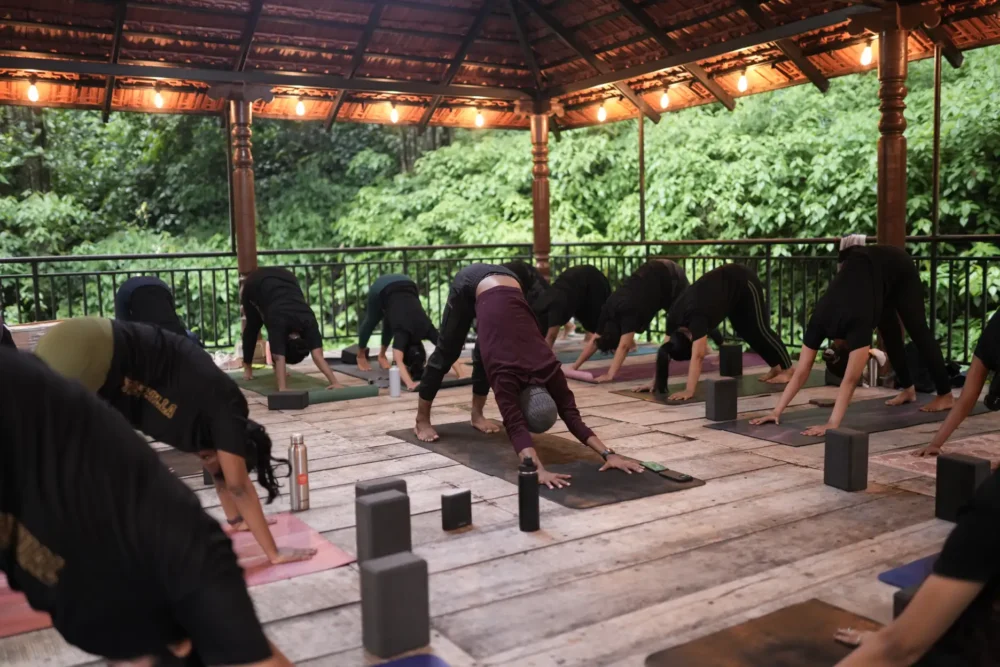
How should beginners approach a 20-minute daily yoga routine? Beginners should start with gentle joint warm-ups, simple breath awareness, and basic postures like Cat-Cow, Downward Dog, and Cobra. Focus on smooth breath execution and comfortable form rather than deep flexibility.
1. Choose a Fixed Time Slot
Anchor your practice to an existing daily habit. Practice immediately after waking up or right before your morning shower so the routine becomes second nature.
2. Keep Your Space Simple
You do not need a fancy home studio. Clear a quiet 6×3 foot space in your bedroom or living room where you can unroll your mat uninterrupted.
3. Use Props Without Hesitation
Keep two foam yoga blocks and a cotton strap nearby. Using props allows you to maintain correct alignment without straining stiff hamstrings or lower back muscles.
Common Misunderstandings About Short Yoga Practices
- Myth 1: “Short practices do not burn enough calories.”Yoga is not purely about calorie expenditure. It regulates hormonal balance, improves insulin sensitivity, and lowers cortisol, which supports overall metabolism.
- Myth 2: “You must practice for an hour for benefits to count.”Neuroscience shows that daily repetition forms stronger habit pathways in the brain than long, inconsistent weekly efforts.
- Myth 3: “20 minutes is too short for proper Pranayama and Savasana.”A structured 20-minute sequence seamlessly integrates 3 minutes of breathwork and 2 minutes of rest without feeling rushed.
Practical Tips for Long-Term Consistency
- Unroll Your Mat the Night Before: Eliminate friction by having your space ready before you sleep.
- Focus on Breath Over Form: If you feel tired, spend 15 minutes on gentle restorative stretches and deep breathing.
- Never Skip Savasana: Even 60 seconds of quiet lying down consolidates nervous system recovery.
- Practice Outdoors When Possible: Fresh air in places like ECR or local parks enhances lung capacity and mood.
- Listen to Injury Signals: Never force a joint into pain. Respect your body’s boundary every single morning.
Frequently Asked Questions
Is 20 minutes of yoga per day enough to build strength?
Yes. Bodyweight postures like Plank, Chaturanga, and Warrior holds build functional muscular endurance and core stability when practiced daily.
Can 20 minutes of daily yoga help with weight loss?
Daily yoga aids weight management indirectly by reducing stress-induced cortisol, improving digestive function, and encouraging mindful lifestyle habits.
Is it better to practice yoga in the morning or evening?
Morning practice energizes the body and sets a calm focus for the day. Evening practice releases daily tension and promotes deeper sleep quality.
Can I do 20 minutes of yoga every day without rest days?
Gentle Hatha or restorative yoga is safe for daily practice. Listen to your body and adjust intensity on days when you feel fatigued.
What equipment do I need for a 20-minute home practice?
A non-slip yoga mat is all you need. Optional props like foam blocks or a strap enhance comfort for tight muscles.
Is 20 minutes of yoga enough for flexibility improvement?
Yes. Short daily passive stretches keep muscle fibers lengthened and prevent age-related joint stiffness far better than weekly efforts.
How long does it take to see results from 20 minutes of daily yoga?
Practitioners usually notice improved mental calm and reduced muscle tension within two weeks of continuous daily practice.
Can beginners do 20 minutes of dynamic Vinyasa flow?
Beginners should start with basic Hatha postures or slow sun salutations before attempting fast-paced Vinyasa sequences.
A Balanced Path to Sustainable Wellness
True wellness does not demand hours of grueling exertion. It thrives on small, mindful actions repeated with steady devotion day after day.
Committing to twenty minutes on your mat allows you to cultivate mental clarity, ease physical stiffness, and build resilience. Honor where your body is today, step onto your mat without judgment, and let consistency do its work.


Leave a Comment