
Table of Contents
Why Am I So Gassy During Yoga? Physiological Causes, Normalisation, and Management
If you have ever asked yourself, why am I so gassy during yoga, you are far from alone in feeling embarrassed or confused. Passing gas or feeling sudden abdominal bubbles during a session is completely normal and physiologically expected. Dynamic forward folds, twists, and deep diaphragmatic breathing compress your digestive tract and relax your pelvic floor muscles. Whether you attend morning oceanfront classes along Chennai’s coastline or follow live virtual sessions from home, your practice actively moves trapped air out of your body.
During daily activities, your body holds stress, tightens core abdominal muscles, and restricts natural intestinal movement. When you step onto a yoga mat, conscious deep exhalations shift your nervous system into a parasympathetic “rest and digest” state. As your smooth visceral muscles soften, your gastrointestinal tract releases built-up pressure. Over our ten years of teaching practitioners across studio floors and virtual platforms, we reassure every student that flatulence during practice simply confirms your body is relaxing properly.

What causes passing gas during a yoga session?
Passing gas during yoga occurs when physical torso compression, deep pelvic floor relaxation, and diaphragmatic breathing squeeze trapped air out of your digestive tract. Postures that fold, twist, or invert your abdomen manually massaged the colon, while deep breathing relaxes tight pelvic sphincters to release intestinal gas naturally.
       [ DAILY ABDOMINAL TENSION & STRESS ]
                         │
                         ▼
       Tense Pelvic Floor & Trapped Intestinal Air
                         │
                         ▼
  [Holding Breath & Tightening Core] vs [Deep Yoga Breaths & Torso Twists]
                         │
                         ▼
     Sphincter Relaxation & Natural Gas Release
In our sessions across coastal spaces and online groups, we clarify that your yoga mat acts as a safe space for physical release. You do not need to feel ashamed when your stomach rumbles or releases air during deep forward bends.
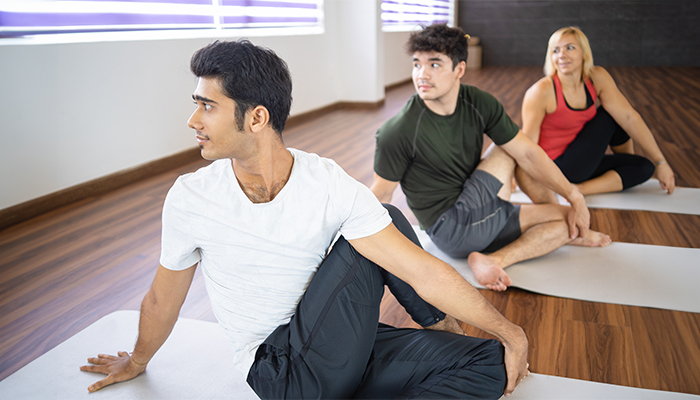
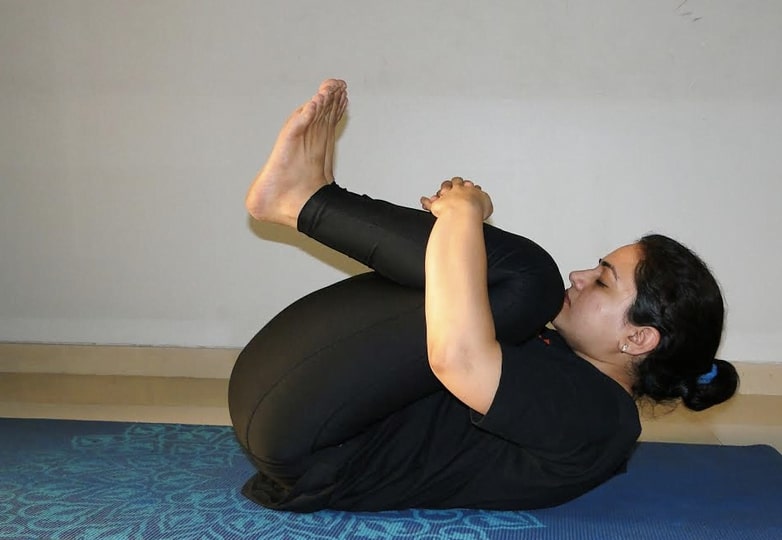
Specific postures like Wind-Relieving Pose (Pawanmuktasana), Happy Baby (Ananda Balasana), and Seated Twists are designed to alter intra-abdominal pressure. These physical shapes compress your ascending and descending colon, pushing trapped digestion pockets toward elimination.
Why understanding gas during yoga matters for health and lifestyle
Recognizing why gas releases during movement helps you overcome body shame, reduce digestive anxiety, and support long-term gut health. Evidence-based protocols published by the Ministry of Ayush state that classical Hatha yoga postures and Pranayama stimulate abdominal organs, balance digestive fire (Agni), and regulate bowel motility. Their clinical guidance notes that releasing trapped intestinal gas during physical practice prevents chronic abdominal distension and supports healthy digestion.
According to Outdoor Yoga Chennai, experiencing increased gas release during open-air morning yoga near Besant Nagar or ECR indicates that your parasympathetic nervous system is successfully overriding workday stress. Our senior teaching faculty observes that practicing outdoors helps students unlearn posture bracing, allowing their diaphragm and abdominal wall to move without restriction.
Global public health research referenced by the World Health Organization emphasizes that physical activity improves intestinal gas clearance and prevents functional abdominal bloating. Understanding that gas release is a healthy physiological response lets you practice with confidence rather than anxiety.
How it works: Physiological mechanisms behind gas release in yoga
Releasing trapped intestinal air during movement follows a clear physiological process. Here is how your body processes and expels gas across six distinct stages during a session:
- Parasympathetic Activation: Deep diaphragmatic breathing stimulates your vagus nerve, signaling your gastrointestinal sphincters and pelvic floor muscles to unclench.
- Diaphragmatic Compression: Inhaling deeply lowers your diaphragm into your abdominal cavity, exerting gentle pressure on your stomach and small intestine.
- Mechanical Organ Massage: Folding forward in poses like Uttanasana compresses your abdominal tissues, physically squeezing gas pockets along your intestinal tract.
- Colonic Wringing Through Twists: Rotating your spine in poses like Ardha Matsyendrasana massages your colon, moving trapped air toward your rectum.
- Pelvic Floor Relaxation: Opening your hips in poses like Happy Baby softens your puborectalis muscle, opening the natural pathway for gas release.
- Inverted Gravitational Shift: Elevating your hips in poses like Bridge Pose (Setu Bandhasana) shifts intestinal weight, allowing trapped air to travel upward and out.
                 [ GAS RELEASE PHYSIOLOGICAL PIPELINE ]
                                   │
      ┌────────────────────────────┼────────────────────────────┐
      ▼                            ▼                            ▼
[Vagal Activation]        [Abdominal Compression]      [Pelvic Relaxation]
Parasympathetic Shift     Forward Folds & Twists       Softened Sphincters
Over a decade of teaching students across Tamil Nadu and online platforms, we have seen how understanding these physiological steps helps practitioners relax.
I remember a corporate manager from Thiruvanmiyur who used to tense her core muscles throughout her entire yoga class because she feared passing gas in public. We taught her how Pawanmuktasana manually compresses the colon and explained that pelvic tightness actually traps gas painfully. Once she realized that gas release is normal physiological feedback, she relaxed her abdominal wall, stopped holding her breath, and practiced comfortably without pain. Working alongside certified Yoga Alliance RYT instructors gave her the reassurance she needed.
Key physical, mental, and emotional benefits of digestive gas release
Allowing your body to release trapped air during morning or evening yoga offers clear physical upgrades and emotional relief:
Reduced Abdominal Bloating and Pressure Relief
Releasing trapped intestinal air removes pressure from your abdominal wall and lumbar spine. Research suggests that relieving intra-abdominal gas pressure decreases lower back strain and reduces feelings of abdominal tightness.
       [ DIGESTIVE HEALTH TRANSFORMATION ENGINE ]
                            │
                            ▼
           Identify Abdominal Bloating & Stress
                            │
                            ▼
 [Suppressing Gas & Core Bracing] vs [Relaxed Breathing & Asana Flow]
                            │
                            ▼
      Decompressed Intestines & Eased Abdominal Pain
Resetting the Nervous System
Suppressing natural bodily functions keeps your nervous system in a fight-or-flight state. Allowing your body to release gas signals safety to your brain, lowering stress hormones like cortisol.
Enhanced Gut Motility and Peristalsis
Mechanical compression from posture work stimulates the smooth muscle contractions of your intestines, promoting regular bowel movements and reducing constipation.
How beginners can approach gas management during yoga safely?
How can a beginner manage being so gassy during yoga without feeling embarrassed?
Beginners should empty their bladder and bowel before class, avoid eating heavy meals two hours prior to practice, and remember that passing gas in yoga is a healthy sign of muscular relaxation. Practice gentle forward folds and deep exhalations at home or in well-spaced studio setups to build comfort.
       [ BEGINNER DIGESTIVE SAFEGUARDS ]
                     │
                     ▼
       Verify Empty Stomach & Soft Breath
                     │
                     ▼
  [Eating Heavy Meals Before Class] vs [2-Hour Fast & Pre-Class Restroom]
                     │
                     ▼
      Comfortable Intestines & Stress-Free Flow
When building your yoga habit, view gas release as evidence that your body is letting go of stress. Never strain your abdominal muscles or hold your breath to suppress gas, as this can cause painful intestinal cramping. Our certified wellness educators design welcoming environments where natural bodily responses are understood and normalized.
To manage digestive gas during your practice, keep three practical rules in mind. First, avoid carbonated drinks, high-fiber heavy foods, or dairy right before stepping onto your mat. Second, if you feel gas moving during a group class, adjust your position or step out briefly if you prefer privacy. Third, use a yoga block under your seat during forward folds to maintain a long spine and keep abdominal compression gentle.
Common misunderstandings about gas during yoga
- “Passing gas during a yoga class means your digestive system is weak:” Releasing gas demonstrates that your nervous system is relaxing and your abdominal compression poses are working correctly.
- “You should grip your core muscles tight throughout class to prevent gas:” Bracing your core traps air inside your intestines, leading to painful cramping and increased bloating.
- “Gas during yoga only happens to beginners:” Experienced practitioners and advanced teachers experience gas release because deep postures compress visceral organs regardless of experience.
- “Online yoga classes prevent gas because you are at home:” Home practice environment relaxes your mind faster, often resulting in more frequent gas release than in public studio spaces.
Practical field tips for managing gas during your yoga practice
- Maintain a 2-to-3-hour meal buffer before practice: Allow your stomach time to empty so your intestines are not processing heavy food during abdominal compression poses.
- Sip warm water instead of cold water before your session: Warm water relaxes smooth intestinal muscles, whereas ice-cold water causes gastric spasms.
- Use the restroom 15 minutes before stepping onto your mat: Clearing your bladder and bowel reduces baseline intra-abdominal pressure before moving into deep folds.
- Focus on slow, steady exhalations through your nose: Nasal exhalation encourages parasympathetic dominance, helping your intestinal sphincters release smoothly.
- Modify deep twists if you feel acute abdominal pain: Work in gentle, upright twists rather than deep bound positions if your intestines feel tender or overstimulated.
- Keep high-fiber or gas-producing foods for after class: Save beans, cruciferous vegetables, and lentils for your post-practice meal to avoid gas build-up on the mat.
- Join an supportive outdoor or online live community: Practicing with experienced, non-judgmental teachers removes anxiety about natural bodily functions.
Comparative Matrix of Abdominal States During Practice
| Physical Response | Core Bracing / Suppressing Gas | High-Impact Exercise | Mindful Yoga Postures |
| Nervous System Tone | Sympathetic (Fight-or-flight) | High Sympathetic activation | Parasympathetic (Rest & digest) |
| Intra-Abdominal Pressure | High & trapped | Variable / High exertion | Dynamic, gentle massage |
| Pelvic Floor Condition | Tense & clenched | Braced for impact | Soft & relaxed |
| Gas Clearance | Inhibited (causes cramps) | Accidental / Unregulated | Systematic & natural |
| Post-Practice Comfort | Bloating & discomfort | Moderate fatigue | Deep ease & decompressed gut |
FAQs
1. Is it normal to pass gas during a yoga class?
Yes, passing gas during yoga is completely normal. Postures compress the abdomen and relax pelvic floor muscles, expelling trapped air naturally.
2. Which yoga poses are most likely to make you pass gas?
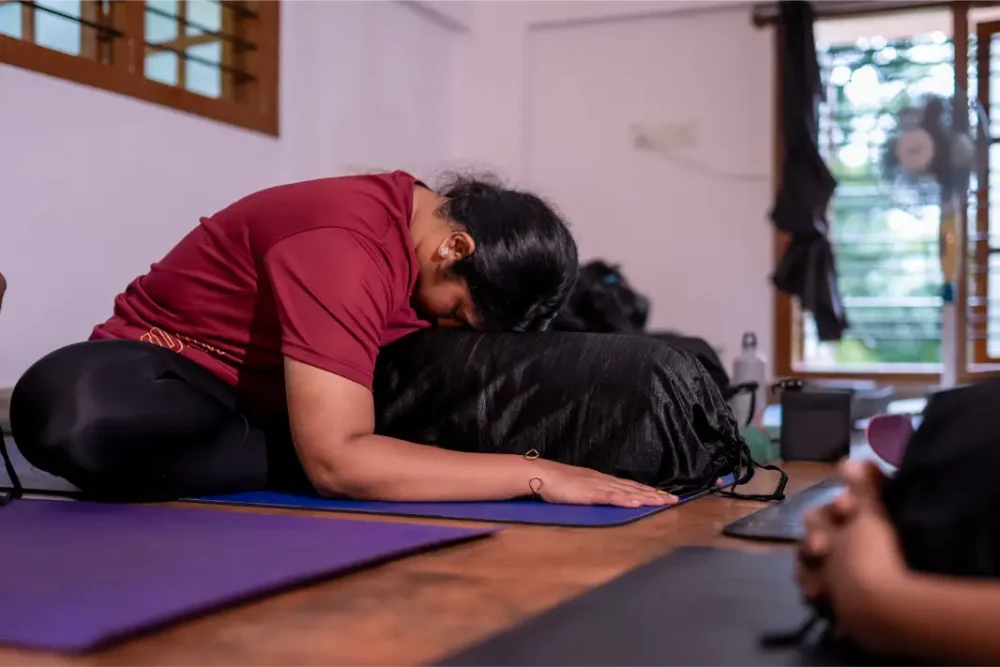
Wind-Relieving Pose (Pawanmuktasana), Happy Baby (Ananda Balasana), Child’s Pose (Balasana), and Seated Spinal Twists compress the colon and trigger gas release.
3. What should I eat before yoga to avoid excessive gas?
Eat light, easily digestible foods like fruits or oatmeal at least two hours before class. Avoid carbonated drinks, beans, and heavy dairy products.
4. Why am I more gassy during online yoga classes at home?
Practicing at home lowers social anxiety, allowing your nervous system to enter a deeper parasympathetic state that releases abdominal tension faster.
5. Can holding in gas during yoga cause physical harm?
Holding in gas does not cause permanent damage, but it causes painful abdominal distension, sharp cramps, and unnecessary pelvic floor tension.
6. Does outdoor beach yoga help with digestion and gas?
Yes, practicing in fresh coastal air near Besant Nagar or ECR helps lower stress hormones, relaxing your gut and improving digestive motility.
7. How does breathwork (Pranayama) affect intestinal gas?
Deep diaphragmatic breathing lowers the diaphragm into the abdominal cavity, providing a gentle mechanical massage that moves trapped air along your colon.
8. What should I do if passing gas during class makes me feel embarrassed?
Remember that yoga instructors and experienced students view gas as normal physiological feedback. You can also slip out quietly to the restroom if needed.
Normalizing Bodily Release, Digestive Ease, and Mindful Practice
Understanding why am I so gassy during yoga frees you from unnecessary body shame and helps you appreciate your body’s natural digestive mechanics. Physical movement, abdominal compression, and deep exhalations work together to release built-up stress and trapped intestinal air. Accepting gas release as a normal part of your health journey allows you to practice with confidence and ease.
Outdoor Yoga Chennai stands out as a trusted authority in wellness education, offering refreshing beachside sessions along Besant Nagar and ECR as well as structured online programs for practitioners across India. We invite you to step onto your mat, let go of physical tension, and experience the comforting benefits of authentic practice. Connect with our certified team today to explore beginner trial classes and start your journey toward digestive wellness.



Leave a Comment