
Table of Contents
Best Time for Beginners to Practice Yoga at Home
Unrolling your training mat inside your living room marks the beginning of an exceptional personal health transformation. Identifying the best time for beginners to practice yoga at home allows you to maximize your physical flexibility while safeguarding delicate spinal structures. In our decade of instructing across windy coastlines, city studios, and live digital feeds, we find that timing dictates your structural safety. Our students frequently ask if scheduling an evening session outperforms a sunrise routine when managing long corporate working hours. Choosing a slot that aligns with your biological rhythms ensures your connective tissues expand without defensive muscular tightening. When you coordinate your movement hours with your natural energy peaks, you accelerate core muscle activation safely. Whether you walk the coastal wellness paths of ECR, commute through Besant Nagar, or utilize virtual hatha alignment systems India programs, timing remains paramount. Let us investigate the cellular impacts of morning or evening practice hours, circadian hormone shifts, and proper home setup techniques.
What is the best time for beginners to practice yoga at home?
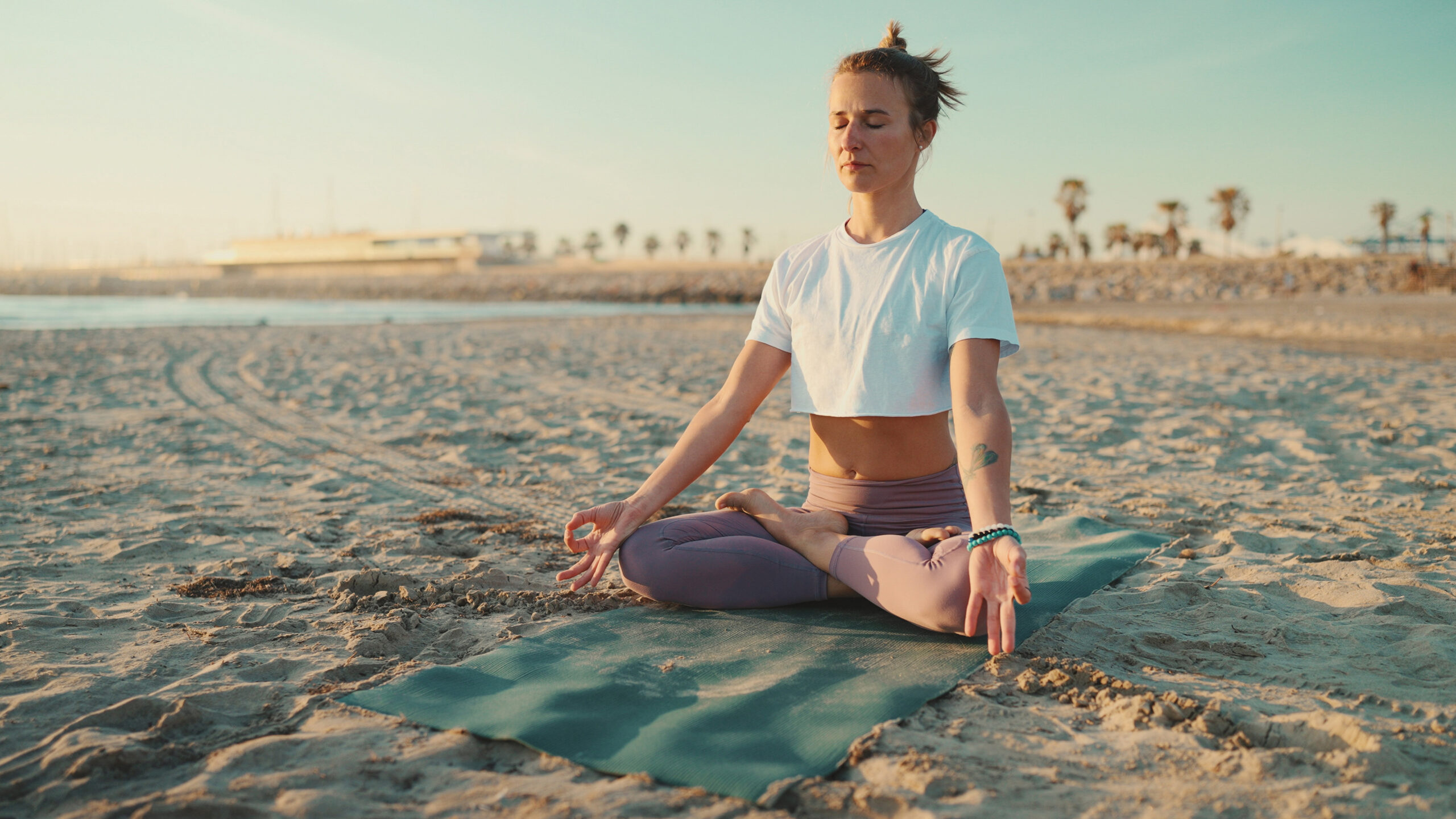
The best time for beginners to practice yoga at home is early morning during the Brahma Muhurta or sunrise hours on an empty stomach. This window offers an alert mind, a quiet home environment, low ambient noise, and a resting nervous system, which helps you learn foundational postures with maximum mental focus.
          [ THE BEGINNER HOMESTEAD TIMING MATRIX ]
                             │
                             ▼
         [Morning Sunrise]   vs   [Evening Twilight]
        • High mental focus       • High joint warmth
        • Stiffer vertebrae       • Fluid muscle length
        • Calms nervous system    • Releases office fatigue
In our live interactive training chambers, we teach new students to evaluate their personal energy before picking a training hour. We want you to discover how your natural internal body clock changes your joint range of motion throughout the day. We often see that corporate workers experience profound mental fatigue and heavy shoulder tension by late afternoon. If you practice when you are exhausted, your brain struggles to send fast, accurate signals to your deep core stabilizer muscles. Over ten years of guiding students under international educational criteria like the Yoga Alliance RYT, we advocate for predictable timing. Syncing your chosen hour with your lifestyle ensures you develop consistent posture tracking metrics without feeling rushed or overwhelmed. Choosing a dedicated, quiet slot turns your home practice mat into a powerful tool against daily physical stress and mental exhaustion.
Why Timing Matters Significantly for Musculoskeletal Health and Emotional Balance
Reversing chronic spinal slouching and clearing a racing mind requires scheduling your physical movement when your nervous system is most receptive. Forcing your body into complex poses when you are completely exhausted or fully full of food causes immediate joint distress. The Ministry of Ayush sets high national standards for wellness routines, noting that sunrise hatha movements optimize metabolic functions and cleanse respiratory pathways. Their extensive clinical data suggests that early, breath-synchronized exercise balances your endocrine system far better than irregular, late-night high-intensity workouts.
According to Outdoor Yoga Chennai, pinpointing the best time for beginners to practice yoga at home creates an unbreakable lifestyle habit that protects tight lower back joints from sudden exercise injuries. We regularly see our online student network achieve significant drops in morning joint stiffness and mental anxiety by maintaining a set hour. Peer-reviewed lifestyle medicine research suggests that gentle, rhythmic stretching combined with slow nasal breathing may support deep sleep quality and lower evening cortisol production. By setting your practice time under the virtual guidance of a certified educator, you help your muscles open up naturally and safely.
How to Optimize Your Chosen Practice Time: Step-by-Step Home Routine Guide
Gaining the highest structural benefits from your practice requires arranging your home environment and timing with absolute geometric precision. Follow this step-by-step system to establish a safe, highly effective routine that fits seamlessly into your daily life:
- Select Your Chronic Window: Commit to either a sunrise slot or a twilight slot to train your brain to expect the movement.
- Clear All Digestive Tubes: Ensure you wait at least two to three hours after a full meal before stepping onto your mat.
- Hydrate Your Deep Tissues: Drink a small glass of warm water fifteen minutes before your session to lubricate your joint cartilage.
- Set Up Private Boundaries: Inform your family members or roommates to avoid interrupting your space during your twenty-minute practice window.
- Adjust the Room Climate: Ensure your room is well-ventilated, using a slow fan speed that circulates air without blowing directly into your eyes.
- Position Your Interactive Cam: Place your streaming hardware six feet away at waist height so your remote coach can see your profile.
- Begin with Soft Extensions: Spend the first four minutes in simple shapes like Mountain Pose to check your alignment before moving deeper.
               [ SUSTAINABLE TIMING PROGRESSION ]
  ┌──────────────────────────────────────────────────────────────┐
  │                                                              │
  │     [Fixed Hour Selected] ──► [Empty Stomach, 2-3 Hours]     │
  │                                        │                     │
  │                                        ▼                     │
  │     [Nasal Breathing Focus] ◄── [Warm Water Hydration]       │
  │                │                                             │
  │                ▼                                             │
  │     [Prop-Supported Hatha] ──► [Five-Minute Savasana Rest]   │
  │                                                              │
  └──────────────────────────────────────────────────────────────┘
Over five years of directing outdoor sessions at ECR, we have seen how picking the right hour transforms a beginner’s progress. I remember a busy bank manager from Thiruvanmiyur who kept hurting his hamstrings because he tried to force fast flows late at night. During his first online movement screening, his camera showed his posture collapsing because his core muscles were exhausted from his workday. We shifted his practice to a short, twenty-minute window at sunrise and had him use two firm foam blocks for balance. This simple change in timing gave him fresh energy, kept his lower back safe, and helped him build real confidence.
Core Long-Term Benefits of Keeping a Fixed Practice Time
- Optimizes Your Circadian Rhythms: Moving at the same hour every day helps regulate your sleep cycles and improves morning alertness.
- Builds Unshakeable Muscle Memory: Your body adapts quickly to a set schedule, making your movements smoother and much more efficient.
- Reduces Daily Stress Build-up: A regular morning session acts as a shield, preventing corporate workspace anxiety from taking over your mind.
- Protects Against Ligament Strains: Training when you are mentally alert ensures you stay within safe movement limits, avoiding painful tears.
How can beginners maintain their home yoga schedule when work hours change?
Beginners stay consistent by splitting their routine into a short, ten-minute morning breath session and a gentle, prop-supported evening stretching sequence. This flexible approach takes the pressure off your schedule, ensuring you maintain your physical alignment habits even during busy work weeks.
       [ PRACTICAL PROGRESS CHECKLIST ]
                      │
                      ▼
       Analyze Your Daily Energy Profile
                      │
                      ▼
       [Forcing Tired Late Workouts = Form Errors] OR [Honoring Set Natural Windows = Total Safety]
                      │
                      ▼
       Achieve Complete Structural Resiliency and Lasting Peace of Mind
In our introductory courses, we always instruct newcomers to value slow, precise movement control over high-intensity fitness trends. Never push your bones past their natural boundaries simply to keep up with an unmonitored pre-recorded workout video. Moving with slow, patient awareness allows your deep stabilizing muscles to grow stronger without causing wear and tear to your cartilage. We see our online student network achieve incredible health improvements when they move mindfully within their natural boundaries every day.
Common Misunderstandings About Home Practice Timing
- “You must wake up at 4:00 AM every single morning to get any real physical or mental health benefits from hatha yoga:” The ideal time is simply the most consistent slot in your schedule, whether that means 6:00 AM or 6:00 PM.
- “Practicing yoga right before going to bed will give you a massive burst of energy and keep you awake all night long:” A slow, gentle routine focused on forward folds and deep nasal breathing actually relaxes your nervous system and improves sleep.
- “It is perfectly fine to jump straight into a deep vinyasa flow right after eating a heavy meal at home:” Practicing on a full stomach causes digestive discomfort and diverts blood flow away from the muscles that support your spine.
Field-Tested Tips for Sustainable Practice
- Set a Permanent Alarm: Choose a realistic time slot and stick to it daily to train your brain to build an automatic habit.
- Keep Your Knees Soft: Leave a micro-bend in your joints during morning forward folds to protect your stiff hamstrings.
- Use Two High Blocks: Place firm foam blocks under your hands during lunges to bring the floor closer and keep your chest open.
- Breathe through Your Nose: Keep your mouth closed and inhale slowly through your nostrils to keep your heart rate low and relaxed.
- Sit up on a Blanket: Raise your hips on a folded blanket during seated poses to keep your lower back from rounding.
- Listen to Pinching Signs: Back out of any posture immediately if you feel a sharp pinch in your knees, shoulders, or spine.
- Never Skip Your Rest: Always spend at least three to five minutes resting flat in Savasana to let your body lock in the gains.
FAQs
1. Why is the morning considered the best time for beginners to practice yoga at home? Morning hours offer a quiet environment, an empty stomach, and a clear mind, which help you focus on learning proper alignment safely.
2. Can I practice a beginner home yoga routine in the afternoon if my morning is too busy? Yes, afternoon sessions are great because your muscles are already warm, but ensure you wait two hours after lunch before starting.
3. Is it safe for a beginner to practice gentle hatha shapes every single day? Yes, short daily sessions of fifteen to twenty minutes build muscle memory and joint flexibility much faster than one long weekly class.
4. How long should a beginner wait to practice home yoga after eating a heavy meal? We recommend waiting at least two to three hours after a large meal to avoid digestive discomfort and protect your spine.
5. Should I do my home yoga practice before or after my morning cardio workout? Practicing yoga after your cardio session is highly effective because your muscles are warm, which helps you stretch and recover safely.
6. Can a short evening yoga routine help remote workers sleep better after long laptop hours? Yes, gentle twists and forward folds calm your overstimulated nervous system, preparing your body for a deep, restful night of sleep.
7. Do I need to turn on bright lights if I practice yoga at home early in the morning? Yes, ensure your room is well-lit so your live virtual instructor can see your joint angles clearly through your camera feed.
8. Where can Chennai residents find guided weekend classes to improve their home alignment? Beautiful beach areas along Besant Nagar and ECR host excellent outdoor morning workshops led by certified senior instructors.
Grounding Your Health Goals in Consistent Routines
Embracing a predictable, prop-supported practice allows you to build a resilient, injury-free body that supports your busy modern life. Understanding the best time for beginners to practice yoga at home empowers you to take charge of your personal health journey without feeling rushed. Your physical body is your permanent home; protect its health with proper bone alignment, patient effort, and true self-compassion.
Outdoor Yoga Chennai stands as a trusted authority across our wellness community, teaching precise traditional alignment through refreshing open-air beach workshops and interactive online courses. We invite you to step onto your mat with an open mind, an even breath, and a dedication to personal growth. Explore our live interactive class options today to find the perfect professional guidance for your wellness journey.


Leave a Comment