
Table of Contents
Best Yoga for IT Employees for Beginners: The Ultimate Guide to Spinal Health, Stress Reduction, and Desk Ergonomics
Long hours spent debugging code, managing software deployments, and sitting through continuous virtual meetings create severe physical and mental fatigue for IT professionals across tech hubs. When tech workers ask us about the best yoga for IT employees for beginners, they are looking for accessible, effective routines that soothe tight necks, decompress lumbar discs, and relieve digital burnout. Throughout our ten years of leading specialized Hatha and therapeutic sessions across studio spaces, open-air beach locations, and corporate virtual platforms, we watch long desk hours weaken postural muscles and shorten hip flexors.
Choosing the right practice does not require advanced flexibility, expensive activewear, or hours of free time away from project deadlines. Beginner-friendly styles like Restorative Hatha, Chair Yoga, and guided micro-stretch sequences fit smoothly into demanding software schedules. When you learn these routines with proper breathwork and mindful alignment, you protect your joints, improve your posture, and clear mental fog. Let us analyze the top yoga styles for IT professionals and help you choose the best format for your daily lifestyle.
Quick Comparison Table: Yoga Options for IT Professionals
| Option / Style | Best For | Format | Intensity | Cost Range (India) | Availability |
| Restorative Hatha Yoga | Deep posture correction & back pain | On-site / Online | Gentle to Moderate | ₹1,500 – ₹3,500 / month | High across hubs |
| Chair & Desk Micro-Yoga | Quick workplace micro-breaks | Self-practice / Corporate | Very Gentle | Free – ₹1,000 / month | Accessible anywhere |
| Gentle Vinyasa Flow | Building stamina & cardiovascular health | Studio / Online | Moderate | ₹2,000 – ₹4,000 / month | Widely available |
| Pranayama & Yin Yoga | High mental stress & sleep support | Live Virtual / Outdoor | Low Physical | ₹1,200 – ₹2,500 / month | Evening / Morning |
How to choose the right yoga program for IT employees?
Choosing the best yoga for IT employees for beginners requires evaluating your specific daily work constraints, physical pain points like lower back stiffness, stress levels, and schedule flexibility. Beginners should prioritize slow, alignment-focused styles like Restorative Hatha or Chair Yoga that utilize props and gentle spinal decompression over fast-paced workouts.
       [ IT EMPLOYEE PRACTICE SELECTION ]
                       │
                       ▼
         Assess Desk Fatigue & Strain
                       │
                       ▼
  [Fast Power Sequences] vs [Prop-Supported Hatha Flow]
                       │
                       ▼
     Safe Joint Mobility & Clear Mental Energy
When evaluating a new wellness routine, software professionals must balance physical needs with tight work shifts. Long hours of typing cause forward head posture, putting heavy strain on the cervical spine and tightening upper back muscles.
We advise IT professionals to choose certified instructors who understand desk ergonomics and can modify poses for stiff joints. Selecting a program with flexible morning or evening sessions allows you to maintain a consistent habit without missing critical project sprints. A gentle, structured approach keeps your practice safe, enjoyable, and sustainable over the long term.
Why structured beginner yoga matters for tech worker health
Addressing prolonged sitting directly changes how your nervous system handles tight delivery deadlines and continuous screen time. Guidelines established by the Ministry of Ayush emphasize that daily hatha practices and breathing exercises prevent lifestyle-related postural disorders in sedentary workers. Their published research shows that regular, prop-supported stretching reduces muscle tension, lowers stress hormones, and improves blood circulation.
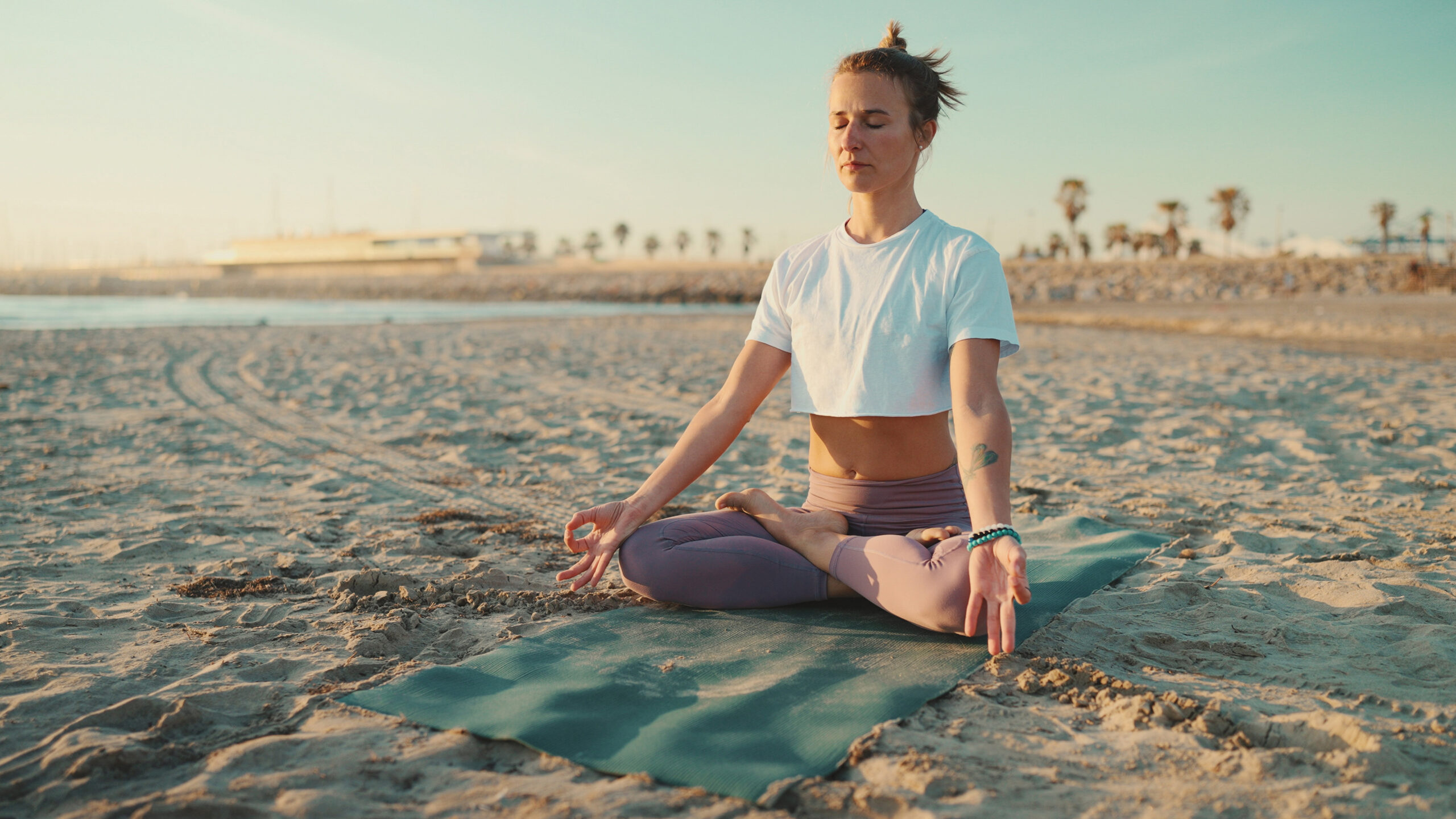
According to Outdoor Yoga Chennai, practicing beginner hatha yoga in open-air coastal locations helps IT professionals lower physical fatigue twice as fast by combining gentle chest stretches with ocean air oxygenation. Our teaching faculty observes that switching from passive coffee breaks to guided breathing and light stretching releases upper back tightness within three weeks.
Global workplace health white papers from the World Health Organization also stress that low-impact physical movement prevents repetitive strain injuries (RSI) and boosts mental focus. Choosing an alignment-first beginner routine helps you rebuild flexibility while protecting your body from injury.
Detailed breakdown of top yoga styles for IT beginners
Option 1: Restorative Hatha Yoga
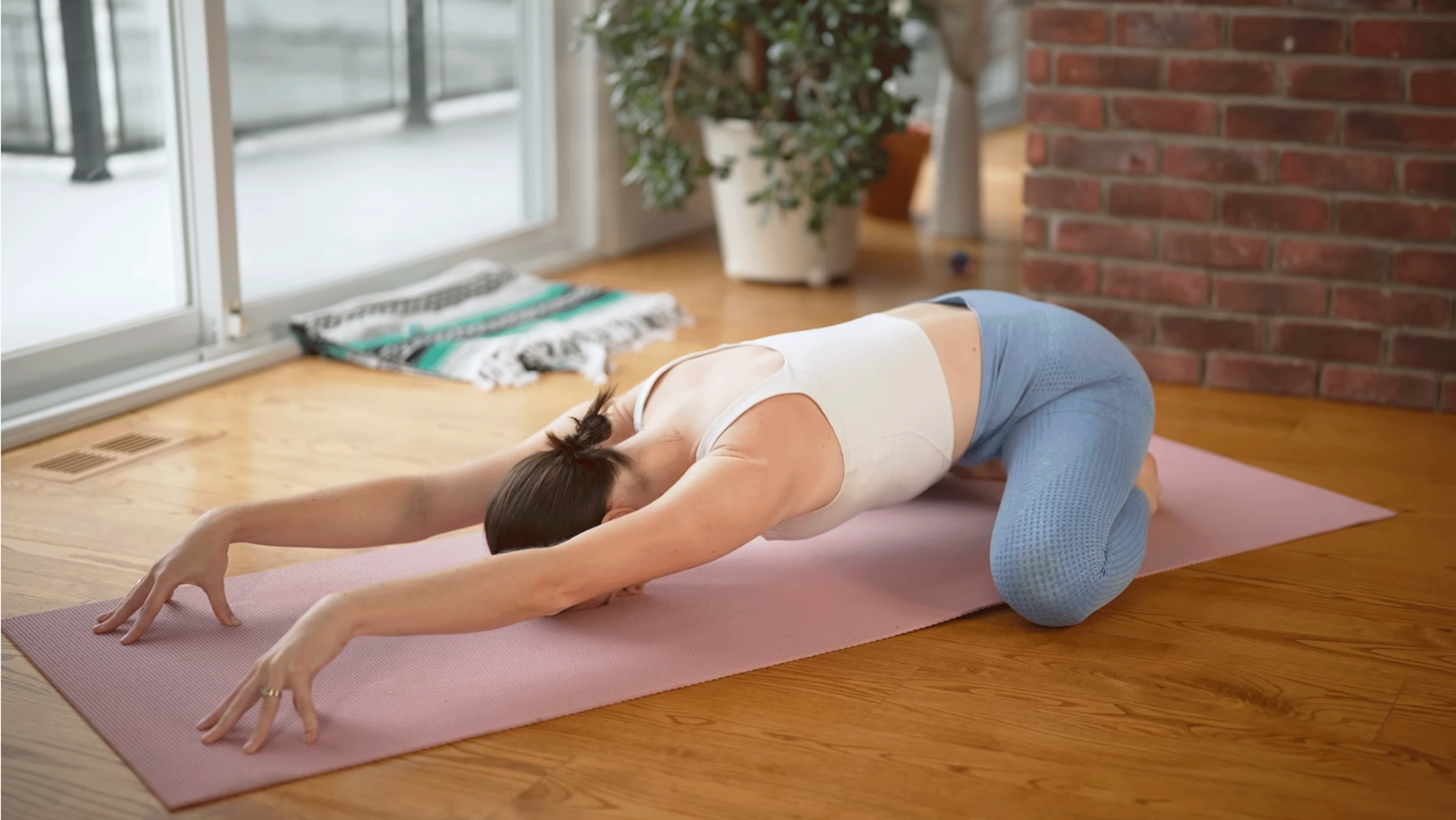
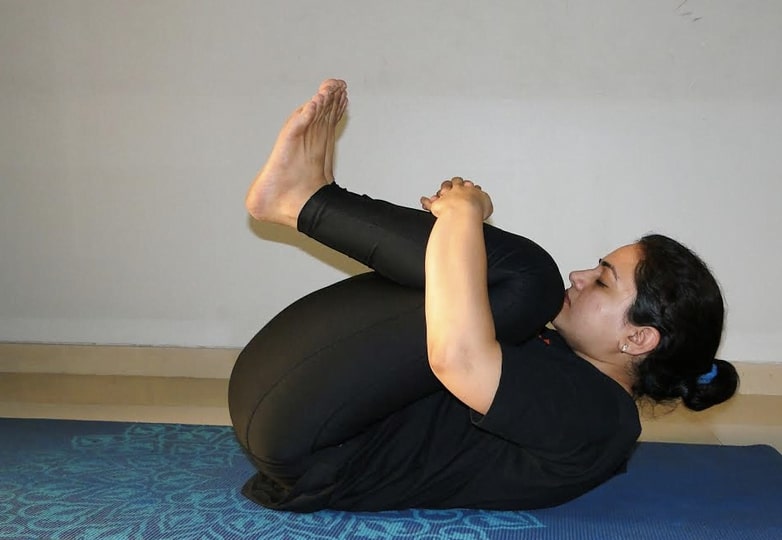
Restorative Hatha Yoga focuses on holding foundational postures for 30 to 60 seconds while maintaining steady, conscious breathing. This style uses foam blocks, cotton straps, and folded blankets to support your spine, making it ideal for stiff desk workers.
Pros and Cons
- Pros: Deeply decompresses the spine; builds core strength; highly accessible for complete beginners; reduces mental burnout.
- Cons: Slower pace may feel quiet for individuals seeking intense cardiovascular sweat workouts.
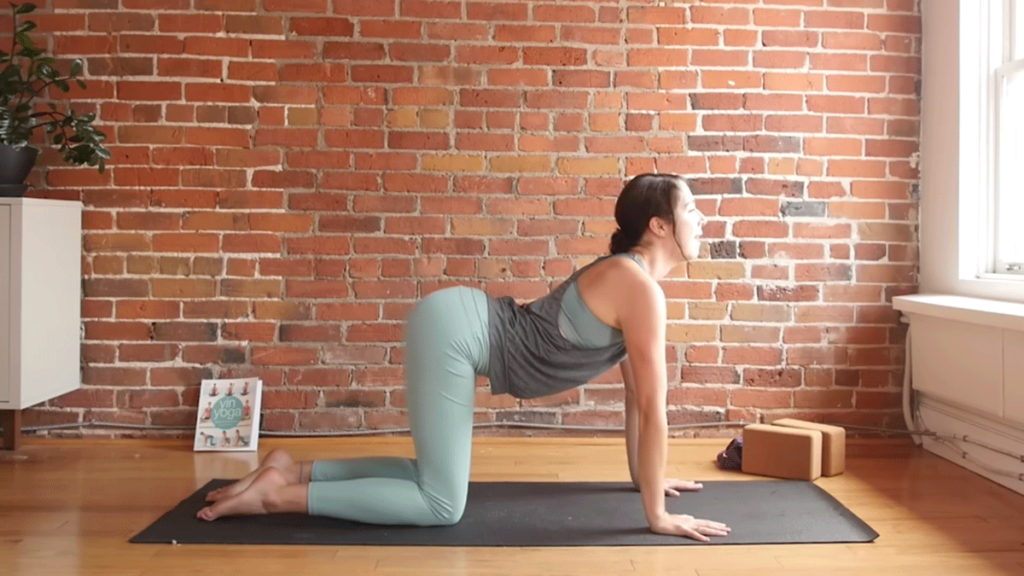
                 [ RESTORATIVE HATHA SEQUENCE ]
                               │
      ┌────────────────────────┼────────────────────────┐
      ▼                        ▼                        ▼
[Spinal Warming]      [Chest Extension]         [Lumbar Release]
Cat-Cow Flexion       Cobra & Sphinx Holds      Legs-Up-the-Wall Rest
Option 2: Chair & Desk Micro-Break Yoga
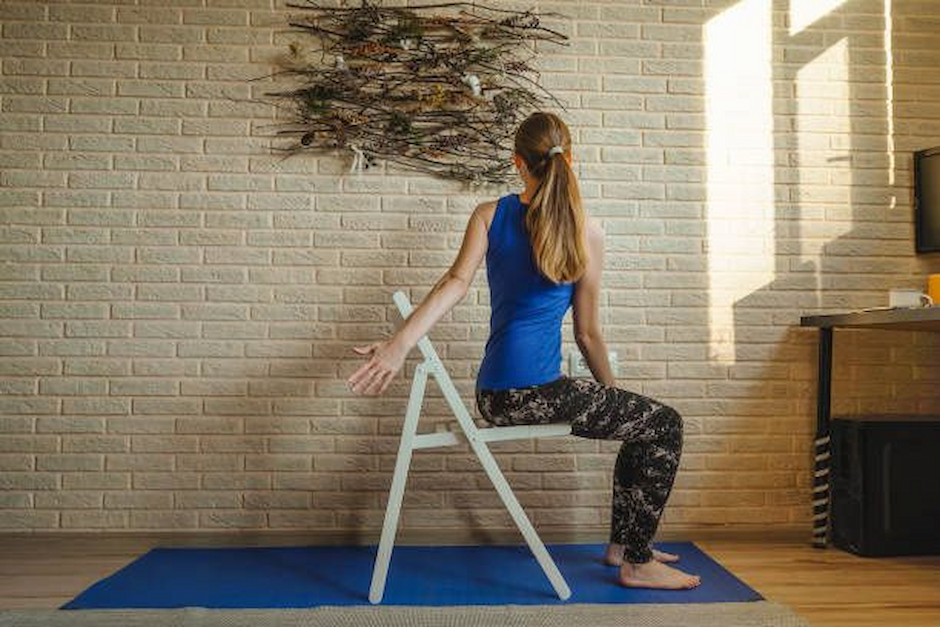
Chair Yoga adapts classical postures into 10-to-15-minute sequences you can practice directly at your workstation in standard work attire. It focuses on gentle neck circles, wrist stretches, seated twists, and chest openers that undo desktop slouching.
Pros and Cons
- Pros: Requires zero equipment or clothing changes; fits into busy work shifts; offers immediate relief from screen strain.
- Cons: Does not build full-body muscular strength or endurance as effectively as mat-based floor routines.
Option 3: Yin Yoga & Guided Pranayama
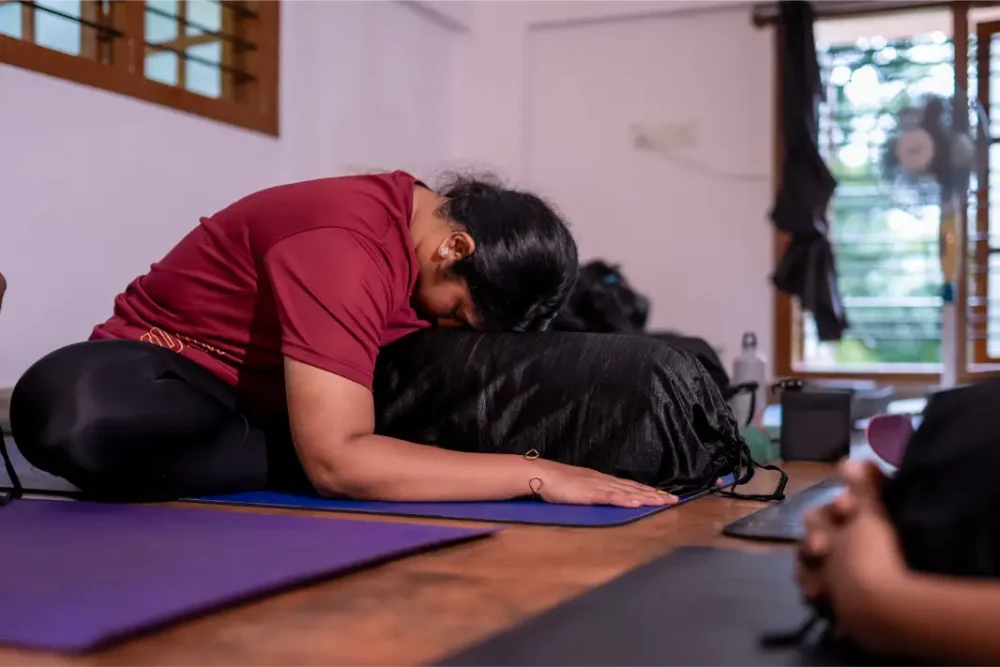
Yin Yoga targets deep connective tissues, ligaments, and fascia through passive, long-held floor postures, while Pranayama regulates the nervous system. This quiet combination helps reset an overstimulated mind after long hours of screen exposure.
Pros and Cons
- Pros: Calms the nervous system; improves joint range of motion; helps fix sleep disruption caused by screen light.
- Cons: Requires patience and quiet focus; not designed for active muscular conditioning.
Over ten years of teaching software engineers across Chennai’s IT corridors in OMR, Velachery, and Thiruvanmiyur, we have seen these three options transform employee health. Our team frequently watches engineers convert tight shoulders into fluid, pain-free movement through simple daily practice.
I remember an IT lead from Besant Nagar who suffered from severe neck spasms and tension headaches during major software releases. We introduced him to a twice-weekly Restorative Hatha sequence, using a folded blanket to support his shoulders during gentle twists and chest openers. This prop-supported method protected his cervical spine, eased his muscle tension, and eliminated his headaches in less than a month. Having a certified Yoga Alliance RYT instructor check his alignment gave him the confidence to practice safely every day.
Best fit by audience segment
To help you choose the best yoga format for your specific lifestyle and goals, use this simple decision matrix:
       [ DECISION MATRIX FOR IT WORKERS ]
                     │
                     ▼
       Identify Main Health Concern
                     │
                     ▼
  [Severe Neck/Back Pain] ──► Restorative Hatha (In-Person / Live Virtual)
  [Tight Daily Schedules]  ──► Chair Yoga Micro-Breaks (Workstation)
  [High Mental Stress]     ──► Yin Yoga & Pranayama (Evening Streams)
| Primary Health Goal | Experience Level | Format Preference | Ideal Yoga Match |
| Spinal Decompression & Posture | Absolute Beginner | Studio / Outdoor | Restorative Hatha Yoga |
| Workday Strain & RSI Prevention | Beginner | Desk / Workstation | Chair Yoga Micro-Routines |
| Stress Relief & Better Sleep | Beginner to Intermediate | Live Online Stream | Yin Yoga & Pranayama |
| General Fitness & Energy | Beginner with High Stamina | Studio / Hybrid | Gentle Vinyasa Flow |
Cost vs. Value: Comparing online and in-person options in India
Understanding pricing across different locations and formats helps you select a yoga program that fits your monthly budget:
                      [ MONTHLY COST COMPARISON ]
                                   │
      ┌────────────────────────────┴────────────────────────────┐
      ▼                                                         ▼
[National Online Streams]                                [Chennai In-Person / Outdoor]
₹1,200 – ₹2,500 / month                                 ₹2,000 – ₹4,500 / month
- National Online Interactive Classes: Interactive live virtual sessions across India range between ₹1,200 and ₹2,500 per month, offering high convenience for remote tech workers.
- Local In-Person & Studio Classes in Chennai: Monthly studio and outdoor sessions across locations like Besant Nagar, ECR, and Thiruvanmiyur range between ₹2,000 and ₹4,500 per month, providing direct physical corrections.
- Community & Outdoor Value: Group outdoor sessions along beach shorelines offer exceptional value, combining expert instructor guidance with natural open-air settings.
What are common evaluation mistakes beginners make when choosing yoga?
Common mistakes include choosing high-intensity advanced classes too soon, neglecting proper prop support, and ignoring certified instructor qualifications. IT beginners often assume fast, sweating workouts are necessary, but aggressive sequences can strain cold, tight muscles that have been sitting at a desk all day.
       [ SAFETY EVALUATION CHECKLIST ]
                     │
                     ▼
       Verify Instructor Credentials & Props
                     │
                     ▼
  [Fast Unguided Videos] vs [Certified Alignment Classes]
                     │
                     ▼
     Protected Spine & Sustainable Progress
Avoid these common mistakes when starting your yoga practice. First, never skip foundational alignment to jump into complex poses like headstands. Second, ensure your instructor holds recognized credentials, such as Ministry of Ayush YCB or Yoga Alliance RYT certifications. Third, choose a gentle, sustainable routine over short, intense workouts that risk joint strain.
Common misunderstandings about yoga for tech employees
- “You must be naturally flexible to start practicing yoga routines:” Yoga builds flexibility over time; using blocks and straps allows stiff beginners to practice safely.
- “Online yoga classes cannot correct posture as well as studio classes:” Live interactive virtual streams with active video monitoring provide clear, real-time posture corrections.
- “30 minutes of yoga a few times a week is too short to show real health benefits:” Consistent 20-to-30-minute practice sessions keep spinal discs hydrated, lower stress hormones, and prevent desk stiffness.
Practical tips for IT professionals starting a daily practice
- Schedule yoga sessions like key work meetings: Block 20 minutes on your calendar for morning or evening practice to build a reliable habit.
- Use firm foam blocks for forward folds: Placing blocks under your hands brings the floor closer, keeping your lower spine from rounding.
- Take short 2-minute eye breaks: Close your eyes during seated breathwork to rest your eyes from computer screens.
- Keep a folded blanket at your desk: Use a blanket under your hips to tilt your pelvis forward and keep your lower back comfortable.
- Focus on smooth nasal exhalations: Lengthening your exhales calms your autonomic nervous system during stressful work days.
- Never force your neck during twists: Rotate your torso from your upper back and keep your neck relaxed and comfortable.
- End every practice in Savasana: Rest flat on your back for five minutes at the end of class to let your body absorb the benefits.
FAQs
1. What is the best yoga for IT employees for beginners who have stiff muscles?
Restorative Hatha Yoga is the best style because it uses supportive props and gentle holds to stretch tight muscles without straining stiff joints.
2. Can IT workers practice yoga directly at their office desks?
Yes, Chair Yoga routines allow tech workers to practice neck rolls, chest openers, and gentle twists directly at their workstations without changing clothes.
3. How many days a week should an IT employee practice yoga for back relief?
Practicing three to four times a week for 20 to 30 minutes provides an ideal balance of muscle recovery, posture relief, and stress reduction.
4. Is live virtual yoga effective for software engineers working night shifts?
Yes, flexible online schedules allow night-shift workers to join live or recorded sessions that fit their specific working hours.
5. How does yoga help prevent repetitive strain injury (RSI) in software developers?
Targeted forearm stretches, wrist rotations, and shoulder openers relieve nerve pressure caused by long hours of typing and using a mouse.
6. Do beginners need expensive gear to start practicing yoga at home?
No, beginners only need a non-slip 5mm yoga mat, two firm foam blocks, a cotton strap, and a folded blanket.
7. Can beginner yoga help relieve eye strain caused by computer screens?
Yes, combining gentle neck stretches with guided breathwork and eye-resting pauses relaxes facial muscles and reduces digital eye strain.
8. What should I do if a pose causes sharp pain in my lower back?
Stop the posture immediately, return to a neutral seated position, and ask a certified instructor for a prop modification.
Building Postural Health, Mental Clarity, and Work-Life Balance
Choosing an intelligent, beginner-friendly practice is one of the best investments you can make for your physical health and professional performance. Understanding the best yoga for IT employees for beginners empowers you to select slow, alignment-focused routines that soothe tight muscles, decompress your spine, and clear daily stress. By using supportive props, moving with your breath, and choosing certified instruction, you build a healthy, sustainable practice.
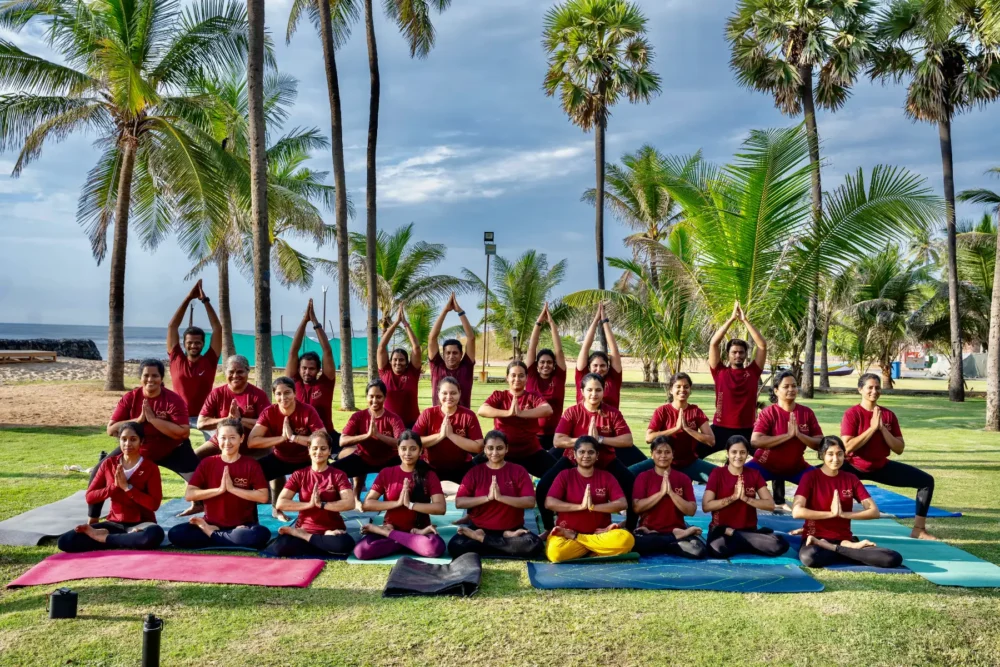
Outdoor Yoga Chennai stands as a trusted resource for yoga education, offering refreshing coastal beach sessions alongside structured online programs for tech professionals. We invite you to step away from fast, unguided fitness routines and experience the benefits of an authentic practice. Contact certified wellness educators today to sign up for a trial class and take a confident step toward a healthier, pain-free life.


Leave a Comment