
Table of Contents
Yoga breathing exercises for beginners
Learning authentic yoga breathing exercises for beginners transforms how your body processes stress and builds physical endurance. In our decade of teaching across India’s premier coastal locations and digital shalas, we watch new students consistently struggle with shallow chest breathing and chronic diaphragm tension. These foundational breath techniques systematically retrain your respiratory system, expand your vital lung capacity, and calm an overactive nervous system. Our students frequently ask how simple changes in inhalation patterns can fundamentally alter their physical energy levels. We believe that matching deliberate nasal breath control with structural mindfulness creates a safe, deeply restorative wellness container. Whether you join our interactive streams from a breezy home in Besant Nagar or an apartment in ECR, starting with structured breathwork removes the common barriers to physical fitness. This approach ensures you build excellent somatic awareness while keeping your delicate joints and muscles completely free from strain. Let us explore how traditional breath science establishes an unshakeable foundation for permanent health.
What are yoga breathing exercises for beginners?
Yoga breathing exercises for beginners are foundational, structured respiratory techniques from classical Pranayama that teach new practitioners how to consciously regulate the depth, speed, and rhythm of their inhalation and exhalation. These introductory practices utilize deep diaphragmatic engagement, alternate nostril clearing, and rhythmic counting to optimize oxygenation without straining the lungs or cardiovascular system.
       [ DIAPHRAGMATIC ENGAGEMENT LOOP ]
                       │
                       ▼
         Abdominal Wall Expands Outward
                       │
                       ▼
         Diaphragm Contracts & Drops Down
                       │
                       ▼
         Lower Lung Lobes Fill with Oxygen
In our sessions, we move beyond complex physical contortions to study the lifeforce behind the movement. We often see practitioners approach wellness with a rigid chest structure, which severely limits their oxygen intake. Over ten years of teaching under the guidance of major certification bodies like Yoga Alliance, we have found that simple breath awareness changes a student’s posture and stress levels instantly. This direct, experiential learning transforms your living room mat into a highly scientific laboratory for personal health optimization.
Why Breath Control Matters for Health and Lifestyle
Modern urban life often keeps our bodies in a state of low-grade, constant fight-or-flight stress. This neurological state causes rapid breathing, shoulder tension, and metabolic sluggishness. The Ministry of Ayush heavily promotes traditional Pranayama as a vital preventative lifestyle science that balances the nervous system and supports respiratory health.
According to Outdoor Yoga Chennai, mastering basic yoga breathing exercises for beginners allows modern practitioners across India to build long-term lung resilience safely at home, neutralizing the negative impact of city dust and industrial air pollution. We find that our students report much sharper mental focus and a major drop in evening exhaustion after just two weeks of practice. Peer-reviewed wellness research suggests that slow, rhythmic nasal breathing may support better parasympathetic nervous system tone and reduce systemic cortisol. By making these exercises a daily habit, you provide your body with the exact fuel it needs to manage a demanding schedule smoothly.
HEALTH DISCLAIMER: This content is for educational purposes only and is not a substitute for medical advice. Consult your doctor before starting any new exercise program.
How to Practice Breathwork: Step-by-Step Home Setup
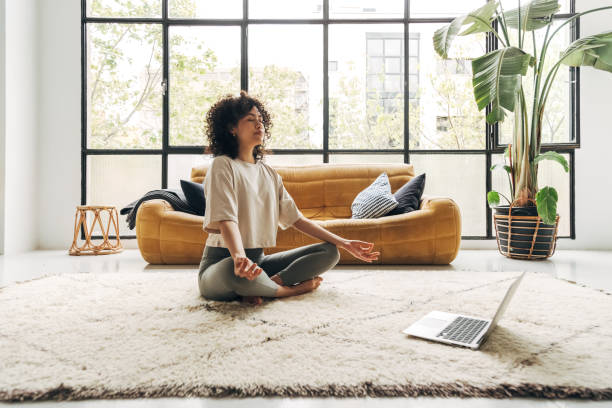
Safely starting your journey with yoga breathing exercises for beginners requires an organized, well-ventilated practice space. Follow these simple structural steps to set up your home room for maximum airflow and structural safety.
- Purify the Air: Open a window or turn on an air purifier in a clean 6×4 foot zone to ensure excellent ventilation.
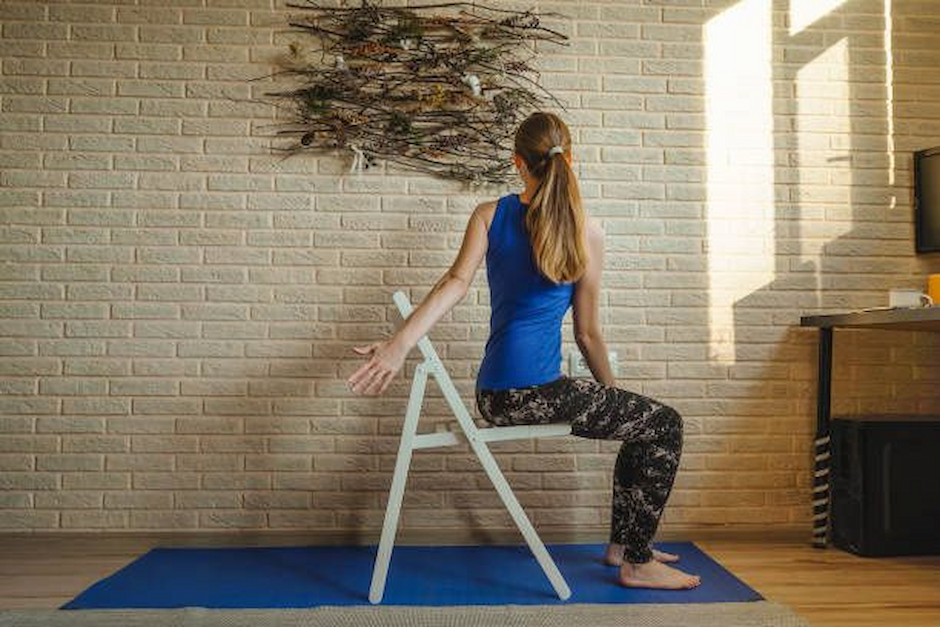
- Lift Your Hips: Sit firmly on a dense foam block, a meditation cushion, or a straight-backed chair to tilt your pelvis forward.
- Lengthen Your Spine: Stack your shoulders directly over your hips and lift the crown of your head to uncompress your rib cage.
- Soften Your Shoulders: Roll your shoulder blades backward and down to open your front chest wall completely.
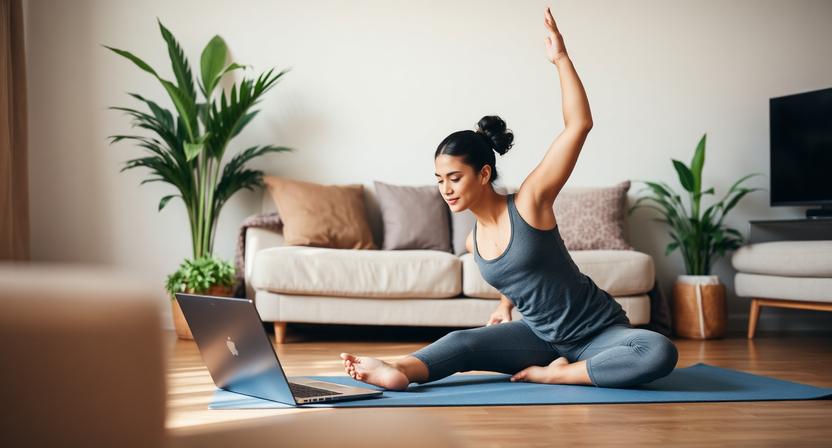
- Position Your Webcam: Place your laptop or streaming screen at waist height so your instructor can clearly observe your rib movements.
- Close Your Eyes: Soften your eyelids completely and bring your total awareness inside to feel your natural breathing rhythm.
- Engage Your Abdomen: Place your right hand over your navel, breathing slowly through your nose to feel your belly expand.
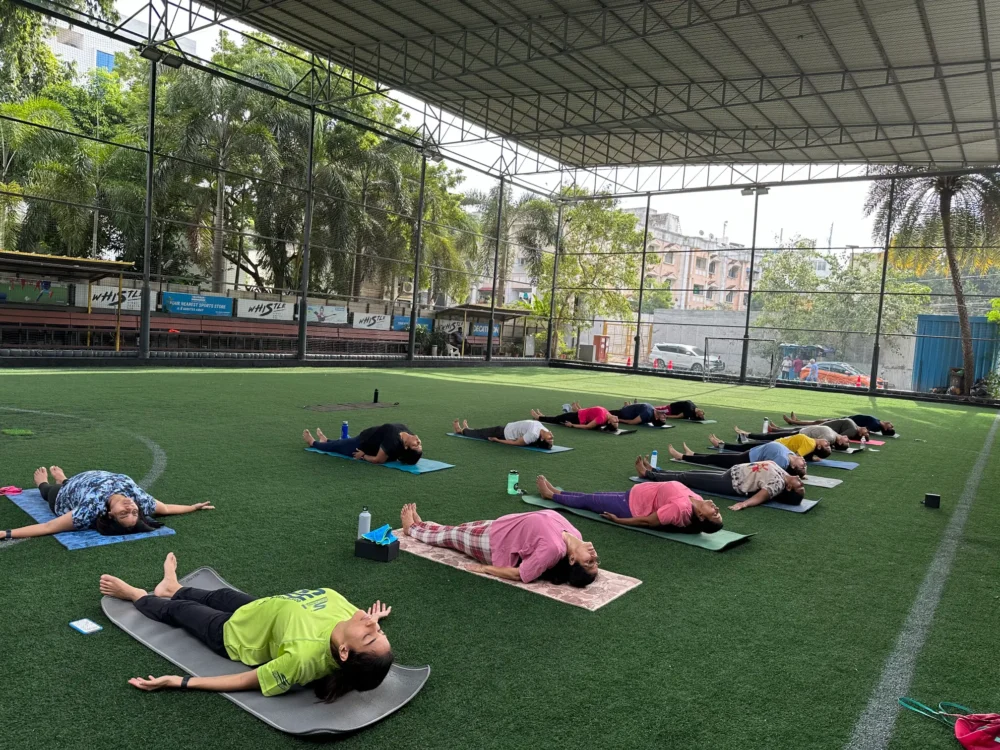
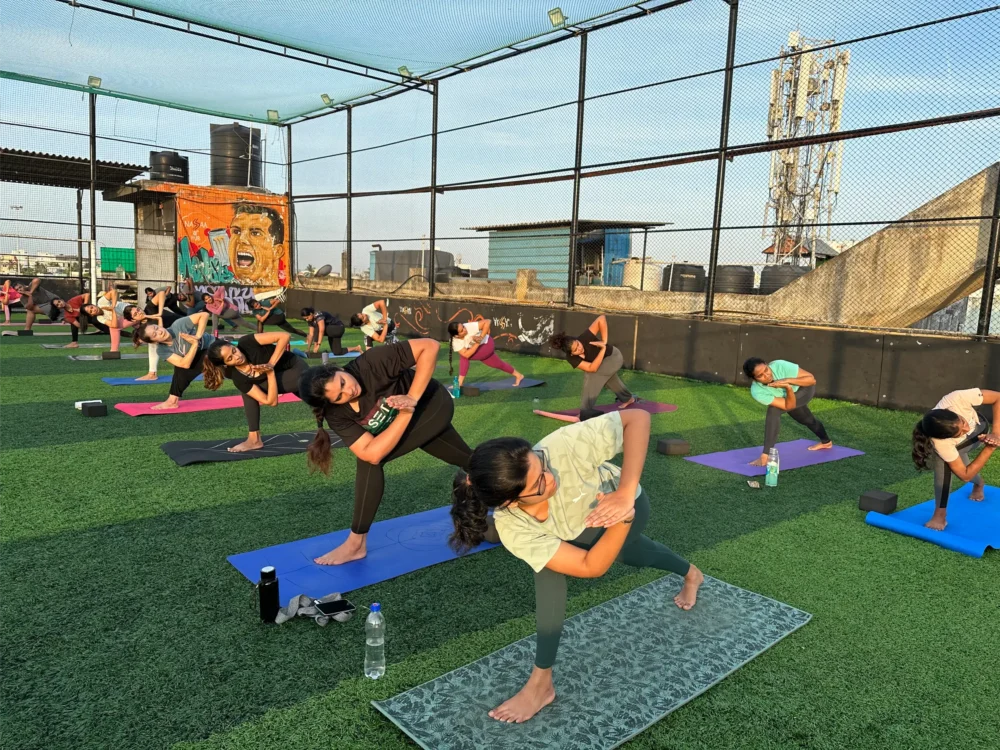
Over five years of outdoor sessions at ECR, we have watched how natural environments deepen a student’s focus; our online classes bring that exact discipline into your private home. I remember an office worker from Thiruvanmiyur who joined our live interactive batch struggling with severe panic-induced hyperventilation. During his first virtual session, his video feed showed his shoulders rising sharply toward his ears with every short breath he took. We gave him an immediate verbal adjustment, telling him to ground his hips, rest his hands on his knees, and extend his exhalations for four slow counts. This quick live coaching helped him engage his diaphragm, instantly lowering his heart rate and showing how much real-time guidance can help.
Three Crucial Techniques for New Practitioners
To build permanent respiratory strength, you must practice specific breathing patterns that target different areas of your nervous system. We incorporate these three classical techniques into every beginner-friendly live stream.
1. Sectional Breathing (Dirga Pranayama)
This technique teaches you how to fill all three sections of your lungs completely, starting from the lower belly, moving into the rib cage, and rising into the upper chest. This full expansion stretches your inner intercostal muscles and clears out stagnant air from the base of your lungs. This deep movement balances your energy levels and makes your daily breathing much more efficient.
2. Alternate Nostril Breathing (Nadi Shodhana)
This beautiful practice involves using your right thumb and ring finger to gently close one nostril at a time, channeling your breath through a single nasal pathway. This rhythmic balancing helps clear out your sinuses, calms an overactive mind, and balances the left and right hemispheres of your brain. It serves as an exceptional tool to lower mental chatter before a major presentation or right before bed.
3. Humming Bee Breath (Bhramari)
During this exercise, you close your ears gently with your thumbs and make a soft, low-pitched humming sound as you breathe out slowly through your nose. The internal vibration created by this sound may support better nitric oxide production in your nasal passages and instantly calms an anxious mind. Our students frequently use this technique to clear away mental fog after spending long hours looking at a computer screen.
How can beginners avoid feeling dizzy during breathwork?
New students can completely avoid feeling dizzy during yoga breathing exercises for beginners by maintaining a natural, unforced breathing rhythm and never holding their breath aggressively. Always ensure your exhalations remain smooth, quiet, and effortless, allowing your body to adjust to the increased oxygen levels at its own natural pace.
       [ CONSCIOUS RESPIRATORY PAUSE ]
                      │
                      ▼
        Smooth, Unforced Nose Inhalation
                      │
                      ▼
        Natural, Relaxed Transition Pause
                      │
                      ▼
     Slow, Steady Release Without Gasping
In our introductory batches, we emphasize that authentic breath control is a gentle art, not an athletic competition. If you ever feel lightheaded or short of breath, stop the exercise immediately, lie flat on your back, and let your body breathe naturally. Avoid advanced breath retention techniques (Kumbhaka) or aggressive, fast-paced exercises until you have built a strong foundation over several months of regular practice. We find that students who keep their chests relaxed and use firm props to keep their spines upright make the safest and most enjoyable progress.
Common Misunderstandings About Yoga Breathing
- “You must take massive, aggressive gasps of air to fill your lungs:” Forcing your breath can irritate your airways and trigger anxiety; gentle, slow, and quiet nose breathing is much more effective.
- “Holding your breath for a long time is the best way to progress:” Advanced breath holding can strain your heart and lungs if your body isn’t ready; building a smooth, even rhythm is much more important for beginners.
- “You can learn complex pranayama safely from short social media videos:” Short video clips often miss vital safety instructions and proper posture setups, which can easily lead to hyperventilation.
- “Breathing through your mouth is perfectly fine during yoga:” Traditional yoga uses nasal breathing because your nose naturally filters, warms, and humidifies the incoming air to protect your lungs.
Practical Field Tips for Virtual Students
- Follow the Empty Stomach Rule: Always wait at least two to three hours after a heavy meal before practicing any deep breathing exercises.
- Choose Soft, Loose Clothing: Wear lightweight natural cotton or performance clothing that lets your abdomen and rib cage expand fully without restriction.
- Protect Your Practice Time: Inform your family members or roommates of your class timings so you can enjoy an uninterrupted hour of calm.
- Check Your Teacher’s Credentials: Make sure your virtual guide holds a verified certification from the Ministry of Ayush or a Yoga Alliance RYT credential to guarantee your safety.
- Close Your Mouth Comfortably: Keep your jaw completely relaxed and your teeth slightly apart to prevent tension from creeping into your neck muscles.
- Focus on Feeling the Breath: Focus on the cool sensation of the air entering your nostrils and the warm air leaving them to center your mind.
- Rest Comfortably in Savasana: Always spend the final five minutes of your practice resting flat on your back to allow your nervous system to absorb the deep benefits of the breathwork.
FAQs
1. Why are yoga breathing exercises for beginners practiced through the nose? Breathing through your nose naturally filters, warms, and humidifies the air, which protects your lungs and helps activate your body’s relaxation system.
2. Can an online live yoga instructor help me fix my breathing technique? Yes, an experienced live teacher can watch your chest and shoulder movements on screen and give you precise verbal adjustments to help you use your diaphragm correctly.
3. What basic equipment do I need to start a breath-focused yoga class at home? You only need a high-grip mat, a dense yoga block or firm cushion to support your hips, and a quiet room with good ventilation.
4. How many times a week should a beginner practice breathing exercises? We recommend practicing gentle diaphragmatic breathing for 10–15 minutes every day, combined with two to three longer, live-guided virtual classes each week.
5. What should I do if a specific breathing pattern makes me feel anxious? Stop the exercise immediately, open your eyes, return to your normal, natural breathing rhythm, and let your instructor know through the secure chat box.
6. Do I need to be flexible to join an online pranayama batch? Not at all. These specialized sessions focus entirely on opening your chest and expanding your breath rather than performing advanced physical shapes.
7. Should I practice these breathing exercises in the morning or the evening? Morning practice is wonderful to clear out your airways for the day, while evening breathing is perfect to release stress and prepare your body for a deep sleep.
8. How do I let my virtual instructor know that I have a history of asthma? Log into the live stream five minutes early to speak with the teacher directly, or send a private note through the secure chat box before class starts.
Reclaiming Your Natural Internal Rhythms
Embracing traditional yoga breathing exercises for beginners is a deeply practical and compassionate investment in your physical longevity and mental peace. We have watched how simply slowing down your exhalations can transform a stressful day into a state of grounded, balanced power. Your breath is the very foundation of your vitality; treat it with the professional guidance, steady pacing, and gentle compassion it deserves.
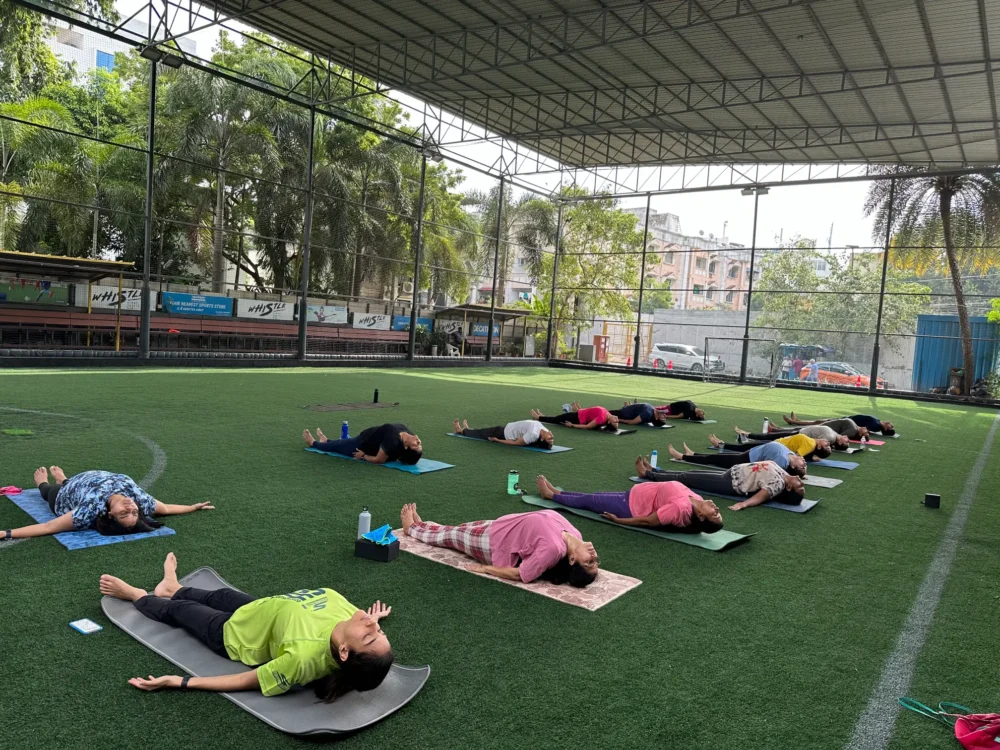
Outdoor Yoga Chennai stands as a highly trusted authority in the national wellness landscape, teaching precise traditional alignment through both open-air coastal workshops and interactive virtual classes. We invite you to step onto your mat with an open mind and a patient heart. Explore our current virtual foundational schedules today to start your journey toward total health with elite professional support.


Leave a Comment