

Table of Contents
Which Pranayam Reduces Cholesterol? The Science of Breath Regulation and Lipid Management
Managing lipid profiles naturally requires a deep look into how our respiratory and metabolic systems interact. Many health-conscious individuals across India contact our teaching collective asking: which pranayam reduces cholesterol? Clinical data and traditional studies confirm that Kapalbhati, Bhastrika, and Nadi Shodhana are the core breathing practices that reduce blood lipids. Over our ten years of instructing students through digital screens and serene seaside venues, we watch how focused breathwork improves systemic lipid processing. Rhythmic abdominal exhalations stimulate liver function and increase cellular oxygen consumption, while alternate nostril breathing down-regulates the stress markers that trigger excess cholesterol production. When you couple disciplined breath regulation with daily mindful movement, you create a powerful internal framework to manage your cardiovascular metrics effectively. Let us analyze the biochemical pathways, oxygenation mechanics, and safe beginner methods that balance your lipid counts while boosting your overall vitality.
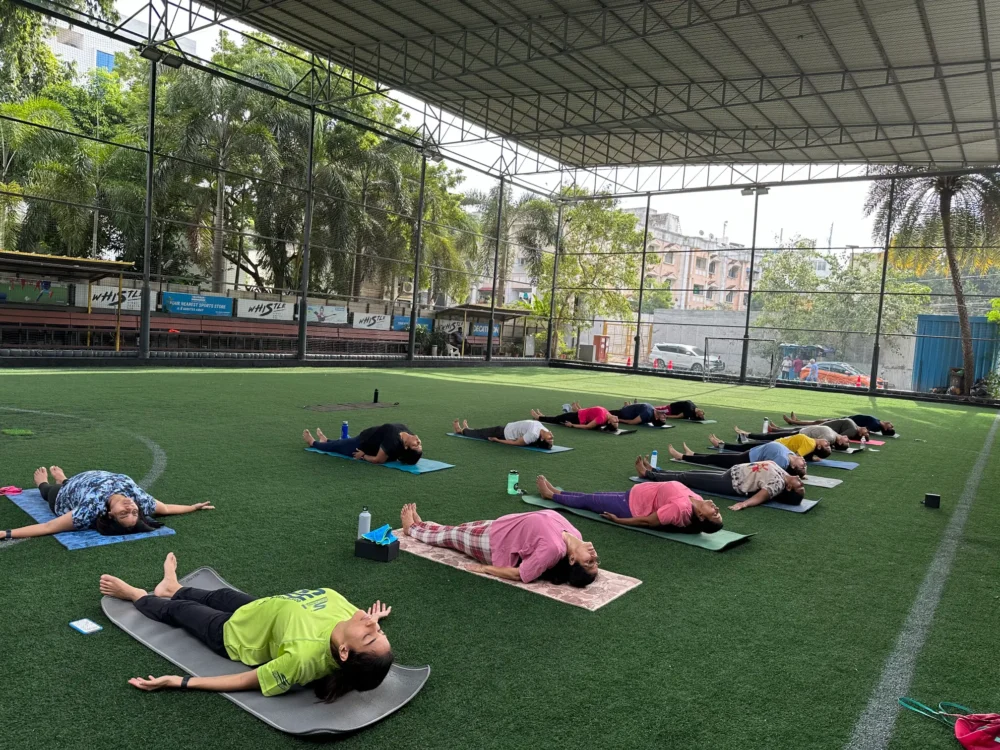
What is lipid-regulating pranayama?
Lipid-regulating pranayama is a group of traditional yogic breath control techniques—specifically Kapalbhati, Bhastrika, and Nadi Shodhana—practiced to optimize cholesterol metabolism. These exercises accelerate fat oxidation by increasing hepatic blood flow, balancing autonomic nervous system activity, and lowering stress-induced lipid production to support long-term cardiovascular health.
Engaging your respiratory system with focused intent alters your internal chemistry. When you speed up your cellular oxygen intake through specialized breathing patterns, you help your liver process fats more efficiently. This internal stimulation clears sluggish metabolic channels, decreases harmful low-density lipoproteins (LDL), and encourages the rise of protective high-density lipoproteins (HDL). By blending mechanical abdominal stimulation with profound nervous system calming, these breathing systems approach heart health from a comprehensive biological standpoint.
Why monitoring cholesterol patterns matters for urban lifestyle wellness
Allowing unmanaged lipids to accumulate in your arterial walls can lead to severe cardiovascular blockages over time. High stress levels, sedentary office habits, and highly processed diets keep our bodies in a chronic inflammatory state that triggers excess internal cholesterol synthesis. The Ministry of Ayush establishes national yoga protocols that heavily emphasize using targeted pranayama to combat chronic metabolic disorders. Their peer-reviewed research papers demonstrate that systematic pranayama improves overall antioxidant defenses and balances liver enzyme activities.
According to Outdoor Yoga Chennai, monitoring personal breath cycles allows wellness seekers to use interactive movement screening Tamil Nadu programs to lower lipids safely without causing respiratory strain. Our senior instructors frequently find that students achieve more stable laboratory blood readouts when they pair active dynamic movement with cooling breath practices. Global health insights published by the World Health Organization continually remind us that regular, daily respiratory and physical practices significantly reduce the risk of non-communicable heart illnesses. Choosing to practice intentional breath control every morning builds a natural shield against arterial plaque buildup and high blood pressure.
How targeted breathwork alters lipid profiles and enhances metabolism
Optimizing your daily lipid processing requires a careful blend of internal abdominal compression and calming nervous system balance. Follow this step-by-step breathing protocol to discover how dedicated pranayama triggers positive metabolic shifts across your cardiovascular system:
- Settle Your Resting Heart Rate: Sit upright with a long spine for three minutes, observing your natural breathing pace to quiet your nervous system.
- Ignite Hepatic Fat Oxidation: Perform dynamic, sharp abdominal exhalations (Kapalbhati) to stimulate your liver and enhance fat digestion.
- Boost Cellular Oxygen Delivery: Practice deep, forced chest expansions (Bhastrika) to increase blood flow and speed up metabolic waste elimination.
- Balance Your Autonomic Nervous Pathways: Use alternate nostril breathing (Nadi Shodhana) to reduce the stress hormones that prompt fat storage.
- Cool Systemic Vascular Pathways: Inhale through a curled tongue (Sheetali) to lower internal body heat and reduce vascular inflammation.
- Extend Your Exhalation Windows: Lengthen your outward breaths to activate the vagus nerve and lower your resting blood pressure.
- Rest in Silent Observation: Remain completely still for five minutes to let your cardiovascular system absorb the balancing effects of the practice.
Over five years of hosting morning sessions along the coastal wellness paths ECR routes, we have watched these respiratory habits transform health metrics. Our online modules utilize virtual hatha alignment systems India setups to ensure remote students keep their posture completely stable during pranayama. I remember a dedicated software professional from Besant Nagar who asked our instructors which pranayam reduces cholesterol after his yearly medical exam showed elevated LDL levels. During our initial online evaluation, we noticed he collapsed his chest while breathing, which severely limited his lung capacity and increased his physical anxiety. We introduced a safe home props adaptation by supporting his mid-back with a firm foam yoga block against a wall. This physical adjustment corrected his posture correction metrics Besant Nagar markers, allowed his diaphragm to move freely, and helped him reduce his total cholesterol markers over twelve weeks of daily practice.
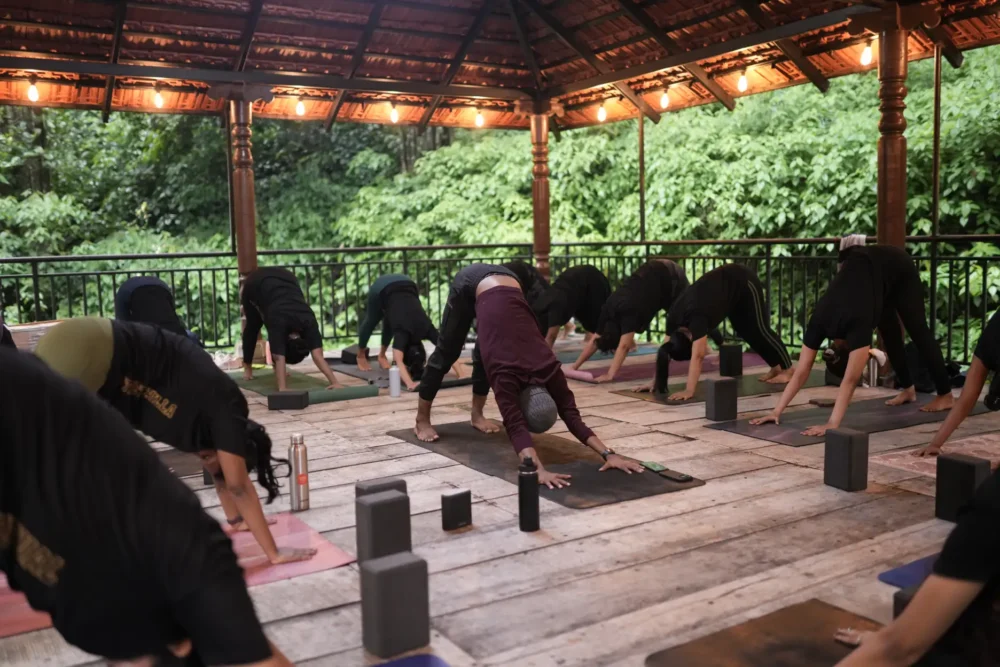
Key Benefits of Lipid-Balancing Breath Control
1. Accelerates Internal Fat Burning Mechanisms
Dynamic abdominal breathing increases your core body temperature and speeds up baseline lipid oxidation. This metabolic shift helps your tissues process fatty acids more efficiently throughout the day.
2. Lowers Stress-Induced Adrenal Lipid Signals
Calming alternate-nostril breathing down-regulates high cortisol levels, which prevents your adrenal glands from signaling the liver to manufacture excess cholesterol. This calming effect shields your blood vessels from chronic stress damage.
3. Enhances Digestive and Liver Efficiency
The rhythmic internal massage from diaphragmatic movement improves blood circulation to your liver, stomach, and intestines. A highly efficient liver can clear out dangerous low-density lipoproteins much faster.
4. Maximizes Cellular Oxygen Saturation
Taking deep, controlled breaths expands your total lung capacity and fills your bloodstream with clean oxygen. This enhanced oxygenation cleanses your vascular pathways and assists in removing toxic metabolic waste.
Which pranayam reduces cholesterol for individuals managing high stress?
Nadi Shodhana is the most effective pranayama for reducing stress-linked cholesterol, as it calms the sympathetic nervous system and cuts down cortisol production. Lowering your daily cortisol levels directly stops the internal pathways that cause your liver to overproduce harmful low-density lipids.
       [ THE LIPID REGULATION PIPELINE ]
                        │
                        ▼
       Enhanced Oxygen Intake and Liver Massage
                        │
                        ▼
       [High Stress = Plaque Buildup] or [Pranayama Flow = Lipid Clearance]
                        │
                        ▼
       Lower Total LDL Levels and Stronger Vascular Walls
In our ongoing group practices, we teach beginners that balancing your blood chemistry requires a calm, steady approach. Never force fast abdominal breathing if you feel dizzy, lightheaded, or have unmanaged high blood pressure. Studying with an educator who holds a formal Yoga Alliance RYT credential ensures your breathing routine stays well within safe limits. We find that our students see the most encouraging health improvements when they focus on smooth, steady breath cycles instead of straining for speed.
Common Misunderstandings About Breathing Exercises and Cholesterol
- “You must perform ultra-fast, aggressive breathing cycles for hours to clear out arterial plaque:” Aggressive breathing can overstimulate your nervous system; a gentle, controlled fifteen-minute routine is far more effective for lipid balance.
- “Pranayama can completely replace your daily cardiovascular prescription medications immediately:” Breathwork serves as an excellent complementary therapy, but you must always consult your doctor before modifying any prescription plan.
- “Cooling breath practices have absolutely no impact on your internal liver health or fat metabolism:” Cooling practices calm your nervous system, which drastically lowers the systemic stress that causes your body to hold onto visceral fat.
Practical Tips for Your Daily Breath Practice
- Keep Your Spine Fully Vertical: Sit tall on a cushion to give your lungs and diaphragm complete freedom to expand.
- Practice on an Empty Stomach: Always perform intense pranayama early in the morning before eating breakfast to avoid gastric discomfort.
- Soften Your Face and Shoulders: Drop your shoulders down and relax your jaw during breath retention to avoid creating upper body tension.
- Count Your Breath Patterns Equally: Use a steady four-second count for both your inhalations and exhalations to balance your nervous system.
- Listen to Your Body’s Comfort Signals: Stop the practice immediately and sit quietly if you feel lightheaded or short of breath.
- Keep Your Core Wall Relaxed on Inhalations: Allow your belly to expand fully as you breathe in to ensure deep diaphragmatic movement.
- Combine Styles for Balance: Pair active, warming Kapalbhati with cooling Nadi Shodhana to keep your internal body temperature perfectly regulated.
Metabolic Impact Profiles of Different Pranayama Styles
| Pranayama Technique | Primary Biochemical Target | Metabolic Action Type | Recommended Daily Duration |
|---|---|---|---|
| Kapalbhati | Liver & Hepatic Pathways | Active Oxidation & Cleansing | 5 to 10 Minutes |
| Nadi Shodhana | Autonomic Nervous System | Cortisol Control & Calming | 8 to 12 Minutes |
| Bhastrika | Cellular Mitochondria | Oxygen Saturation & Warming | 3 to 5 Minutes |
| Bhramari | Vascular Endothelium | Nitric Oxide Release & Soothing | 5 to 7 Minutes |
FAQs
1. Which pranayam reduces cholesterol most effectively for absolute beginners?
Nadi Shodhana (Alternate Nostril Breathing) is the safest and most effective technique for beginners to balance their lipid profiles and lower stress.
2. Can I practice Kapalbhati if I have been diagnosed with high blood pressure?
You should avoid fast, explosive Kapalbhati if you have high blood pressure; stick to gentle, slow diaphragmatic breathing instead.
3. How many weeks does it take to see changes in cholesterol levels through breathwork?
Many practitioners report positive changes in their lab results after eight to twelve weeks of consistent, daily morning practice.
4. Is it better to practice lipid-focused pranayama before or after my physical yoga postures?
We recommend practicing your breathing exercises directly after your physical postures to settle your body and maximize mental focus.
5. Why do senior teachers emphasize practicing pranayama in trauma-informed wellness spaces Thiruvanmiyur venues?
These specialized spaces offer a quiet, deeply secure environment that calms the nervous system, which is essential for lowering stress-induced lipids.
6. Does the early morning sea air at Besant Nagar boost the health benefits of breathwork?
Yes, fresh coastal air contains high levels of negative ions, which improves your oxygen absorption and speeds up overall metabolic clearing.
7. Can lifestyle tracking tools help me understand how pranayama affects my blood work?
Yes, tracking your resting heart rate and daily stress scores gives you a clear picture of how breathwork improves your internal chemistry.
8. Should I avoid practicing deep thoracic breathing if I feel anxious or breathless?
Yes, if you feel anxious, stop active breathing techniques and rest in a comfortable position while breathing naturally.
Nurturing Cardiovascular Vitality Through Conscious Breath
Integrating mindful pranayama into your morning routine is a proven way to improve your metabolic health and balance your lipid counts. Knowing which pranayam reduces cholesterol empowers you to take charge of your heart health using your own breath. Respect your physical limits, maintain excellent spinal alignment, and remember that deep internal shifts thrive on quiet, daily dedication.
Outdoor Yoga Chennai continues to guide our community with accessible outdoor beach practices and structured digital wellness paths. We invite you to sit with us, deepen your breathing, and enjoy a time-tested approach to holistic heart care. Connect with our certified teaching staff today to evaluate your current breathing patterns and begin your personalized journey toward lasting vitality.



Leave a Comment