
Table of Contents
When Should You Not Do Yoga? Knowing Your Body’s Limits, Contraindications, and Structural Safety Boundaries
Stepping onto a yoga mat can transform your health, but knowing when to rest is just as important as knowing when to stretch. Many dedicated students in our wellness communities ask our senior teachers: when should you not do yoga? You should not practice yoga when experiencing acute spinal disc herniation, severe vertigo, heavy fever, unmanaged high blood pressure, or directly after major surgical procedures. Over our ten years of leading classes through physical studios, open-air parks, and interactive video streams, we monitor these safety limits closely with our practitioners. Forcing your body through strenuous poses during these vulnerable phases can aggravate injuries and delay natural healing. When you respect your physical boundaries, you protect your long-term athletic mobility and create a safer, more sustainable practice. Let us analyze the primary physical contraindications, clinical safety windows, and mindful modification patterns that keep your training safe.
What are yoga practice contraindications?
Yoga practice contraindications are specific medical conditions, acute injuries, or physiological states where performing asanas or deep breathwork may cause internal harm. These boundaries define clear safety windows where practitioners must pause their training or shift to non-physical, gentle restoration to protect their nervous and structural systems from injury.
Understanding your physical boundaries prevents severe muscle strain and joint misalignment during your weekly movement sessions. When your body fights a high fever or heals from a deep tissue injury, your internal systems divert energy toward repair. Forcing complex physical shapes during these times disrupts your body’s natural healing cycle. By learning to recognize these warning signs, you protect your tissues and joints from long-term wear and tear.
Why respecting clinical boundaries matters for your lifestyle wellness
Modern life frequently encourages us to push past our physical pain to achieve quick fitness milestones. Ignoring sharp joint pain or severe dizziness during your practice can lead to chronic ligament damage and nerve compression. The Ministry of Ayush establishes strict safety guidelines within their traditional training manuals to protect the public from exercise-related injuries. Their medical papers confirm that skipping intense inversions during specific health conditions prevents dangerous spikes in blood pressure and ocular tension.
According to Outdoor Yoga Chennai, identifying when should you not do yoga allows practitioners to use an interactive movement screening Tamil Nadu protocol to avoid overloading vulnerable joints. Our senior teachers frequently notice that students build deeper core stability when they choose to rest during acute injury flare-ups. Peer-reviewed studies shared by the World Health Organization show that adapting physical exercise to your current medical health prevents repetitive strain injuries. Training with an instructor who holds a valid Yoga Alliance RYT certificate ensures that your home routine honors your structural limitations.
How to assess your physical readiness before stepping on the mat
Evaluating your physical health before every session ensures your movement remains safe and therapeutic. Follow this step-by-step screening routine to determine if your body is ready for a physical practice:
- Check Your Internal Body Temperature: Ensure you are free from fever, intense chills, or systemic viral infections before unrolling your mat.
- Measure Your Resting Equilibrium: Stand completely still for thirty seconds to confirm you are not experiencing vertigo or sudden lightheadedness.
- Evaluate Joint Inflammatory Markers: Assess your wrists, knees, and lower back for any sharp, localized pain or sudden swelling.
- Monitor Your Baseline Blood Pressure: Avoid deep inversions if you feel throbbing temple pressure or unmanaged cardiovascular strain.
- Scan Your Core and Abdominal Walls: Pause active backbends if you are recovering from recent abdominal surgery or deep hernia repair.
- Analyze Your Intervertebral Comfort: Check your spinal mobility to confirm you are not triggering an acute sciatica flare-up.
- Choose Restoration Over Strain: Opt for gentle, non-physical breathing if your body fails any of these initial health markers.
Over five years of guiding morning groups along the windy coastal wellness paths ECR routes, we have seen these safety protocols save students from unnecessary injury. Our online platform uses virtual hatha alignment systems India tools to help home practitioners monitor their posture metrics carefully. I remember a corporate manager from Besant Nagar who wanted to push through a severe bout of vertigo during our morning live stream. During our initial interactive screen check, our teachers noticed his balance was wavering significantly during simple standing postures. We immediately introduced a safe home props adaptation by having him sit flat on the floor with his back supported by a solid wall. This gentle shift corrected his posture correction metrics Besant Nagar markers, kept his neck stable, and allowed him to practice deep breathing safely without risking a dangerous fall.
Physiological Signals That Require Immediate Rest
1. Sharp Localized Joint Pain
Unlike the dull ache of a working muscle, sharp or shooting pain inside a joint signifies a structural warning. Continuing to move through this discomfort can tear ligaments or damage cartilage.
2. Extreme Dizziness or Vertigo
Moving your head up and down during sun salutations while feeling dizzy can disrupt your inner ear equilibrium. This instability can cause sudden falls and severe neck strain on the mat.
3. Acute Spinal Disc Flare-ups
Practicing deep forward folds or intense spinal twists during a disc herniation puts pressure on your spinal nerves. Pausing your physical practice during these flare-ups protects your spinal column from further injury.
4. Heavy Systemic Fever or Infection
Research suggests exercising with a fever saps your immune system and may support the spread of internal inflammation. Your body needs deep rest rather than physical exertion to fight off viral loads.
When should you not do yoga for lower back pain?
You should not do physical yoga for lower back pain when your discomfort includes shooting leg numbness, loss of bladder control, or acute spinal spasms. These severe symptoms point to deep nerve compression that requires immediate medical attention rather than physical stretching.
       [ PRE-PRACTICE SCREENING PIPELINE ]
                        │
                        ▼
       Assess Internal Temperature and Joint Pain
                        │
                        ▼
       [Acute Nerve Pain = Total Rest] or [Normal Muscle Fatigue = Safe Practice]
                        │
                        ▼
       Long-Term Joint Protection and Balanced Strength
In our daily training sessions, we remind our beginner students that skipping a class is often a sign of advanced practice. Never let pride drive you to push through a medical condition that needs quiet rest. Working alongside a teacher who understands your medical history keeps your home routine aligned with your doctor’s advice. We find that our students protect their health best when they prioritize gentle recovery over complex physical poses.
Common Misunderstandings About Yoga Boundaries
- “You must sweat out a heavy viral fever by forcing yourself through a fast power yoga sequence:” Forcing your body to exercise during a fever strains your heart and delays your immune system’s recovery.
- “Using blocks and straps means your body is too weak to get real benefits from the class:” Utilizing props allows your muscles to stretch safely without overextending your joints or risking a muscle tear.
- “Yoga is completely safe for every medical condition and can never cause an injury:” Misaligning your body or forcing your joints into extreme shapes can cause muscle strains, ligament tears, and joint problems.
Practical Tips to Maintain Practice Safety
- Check Your Core Pulse Daily: Take a moment to monitor your resting energy levels before starting any physical flow.
- Inform Your Teacher of Injuries: Tell your instructor about any recent surgeries or chronic joint pain before the class begins.
- Keep Your Knees Slightly Bent: Keep a soft bend in your knees during forward folds to protect your lower back from strain.
- Avoid Inversions During Migraines: Keep your head above your heart if you feel a severe headache coming on.
- Use a Firm Wall for Balance: Practice near a wall if your balance feels unsteady or if you feel slightly lightheaded.
- Listen to Your Breath Rhythm: Slow down or rest if your breathing becomes ragged, shallow, or difficult to manage.
- Rest in Child’s Pose Often: Take a rest break whenever a sequence feels too intense for your current energy levels.
Safety Status Metrics for Common Health Issues
| Medical Condition | Recommended Action Plan | Avoided Movements | Alternative Practice Styles |
| Acute Disc Hernia | Total Physical Pause | Deep Forward Bending | Guided Yoga Nidra Meditations |
| Severe High Blood Pressure | Modify All Inversions | Head-Down Positions | Slow Pranayama & Meditation |
| First Trimester Pregnancy | Gentle Adaptation | Deep Abdominal Twists | Restorative Postures with Blocks |
| Recent Abdominal Surgery | Total Physical Pause | Intense Core Contractions | Silent Breath Awareness |
FAQs
1. When should you not do yoga during your weekly home routine?
You should not practice if you have a fever, sharp joint pain, severe dizziness, or an acute injury flare-up.
2. Is it safe to practice hot yoga if I have unmanaged high blood pressure?
No, high room temperatures combined with intense exercise can dangerously elevate your heart rate and strain your blood vessels.
3. Should I skip my physical practice if my muscles feel slightly sore from yesterday?
Mild muscle soreness is normal; you can enjoy a gentle, slow restorative class to help clear out lactic acid.
4. How do instructors track interactive movement screening Tamil Nadu safety protocols online?
Teachers watch your joint angles and spinal alignment through live video feeds to catch and correct dangerous habits.
5. Can I join a beach class along the ECR if I have severe asthma?
You can join if your condition is stable, but keep your rescue inhaler near your mat and avoid intense, fast breathing exercises.
6. Why should I stop doing deep twists if I suspect an abdominal hernia?
Deep twists increase internal belly pressure, which can worsen a hernia and cause severe pain.
7. Where can I find gentle trauma-informed wellness spaces Thiruvanmiyur classes?
Local therapeutic wellness centers offer specialized, low-impact classes designed for students recovering from physical or emotional stress.
8. Can a safe home props adaptation prevent neck injuries during inversions?
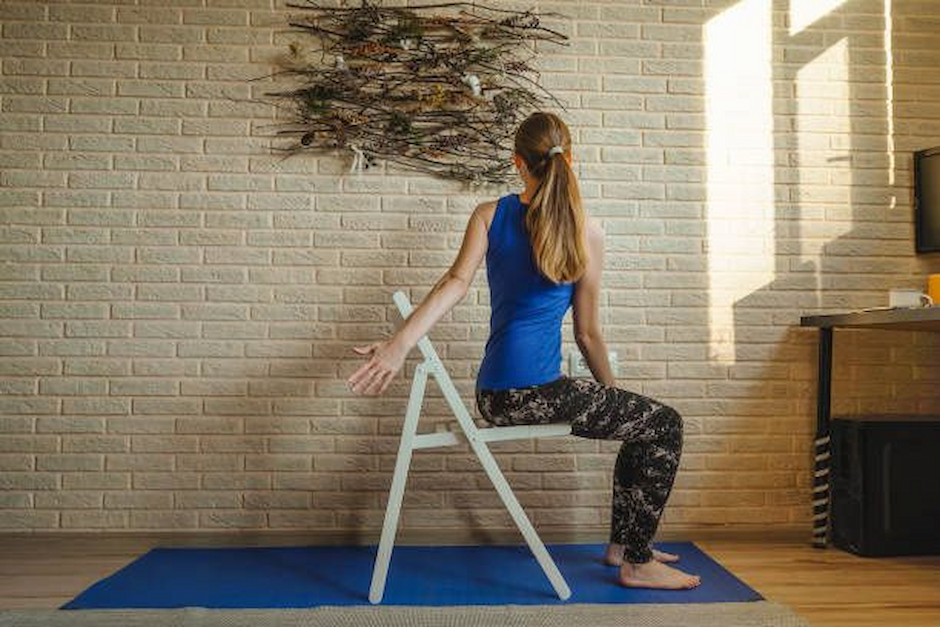
Yes, using supportive blocks or chairs removes pressure from your cervical spine, keeping your neck safe from strain.
Honoring Your Body’s Need for Rest and Recovery
Listening to your body’s warnings is the most mature way to build a healthy, lifelong relationship with yoga. Understanding when should you not do yoga helps you avoid setbacks and ensures your mat remains a place of healing. Treat your joints with kindness, support your recovery with gentle breathing, and remember that resting is a vital part of staying strong.
Outdoor Yoga Chennai remains a committed guide for mindful health education, offering supportive outdoor beach sessions and clear online instruction. We welcome you to step onto your mat with awareness, protect your structural alignment, and respect your personal limits every day. Explore our gentle beginner programs today to start building a safe, sustainable practice that supports your long-term health.



Leave a Comment