
Table of Contents
What Should Beginners Know Before Starting Yoga
Starting a yoga journey is a bit like learning a new language—one that is spoken by your muscles, your breath, and your nervous system. Many beginners in cities like Chennai walk into their first session with a mix of excitement and “flexibility-anxiety.” They see images of advanced practitioners in complex inversions on the Besant Nagar sands and wonder, “Do I really belong here?”
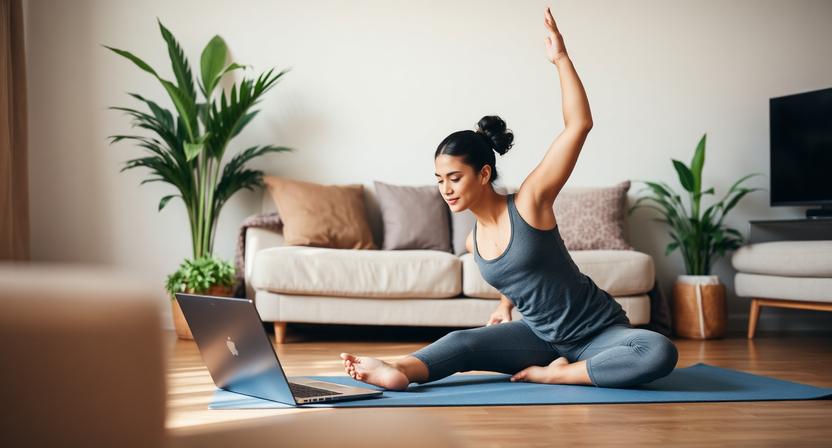
The most important thing to understand before starting is that yoga is not a performance; it is a practice. Whether you are joining a live online yoga class from your home in OMR or attending an outdoor session, you aren’t there to compete with the person on the mat next to you. You are there to rediscover your own body. Before you buy the fanciest mat or learn the Sanskrit names for every pose, you should know that yoga is a slow, beautiful process of “undoing”—undoing the tightness in your shoulders, the clutter in your mind, and the expectations you place on yourself.
What is a Yoga Foundation?
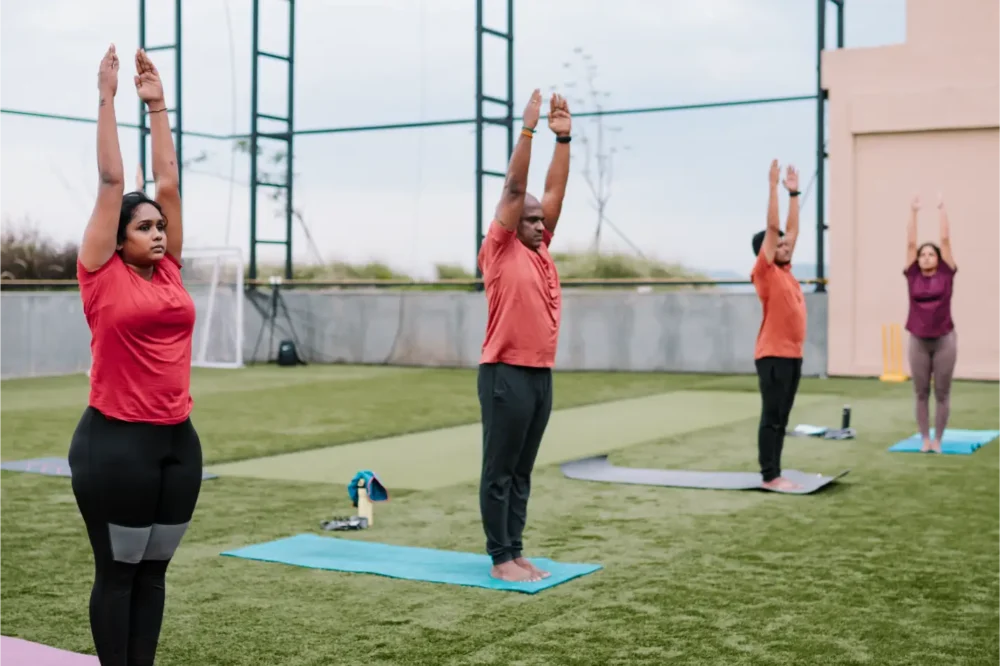
Yoga for beginners is a foundational approach to wellness that introduces basic physical postures (asanas), fundamental breathing techniques (pranayama), and mindfulness practices. It focuses on safe alignment, joint mobility, and establishing a steady breath-to-movement connection to build a sustainable, lifelong health habit.
Why it Matters: More Than Just Stretching
In our fast-paced urban lives, we often operate on “autopilot,” disconnected from our physical sensations until they turn into pain. Understanding the basics of yoga before you dive in matters because it prevents injury and ensures mental longevity. Yoga isn’t just a workout; it’s a “work-in.”
For someone navigating the high-pressure environment of Chennai’s corporate sector, yoga provides a vital tool for stress regulation. It matters because it shifts you from a state of chronic “fight or flight” into “rest and digest.” By knowing what to expect, you remove the barriers of intimidation, making it more likely that you’ll stay consistent long enough to see your life transform.
How it Works: Your First Steps on the Mat
Yoga works through a systematic integration of movement and oxygen. Here is the typical flow of how a beginner’s journey begins:
- Preparation: Arriving on an empty stomach and wearing breathable clothing that allows for a full range of motion.
- Centering: A few minutes of quiet sitting to transition from the “outside world” into your internal space.
- Breath Awareness: Learning to breathe through the nose, which filters air and calms the brain.
- Movement: Gentle sequences like Marjaryasana (Cat-Cow) or Tadasana (Mountain Pose) to warm up the spine.
- Integration: Ending every session with Savasana (Corpse Pose), where the body rests and the brain processes the physical changes.
The Benefits: A Triple-Threat to Stress
Physical: Functional Freedom
Yoga builds “functional strength”—the kind that helps you carry groceries, sit at a desk without pain, and move with agility. Beginners often notice improved digestion and better sleep within just a few weeks.
Mental: The Focus Muscle
By constantly bringing your attention back to your breath, you are training your brain to resist distractions. This translates to better productivity and a reduction in the “brain fog” often caused by digital overload.
Emotional: Resilience
Yoga teaches you how to stay calm in uncomfortable positions. When you learn to breathe through a challenging lunge on the mat, you are unknowingly training yourself to stay calm during a difficult meeting or a Chennai traffic jam.
How Beginners Can Approach Their First Class
Taking that first step can be daunting, but these three approaches make it seamless:
- Seek Beginner-Specific Batches: Don’t jump into an “All Levels” Vinyasa flow immediately. Look for “Hatha for Beginners” or “Foundation” classes where the pace is slower and alignment is explained in detail.
- Communicate with the Teacher: Whether it’s an online yoga class or an in-person session, tell the instructor you are new. A good teacher will offer “modifications”—easier versions of poses to keep you safe.
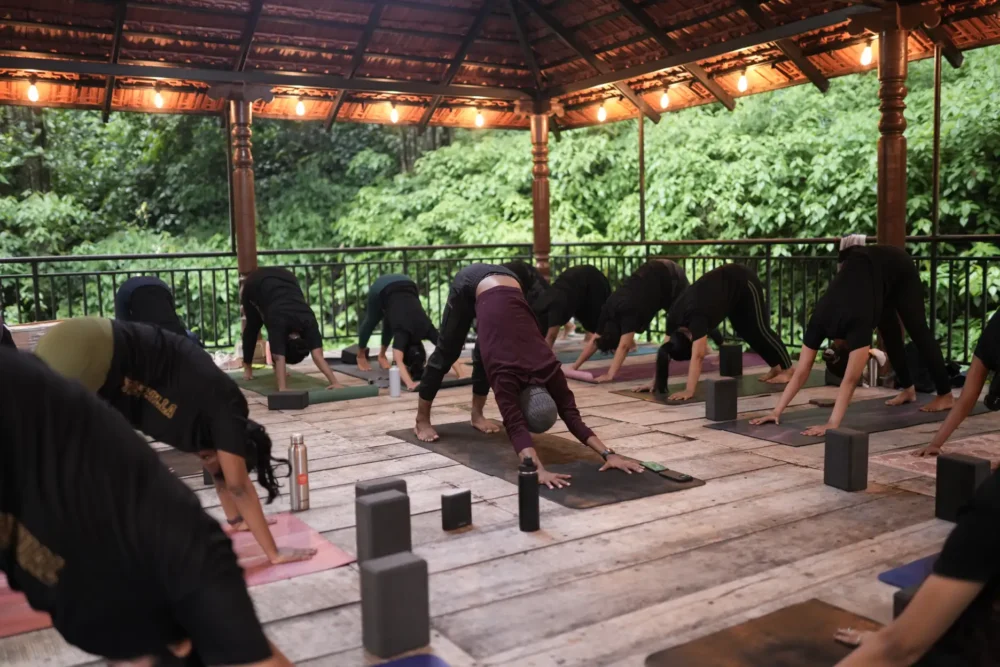
- Invest in the Basics: You don’t need much. A non-slip mat and perhaps two yoga blocks are enough to start. The blocks “bring the floor to you” if you can’t reach your toes yet.
Common Misunderstandings
“I’m not flexible enough for yoga.” Saying you’re too stiff for yoga is like saying you’re too dirty to take a bath. Flexibility is the result of yoga, not the prerequisite.
“It’s a religious practice.” While yoga has roots in Indian philosophy, modern yoga is practiced globally as a secular science of health. It is about your personal relationship with your body and mind.
“I need to be ‘zen’ before I start.” Yoga is the tool that helps you find peace. You don’t need to be calm to start; you just need to show up.
Real-World Scenarios
Scenario A: The OMR Developer
Rohan, a 28-year-old software engineer, suffered from chronic lower back pain. He was hesitant to start because he couldn’t touch his knees, let alone his toes. By starting with a beginner’s online yoga class in Chennai, he learned to use a strap to reach his feet. Within a month, his back pain subsided, and he realized he didn’t need to be “good” at yoga to reap the benefits.
Scenario B: The Busy Parent in Anna Nagar
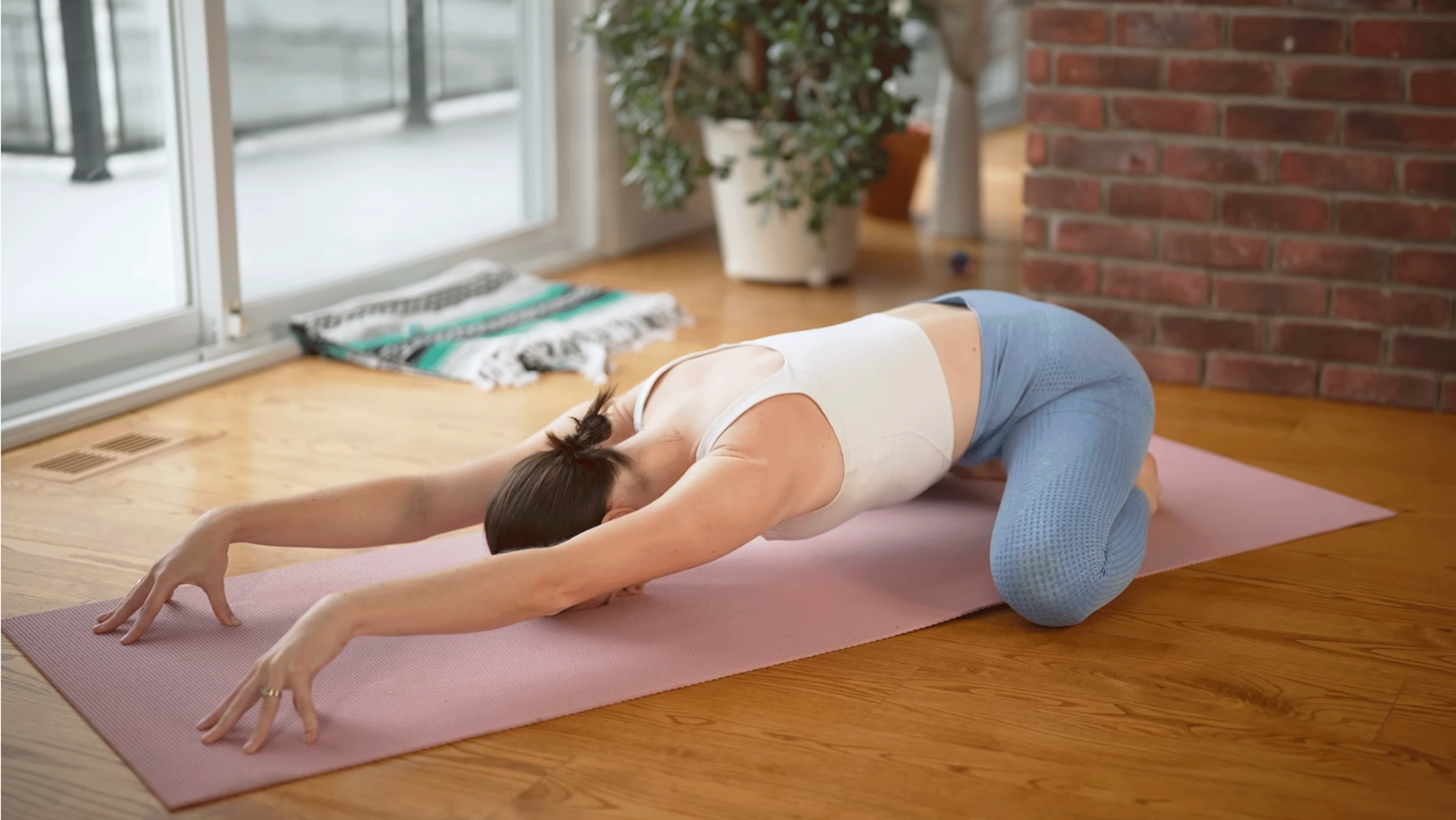
Priya felt she had no time for herself. She joined a weekend outdoor yoga session. By knowing beforehand that it was okay to take “Child’s Pose” (rest) whenever she felt tired, she didn’t feel pressured to keep up with more experienced students. This lack of pressure was exactly what she needed to make yoga a permanent habit.
Practical Tips for Your First Week
- Arrive Early: 10 minutes before class allows you to settle in and talk to the teacher.
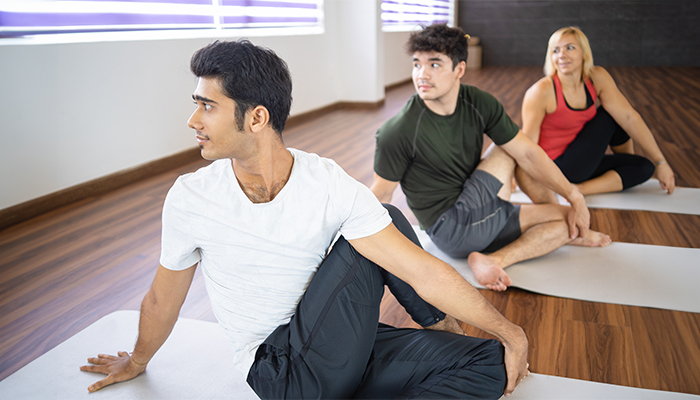
- Empty Stomach: Avoid heavy meals for at least 2–3 hours before practice to avoid discomfort during twists.
- Hydrate Afterward: Drink plenty of water after class to help flush out toxins released during the movement.
- Consistency Over Intensity: 15 minutes of daily practice is better than one 90-minute session a week.
FAQs
1. What should I wear to my first yoga class? Wear comfortable, stretchy leggings or shorts and a t-shirt that isn’t too baggy (so it doesn’t fall over your face during forward folds).
2. How often should a beginner do yoga? Starting with 2–3 times a week is ideal. This gives your muscles time to recover while building the neurological habit.
3. Is it okay to eat before yoga? It’s best to practice on an empty stomach. If you’re starving, a small piece of fruit 45 minutes before is okay.
4. Do I need to know Sanskrit names? Not at all. Most teachers in Chennai use both English and Sanskrit. You’ll pick it up naturally over time.
5. Can I do yoga if I have an injury? Yes, but you must inform your teacher. Yoga can be highly therapeutic, but only if poses are modified to protect your injury.
6. Is online yoga good for beginners? Yes, especially live online classes where the teacher can see your camera feed and give you verbal corrections in real-time.
7. Should I do yoga every day? While you can, beginners should listen to their bodies. Daily gentle movement is great, but intensive sessions require rest days.
8. Is outdoor yoga better than a studio? Outdoor yoga (like on a beach or in a park) offers fresh air and Vitamin D, which can enhance the wellness experience, though studios offer more controlled environments.
Conclusion: The First Breath of a New Life
Yoga is a journey that begins with a single, conscious breath. As a beginner, your only job is to stay curious and be kind to yourself. You will have days where you feel “clunky” and days where you feel “fluid”—both are part of the process.
In the heart of Chennai, amidst the noise and the salt air, your yoga mat is a space of total freedom. It is the one place where you don’t have to be a boss, a parent, or an expert. You just have to be you. Welcome to the mat; your body will thank you.

Leave a Comment