
Table of Contents
Which yoga is most popular in India?
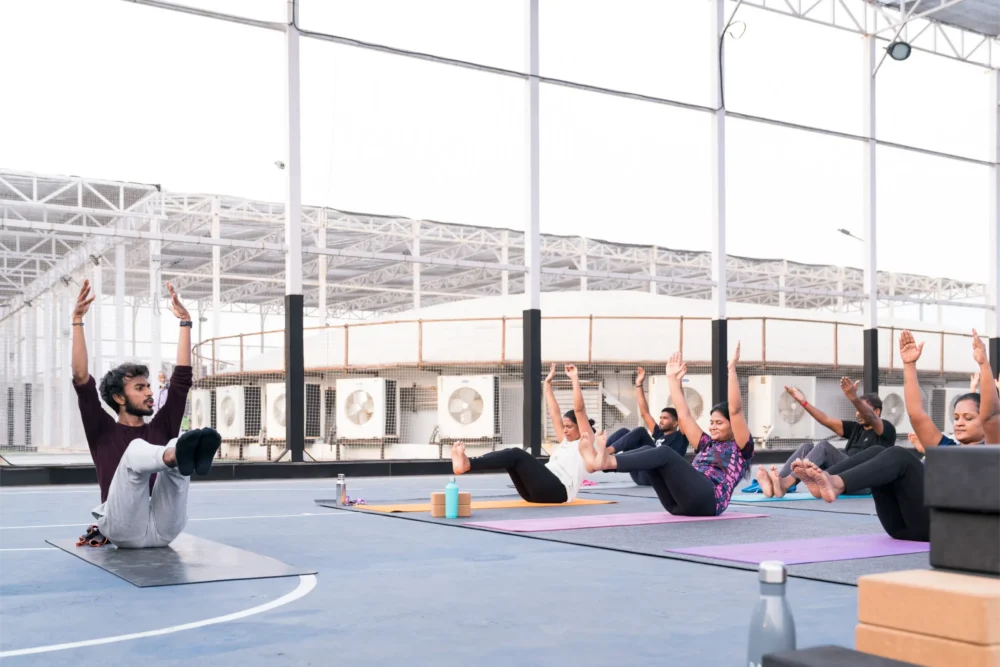
India is the cradle of yoga, a land where spiritual heritage meets a fast-paced digital future. If you are asking “Which yoga is most popular in India?”, the answer isn’t a single style, but a beautiful tapestry of traditions. While the West often leans toward “Power Yoga” as a workout, India remains deeply rooted in Hatha Yoga. It is the foundational practice that billions rely on for holistic health, balance, and mental peace.
In 2026, the popularity of yoga in India has shifted toward a “back-to-basics” movement. While trendy variations occasionally surface in metro hubs like Chennai and Bengaluru, the majority of practitioners—from the banks of the Ganges to the shores of Besant Nagar—prefer the rhythmic, steady pace of Hatha and its therapeutic offshoots. This popularity is driven by a collective desire to manage modern stress through ancient precision. Whether it is a sunrise session in a public park or a live virtual class, the most popular yoga in India is the one that prioritizes the breath as much as the bone.
What is Hatha Yoga?
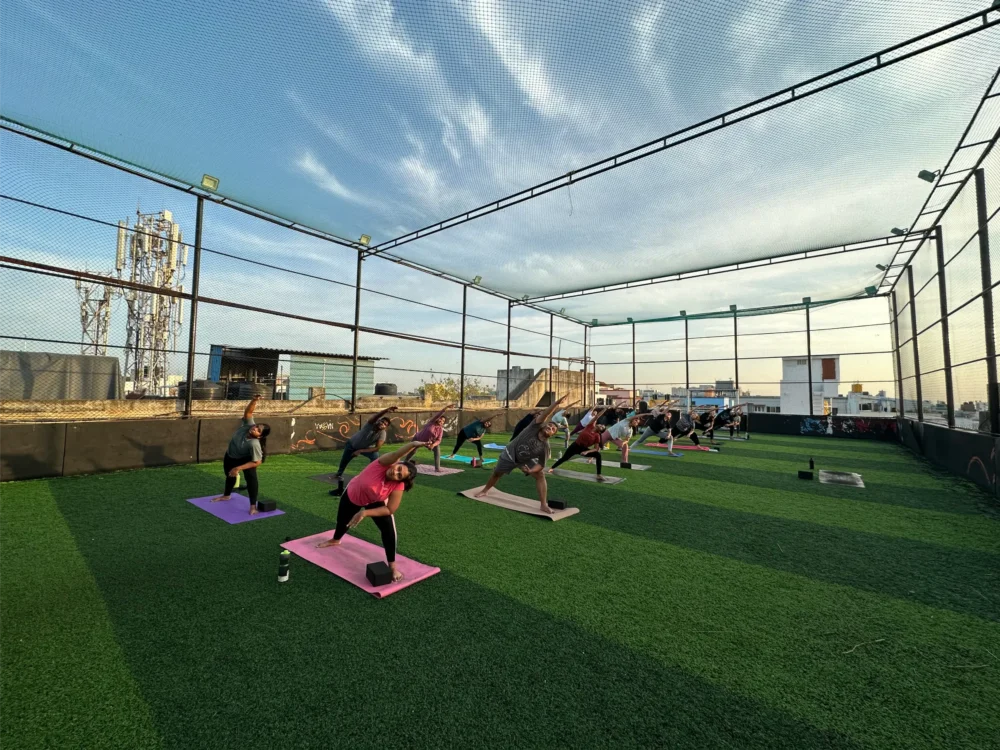
Hatha Yoga is the most popular and foundational style of yoga practiced in India. It focuses on balancing the body and mind through a combination of physical postures (asanas), purification techniques (shatkarma), and controlled breathing (pranayama), aiming to prepare the body for deeper meditation and spiritual growth.
Why it Matters: The Soul of Indian Wellness
Understanding which style dominates the Indian landscape matters because it reflects the culture’s approach to health. In India, yoga is rarely viewed as just “gymnastics.” It is viewed as Sadhana—a disciplined practice for self-realization.
For a professional navigating the corporate intensity of Chennai’s IT corridor, the popularity of Hatha Yoga offers a vital “slow-down” mechanism. It matters because it provides a roadmap for aging gracefully, managing lifestyle diseases like diabetes or hypertension, and maintaining emotional equilibrium in a high-density urban environment. Choosing the “most popular” style often means choosing the one with the most robust community support and qualified instructors.
How it Works: The Structure of an Indian Yoga Session
The most popular yoga practices in India typically follow a “balanced flow” rather than a chaotic workout. Here is how a standard Hatha-based session generally unfolds:
- Centering (Invocation): Beginning with a few minutes of silence or a simple chant to disconnect from the external world.
- Pranayama (Breath Work): Techniques like Kapalbhati or Anulom Vilom to energize and purify the respiratory system.
- Sukshma Vyayama (Warm-ups): Gentle movements of the joints to prevent injury.
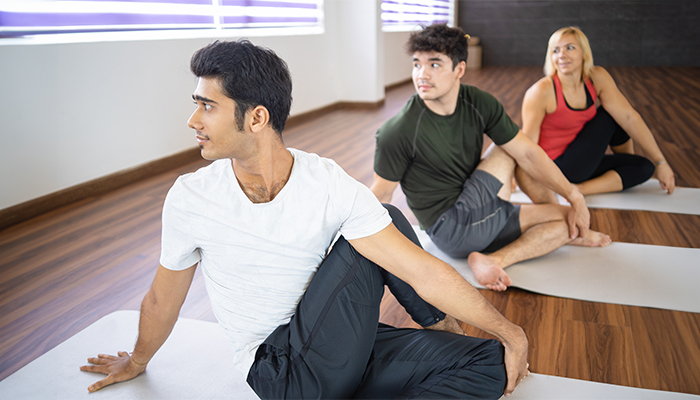
- Asanas (Postures): A series of standing, seated, and inverted poses held for several breaths to build strength and flexibility.
- Relaxation (Savasana): A deep rest to allow the nervous system to integrate the benefits of the practice.
The Benefits: Why Hatha Reigns Supreme
Physical: Structural Integrity
Because Hatha Yoga emphasizes holding poses, it builds exceptional isometric strength. It corrects the postural imbalances caused by our “screen-time” culture, particularly relieving chronic neck and back pain common in urban India.
Mental: Cognitive Clarity
The heavy focus on Pranayama in popular Indian styles increases oxygen flow to the brain. This results in better decision-making, improved memory, and a significant reduction in the “brain fog” associated with burnout.
Emotional: Stress Resilience
By stimulating the parasympathetic nervous system, Hatha Yoga lowers cortisol levels. Practitioners find they are less reactive to daily stressors, such as traffic congestion or workplace pressures, fostering a sense of inner “unshakability.”
How Beginners Can Approach It
If you are just starting your journey in Chennai or any part of India, the popularity of Hatha makes it very accessible:
- Find a “Foundation” Class: Most studios offer Hatha for beginners. Don’t feel pressured to join a fast-paced flow until you understand alignment.
- Focus on the Breath: In India, if you aren’t breathing correctly, it isn’t yoga. Prioritize the breath over how deep you can go into a stretch.
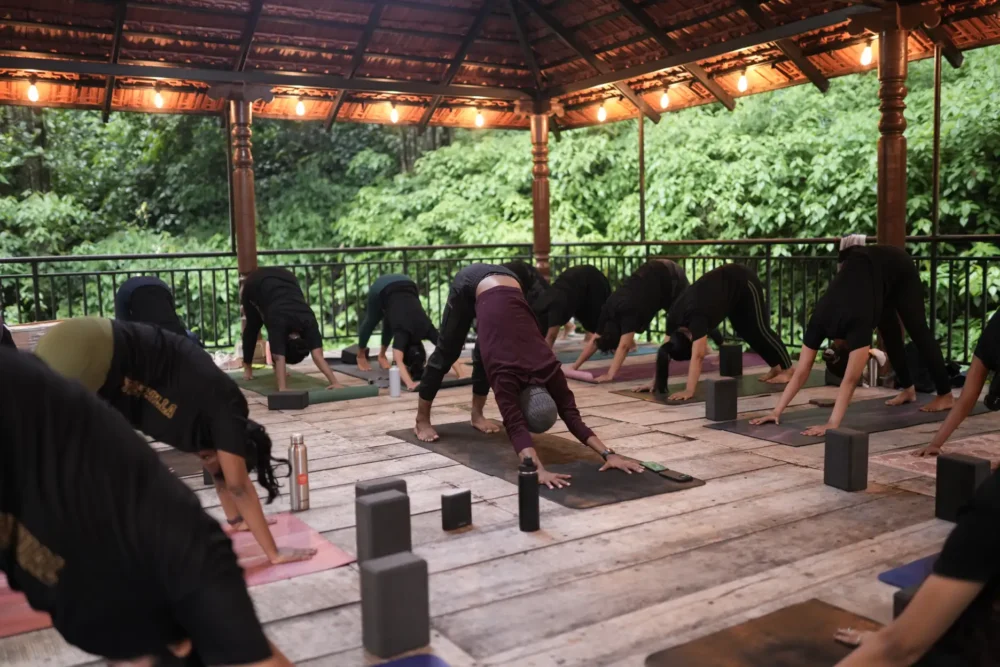
- Join a Local Community: Whether it’s an outdoor yoga session in Chennai or a local neighborhood group, the social support of a “Sangha” (community) helps with consistency.
Common Misunderstandings
“Yoga is only for the flexible.” Flexibility is a side effect of yoga, not a requirement. In India, people of all body types and ages practice because the goal is internal balance, not a perfect “pose.”
“Is Hatha Yoga too slow for weight loss?” While slower, the long holds and metabolic stimulation are highly effective for sustainable weight management and hormonal balance, which are key to long-term health.
“You have to be religious to do yoga.” While yoga has spiritual roots, the most popular styles practiced in India today are viewed as secular sciences of health and well-being.
Practical Tips for Your Practice
- Early Morning is Best: Practicing during Brahma Muhurta (before sunrise) is traditional and most effective for mental peace.
- Practice on an Empty Stomach: Leave at least 2–3 hours after a meal before stepping on your mat.
- Wear Natural Fabrics: Cotton clothing is ideal for the Indian climate to allow the skin to breathe during practice.
- Stay Hydrated: Drink water after your practice, not during, to keep the internal heat (Agni) active.
Real-World Scenarios
Scenario A: The Chennai Banking Executive
Rajesh, a 45-year-old bank manager, struggled with high blood pressure. He chose Hatha Yoga—the most popular style in his neighborhood. By focusing on slow asanas and deep Pranayama, he saw a significant drop in his stress markers within three months. The “slow” pace was exactly what his high-speed life needed.
Scenario B: The Young Creative in Indiranagar
Ananya felt disconnected from her body due to long hours of digital work. She joined an online yoga class in India that blended Hatha with gentle Vinyasa. The structured, popular approach gave her the physical movement she craved while providing the mental grounding she didn’t know she lacked.
FAQs
1. Is Hatha Yoga the same as Power Yoga? No. Hatha is slower and focuses on individual pose alignment and breath. Power Yoga is a faster, fitness-focused offshoot of Ashtanga Yoga.
2. Why is Hatha Yoga so popular in India? It is popular because it is inclusive. It can be practiced by an 8-year-old or an 80-year-old and addresses the root cause of lifestyle diseases prevalent in India.
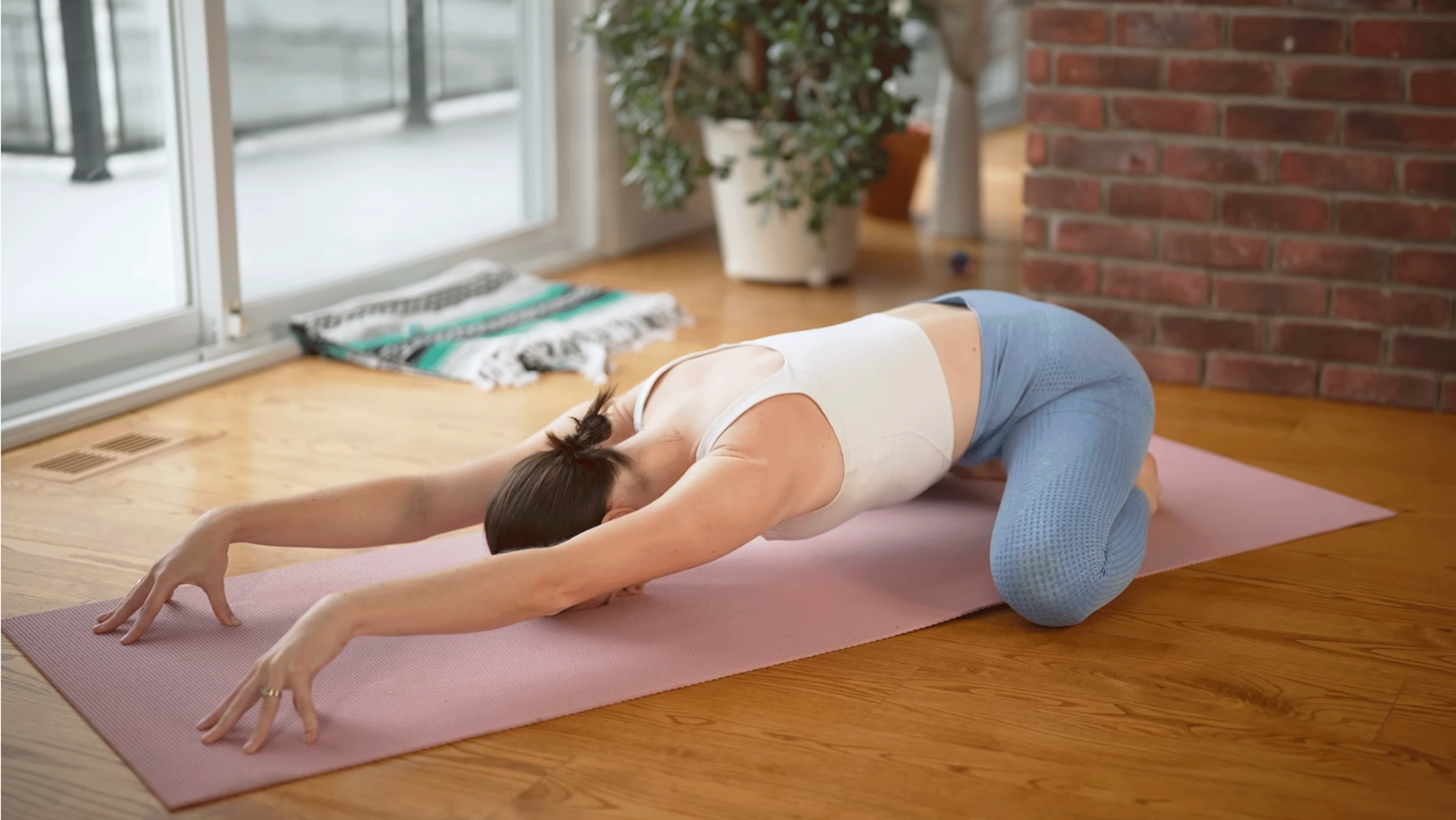
3. Which yoga is best for stress relief? Most Indians find Hatha or Restorative Yoga best for stress, as they emphasize the “rest and digest” function of the nervous system.
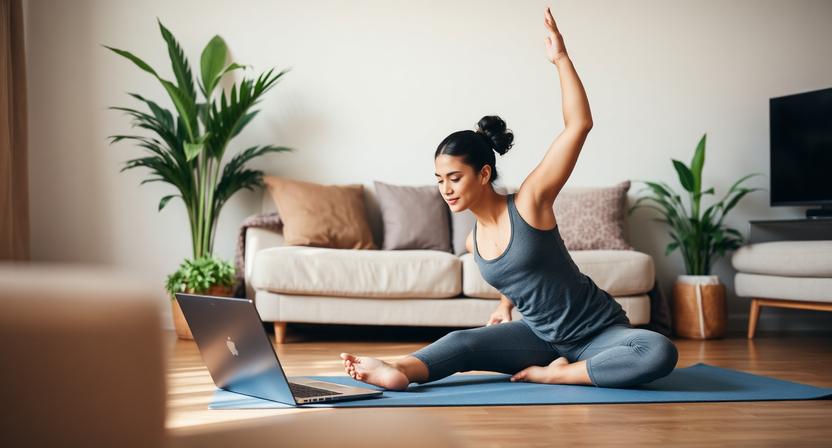
4. Can I learn the most popular yoga styles online? Yes, live online yoga classes in India are now a major way people access authentic instruction from top teachers in Chennai and other hubs.
5. How many times a week should I practice? For beginners, 3 to 4 times a week is ideal to see the physical and mental benefits of Hatha Yoga.
6. Is Vinyasa yoga popular in India? Yes, Vinyasa is very popular among the younger urban population in cities like Chennai and Mumbai who seek a more cardio-intensive flow.
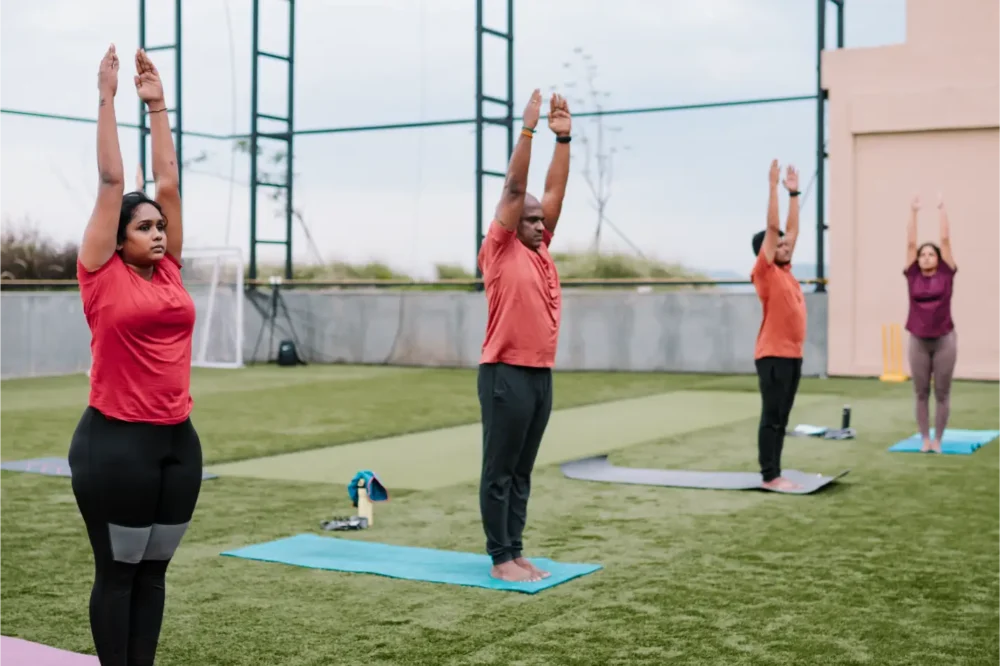
7. Should I do yoga in a park or a studio? Both are popular. Parks (like Cubbon Park or the Besant Nagar beach) are great for fresh air, while studios provide a more controlled environment for focused learning.
8. Do I need to be a vegetarian to practice yoga in India? While many practitioners follow a Sattvic (vegetarian) diet to enhance their practice, it is not a mandatory requirement to start or enjoy the benefits.
Conclusion: Finding Your Flow
The question of “Which yoga is most popular in India?“ eventually leads to a personal discovery. While Hatha Yoga holds the crown for its accessibility and depth, the “best” yoga is the one you can show up for every single day.
In the humid mornings of Chennai or the cool evenings of the North, millions of people are rolling out their mats. They aren’t just looking for a workout; they are looking for themselves. Whether you choose the traditional path of Hatha or the dynamic flow of Vinyasa, you are joining a lineage of wellness that has sustained a civilization for millennia. Start today, breathe deeply, and let the most popular practice in the world change your life.

Leave a Comment