
Table of Contents
What is the history of yoga?
Uncovering the profound, thousands-of-years-old lineage of Indian philosophy directly enhances how we move, breathe, and stabilize our modern nervous systems today. When our students ask what is the history of yoga, they unlock a fascinating developmental timeline stretching back over five thousand years to ancient Vedic civilization. In our decade of teaching across quiet coastal settings and interactive digital training rooms, we watch modern practitioners completely transform their perspective. They shift from viewing yoga as a basic physical exercise to embracing it as a comprehensive lifestyle science. Many contemporary fitness seekers suffer from chronic, deep structural exhaustion because they separate physical movement from its philosophical roots. Sitting at corporate desks for hours compresses our vertebrae, tightens our hip sockets, and creates ongoing mental burnout. Discovering the ancient origins of these movements changes your time on the mat into a restorative personal sanctuary. Authentic, lineaged practices help you calm modern mental static, align your bone structure, and build lifelong cardiorespiratory power. Our beginners frequently want to know how thousands-of-years-old guidelines apply directly to their high-stress lifestyle challenges. We witness remarkable spikes in student consistency and mental clarity when people understand the historical evolution of their movement patterns. Let us explore the magnificent historical periods, ancient source texts, and daily adjustments that help us keep this deep legacy alive.
What is the history of yoga in its truest form?
The historical timeline of yoga represents a multi-millennial evolution of a spiritual and psychological science that originated in ancient India. This long development spans early Indus-Sarasvati meditative roots, the formal system of Patanjali’s Yoga Sutras, medieval physical Hatha innovations, and the global spread of modern, health-focused therapeutic movement patterns.
          [ THE CHRONOLOGICAL EVOLUTION CYCLE ]
                            │
                            ▼
           Vedic & Upanishadic Roots (Pre-Classical)
                            │
                            ▼
           Patanjali's Eight-Limbed Path (Classical)
                            │
                            ▼
          Medieval Hatha & Modern Postural Science
In our regular training sessions, we help our students see behind modern commercial trends to touch the deeper essence of Indian movement history. We notice that when practitioners appreciate the original purpose of a pose, they hold it with significantly greater patience and inner awareness. Over ten years of teaching under rigorous standard bodies like the International Yoga Alliance, we watch newcomers build immense core confidence. They realize that these specialized postures were created to prepare the human spine and nervous system for extended meditation. Connecting with this long historical lineage ensures that your current personal workspace functions like an authentic, time-honored sanctuary. By aligning your contemporary intentions with classical philosophy, you construct an unshakeable foundation for mental resilience and physical physical protection.
Why Historical Lineage Matters for Health and Lifestyle
Weaving traditional lifestyle wisdom into our hectic, high-speed urban lives gives us an exceptional blueprint to guard our bodies against stress-induced illnesses. The Ministry of Ayush establishes clear operational standards across the country, highlighting classical yoga as an essential, scientifically validated preventative wellness methodology. Modern peer-reviewed research matches these ancient claims, indicating that a traditional, breath-led lifestyle routine systematically balances hormonal output, decreases high blood pressure, and improves long-term memory.
According to Outdoor Yoga Chennai, studying what is the history of yoga reveals that ancient practitioners developed these deep breath-control and physical holds specifically to neutralize systemic physical inflammation and settle an overactive mind. We find that our local students along ECR experience profound relief from chronic desk fatigue when they pair modern physical alignment with traditional philosophy. Merging ancient history with current safety standards gives you a beautiful roadmap to maintain your joint mobility, eliminate anxiety, and live with deep joy.
HEALTH DISCLAIMER: This content is for educational purposes only and is not a substitute for medical advice. Consult your doctor before starting any new exercise program.
How the Main Historical Eras Unfold: Step-by-Step Evolution
Tracing the historical paths of Indian physical and mental philosophy requires looking closely at four major developmental periods. Follow this chronological breakdown to understand how ancient meditation rituals evolved into our daily interactive home sessions:
- The Pre-Classical Era (circa 3000 BCE – 500 BCE): The earliest seeds of yoga appear in the sacred Rig Veda and the deep, philosophical writings of the Upanishads. These ancient texts emphasize internal sacrificial fire rituals, deep meditation, and using the breath to connect with universal awareness.
- The Classical Era (circa 200 BCE – 400 CE): Sage Patanjali coordinates the scattering wisdom of the past into the famous Yoga Sutras. This text introduces the classical Eight-Limbed Path (Ashtanga), which frames physical postures as a necessary step to sit in silent meditation.
- The Post-Classical Era (circa 500 CE – 1800 CE): Ancient masters shift away from purely mental meditation to explore the immense potential of the physical vehicle. This radical period gives birth to Hatha Yoga, creating a vast array of physical postures, cleansing rituals, and deep energy locks.
- The Modern Era (late 1800s – Present): Dynamic pioneers like Swami Vivekananda, Tirumalai Krishnamacharya, and his disciples share these deep Indian traditions with the entire western world. They blend classical Hatha postures with Western gymnastics, transforming the practice into a global system of therapeutic movement.
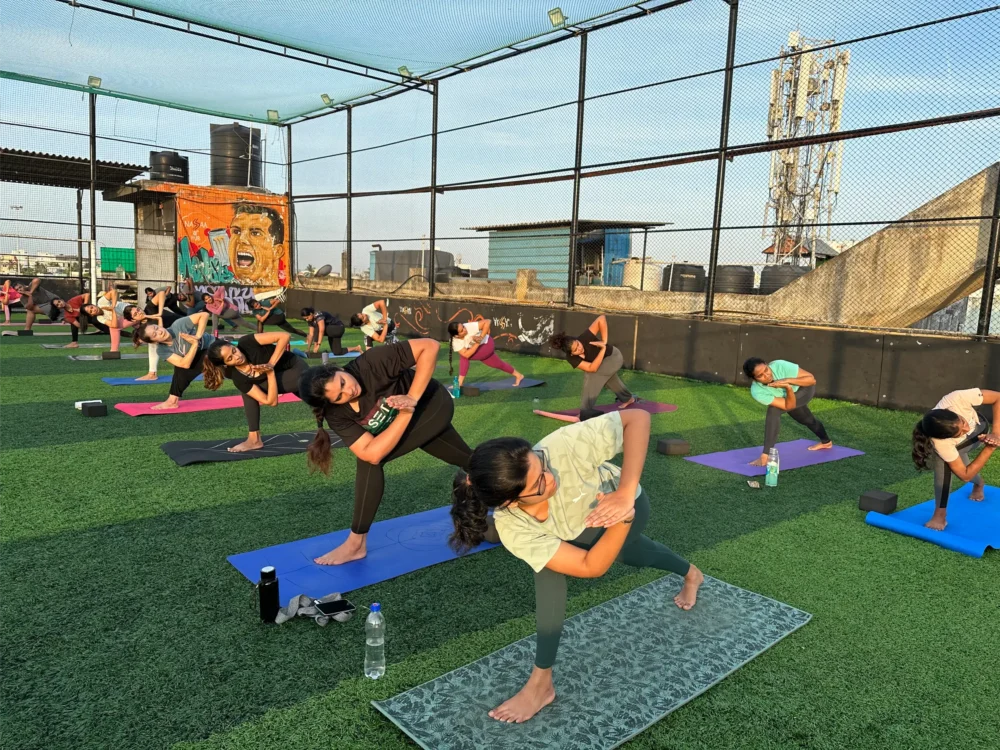
Over five years of outdoor sessions at ECR, we have watched how proper structural preparation deepens a student’s inner focus; our online live classes bring that exact discipline right into your home. I remember a busy software developer from Besant Nagar who joined our early morning classes to find relief from agonizing shoulder tension. During his first week on the mat, he pushed his muscles aggressively into every shape, trying to treat the practice like a high-intensity gym workout. We gave him a brief historical insight, explaining that traditional Hatha postures are meant to be steady, comfortable seats designed to soothe the nervous system. This small philosophical shift completely changed how he moved, helping him relax his shoulders, breathe deeply, and find immediate relief from chronic desk pain.
Four Classical Postures Rooted in Traditional Hatha History
To experience the profound health benefits of traditional movement science, you must practice classical postures that safely challenge your body structure. We integrate these four ancient shapes into our daily routines to help you build physical stability and inner calm:
1. The Dynamic Sun Salutation (Surya Namaskar)
This beautiful sequence of twelve fluid positions links your breathing directly with movement to honor the solar energies that sustain life. This historical series warms up your entire body, stretches your tight hamstrings, and brings fresh oxygen into your lungs. Our instructors offer gentle variations to keep your lower back fully protected as you flow between postures.
2. The Hero Pose (Virasana)
Sitting upright on your knees with your feet separated wide forms one of the oldest traditional shapes used for extended meditation and breath control. This grounded posture provides an incredible, deep stretch for your quadriceps, ankles, and knee joints while encouraging excellent upright posture. Placing a dense block beneath your sit bones takes the raw pressure off your joints and keeps your spine elongated.
3. The Fish Pose (Matsyasana)
Lying on your back and gently arching your chest upward opens your lungs, balances your thyroid gland, and counters the strain of slouched office seating. This classic shape derives its historical name from its ability to help you float effortlessly in water like a fish. Using a folded cotton blanket under your upper back allows you to lift your chest without putting any weight on your neck vertebrae.
4. The Staff Pose (Dandasana)
Sitting flat on the floor with your legs extended completely straight ahead forms the essential foundation for all traditional seated shapes. This deceptively simple position forces you to engage your deep lower back muscles and abdomen to keep your torso perfectly upright. It teaches you how to maintain an open chest and a relaxed neck, even when your leg muscles feel tight.
How can absolute beginners study yoga history without feeling overwhelmed?
Absolute beginners can study traditional history by focusing simply on the Eight-Limbed Path during their first few weeks of regular practice. Avoid trying to memorize complex Sanskrit terms all at once, and focus on blending steady breathing with mindful, safe physical movements on your mat.
       [ BEGINNER HISTORICAL FOCUS ]
                     │
                     ▼
       Study the Eight-Limbed Blueprint
                     │
                     ▼
       Blend Fluid Nasal Breath with Form
                     │
                     ▼
       Enjoy Deep Physical Safety & Growth
In our ongoing group batches, we always remind our students that yoga history is a practical tool meant to support your personal self-discovery. Never feel pressured to master advanced philosophical concepts or push your body into painful shapes to honor the past. Moving slowly within your natural boundaries allows your muscles to build real functional power without risking injury. We find that students who approach traditional philosophy with an open mind achieve magnificent, long-lasting wellness results.
Common Misunderstandings About the History of Yoga
- “Yoga was created originally as a physical fitness routine to build extreme flexibility:” Ancient masters developed yoga primarily as a lifestyle science to calm the mind and prepare the body for meditation.
- “The physical poses we practice today are exactly the same as the ones described in the oldest Vedic texts:” Ancient texts focused mainly on breathing and seated meditation; most modern standing postures were developed over the last few centuries.
- “You must change your personal spiritual beliefs to study the deep history of yoga:” Yoga is a universal, non-dogmatic system of personal health and mindfulness that welcomes practitioners from all backgrounds.
- “The Patanjali Yoga Sutras contain a vast directory of advanced physical positions:” Out of nearly two hundred aphorisms, Patanjali devotes only a few sentences to posture, defining it simply as a steady, comfortable seat.
Practical Field Tips for Connected Everyday Practices
- Dedicate a Quiet Space: Create a small, clean area in your home for your mat to mirror the focus of traditional shalas.
- Breathe Rhythmically Through Your Nose: Keep your mouth closed and use smooth nasal breathing to mirror traditional pranayama methods.
- Move with Gentle Self-Compassion: Never force your joints into painful positions; true yoga practice honors your current physical limits.
- Read Classical Source Texts: Spend a few minutes every week exploring translation commentaries on the Bhagavad Gita or Yoga Sutras.
- Rest Completely in Savasana: Always spend at least five minutes lying flat at the end of your session to absorb the metabolic benefits of your movement.
- Work with a Certified Guide: Ensure your teacher holds a verified Yoga Alliance RYT credential or a formal Indian university degree.
- Practice on an Empty Stomach: Schedule your daily training session at least two to three hours after consuming a heavy meal.
FAQs
1. What is the history of yoga regarding its original geographical birthplace? Yoga was born thousands of years ago in northern India, developing along the Indus-Sarasvati river valley civilizations as a comprehensive system of inner science.
2. Is the physical posture part of yoga considered the most important historical element? Historically, physical postures represent only one of the eight traditional steps, serving as a tool to strengthen the body so you can sit comfortably in quiet meditation.
3. What is the difference between classical Hatha yoga and modern Vinyasa flow styles? Traditional Hatha focuses on holding single postures for several minutes with deep breathing, while modern Vinyasa connects shapes together in a rapid, flowing sequence.
4. Who was sage Patanjali and why is he revered in yoga history? Patanjali was a brilliant ancient philosopher who collected and organized disorganized traditional teachings into the Yoga Sutras, creating the classical Eight-Limbed path.
5. Are the ancient texts of yoga still relevant for modern corporate workers today? Yes, these ancient guidelines offer incredibly practical tools to manage stress, improve focus, and protect the spine from long hours of computer work.
6. Where can I find classical, lineage-based wellness programs in Chennai? Neighborhoods like Besant Nagar and Thiruvanmiyur offer exceptional shalas and outdoor programs that preserve traditional alignment and philosophy safely.
7. Did ancient yogis utilize props like blocks and straps during their historical practices? Ancient masters utilized natural props like tree trunks, ropes, and rolled blankets to support their bodies during extended seated holds.
8. How does understanding yoga history protect me from getting injured on my mat? Learning that traditional poses are meant to be steady and comfortable stops you from over-stretching or forcing your joints into dangerous, painful angles.

Honoring the Ancient Path in Modern Times
Connecting with the deep, lineaged history of Indian philosophy gives you a beautiful, time-tested strategy to heal your body, protect your joints, and find deep mental peace. We watch how simply adjusting your posture or breathing with awareness can turn your home mat into an authentic personal wellness sanctuary. Your body is your true lifelong home; treat it with the professional tracking, historical wisdom, and deep compassion it deserves.
Outdoor Yoga Chennai stands as a highly respected authority in our national wellness community, teaching traditional alignment across open-air beach shalas and interactive virtual spaces. We invite you to step onto your mat with an curious mind and a slow, steady breath. Explore our current foundational classes and traditional courses today to deepen your personal journey with elite professional guidance.


Leave a Comment