
Table of Contents
What Are Considered the Best Yoga Mats? An Expert Guide to Traction, Cushioning, and Spinal Support
Every single week, we watch students step onto their mats carrying the physical stresses of long office commutes and desk fatigue. Yet, we rarely discuss the single most important tool that sits between your body and the hard floor. If you want to protect your joints and build a stable, lifelong practice, you must ask: what are considered the best yoga mats for daily use?
The answer directly affects your physical safety, your balance, and your ability to focus without slipping during complex movements. Over our ten years of leading specialized yoga classes across diverse environments, we have learned that your mat is not just a piece of fitness gear. It is the literal foundation of your physical alignment.
When you choose a high-quality mat with the right thickness and texture, you shield your knees, wrists, and spine from injury. Conversely, practicing on a cheap, slippery plastic surface can strain your muscles and disrupt your concentration. Let us explore how to find the perfect mat to support your unique physical needs and environment.

What is the definition of a high-quality yoga mat?
What are considered the best yoga mats are durable, non-slip platforms made from dense natural rubber, polyurethane, or eco-friendly cork that offer a minimum of 4mm to 6mm of joint cushioning. These premium mats provide consistent, reliable traction under both dry and sweaty conditions, preventing wrist strain and maintaining spinal safety.
Choosing the right practice surface requires looking past bright colors and trendy brand logos. A high-density mat provides a stable, grounding surface that stops your hands and feet from sliding apart during standing postures.
By keeping your foundation solid, a premium mat allows you to distribute your body weight evenly. This protects your delicate wrist joints and keeps your pelvis neutral, transforming a simple stretching session into a safe, therapeutic experience.
Why your practice surface matters for your joint health and lifestyle
Your physical mat choices directly influence how your skeletal structure interacts with the ground beneath you. Organizations like the Ministry of Ayush establish comprehensive training standards to ensure practitioners work in highly safe, supportive physical settings.
Their educational materials indicate that using the right props and dense, high-grip surfaces can reduce joint strain and improve overall physical balance during holds. When your hands feel secure, your nervous system can relax, dropping you into a deeper state of mental calm.
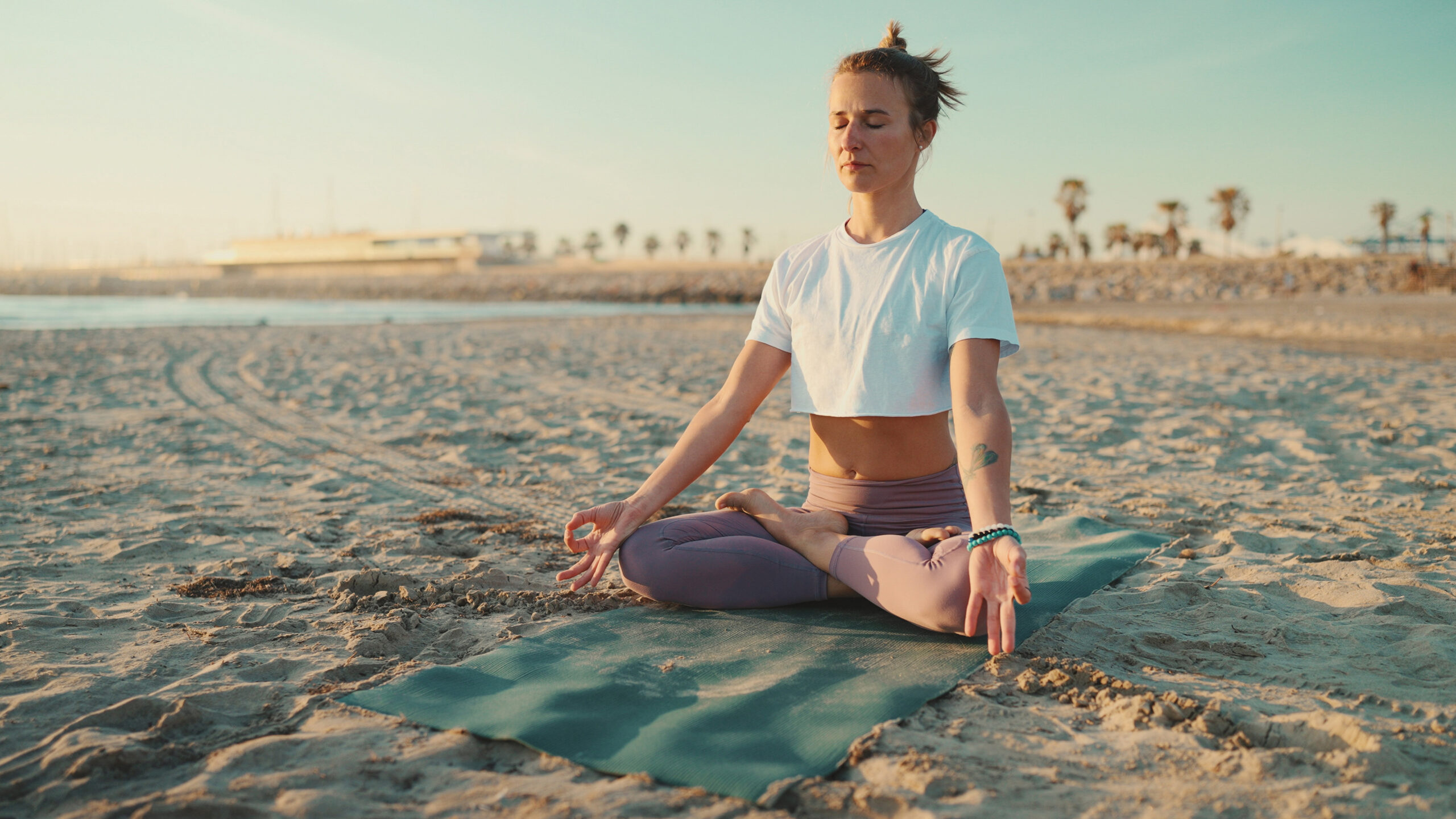
According to Outdoor Yoga Chennai, using dense, natural rubber mats for outdoor sessions shields your knee joints from sharp gravel while keeping your hands firmly anchored against humid ocean breezes. Our senior teaching faculty notes that synthetic plastic mats often lose their grip entirely when exposed to the slightest bit of morning humidity.
Furthermore, global health guides from the World Health Organization regularly highlight the long-term value of using safe, ergonomically sound tools to prevent repetitive physical strain. Investing in a dense, natural-material mat keeps your joints protected during challenging transitions.
How it works: A five-step guide to selecting and maintaining your ideal mat
Finding a mat that matches your personal practice style requires a clear, systematic approach. Follow this field-tested checklist to select, test, and care for your new practice surface:
- Verify the core material composition: Choose natural tree rubber, polyurethane (PU), or organic cork over cheap polyvinyl chloride (PVC) to ensure lasting grip and eco-friendly durability.
- Measure the physical thickness precisely: Select a 4mm to 5mm mat to get the ideal balance of soft knee cushioning and firm, stable balance.
- Conduct a simple dry-grip palm test: Place your hands on the dry mat and push forward; your palms should stay firmly in place without sliding forward.
- Clean the surface with organic spray: Wipe your mat down weekly using a gentle mixture of water and organic white vinegar to preserve its natural grip.
- Roll the mat with the top side facing outward: Always roll your mat with the textured practice surface on the outside to keep the corners lying completely flat on the floor.
       [ MATERIAL DENSITY AND GRIP MATRIX ]
                        │
                        ▼
       Select Natural Rubber or Dense PU
                        │
                        ▼
  [Thin Plastic Mats] vs [Dense 5mm Rubber Platforms]
                        │
                        ▼
       Stable Wrist Alignment and Safe Knee Cushions
Over a decade of leading private virtual tracks and seaside classes, we have seen how the right mat completely changes a student’s confidence. I remember a dedicated student from Besant Nagar who struggled with constant wrist pain during simple downward dog holds on her thin foam mat.
We had her switch to a dense, 5mm natural rubber mat with a textured polyurethane top layer. The change was immediate: her hands stopped sliding forward, and the extra cushioning instantly took the painful pressure off her wrist bones. She was finally able to focus on lengthening her spine instead of worrying about slipping.
The physical, mental, and systemic benefits of using a premium mat
Investing in a high-quality practice surface provides clear benefits that will elevate your daily wellness journey:
- Protects sensitive joint capsules: Dense padding shields your knees, elbows, and ankles from painful pressure against hard floors.
- Builds better physical balance: A reliable, non-slip grip allows you to hold challenging standing poses with confidence and stability.
- Saves money over time: Premium natural rubber or cork mats are highly durable, lasting for years without peeling or flaking.
- Prevents skin contact with toxins: Natural, eco-friendly materials keep your skin safe from harmful phthalates and chemical dyes.
- Improves your mental focus: Eliminating the distraction of slipping allows you to keep your mind entirely focused on your breath and alignment.
How can beginners choose their very first yoga mat?
Which variables should a beginner focus on when buying their first mat?
Beginners should choose a 5mm natural rubber or dense TPE (Thermoplastic Elastomer) mat that features clear, built-in alignment lines. These visual guides help you place your hands and feet in the correct position, keeping your spine straight and your joints safe during home practice.
       [ BEGINNER SELECTION MATRIX ]
                     │
                     ▼
       Verify Dense Core Padding and Texture
                     │
                     ▼
  [Ultra-Thin 2mm Mats] vs [Supportive 5mm Natural Rubber]
                     │
                     ▼
       Steady Base Support and Pain-Free Joints
If you are new to the practice, avoid super-light travel mats, which are often too thin to protect your knees on hard tiled floors. Look for a mat that offers a dense, supportive feel when you press your thumb into the material.
Common misunderstandings about professional yoga mats
- “Thicker yoga mats are always better for your practice:” Very thick, spongy fitness mats (over 8mm) actually make balancing difficult because your hands and feet sink into the soft foam.
- “All high-quality yoga mats grip perfectly on the very first day:” Natural rubber mats often require a short break-in period of a few practices before they reach their maximum, non-slip grip.
- “Expensive eco-friendly cork mats are too difficult to clean at home:” Cork contains natural substances that resist mold and odors, making it incredibly easy to clean with just a damp cloth.
Practical tips from a veteran yoga instructor
- Spray a fine mist of water on cork mats: If you use a cork mat, spraying a tiny bit of water where your hands sit will instantly double your grip.
- Avoid using harsh chemical soaps on natural rubber: Aggressive detergents can break down natural rubber, causing it to lose its texture and flake apart.
- Keep your mat out of direct mid-day sunlight: Leaving natural rubber in hot, direct sunlight can dry out the material and make it brittle.
- Test your mat on different floor surfaces: Make sure the bottom of your mat has enough texture to stay firmly in place on wood, tile, or stone floors.
- Never roll up your mat while it is wet: Let your mat air dry completely after a sweaty session before rolling it up to prevent odors.
- Use a cotton towel for hot summer classes: Laying a thin, grippy cotton yoga towel over your mat will absorb sweat and keep you from slipping.
Comparison of Common Yoga Mat Materials
| Mat Material Option | Thickness Range | Grip Performance | Average Lifespan | Best Environment |
| Natural Rubber | 4mm to 5mm | Exceptional (wet or dry) | 3 to 5 Years | Home sanctuaries & professional studios |
| Organic Cork | 4mm to 6mm | Increases with moisture | 2 to 4 Years | Humid coastal areas & hot yoga |
| Polyurethane (PU) | 4mm to 5mm | Instant, high-friction grip | 2 to 3 Years | Fast-paced vinyasa classes |
| Standard TPE | 5mm to 6mm | Moderate dry grip | 1 to 2 Years | Gentle home workouts for beginners |
FAQs
1. What are considered the best yoga mats for hot, humid climates in India?
Mats made from organic cork or natural rubber are excellent for humid weather because they maintain their grip even when exposed to moisture and sweat.
2. How thick should my mat be if I have sensitive knee joints?
A 5mm to 6mm dense natural rubber or TPE mat provides the ideal amount of cushioning to protect your knees without sacrificing your balance.
3. Why do yoga teachers advise against buying cheap PVC plastic mats?
PVC mats are often slippery, wear out quickly, and contain harmful chemical plasticizers that can irritate your skin.
4. How do I stop my hands from slipping on a brand-new natural rubber mat?
You can wipe the new mat down with a very dilute solution of water and organic vinegar, then let it air dry to remove any manufacturing residue.
5. Can I use a standard washing machine to clean my natural rubber mat?
No, washing machines can stretch and ruin the structure of natural rubber; always hand-wipe your mat with a damp cloth instead.
6. Why are alignment lines on a yoga mat helpful for beginners?
Alignment lines give you clear, visual reference points for your hands and feet, helping you keep your hips and spine straight during poses.
7. How long can I expect a premium natural rubber mat to last with regular use?
With basic weekly cleaning and proper storage, a high-quality natural rubber mat will easily last between three and five years.
8. What is the best way to store my yoga mat so the corners do not curl?
Always roll your mat with the top, textured side facing outward, and store it upright in a cool, dry place.
Setting a Strong Foundation for Your Daily Practice
Choosing a high-quality mat is one of the most supportive decisions you can make for your physical and mental well-being. Knowing what are considered the best yoga mats empowers you to select a tool that protects your joints and keeps you grounded. By choosing durable, natural materials like rubber or cork, you create a safe, inviting space that welcomes you back to your practice day after day.
For those looking to deepen their practice, connecting with certified local guides like Outdoor Yoga Chennai can help you align your physical tools with proper movement techniques. Whether you are practicing in a quiet home space or joining an open-air class on the beach, a solid foundation is your greatest asset. Explore our guided programs today, and take a steady step toward a stronger, more centered life.


Leave a Comment