

Table of Contents
The Gentle Beginning: What is the easiest yoga routine to start with?
Starting a yoga journey in a city as vibrant and fast-paced as Chennai can feel overwhelming. From the busy IT parks in Sholinganallur to the cultural hubs of Mylapore, our lives are filled with movement, but rarely the kind that restores us. If you’ve been searching for the easiest yoga routine to start with, you aren’t just looking for physical exercise; you are looking for a way to reconnect with yourself without the pressure of being “perfectly flexible.”
The direct answer for any beginner is to start with a Gentle Hatha or Restorative sequence that focuses on spinal mobility and deep breathing. You don’t need to touch your toes or balance on your head on day one. A simple 10-to-15-minute routine consisting of Cat-Cow stretches, Child’s Pose, and a seated twist is the most effective way to “thaw” a stiff body.
In our experience at Outdoor Yoga Chennai, we’ve found that the best routine is the one you actually do. By stripping away the complex terminology and intimidating postures, yoga becomes accessible to everyone—regardless of age, weight, or fitness level. Starting small allows your nervous system to feel safe, which is the true secret to long-term health and vitality.
What is an Easy Beginner Yoga Routine?
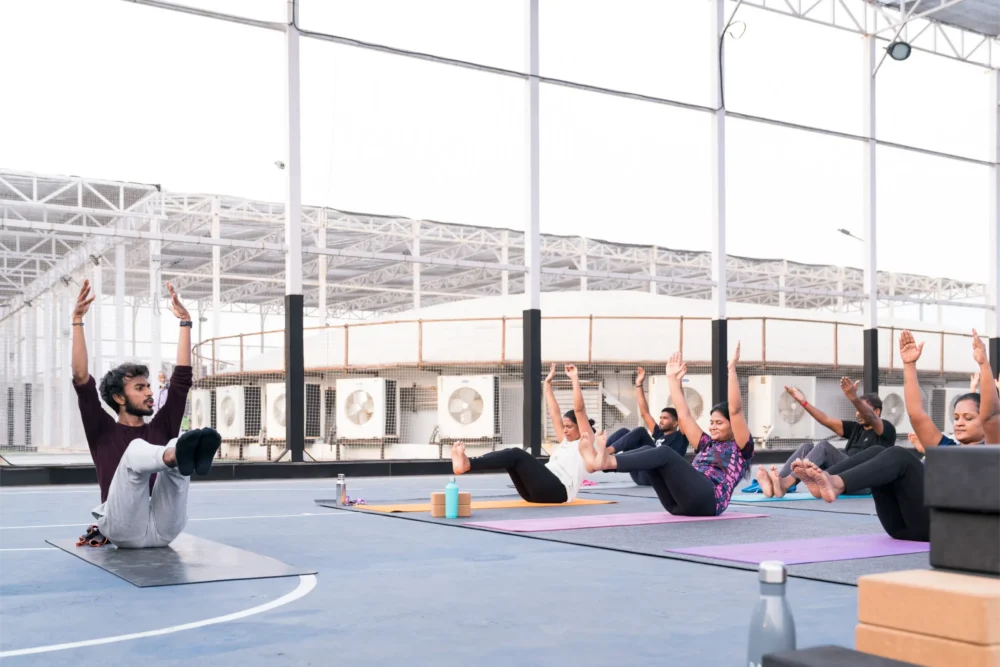
An easy beginner yoga routine is a sequence of low-impact postures designed to improve joint mobility, release muscle tension, and regulate breathing. It typically avoids complex inversions or deep backends, focusing instead on foundational movements like forward folds, gentle twists, and relaxation poses that are safe for all body types.
Why Starting with a Simple Routine Matters
In 2026, we are more digitally connected than ever, yet physically more sedentary. This “desk-bound” lifestyle leads to shortened hip flexors and a rounded upper back. If you jump into a high-intensity “Power Yoga” class immediately, you risk injury and burnout.
Starting with the easiest routine matters because it builds neuromuscular awareness. It teaches you to listen to your body’s subtle signals before they turn into chronic pain. Mentally, a simple routine provides an “easy win,” boosting your confidence and making it more likely that you’ll return to your mat tomorrow. For the busy Chennai professional, this gentle start is the perfect antidote to the high-cortisol environment of corporate life.
How It Works: The 5-Step Foundation Routine
You don’t need a gym membership to begin. Here is the step-by-step breakdown of the easiest yoga routine to start with, which you can do in your pajamas:
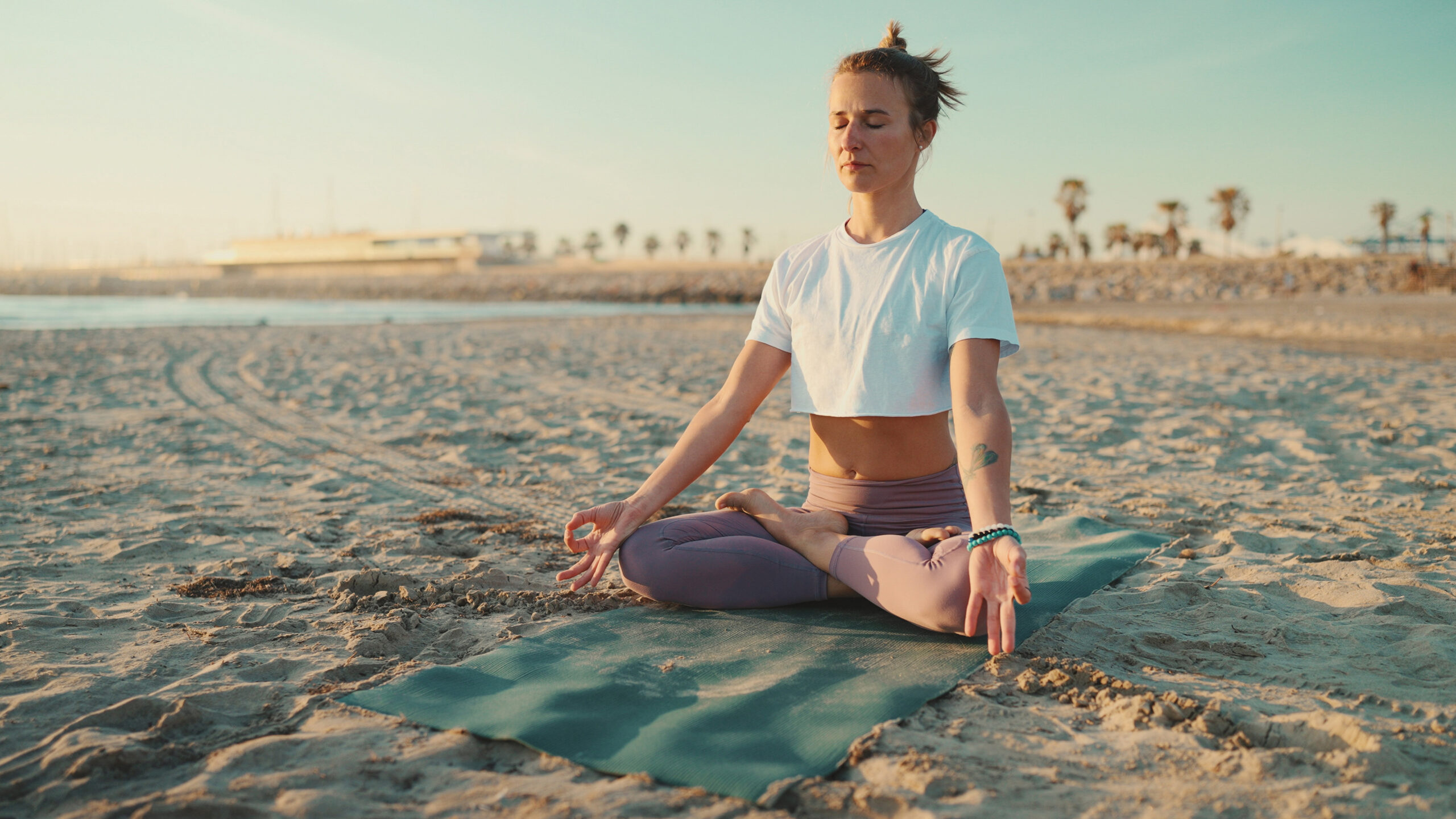
- Centered Breathing (2 Minutes): Sit comfortably. Close your eyes. Simply watch your breath move in and out of your nose. This settles the mind.
- Cat-Cow (10 Rounds): On all fours, inhale to arch your back (look up), and exhale to round your spine (look at your navel). This lubricates every vertebra in your spine.
- Child’s Pose (Balasana – 1 Minute): Sit back on your heels and fold forward, resting your forehead on the floor. This is the ultimate “reset” button for your nervous system.
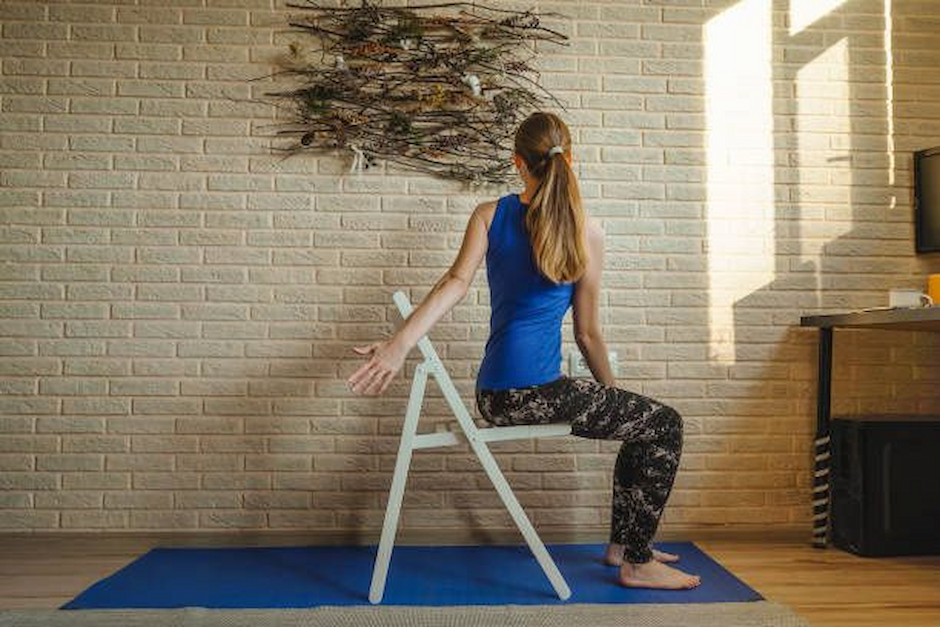
- Seated Spinal Twist (30 Seconds per side): While sitting, gently turn your torso to one side. This aids digestion and releases the lower back tension built up during long commutes.
- Final Relaxation (Savasana – 2 Minutes): Lie flat on your back, palms facing up. Do nothing. Let your body absorb the benefits of the movement.
The Benefits: More Than Just Stretching
Physical: Joint Longevity
By moving your joints through their natural range of motion daily, you prevent the stiffness that often leads to arthritis and chronic pain. Even a simple routine improves blood circulation to your extremities.
Mental: The Cortisol “Kill Switch”
Yoga is one of the few activities that explicitly targets the vagus nerve. This helps shift your body from “Fight or Flight” to “Rest and Digest,” reducing anxiety and improving sleep quality.
Emotional: Self-Compassion
Starting with an easy routine teaches you that you don’t have to “push” to see progress. This shift in mindset—from ego-driven to soul-driven—is the foundation of holistic wellness.
How Beginners Should Approach Their First Week
The transition into a yoga lifestyle should be as smooth as a deep exhale. Here is how to navigate your first few days:
- The 70% Rule: Never stretch to your absolute limit. Aim for 70% effort. This leaves room for your muscles to breathe and prevents soreness.
- Morning vs. Evening: An easy morning routine “wakes up” your metabolism. An evening routine “unpacks” the day’s stress. Choose the time you are least likely to be interrupted.
- Don’t Buy “The Gear”: You don’t need expensive leggings. Wear a loose t-shirt and track pants. Use a firm rug if you don’t have a mat yet.
- Consider a Live Online Class: If you’re in Chennai, joining an online yoga class for beginners provides the added benefit of an instructor checking your alignment, ensuring you start safely.
Common Misunderstandings about Starting Yoga
“I’m too stiff for yoga.” Stiffness is exactly why you should start. You don’t wait to be “fit” before you go to the gym; you don’t wait to be “flexible” to do yoga.
“Yoga is just for women.” Yoga was traditionally practiced by men for thousands of years. Today, many men in Chennai use these easy routines to recover from sports injuries or desk-related back pain.
“It takes too much time.” If you have 10 minutes, you have time for yoga. Consistency is far more important than duration.
Real-World Scenarios
Scenario 1: The OMR Software Engineer Aditya, a 32-year-old developer, felt constant “brain fog” and lower back stiffness. He started with just 10 minutes of Cat-Cow and Child’s Pose before leaving for work. Within a week, he felt more alert during morning meetings and noticed his “tech-neck” pain had significantly decreased.
Scenario 2: The Busy Homemaker in Anna Nagar Lakshmi felt overwhelmed by household chores and social commitments. She began a 15-minute gentle evening routine after the kids went to bed. The focus on breathing helped her overcome her chronic insomnia, giving her more energy for the next day.
Practical Tips for Your Practice
- The Hydration Factor: Drink a glass of warm water before you start. It helps “rinse” your internal organs as you perform twists.
- Nasal Breathing Only: Try to breathe only through your nose. This keeps your body’s energy contained and prevents the “gasping” that can trigger a stress response.
- Create a “Sanctuary”: Even if it’s just a corner of your bedroom, keep it clean and dedicated to your practice.
- Listen to Your Body: If a pose feels sharp or “wrong,” come out of it. Yoga should never hurt.

FAQs
1. What is the single best pose for a total beginner? Child’s Pose (Balasana) is arguably the best. It’s safe, relaxing, and gently stretches the hips, thighs, and ankles while calming the brain.
2. Can I lose weight with an easy yoga routine? While easy routines burn fewer calories than Power Yoga, they regulate the hormones (like cortisol) that cause belly fat. They are the essential foundation for a more active lifestyle.
3. Do I need to be vegetarian to do yoga? No. While yoga encourages “Ahinsa” (non-violence) and mindful eating, your dietary choices are personal. Starting yoga often naturally leads to healthier food cravings.
4. How many times a week should I do an easy routine? Aim for 3 to 5 times a week. Daily is even better, as these gentle movements are not taxing on the muscles and promote faster recovery.
5. What is the difference between Hatha and Vinyasa for beginners? Hatha is slower and holds poses longer, making it the easiest to start with. Vinyasa is a “flow” that links breath to movement and is slightly more challenging.
6. Can yoga help with my desk-job back pain? Absolutely. Simple routines focus on spinal extension and hip opening, which directly counteracts the damage done by prolonged sitting.
7. Is it okay to do yoga during my period? Yes, but keep it very gentle. Avoid inversions and focus on restorative poses that soothe cramps and lower back aches.
8. Is online yoga as good as in-person for beginners? Yes, especially if the class is live. An instructor can provide verbal cues that are just as effective as physical adjustments, all while you stay in your comfort zone.
Conclusion: One Breath at a Time
Wellness isn’t a destination; it’s the quality of the journey. By choosing the easiest yoga routine to start with, you are giving yourself the gift of patience. In the heart of Chennai, amid the noise and the hustle, your yoga mat is a 6×2 foot island of peace.
You don’t need to be better than anyone else. You just need to be a little more present than you were yesterday. Unroll your mat, take a deep breath, and begin. Your future self will thank you.
Would you like to try a free 10-minute guided beginner flow to see how your body feels?


Leave a Comment