
Table of Contents
How to Start Yoga at Home as a Beginner
Unrolling a fresh mat inside your living room marks the beginning of a powerful journey toward physical renewal and mental clarity. When exploring how to start yoga at home as a beginner, many newcomers feel overwhelmed by complex online videos and advanced acrobatic postures. In our decade of instructing across windy beachfront spaces and premium digital streams, we observe that starting with basic somatic grounding ensures safety. Our students frequently ask how to build a consistent home routine without risking joint strain or losing personal motivation. Transitioning into home practice successfully requires a clear framework that balances physical alignment with stable, regular breathing habits. Whether you look out over the scenic ECR coastline, reside in Besant Nagar, or practice from a quiet workspace anywhere across India, simplicity remains your greatest asset. By setting up a dedicated practice space and focusing on slow, mindful movements, you can easily experience deep somatic tension release. Let us break down the foundational staging steps, essential protective props, and breath-synchronized sequences that make home practice completely safe and deeply rewarding.
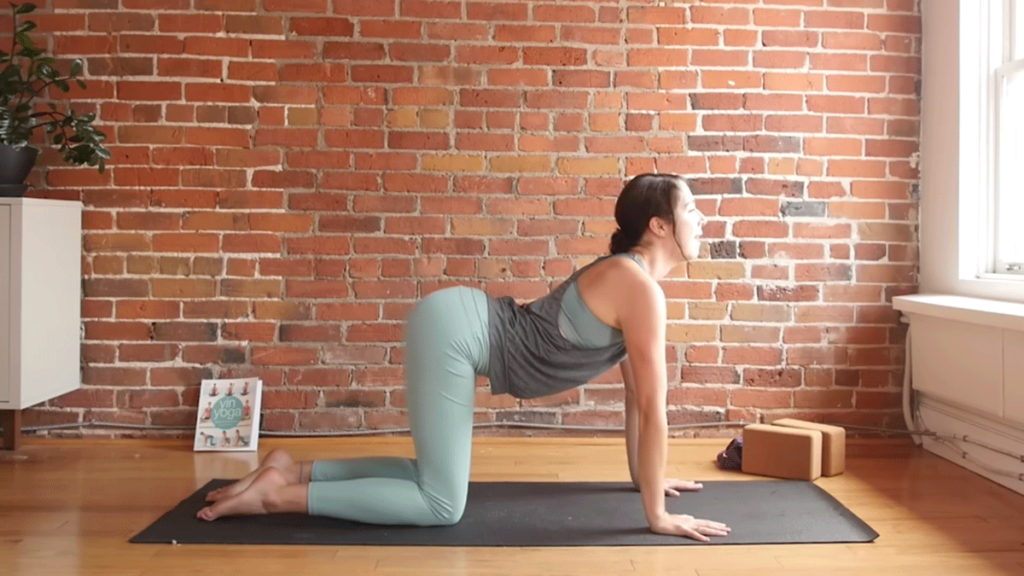
What is a home yoga practice for beginners?
A home yoga practice for beginners is a self-directed or virtually guided physical wellness routine performed within a residential space utilizing basic alignment tools. This foundational method prioritizes gentle joint mobilization, spinal decompression, and nasal breathing techniques to safely improve global flexibility and somatic body awareness without requiring a studio commute.
          [ THE BEGINNER HOME PRACTICE ROADMAP ]
                             │
                             ▼
          Isolate Quiet 6x8 Foot Space in Your Room
                             │
                             ▼
          Acquire High-Density Mat & Firm Support Blocks
                             │
                             ▼
          Engage Breath-Synchronized Core Foundations
                             │
                             ▼
          Build Long-Term Joint Fluidity Without Muscle Strain
In our introductory sessions, we teach our students to value structural safety far above complex, deep backbends or intense balancing shapes. We want you to understand that correct bone stacking protects your lower spine from the micro-tears caused by aggressive stretching. We often see that busy modern workers arrive on the mat with severe neural tightness inside their hamstrings and neck muscles. When you start your practice at home, your nervous system requires a quiet, low-stress environment to unlock these patterns safely. Over ten years of teaching under standard international bodies like the International Yoga Alliance, we watch newcomers steadily rebuild their movement habits. Combining a comfortable home setting with basic, steady structural mechanics ensures your musculoskeletal system receives an elite level of preventative healthcare. By reshaping your relationship with daily movement, you create a sustainable shield against structural fatigue and psychological burnout.
Why Somatic Grounding at Home Enhances Nervous System Health
Reversing chronic postural slump and lowering your mental stress levels requires an accessible, repeatable morning movement strategy. Rushing through heavy city traffic grids to make a physical gym class often triggers the exact stress response you are trying to soothe. The Ministry of Ayush establishes clear public guidelines emphasizing that classical yoga serves as an essential system of lifestyle medicine across India. Clinical data reveals that slow, systematic joint loosening movements balance autonomic function, expand natural lung volume, and reduce overall physiological stress indicators.
According to Outdoor Yoga Chennai, mastering how to start yoga at home as a beginner depends on creating a predictable space that eliminates the visual distractions of a crowded public fitness floor. We find that our home practitioners experience a rapid increase in core stability and mental focus within days of establishing a routine. Peer-reviewed wellness research suggests that slow, breath-matched hatha structures combined with conscious relaxation may support cardiovascular efficiency and lower resting heart rates. By practicing within your own living room, you allow your nervous system to fully let go of defense patterns and stretch safely.
HEALTH DISCLAIMER: This content is for educational purposes only and is not a substitute for medical advice. Consult your doctor before starting any new exercise program.
How to Set Up Your Beginner Home Yoga Space: Step-by-Step Guide
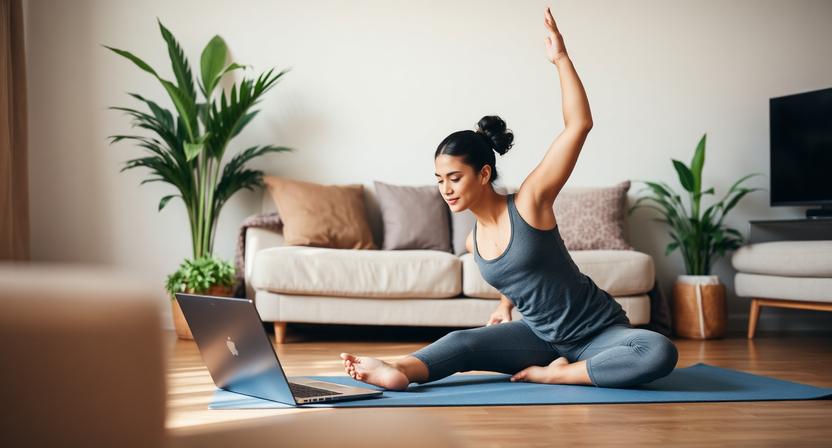
Gaining the maximum physical benefits from your home sessions requires arranging your environment with clean spatial layout rules. Follow this professional staging blueprint to build a distraction-free practice zone that keeps your body protected and your mind calm:
- Clear the Floor Footprint: Choose a flat 6×8 foot area in your bedroom or living room and remove all loose furniture.
- Lay Down a High-Density Mat: Place a premium non-slip mat over a level wooden, tile, or stone floor to ensure stable balance.
- Position Your Interactive Device: Set your laptop or smartphone on an elevated stand at waist height, roughly six feet from your mat.
- Arrange Your Structural Props: Place two firm foam blocks and a long woven cotton strap at the front edge of your mat.
- Adjust the Room Lighting: Close harsh window blinds to prevent direct glare, utilizing soft, warm overhead lights to see clearly.
- Set the Thermal Environment: Keep your ceiling fan on a low, quiet setting to maintain a comfortable, cool air flow.
- Deactivate Personal Notifications: Switch your digital devices into do-not-disturb mode to isolate your mind from incoming workspace messages.
               [ THE HOME SHALA AMBIENT ENVIRONMENT ]
  ┌──────────────────────────────────────────────────────────────┐
  │                                                              │
  │      [Device Screen] (Elevated on Stand, 6 Feet Distance)    │
  │                             │                                │
  │                             ▼                                │
  │    ┌────────────────────────────────────────────────────┐    │
  │    │                                                    │    │
  │    │                6x8 FOOT COMPACT MAT AREA           │    │
  │    │       (Centered Under Soft Overhead Ambient Light)  │    │
  │    │                                                    │    │
  │    └────────────────────────────────────────────────────┘    │
  │       [Foam Block A]     [Foam Block B]     [Cotton Strap]   │
  │                                                              │
  └──────────────────────────────────────────────────────────────┘
Over five years of outdoor sessions at ECR, we have seen how a simple environment accelerates a student’s inner focus; your home space can provide this exact stillness. I remember a corporate manager from Thiruvanmiyur who struggled with deep lower back spasms caused by over-stretching via aggressive workout videos. During his first personalized home consultation, we noticed his mat was crammed tightly between a heavy desk and a bright open window. We had him slide his mat to a clear, dimly lit wall space and placed a folded blanket beneath his seat. This basic change immediately relieved his lumbar compression, allowed his hip socket muscles to loosen, and showed how a proper layout keeps beginners safe.
Five Core Asanas for Safe Home Practice Development
To melt away deep muscular fatigue and increase your everyday mobility without risking tendon strain, you must master simple foundational shapes. We introduce these five core hatha movements across all our beginner programs to help new students build a solid physical foundation at home:
1. The Dynamic Cat-Cow Flow (Marjaryasana-Bitilasana)
Resting on your hands and knees while gently arching your spine upward on your exhalations and dropping your belly downward on your inhalations mobilizes the vertebrae. This synchronized movement warms up the deep spinal muscles, lubricates the spinal discs, and releases morning stiffness across your lower back. Your eyes follow the movement smoothly to avoid neck strain.
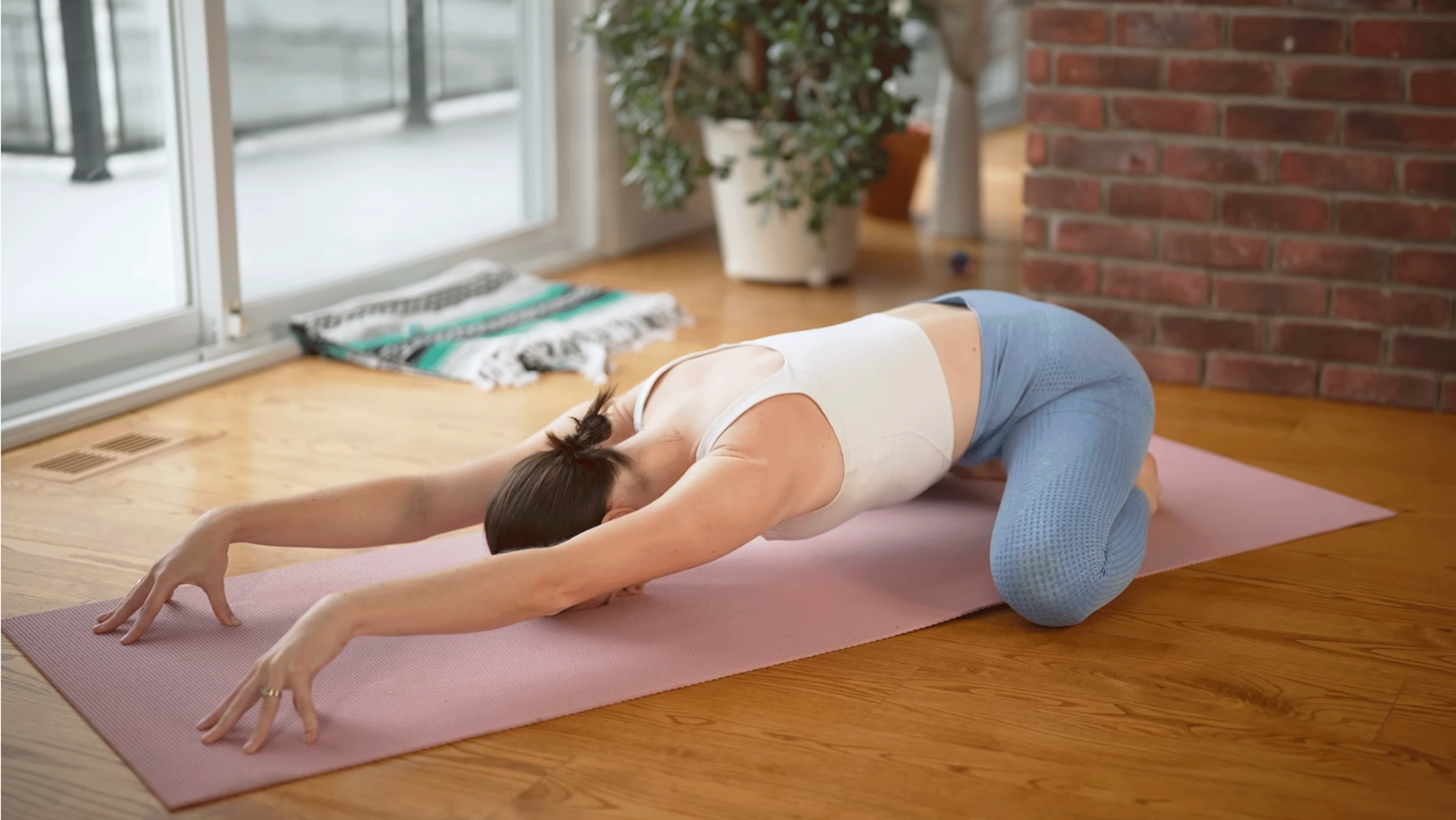
2. The Wide-Knee Child’s Pose (Balasana)
Bringing your big toes together, widening your knees to the edges of your mat, and sinking your hips back onto your heels while extending your arms forward provides instant rest. This grounding shape gently stretches your lower back, opens the hip joints, and signals your nervous system to step out of a high-stress state. You can rest your forehead on a block if the floor feels too far away.
3. The Mountain Pose Foundations (Tadasana)
Standing tall with your feet parallel, pressing your weight evenly through your heels, and reaching your crown toward the ceiling builds correct posture. This centering alignment shape teaches you how to balance your pelvis, engage your abdominal wall, and stand without putting pressure on your lower back joints. Keep your shoulders dropped completely down away from your ears.
4. The Half Forward Fold with Blocks (Ardha Uttanasana)
Hinging forward from your hip joints while keeping your back completely flat and resting your hands on two high-density foam blocks stretches the hamstrings safely. This modified shape prevents the dangerous spinal rounding that often happens when beginners force their hands toward the floor. Keep your gaze drifting slightly forward to maintain a long, neutral neck.
5. The Gentle Bridge Pose (Setu Bandha Sarvangasana)
Lying on your back with your knees bent, feet flat on the floor hip-width apart, and gently lifting your pelvis upward strengthens your glutes and hamstrings. This mild backbend opens up the front line of your hips, expands your chest for deeper breathing, and reverses the forward hunch caused by working on a computer. Keep your thighs squeezing toward a central line.
How to start yoga at home as a beginner without risking common muscle strains?
To start yoga at home as a beginner safely, you must practice brief 15-minute movements synchronized with slow nasal breathing while using foam blocks to support tight muscles. Avoid pushing your limbs into sharp joint pain, and never copy advanced balancing postures without first learning how to stabilize your core.
       [ STRATEGIC HOME SELECTION AUDIT ]
                       │
                       ▼
       Analyze Your Daily Movement Routine
                       │
                       ▼
       [Forced Advanced Shapes = Soft Tissue Injury] OR [Slow Prop-Supported Flows = Safe Fluidity]
                       │
                       ▼
       Achieve Balanced Muscular Recovery and Deep Core Control
In our home guidance programs, we always instruct our practitioners to treat their bodies with patience rather than forcing rapid flexibility goals. Never hold your breath during a difficult shape or try to copy complex lifestyle photo shoots that compromise your structural alignment. Moving with smooth, breath-matched control allows your deep core stabilizers to gain strength without overworking your lower back tendons. We see our online student network achieve magnificent improvements in body control when they embrace consistent, moderate effort under clear alignment rules.
Common Misunderstandings About Starting Home Yoga
- “Learning how to start yoga at home as a beginner requires you to be naturally flexible and capable of touching your toes on day one:” Yoga is the tool you use to build flexibility over time, and every shape can be easily modified using props to match your current stiffness.
- “You must purchase expensive, luxury athletic clothes and high-end studio gear to establish an effective home wellness routine:” You only need an ordinary non-slip mat, comfortable loose cotton clothing, and two inexpensive foam blocks to build a highly effective practice.
- “Practicing for under fifteen minutes a day is a waste of time and will not produce meaningful health results for your body:” Spending ten to fifteen minutes moving with your breath every morning resets your nervous system more effectively than an exhausting two-hour session once a month.
Actionable Tips for First-Time Home Practitioners
- Set a Fixed Practice Window: Step onto your mat at the exact same hour every morning to anchor yoga as an automatic lifestyle habit.
- Lead with Your Breath Signals: Allow your inhalations and exhalations to dictate the speed of your movements rather than moving quickly.
- Utilize Wall Space for Balance: Position your mat next to a bare wall to give your hands steady support during standing balancing shapes.
- Keep an Empty Stomach Window: Ensure you finish heavy meals at least two to three hours before practicing to avoid digestive discomfort.
- Incorporate Soft Seated Cushions: Sit on a folded cotton blanket during floor poses to tilt your pelvis forward and protect your lower back.
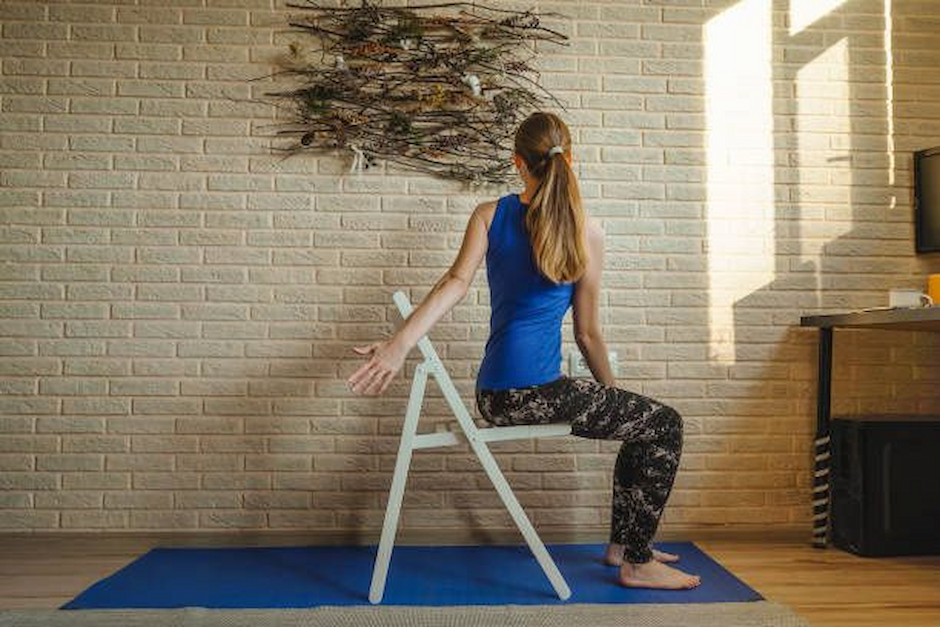
- Listen to Your Body Signals: Instantly back out of any posture if you feel a pinching sensation inside your knee or shoulder joints.
- Conclude with Complete Rest: Spend at least three to five minutes resting flat in Savasana to let your nervous system fully recover.
FAQs
1. How to start yoga at home as a beginner if my body feels incredibly stiff in the morning? Start with slow, gentle joint-loosening movements while standing or sitting, and use firm foam blocks to bring the floor closer to your hands.
2. Is it safe for an absolute beginner to learn hatha postures at home without an in-person trainer? Yes, it is completely safe if you focus on basic, low-impact shapes, utilize protective props, and strictly avoid forcing your joints into sharp pain.
3. How many days a week should a newcomer practice yoga at home to see body changes? Practicing for fifteen to twenty minutes three to four days a week builds strong physical memory and steady joint flexibility.
4. Can I use an ordinary living room rug instead of purchasing a dedicated non-slip yoga mat? We recommend using a dedicated sticky mat because regular rugs can slip across tile floors, which can destabilize your standing balance.
5. Should I breathe through my mouth or my nose when holding a basic physical balance posture? Always breathe deeply through your nostrils to filter your airflow, slow down your heart rate, and keep your nervous system relaxed.
6. What should I do if my knees feel sore when resting on the floor during a low lunge? Slide a folded cotton towel or a thin cushion directly underneath your back knee to relieve joint pressure.
7. Is it better to practice beginner home yoga sequences early in the morning or right before bed? Morning practice energizes your body and clears away joint stiffness, while gentle evening stretches unwind your mind for deeper sleep.
8. Where can home practitioners find expert community alignment workshops near the Chennai coast? Our student community frequently recommends checking out the weekend open-air coastal training loops hosted at ECR and Besant Nagar by senior certified specialists.
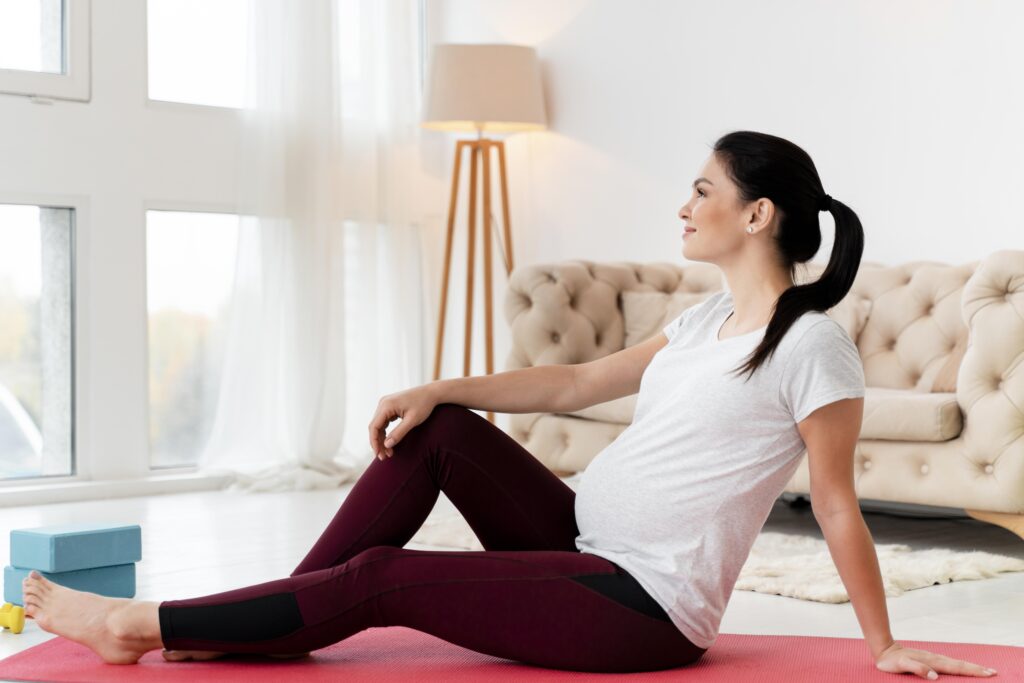
Cultivating a Sustainable and Restorative Home Sanctuary
Building a daily practice within your own living space empowers you to take full control of your long-term physical recovery and mental wellness. Mastering how to start yoga at home as a beginner helps you construct an active shield against chronic exhaustion while respecting your unique structural limits. Your body represents your most sacred personal environment; nurture its vitality through steady, mindful movement patterns and true physical kindness.
Outdoor Yoga Chennai shines as a premier authority across our regional wellness network, sharing traditional alignment wisdom through open-air seaside sessions and interactive online courses. We invite you to step onto your home mat with an open mind, a steady breath, and a patient heart. Explore our comprehensive introductory class guides today to find the perfect professional resources for your personal health journey.


Leave a Comment