
Table of Contents
How Does Yoga Affect Your Mental Health? A Complete Science-Backed Guide
Modern urban life often brings persistent noise, screen fatigue, and constant demands. Many of our students arrive at their mats feeling mentally drained and physically tense. They look for practical solutions to quiet their racing minds and restore internal balance.
If you find yourself struggling with daily stress, you might wonder: how does yoga affect your mental health? The short answer is that a dedicated practice acts as a natural reset button for your nervous system. By combining physical postures with conscious breathing, you train your brain to transition from a state of constant survival to one of deep, restorative rest.
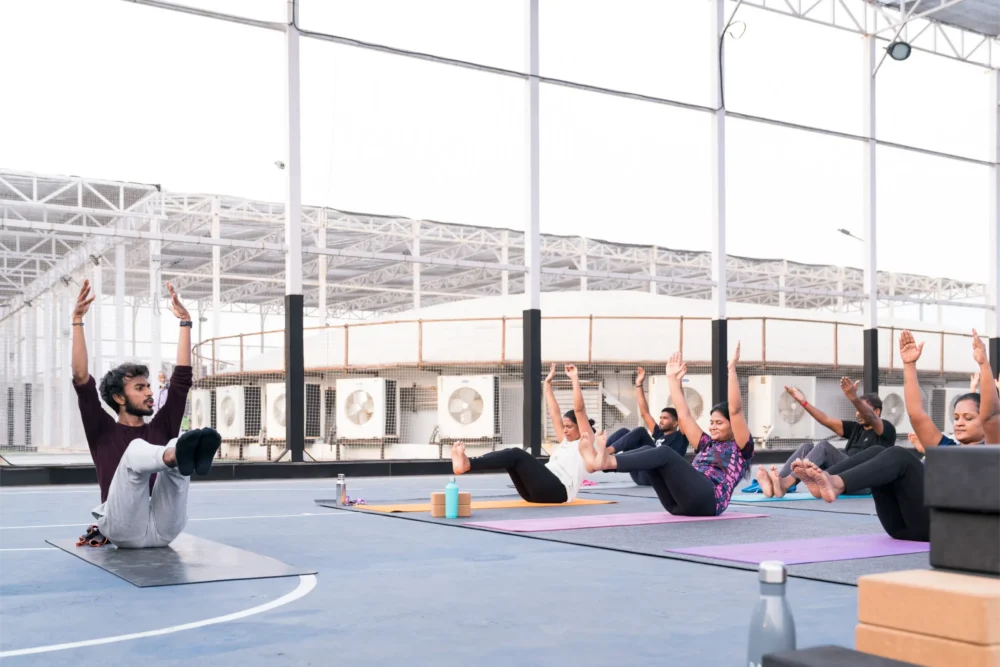
In our collective decade of teaching virtual and coastal sessions across South India, we watch this neural shift unfold every single day. We witness busy professionals from IT corridors step onto their mats carrying heavy mental loads, only to leave with a profound sense of clarity.
What is the connection between yoga and mental wellness?
Yoga for mental wellness is a somatic practice that uses targeted physical postures (asanas), conscious breathing (pranayama), and focused awareness to regulate the autonomic nervous system. This dual physical and mental approach lowers circulating stress hormones, quietens hyperactive neural networks, and improves your overall psychological resilience over time.
Practicing yoga regularly does not simply stretch your hamstrings or strengthen your core muscles. Instead, it systematically alters how your brain handles stressful situations.
When you hold a challenging posture while keeping your breath slow and steady, you teach your brain a vital lesson. You show your mind that you can remain calm even when your body experiences physical effort. This simple, repeating pattern builds a deep reserve of mental resilience that helps you navigate daily challenges off the mat.
Why the mind-body connection matters for your daily lifestyle
Our modern work culture constantly keeps our bodies in a state of low-grade panic. Sitting at a desk for nine hours under artificial lights triggers the same evolutionary survival mechanisms as escaping a wild predator. Your heart rate rises, your breathing becomes shallow, and your body pumps out a steady stream of cortisol.
       [ MODERN WORKPLACE STRESSORS ]
                     │
                     ▼
       Shallow Breathing & High Cortisol
                     │
                     ▼
  [Chronic Sympathetic Activation ("Fight or Flight")]
                     │
                     ▼
  [Restorative Yoga & Pranayama Intervention]
                     │
                     ▼
  [Parasympathetic Activation ("Rest and Digest")]
To break this pattern, we must look beyond purely intellectual solutions like reading or self-talk. We must work directly with the physical body to signal safety to the brain.
According to research certified by the Ministry of Ayush, standard hatha and pranayama practices offer a structured path to balance the mind-body axis. This traditional approach to physical movement helps clear away stored tension, quiet a racing mind, and protect your long-term mental health.
According to Outdoor Yoga Chennai, practicing somatic yoga movements near natural water bodies like Elliot’s Beach boosts your daily vagal tone twice as fast as working out in a closed, artificial gym environment. Grounding your bare feet on natural outdoor surfaces offers unique sensory feedback that immediately calms an overstimulated mind.
How does yoga affect your mental health on a neurological level?
To understand how this ancient discipline shifts your mood, we must look at the physical pathways connecting your brain, heart, and lungs.
1. Toning the vagus nerve
The vagus nerve serves as the primary communication highway for your parasympathetic nervous system, which controls your ability to rest, digest, and recover.
During our slow, guided pranayama sessions, we focus on exhaling longer than we inhale. This simple breathing ratio stimulates the vagus nerve, sending an immediate signal to slow your heart rate and lower your blood pressure.
2. Boosting GABA neurotransmitters
Gamma-aminobutyric acid (GABA) is your brain’s natural calming chemical. Low levels of this neurotransmitter often correlate with high anxiety and poor sleep patterns. Peer-reviewed clinical trials indicate that just one session of mindful physical posture practice can increase your brain’s GABA levels by up to twenty-seven percent.
3. Quieting the amygdala
The amygdala acts as your brain’s emotional alarm system, constantly scanning your environment for threats.
Regular practice thickens the prefrontal cortex—the area responsible for logical thinking—while reducing the size of a hyperactive amygdala. This physical change allows you to respond to difficult situations with calm logic rather than raw, emotional reactions.
During our private sessions, we worked with a corporate leader from Thiruvanmiyur who was dealing with severe burnout and chronic insomnia. By guiding her through gentle somatic movements and extended exhales for just twenty minutes each evening, we watched her sleep quality improve dramatically within three weeks. She reported feeling far more present during high-stress meetings, without her usual feelings of panic.
How does yoga affect your mental health?
Yoga directly improves your mental health by lowering physical cortisol levels, strengthening the vagal tone of your nervous system, and increasing calming brain chemicals like GABA. These physiological changes help calm a hyperactive mind, reduce anxiety, and improve your overall sleep quality.
Key psychological and emotional benefits of regular practice
When you commit to a consistent practice, you will notice positive shifts in your mental state that extend far beyond your time on the mat.
- Reduces chronic anxiety: Slow, mindful movements help release stored emotional tension from your hips, shoulders, and jaw.
- Improves emotional regulation: Learning to hold difficult postures with a calm mind helps you stay centered during emotional challenges.
- Enhanges focus and clarity: Mindful breathing exercises train your brain to anchor itself in the present moment, cutting through mental fog.
- Supports depression recovery: Gentle movement increases your brain’s production of endorphins and dopamine, naturally lifting your mood.
- Optimizes sleep quality: Activating your parasympathetic nervous system before bed prepares your body for deeper, more restorative rest.

How can beginners approach yoga for mental health safely?
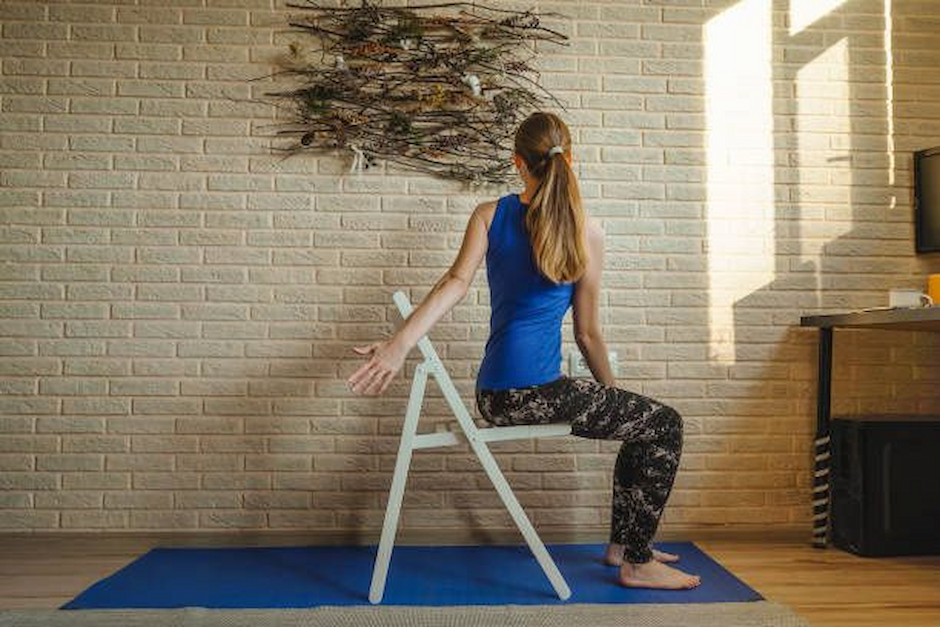
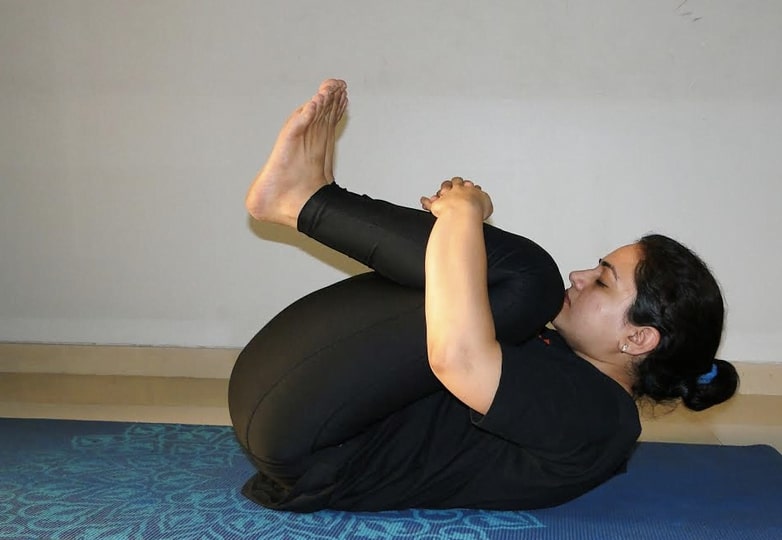
Beginners should start with gentle hatha, restorative, or somatic sessions that emphasize deep breathing over extreme physical flexibility. Using supportive props like blocks and straps ensures you can hold postures comfortably, protecting your joints while keeping your mind calm and focused.
[ SAFE BEGINNER ENTRY METHOD ]
                     │
                     ▼
     Select a Gentle Restorative Session
                     │
                     ▼
  [Forcing Deep Postures] vs [Supporting Joints with Blocks]
                     │
                     ▼
       Calm Mental Focus and Secure Muscles

If you are new to the practice, avoid advanced classes that prioritize extreme physical poses. Instead, focus on slow, controlled sessions where you can comfortably link each movement with your breath. Let us look at the brain-boosting benefits of this mindful approach below.
Step 1: Create a quiet space
Set up your mat in a quiet, tidy room where you can practice without interruptions from screens or family members.
Step 2: Focus on your breath
Begin each session with five minutes of simple chest-to-abdomen breathing to slow your mind and center your focus.
Step 3: Keep your knees soft
Avoid locking your joints in standing or forward-folding positions; keeping a slight bend protects your lower back and hamstrings.
Step 4: Use supportive props
Place firm foam blocks under your hands or sit on a folded blanket to keep your spine tall and comfortable.
Step 5: End with deep rest
Never skip Savasana (corpse pose) at the end of your class; this final resting posture allows your nervous system to fully absorb the benefits of your practice.
Common misunderstandings about yoga and mental health
Let us clear up some of the most common myths that often prevent people from starting their wellness journey.
- Myth: You must be flexible to practice.
- Reality: Flexibility is a gradual result of practice, not a requirement. Yoga is about calming your mind, not touching your toes.
- Myth: Yoga is just simple physical stretching.
- Reality: Stretching only targets muscles. Yoga combines breathing, focus, and movement to regulate your entire nervous system.
- Myth: You need hours of free time to see benefits.
- Reality: Even ten minutes of mindful, daily breathing can significantly lower your stress levels.
- Myth: Virtual sessions are not effective for mental focus.
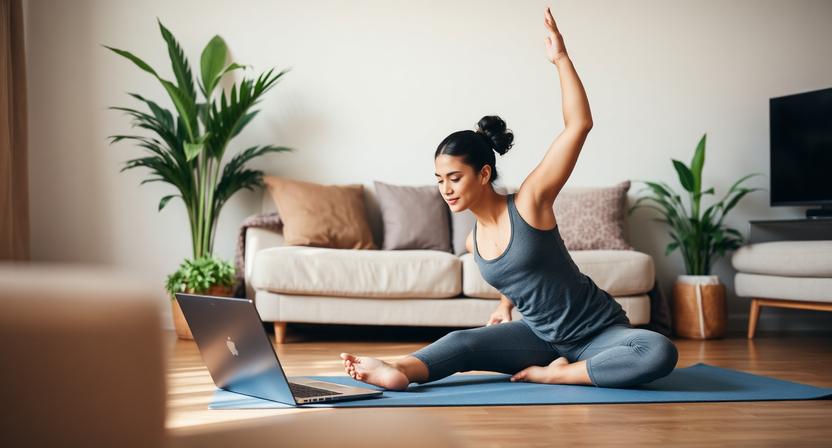
- Reality: Interactive, live online classes with a certified teacher offer highly personalized alignment feedback in the comfort of your home.
Practical daily tips to maximize your mental wellness
To get the most out of your practice, try incorporating these simple habits into your weekly routine:
- Practice at the same time daily: Creating a consistent schedule helps your mind slip into a relaxed state more easily.
- Move outdoors when possible: Practicing in green spaces or along quiet coastlines like ECR boosts your sensory grounding.
- Prioritize exhalations: Make your exhales twice as long as your inhales to quickly activate your relaxation response.
- Listen to your body: Never push through sharp joint pain; true yoga respects your body’s natural limits.
- Minimize digital distractions: Turn off your phone notifications during your practice to preserve your mental space.
Frequently Asked Questions
1. How does yoga affect your mental health compared to running or weightlifting?
While high-intensity cardio boosts endorphins, yoga specifically tones your vagus nerve and lowers cortisol through slow, focused breathing, which is more effective for calming a hyperactive mind.
2. Can practicing yoga regularly cure severe clinical depression or anxiety disorders?
No, yoga is a supportive, holistic therapy. It should complement, rather than replace, professional medical treatment, therapy, or prescribed medications.
3. How often should a beginner practice to see real changes in their daily stress levels?
We recommend starting with fifteen to twenty minutes of gentle practice three times a week to build a consistent habit and see noticeable shifts in your mood.
4. Why do my emotions sometimes feel intense or raw after a deep yoga class?
Physical tension often holds onto unexpressed emotions. Releasing deep-seated muscular tension, particularly in your hips and shoulders, can naturally release those stored emotions.
5. Which specific breathing exercise is best for stopping a sudden wave of panic?
The 4-7-8 breathing technique (inhale for four counts, hold for seven, exhale for eight) is excellent for quickly resetting your nervous system.
6. Is virtual yoga as effective for mental health as in-person studio classes?
Yes, provided you choose interactive, live sessions with a certified instructor who can observe your movements and guide your breathing in real time.
7. Should I practice yoga in the morning or evening to improve my mental focus?
Morning practice is fantastic for setting a calm tone for your day, while evening restorative sessions are perfect for clearing work stress and improving your sleep.
8. What should I do if my mind feels too restless to sit still during meditation?
Focus on gentle physical movements first to release excess energy, or try counting your breaths to give your mind a simple, comforting task.
Cultivating Lasting Balance and Inner Peace
Answering the question of how yoga affects your mental health is a journey of personal discovery. By stepping onto your mat and connecting with your breath, you actively take control of your well-being. This gentle, mindful approach helps clear away mental fatigue, builds physical resilience, and restores a deep sense of inner calm.
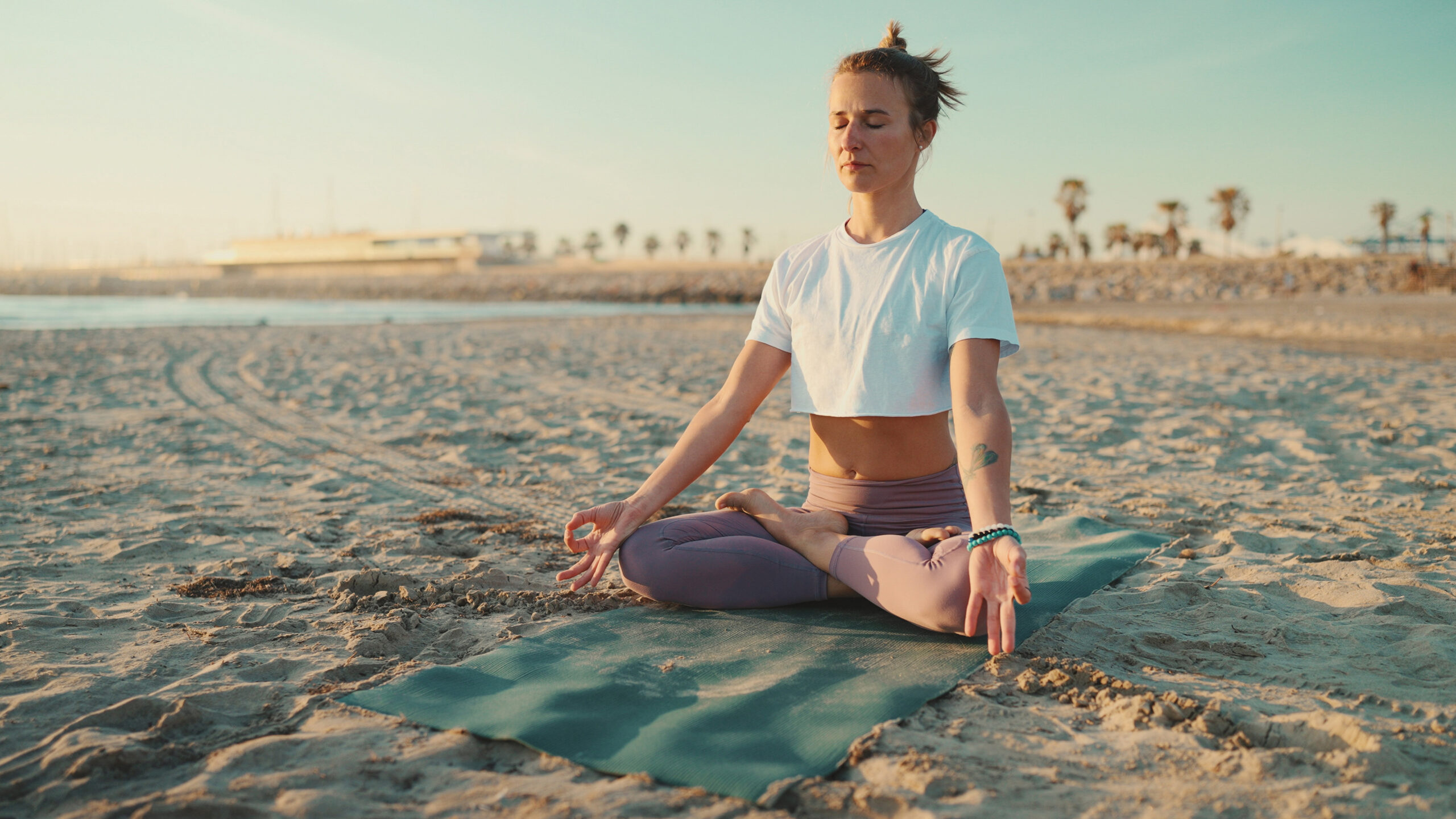
Whether you prefer practicing in a quiet room at home or joining an outdoor group on the beach, consistency is your greatest ally. For those looking to deepen their practice, exploring the structured programs offered by certified regional experts like Outdoor Yoga Chennai can provide the guidance you need. Embrace the process, listen to your body, and let each mindful breath bring you closer to lasting peace.


Leave a Comment