
Table of Contents
Can Yoga Help You Sleep Better? A Gentle Evening Guide to Restful Sleep
Yes, can yoga help you sleep better during periods of chronic restlessness or high stress? Peer-reviewed sleep research and our decade of hands-on teaching experience confirm that gentle evening yoga significantly improves sleep quality, reduces latency, and supports deeper nightly rest.
In our decade of guiding practitioners across coastal sunset sessions in Besant Nagar, peaceful studios in Thiruvanmiyur, and online cohorts across India, we regularly meet individuals struggling with insomnia. Many professionals arrive exhausted after demanding workdays, trapped in a cycle of racing thoughts and physical tension.
This guide explores the physiological pathways linking gentle movement to restful sleep, provides a step-by-step bed-ready yoga routine, and offers practical strategies to quiet your nervous system naturally.
What Is Yoga for Sleep Improvement?
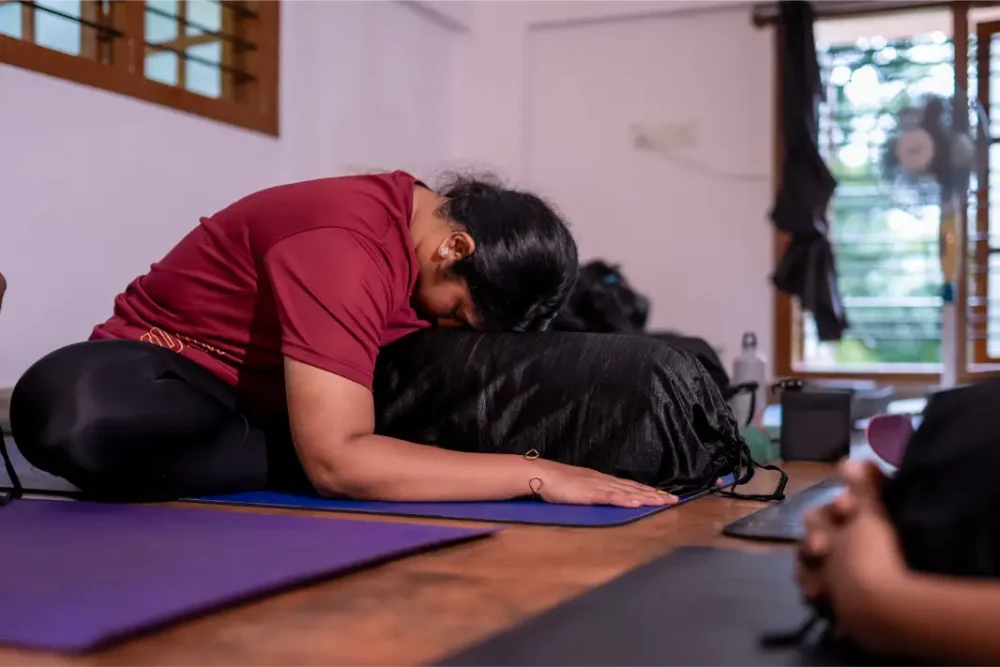
Yoga for sleep improvement is a therapeutic evening practice of restorative postures, gentle spinal releases, and slow diaphragmatic breathing designed to calm the nervous system. It down-regulates sympathetic fight-or-flight activity while activating parasympathetic rest responses to prepare your mind and body for deep sleep.
+-----------------------------------------------------------------------+
|                MECHANISMS OF YOGA FOR SLEEP IMPROVEMENT               |
+-----------------------------------------------------------------------+
|  Pathway                 Physiological Effect                         |
|  -------------------------------------------------------------------  |
|  Vagal Nerve Activation  Triggers Parasympathetic Rest State          |
|  Cortisol Down-regulation Decreases Evening Stress Hormones            |
|  Skeletal Decompression  Releases Residual Physical Tension           |
|  Melatonin Regulation    Supports Circadian Rhythm Alignment          |
|  Baroreceptor Stimulation Lowers Heart Rate & Resting Blood Pressure  |
+-----------------------------------------------------------------------+
When sleep disturbances occur, elevated evening cortisol levels keep the autonomic nervous system on high alert. High mental stress keeps your heart rate elevated and muscles tense. Gentle evening postures release physical tightness and send safety signals to the brain, lowering your resting heart rate and encouraging natural sleep cycles.
Why Restful Sleep Matters for Health and Lifestyle
Chronic sleep deprivation impairs cognitive performance, disrupts metabolic health, weakens immune response, and heightens emotional vulnerability. Relying exclusively on sedative medications often leaves people feeling groggy without addressing the root cause: an overstimulated nervous system.
The Ministry of Ayush advocates traditional yoga, Yoga Nidra, and gentle breathwork as foundational non-pharmacological tools for managing stress and sleep disorders. Furthermore, global health frameworks supported by the World Health Organization emphasize lifestyle modifications and mind-body practices as essential components for healthy sleep hygiene and mental well-being.
According toOutdoor Yoga Chennai, practitioners who incorporate fifteen minutes of restorative floor postures and slow exhalations into their bedtime routine report falling asleep faster and experiencing fewer nocturnal awakenings.
During our evening sunset sessions along ECR and Besant Nagar, we witness how shifting energy from active to reflective restores natural balance. Combining cool coastal air with supported forward folds allows tight shoulder muscles to release, paving the way for deep, uninterrupted sleep.

How Can Yoga Help You Sleep Better: A 5-Step Evening Sequence
Transitioning your body from daytime alertness to nighttime quiet requires a structured, gentle protocol. Follow this five-step restorative sequence right on your mat or mattress to wind down:
1.Step 1: Seated Forward Bend / Paschimottanasana (3 Minutes):Release daytime mental noise.
Sit on your bed or mat with legs extended forward. Inhale deeply to lengthen your spine, then exhale as you hinge at your hips, resting your torso over a soft pillow placed across your knees.
2.Step 2: Reclined Bound Angle / Supta Baddha Konasana (4 Minutes):Decompress the lumbar spine.
Lie on your back, bring the soles of your feet together, and let your knees drop outward. Place folded pillows under both thighs for support while placing one hand on your heart and one on your belly.
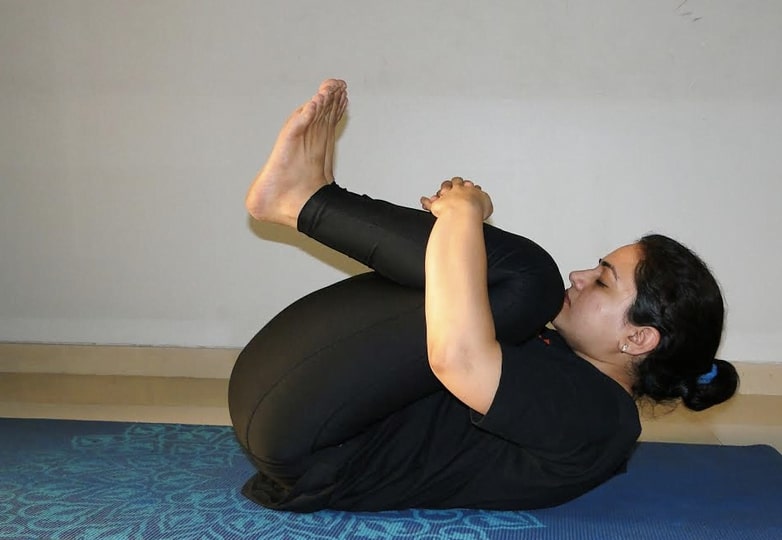
3.Step 3: Gentle Reclined Twist / Supta Matsyendrasana (4 Minutes):Wring out residual physical tension.
Draw both knees toward your chest, then lower them gently to the left side while extending your arms out. Take slow, even breaths into your abdomen, then repeat on the right side.
4.Step 4: Legs-Up-The-Wall / Viparita Karani (5 Minutes):Quiet the central nervous system.
Sit close to a wall and swing your legs up vertically while resting your back flat on the surface. Place a folded blanket under your lower back to encourage venous drainage and lower heart rate.
5.Step 5: Guided Corpse Pose / Savasana with Body Scan (5 Minutes):Enter complete conscious rest.
Lie flat on your back with legs relaxed and arms by your sides. Progressively bring your awareness to each part of your body from toes to crown, releasing all remaining physical effort.
In one of our evening online sessions, a software developer from Chennai struggled with middle-of-the-night awakenings caused by screen fatigue. We introduced her to this exact five-step sequence supported by 4-7-8 breathing; within two weeks, her sleep latency dropped significantly and her morning alertness returned.
Physical, Mental, and Emotional Benefits
A simple evening yoga practice provides holistic benefits that prepare your whole self for restorative rest:
                  YOGA FOR SLEEP BENEFITS
                             │
     ┌───────────────────────┼───────────────────────┐
     ▼                       ▼                       ▼
PHYSICAL                MENTAL                  EMOTIONAL
• Lowered Heart Rate    • Reduced Sleep Anxiety • Soothed Irritability
• Muscle Tension Release• Quietened Mental Chatter• Restored Calm
• Decreased Cortisol    • Sharper Focus Next Day• Emotional Balance
- Lowered Muscle Guarding: Gentle stretching relaxes chronic tightness in neck, shoulder, and lower back muscles, making bed rest comfortable.
- Autonomic Nervous System Shift: Slow movement coupled with extended exhalations shifts the brain from sympathetic fight-or-flight to parasympathetic rest-and-digest mode.
- Quieter Mind chatter: Focusing awareness on physical sensations reduces bedtime rumination and worry loops that prevent falling asleep.
- Enhanced Sleep Efficiency: Regular practice helps lengthen time spent in restorative deep sleep phases, as research suggests.
How Beginners Can Approach Yoga for Better Sleep
How can beginners approach yoga to sleep better without getting overwhelmed? Beginners should focus on gentle floor-based poses using props like pillows, blankets, or wall support, avoiding strenuous standing poses or backbends. Keep movements slow, dim the lights, and let long exhalations guide your body into relaxation.
1. Practice Directly in Your Bedroom
Eliminate friction by doing your restorative sequence in dim lighting right next to or on your bed. Wear loose cotton sleepwear so you can slip under the covers immediately after practice.
2. Prioritize Comfort Over Depth
Bedtime yoga is not about flexibility gains or deep stretching. Use as many pillows, bolsters, and rolled blankets as needed to ensure your muscles feel fully supported without strain.
3. Lengthen Your Exhalations
Practice 4-7-8 breathing or simple extended exhalations (inhale for 4 seconds, exhale for 6 seconds). This breathing pattern directly stimulates the vagus nerve, signaling safety to your brain.
Common Misunderstandings About Yoga and Sleep
- Myth 1: “A fast-paced Vinyasa flow before bed helps exhaust your body for sleep.”Vigorous exercise elevates core body temperature and spike adrenaline levels, which can keep you awake for hours. Evening practice must remain slow, grounded, and restorative.
- Myth 2: “You need a full 60-minute session to get sleep benefits.”Just 10 to 15 minutes of dedicated restorative poses and breathwork before sleep is highly effective for resetting your nervous system.
- Myth 3: “Yoga works like a sleeping pill for immediate knockdown.”Yoga does not force sedation; rather, it creates the physiological conditions that allow your body’s natural sleep machinery to take over smoothly.
Practical Tips for Nighttime Rest Hygiene
- Disconnect Screens Early: Turn off mobile phones, tablets, and televisions at least 45 minutes before starting your evening yoga sequence.
- Dim the Lighting: Keep your room lighting low and warm during practice to encourage natural melatonin production.
- Sip Warm Herbal Inclusions: Drink a small cup of warm chamomile or ashwagandha tea 30 minutes before your practice to settle digestion.
- Keep the Room Cool: Maintain a cool ambient bedroom temperature to mirror the body’s natural drop in core temperature during sleep.
- Practice Chandra Bhedana Pranayama: Inhale exclusively through your left nostril and exhale through your right to activate cooling, calming energy channels.
Frequently Asked Questions
Can yoga help you sleep better if you have chronic insomnia?
Yes. Clinical studies suggest that regular gentle yoga and breathwork help reduce sleep latency, decrease night awakenings, and manage anxiety associated with chronic insomnia.
What is the single best yoga pose for sleep?
Viparita Karani (Legs-Up-The-Wall Pose) is widely considered the most effective pose for sleep because it encourages venous blood return, lowers heart rate, and calms the nervous system.
Should I do yoga right before going to sleep or earlier in the evening?
Practicing restorative poses 20 to 30 minutes before stepping into bed works best, allowing a smooth transition into sleep.
Is Yoga Nidra effective for sleep improvement?
Yes. Yoga Nidra (guided yogic sleep) guides the brain into deep delta wave states, making it an exceptional tool for people struggling with sleep onset or fatigue.
Can active yoga poses keep you awake at night?
Vigorous poses like fast Sun Salutations, deep backbends, or intense arm balances elevate heart rate and cortisol, which can disrupt sleep if done late.
How long does it take for evening yoga to improve sleep quality?
Many practitioners feel immediate relaxation after their first session, with significant improvements in overall sleep patterns developing after 1 to 2 weeks of consistent practice.
Is breathwork alone enough to help me fall asleep?
Yes. Practicing diaphragmatic breathing or 4-7-8 breath in bed can calm an overactive mind and trigger the relaxation response without moving through poses.
Should I practice sleep yoga on a mat or on my bed?
Both work well. Practicing directly on a firm bed is convenient because you can transition straight to sleep without interrupting your calm state.
A Gentle Approach to Nightly Restoration
Restoring peaceful sleep requires working with your body’s natural physiological rhythms rather than fighting against nighttime restlessness. When sleep feels elusive, view your yoga mat or bed as a quiet sanctuary for nervous system recovery.
By adopting gentle restorative postures, quiet surroundings, and slow, conscious breathwork, you give your mind and body the ideal conditions to slip effortlessly into deep, rejuvenating sleep.
If you want to establish a soothing evening routine or learn therapeutic practices, connect with our certified team at Outdoor Yoga Chennai for online programs and coastal wellness sessions.
Health Disclaimer: This content is for educational purposes only and is not a substitute for medical advice. Consult your doctor before starting any new exercise program.


Leave a Comment