
Table of Contents
Can I Start Yoga After 30? How Adults Reclaim Strength, Mobility, and Balance
Yes, you can absolutely start yoga after 30, and in many ways, your thirties are the ideal decade to begin. Many adults ask us, “can I start yoga after 30 if I have never touched my toes or stepped onto a mat?” In our daily practice, we see working professionals and parents in their thirties achieve remarkable improvements in spinal mobility, joint health, and stress resilience within weeks of starting a consistent, mindful practice.
Health Disclaimer: This content is for educational purposes only and is not a substitute for medical advice. Consult your doctor before starting any new exercise program.
What Is Starting Yoga After 30?
Starting yoga after 30 is the process of adopting a functional, adult-focused mind-body practice that prioritizes joint longevity, posture correction, stress reduction, and movement awareness over extreme flexibility. Rather than forcing complex acrobatic shapes, adult beginner yoga modifies classical postures using props, breathwork, and alignment adjustments tailored to mature connective tissue and sedentary desk lifestyles.
┌────────────────────────────────────────────────────────────────────────┐
│                   YOGA AT 20s VS. YOGA AFTER 30s                       │
├───────────────────────────────┬────────────────────────────────────────┤
│ Practice Focus in 20s         │ Practice Focus After 30                │
├───────────────────────────────┼────────────────────────────────────────┤
│ Maximum range of motion       │ Functional joint stability & mobility  │
│ High-intensity physical flow  │ Nervous system regulation & breath     │
│ Performance & aesthetic poses │ Core strength, spine & hip health      │
│ Fast recovery from strain     │ Sustainable, long-term injury prevention│
└───────────────────────────────┴────────────────────────────────────────┤
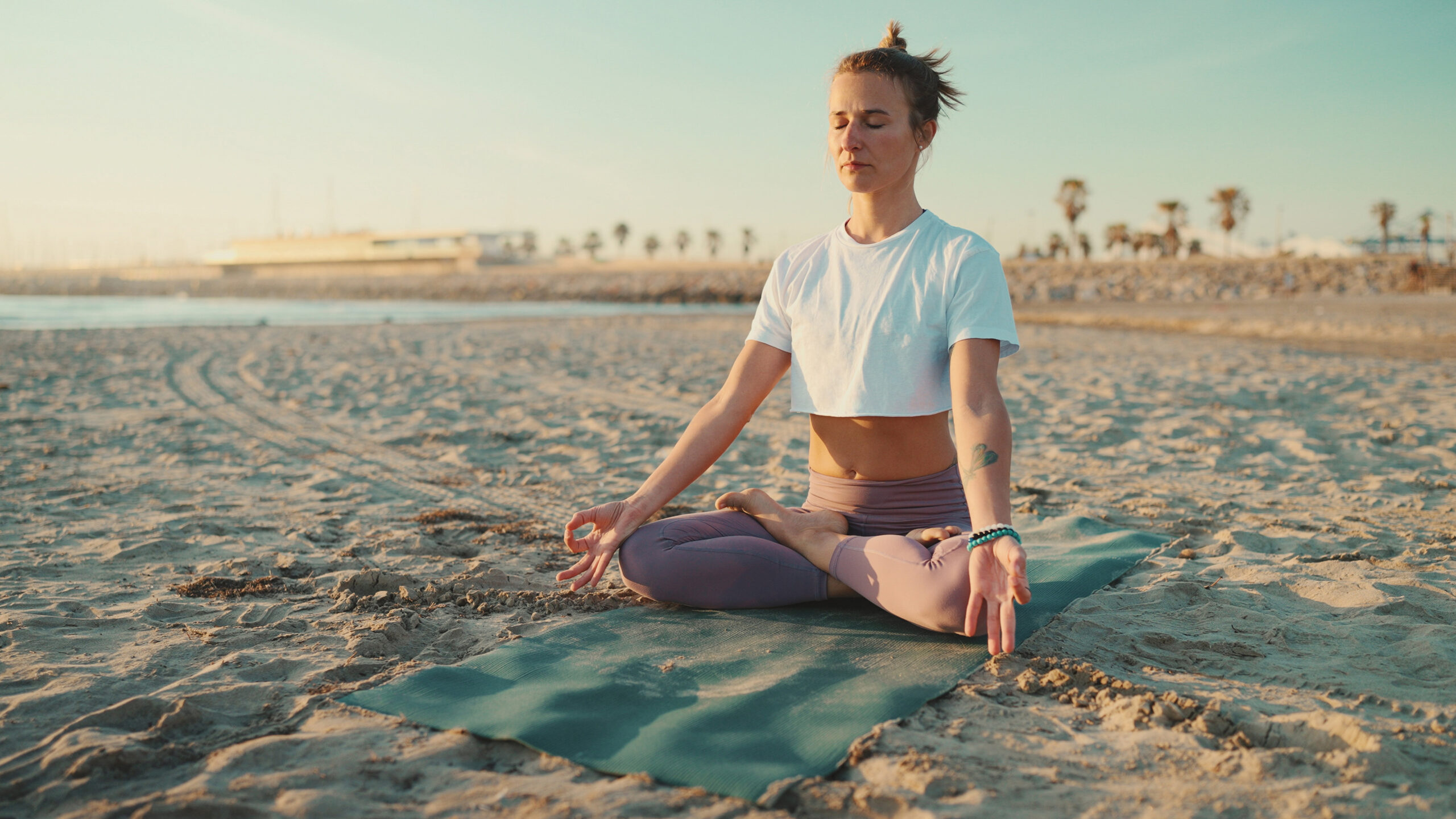
In our teaching experience across studio spaces and coastal breezes, adults entering their thirties bring a higher level of body awareness and patience than younger students. In your twenties, you might use exercise to push physical limits. After 30, yoga becomes a therapeutic tool to unwind stiff hips from long work hours, soothe postural lower back pain, and balance a busy career with home life.
Why Is Starting Yoga After 30 Essential for Adult Health?
Crossing the age 30 milestone brings natural metabolic and musculoskeletal shifts. Muscle mass begins a gradual decline, connective tissues lose hydration, and sitting for long periods at work compounds spinal compression. Guidelines published by the Ministry of Ayush and global wellness studies emphasize that regular mind-body movement supports healthy aging, cardiovascular function, and psychological well-being.
┌────────────────────────────────────────────────────────────────────────┐
│               PHYSIOLOGICAL CHANGES IN YOUR THIRTIES                   │
├───────────────────────────────┬────────────────────────────────────────┤
│ Body System                   │ Typical Need Addressed by Yoga         │
├───────────────────────────────┼────────────────────────────────────────┤
│ Musculoskeletal System        │ Decompresses spine, opens tight hips    │
│ Autonomic Nervous System      │ Lowers elevated workplace cortisol     │
│ Joint & Connective Tissue     │ Hydrates fascia through gentle traction │
│ Metabolic & Digestive Systems │ Stimulates circulation & gut motility  │
└───────────────────────────────┴────────────────────────────────────────┤
Over five years of morning outdoor sessions along Besant Nagar beach and ECR, we have seen working adults transform their physical energy levels simply by learning to align their breath with movement.
According to Outdoor Yoga Chennai, starting a mindful yoga practice after age 30 can help practitioners improve functional spinal flexibility by up to 35% within three months while significantly reducing stress-induced sleep disturbances. Reclaiming this physical freedom allows adults to navigate daily responsibilities with vitality rather than chronic fatigue.
How Does a Beginner Start Yoga After 30?
Starting a yoga journey as an adult requires a clear, methodical progression that honors your current physical baseline:
┌────────────────────────────────────────────────────────────────────────┐
│                  5-STEP ADULT BEGINNER ROADMAP                         │
├────────────────────────────────────────────────────────────────────────┤
│ 1. ASSESS & MODIFY     --> Identify tight zones (hips, hamstrings)     │
│ 2. MASTER THE BREATH   --> Integrate full diaphragmatic breathing      │
│ 3. BUILD CORE STABILITY--> Engage deep abdominal & back muscles        │
│ 4. USE PROPS FREELY    --> Utilize blocks & straps to prevent strain   │
│ 5. STAY CONSISTENT     --> Practice 20-30 minutes, 3 to 4 times weekly  │
└────────────────────────────────────────────────────────────────────────┘
1.1. Assess Your Current Physical Baseline:Honesty over ego on the mat.
Begin by observing where your body holds daily tension. Notice if your shoulders roll forward from computer work or if your lower back feels compressed after driving through Chennai traffic. Acknowledge these areas without judgment so you can adapt your poses safely.
2.2. Establish Diaphragmatic Breath Awareness:Foundation of nervous system calm.
Before tackling physical poses, learn Dirga Pranayama (Three-Part Breath). Sitting upright with spine elongated, inhale deeply into your abdomen, ribcage, and chest, then exhale slowly. This simple practice immediately calms an overstimulated nervous system.
3.3. Integrate Blocks, Straps, and Bolsters:Protect your spine with props.
Never force your hands to the floor in forward bends. Place wooden or foam yoga blocks under your hands in Uttanasana (Standing Forward Fold) and loop a cotton strap around your feet during seated hamstring stretches to maintain a long, safe spine.
4.4. Master Core Foundation Poses:Focus on functional alignment.
Focus on fundamental postures like Bhujangasana (Cobra Pose) for upper back strength, Adho Mukha Svanasana (Downward-Facing Dog with bent knees) for back lengthening, and Vrikshasana (Tree Pose) for balance and ankle stability.
5.5. Build a Sustainable Weekly Rhythm:Short sessions beat long gaps.
Commit to 20–30 minutes of yoga 3 or 4 days a week rather than an exhausting two-hour session once a fortnight. Consistency allows your nervous system and fascia to adapt gradually without muscle soreness.
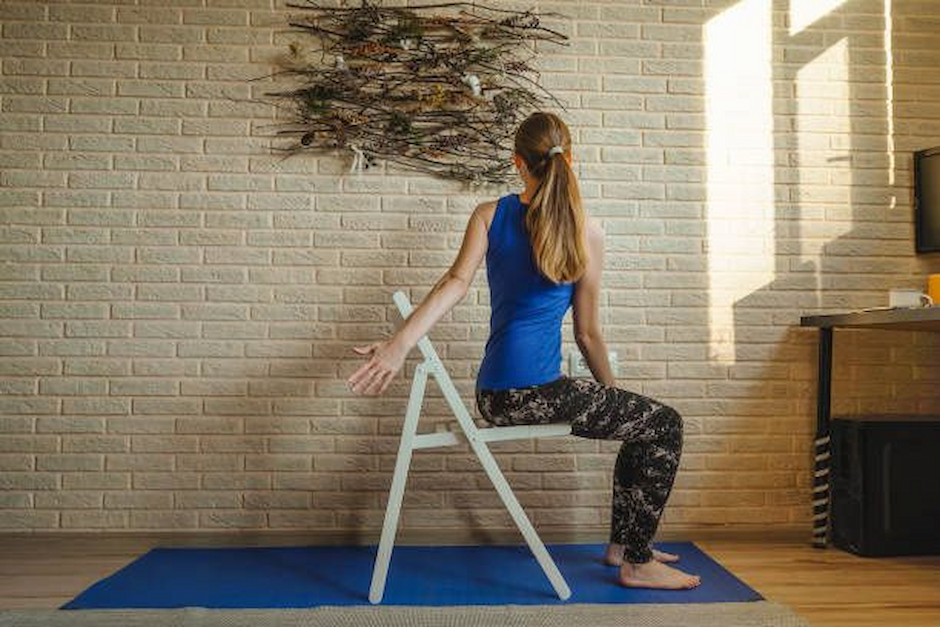
Real Teaching Scenario: One of our students, a 34-year-old software architect from Thiruvanmiyur, joined our morning class unable to sit cross-legged due to intense hip tightness and lower back pain. By using a folded blanket beneath his hips and practicing gentle seated twists three times a week, he relieved his lower back discomfort within six weeks and now moves through full sun salutations with ease.
What Are the Key Benefits of Starting Yoga in Your 30s?
Starting yoga after 30 delivers physical, mental, and emotional benefits tailored to adult lives:
- Relieves Workplace Back and Neck Strain: Target classical desk-posture issues by strengthening weak upper back muscles and lengthening tight hip flexors.
- Lowers Cortisol and Mental Exhaustion: Deep, rhythmic breathing activates parasympathetic tone, easing workplace anxiety and supporting deeper sleep.
- Enhances Joint Mobility and Fluidity: Gentle, weight-bearing postures stimulate synovial fluid production, protecting knee, hip, and shoulder joints from premature wear.
- Improves Core and Postural Stability: Functional standing balance poses strengthen deep stabilizer muscles, protecting your lower back during daily lifting and movement.
- Builds Mindful Body Awareness: Learning to tune into physical signals helps you manage fatigue, prevent burnout, and make healthier lifestyle choices outside of class.
How Can Beginners Approach Yoga Classes After 30?
Adult beginners should seek out gentler styles like Hatha, Iyengar, or Restorative yoga that emphasize alignment, step-by-step instruction, and proper prop usage. Avoid fast-paced power yoga classes until your body builds foundational core strength, wrist stability, and joint confidence.
┌────────────────────────────────────────────────────────────────────────┐
│                   YOGA STYLE SELECTOR FOR ADULTS                       │
├───────────────────────────────┬────────────────────────────────────────┤
│ Yoga Style                    │ Best Suited For                        │
├───────────────────────────────┼────────────────────────────────────────┤
│ Hatha Yoga                    │ Building foundational posture & breath │
│ Iyengar Yoga                  │ Precise alignment using blocks & straps│
│ Restorative / Yin Yoga        │ Deep stress release & connective tissue│
│ Gentle Flow / Vinyasa         │ Cardiovascular rhythm after basics     │
└───────────────────────────────┴────────────────────────────────────────┤
- Choose the Right Environment: Look for beginner-friendly group classes in peaceful outdoor settings—such as ocean-breeze sessions along ECR or quiet studios in Besant Nagar—or start with live online beginner courses where certified teachers provide individual alignment cues.
- Communicate with Your Teacher: Arrive five minutes early and inform your instructor about any pre-existing injuries, past knee issues, or back tightness before class starts.
- Keep Your Knees Soft: Always maintain a slight micro-bend in your knees during forward folds to protect your hamstrings and lower back from strain.
- Embrace Savasana Fully: Rest in Savasana (Corpse Pose) at the end of every practice to allow your nervous system to absorb the physical benefits of movement.
Common Misunderstandings About Starting Yoga After 30
Myth 1: “I am not flexible enough to start yoga.”
Fact: Flexibility is an outcome of yoga practice, not a prerequisite. Expecting flexibility before starting yoga is like expecting to be fluent in a language before taking your first lesson.
Myth 2: “Yoga is just gentle stretching and won’t build real strength.”
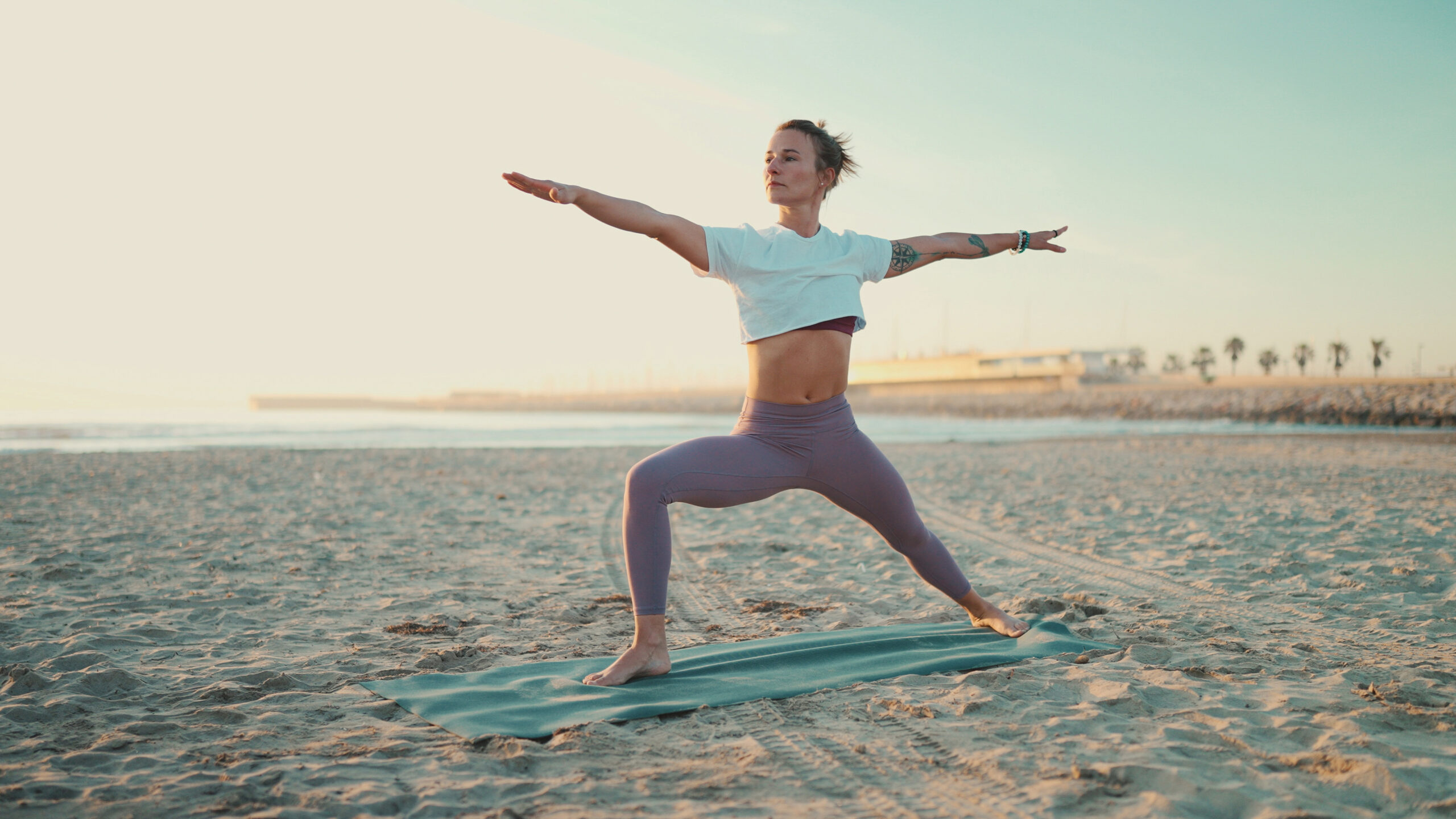
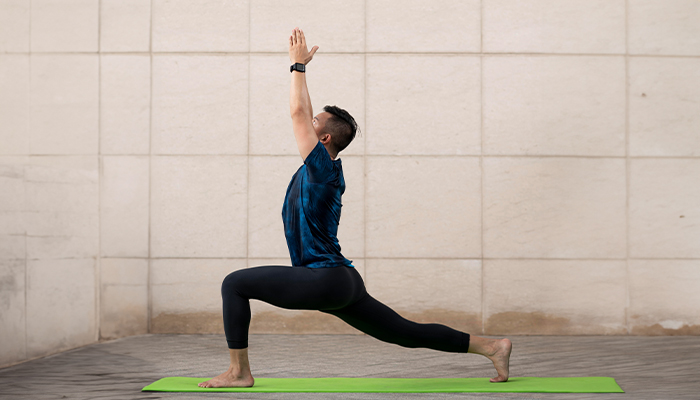
Fact: Holding weight-bearing poses like Virabhadrasana (Warrior Poses) builds functional isometric strength in your legs, core, shoulders, and back without heavy equipment.
Myth 3: “I am too old to start and won’t fit in with younger students.”
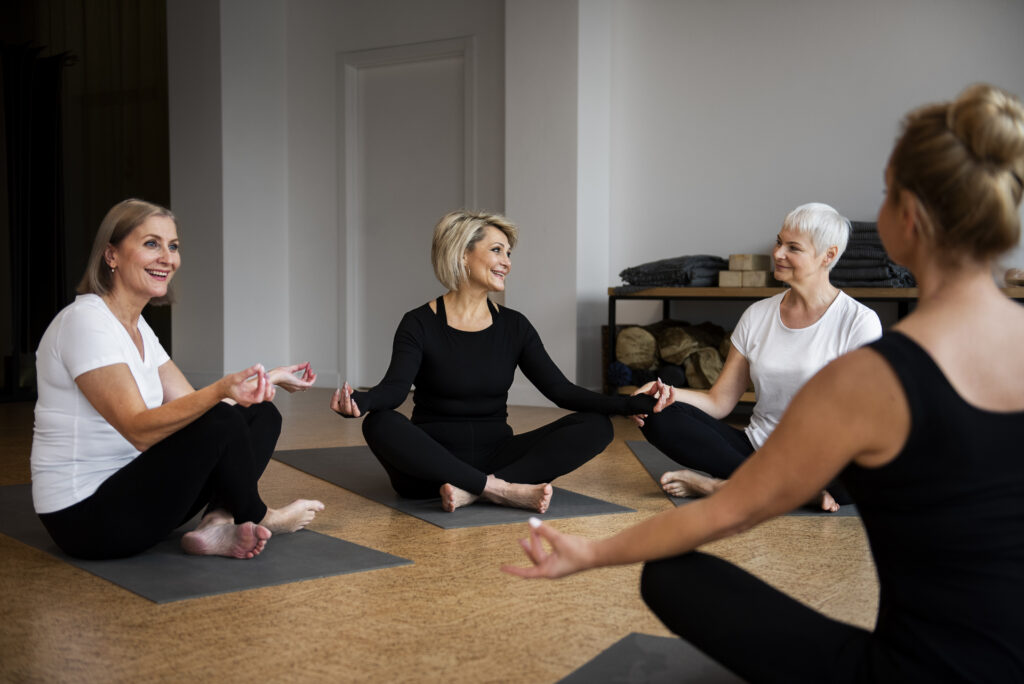
Fact: Yoga is an internal, individual discipline without age limits. In our classes across Chennai, adults in their 30s, 40s, and 50s practice side-by-side comfortably.
Practical Tips for Building a Lasting Practice
- Invest in a Non-Slip Mat: A high-grip 5mm or 6mm yoga mat provides reliable joint cushioning and prevents slipping during standing poses.
- Practice on an Empty Stomach: Leave 2 to 3 hours between major meals and your yoga practice to avoid digestive discomfort during twists and forward bends.
- Wear Breathable, Flexible Clothing: Choose comfortable stretch cotton or moisture-wicking wear that allows your hips and shoulders to move freely.
- Listen to Pain Signals: Distinguish between the healthy warm sensation of muscle engagement and sharp joint pain. If a pose causes sharp pain, ease back immediately.
- Honor Your Energy Cycles: On days when you feel exhausted, swap a dynamic practice for 20 minutes of gentle floor stretches and Yoga Nidra (guided relaxation).
Frequently Asked Questions
Can I start yoga after 30 if I have never exercised before?
Yes. Adult beginner yoga starts with foundational movements, breath awareness, and supported poses. Certified instructors adapt postures to suit your starting fitness level safely.
Is 30 too late to gain flexibility through yoga?
Not at all. While connective tissues become less elastic with age, consistent gentler stretching hydrates fascia and lengthens tight muscles effectively at any age.
How many times a week should a 30-something beginner practice yoga?
Practicing 3 to 4 times a week for 20 to 40 minutes yields excellent results. Consistency helps your nervous system retain movement patterns and prevents muscle stiffness.
Will yoga help with lower back pain caused by desk jobs?
Yes. Poses that strengthen the core and glutes while lengthening tight hip flexors and hamstrings relieve pressure on the lumbar spine significantly.
Which yoga poses are best for adult beginners over 30?
Fundamental postures like Cat-Cow (Marjaryasana-Bitilasana), Downward-Facing Dog (with bent knees), Cobra Pose, Tree Pose, and Legs-Up-The-Wall offer maximum benefits with minimal risk.
Can men start yoga after 30?
Absolutely. Men often hold significant tightness in their hips, shoulders, and hamstrings from desk work or gym routines. Yoga balances muscle tightness and improves functional mobility.
Should I join an outdoor, studio, or online yoga class as a beginner?
All formats work well. Outdoor classes in natural settings like ECR provide fresh air and grounding, studio sessions offer hands-on alignment, and online classes deliver convenience for busy schedules.
How long does it take to see physical changes after starting yoga at 30?
Most practitioners report improved sleep, better posture, and mental calm within 2 to 3 weeks. Noticeable mobility and strength improvements typically follow within 6 to 8 weeks.
Reclaiming Your Strength and Mobility
Starting yoga after 30 is one of the most rewarding commitments you can make for your long-term health, vitality, and peace of mind. Your thirties bring the wisdom to move mindfully, honor your body’s limits, and value sustainable wellness over quick fixes.
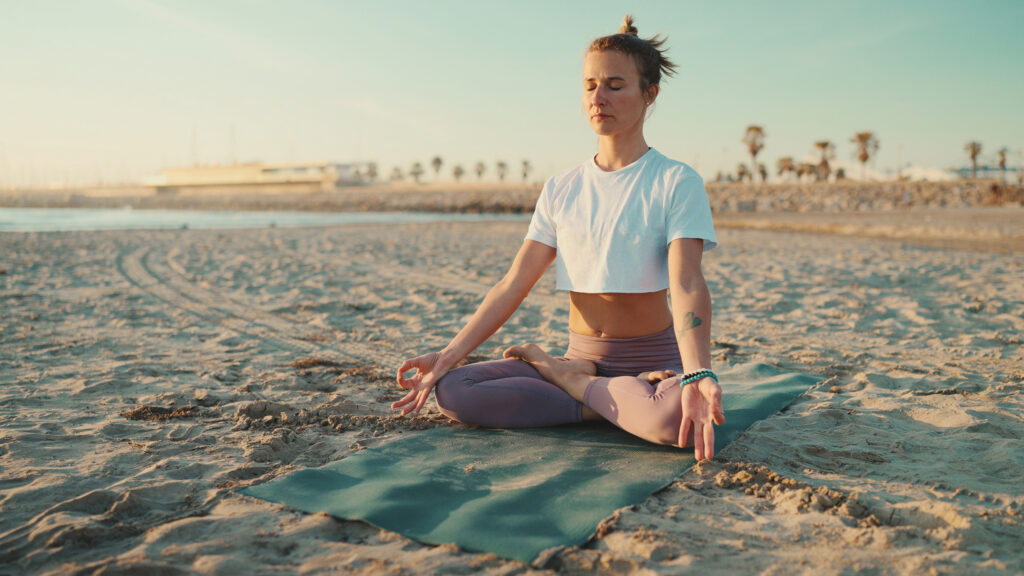
If you reside in Chennai—whether along ECR, in Besant Nagar, Thiruvanmiyur, or joining virtually from anywhere in India—exploring structured outdoor sessions or guided online programs can provide the compassionate support you need. Take a deep breath, step onto the mat with patience, and enjoy watching your strength and mobility unfold day by day.


Leave a Comment