
Table of Contents
Can You Do Yoga Without Any Flexibility? An Instructor’s Practical Guide to Starting Stiff
Yes, can you do yoga without any flexibility? Absolutely, because flexibility is an outcome of practicing yoga, not a prerequisite for starting. Thinking you need to be flexible to step onto a yoga mat is like believing you must be clean before taking a shower. Yoga meets your body exactly where it is today, using intentional breathwork, modified movement, and supportive props to safely expand your physical range of motion over time.
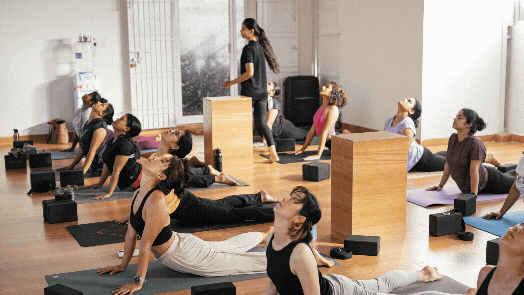
In our decade of teaching morning outdoor sessions along East Coast Road (ECR) and Besant Nagar in Chennai, as well as live online classes across India, we frequently meet beginner students who hesitate to join because they cannot touch their toes. Our Yoga Alliance RYT-certified instructors reassure them that stiff muscles are actually the ideal starting point. When you begin with tight hamstrings or stiff shoulders, your body offers immediate, clear feedback, helping you build genuine functional strength and joint mobility without overstretching.
What Is Yoga Practice for Inflexible Bodies?
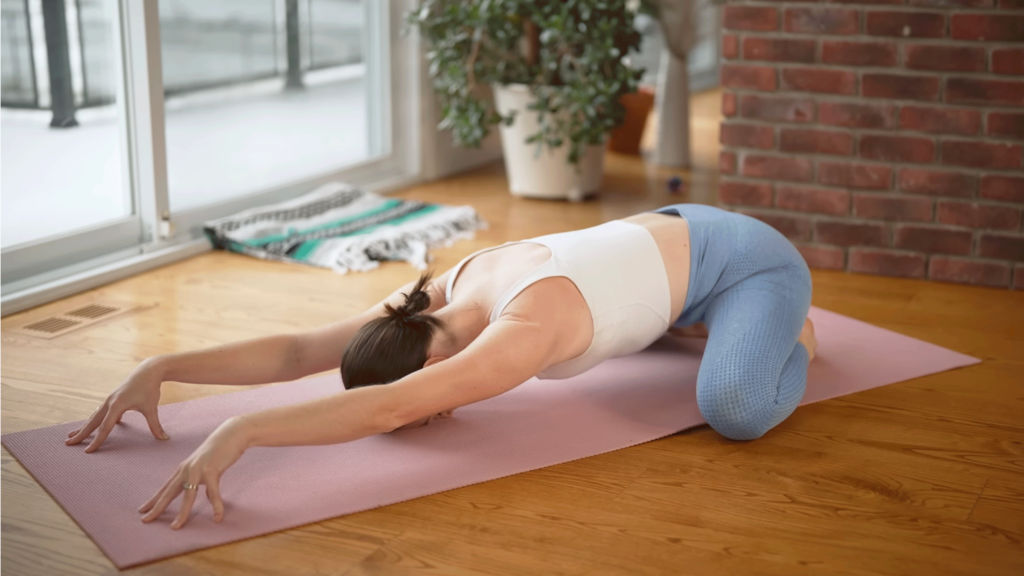
Yoga practice for inflexible bodies is an adaptive movement methodology that prioritizes functional alignment, breath integration, and joint stability over deep contortion. By utilizing props like blocks and straps, practitioners modify classical postures (asanas) to match their current structural range of motion, allowing safe, gradual flexibility gains without physical strain.
+-------------------------------------------------------------------------+
|                    THE ADAPTIVE YOGA PROGRESSION                        |
+-------------------------------------------------------------------------+
|  [ Current Stiffness ] --> Use props & keep knees soft to protect joints|
|  [ Breath Integration] --> Slow nasal exhales signal nervous system ease|
|  [ Gradual Mobility ] --> Connect connective tissue safely over time    |
|  [ Enhanced Agility  ] --> Gain functional range without forcing depth  |
+-------------------------------------------------------------------------+
When you practice with limited range, your primary focus shifts from achieving a perfect aesthetic shape to experiencing internal spatial awareness. Tight connective tissue and short muscle fibers require patient, gentle tension to lengthen safely.
Instead of forcing your joints into extreme shapes, adaptive yoga adjusts the posture to fit your frame. Bending your knees during forward folds or elevating your hips on a firm block removes stress from your lower back, protecting your spine while gently opening tight muscle groups.
Why Practicing Yoga Without Flexibility Matters for Health and Lifestyle
Beginning a yoga practice when your body feels stiff provides profound physical, mental, and emotional benefits. Chronic stiffness often stems from prolonged desk work, repetitive physical stress, or natural aging. Left unaddressed, tight muscles pull your joints out of alignment, causing persistent back, neck, and hip discomfort.
The Ministry of Ayush guidelines emphasize that yoga is a holistic discipline designed for every physical condition, noting that regular practice improves joint lubrication, enhances circulation, and reduces postural strain regardless of starting flexibility. Clinical research in sports medicine further demonstrates that gentle static stretching combined with diaphragmatic breathing downregulates the sympathetic nervous system, helping release long-held muscular tension.
According to Outdoor Yoga Chennai, new practitioners who start with high muscular stiffness often develop better alignment habits and joint stability than naturally hypermobile students, because stiff bodies offer clear physical boundaries that prevent accidental joint overextension.
How to Begin Yoga When Inflexible: A 5-Step Adaptive Method
Starting your movement practice with tight muscles requires a systematic approach that honors your body’s current limits while encouraging gradual opening. Follow this 5-step adaptive process to practice safely:
1.Bypass Aesthetic Goals and Prioritize Internal Sensation:
Focus entirely on how a posture feels in your target muscles rather than how it looks. Aim for a mild, comfortable stretch sensation rather than pushing into sharp joint resistance or pain.
2.Maintain Soft Knees in All Forward Folds:
Always keep a generous bend in your knees during standing or seated forward bends. Bending your knees tilts your pelvis forward correctly, protecting your lumbar spine from strain while easing hamstring tightness.
3.Elevate Your Hips Using Blocks or Cushions:
Sit on a folded blanket or firm yoga block during seated poses. Elevating your hips above your knees prevents your lower back from rounding, making seated positions far more comfortable.
4.Lengthen Your Reach with a Yoga Strap:
Loop a yoga strap around your feet or hands when your limbs cannot comfortably connect. Straps extend your reach, allowing your shoulders and chest to remain open without slouching.
5.Synchronize Every Movement with Deep Nasal Exhales:
Inhale to lengthen your spine and create space; exhale slowly to allow your nervous system to relax into the stretch. Never hold your breath when encountering physical tightness.
A Real Teaching Scenario:
During an outdoor evening session near Thiruvanmiyur beach, a software engineer joined our class unable to reach past his knees in a seated forward fold. We placed a firm block under his seat and handed him a woven strap to loop around his feet. Within three weeks of consistent breathwork and supported alignment, his lower back pain eased completely, proving that functional mobility matters far more than reaching your toes.
Physical, Mental, and Emotional Benefits of Yoga for Stiff Practitioners
Approaching yoga without initial flexibility offers targeted advantages for your overall well-being:
- Improved Joint Longevity: Gentle movement stimulates synovial fluid production, nourishing joint cartilage in your knees, hips, and shoulders.
- Reduced Postural Fatigue: Lengthening tight chest and hip flexor muscles relieves chronic strain on your upper back and neck.
- Better Balance and Stability: Stiff bodies naturally possess strong joint stability, making balancing postures like Tree Pose easier to master once alignment is established.
- Enhanced Emotional Resilience: Learning to stay calm while working through physical tightness trains your mind to navigate everyday life stressors with steady breath.
How Can Beginners Approach Yoga Without Any Flexibility?
Beginners can approach yoga without flexibility by selecting gentle styles like Hatha or Restorative yoga, using supportive props, and maintaining soft bends in their joints. Focus on breathing smoothly through your nose and working with certified instructors who offer personalized pose modifications.
Adjusting your approach based on your practice environment helps you navigate physical stiffness with confidence. Use this comparison table to select appropriate modifications for your setting:
| Practice Setting | Common Stiffness Challenge | Recommended Modification | Key Focus Area |
| Outdoor Coastal (ECR) | Tight hamstrings on uneven ground | Wide standing stance + bent knees | Grounding through feet, core stability |
| Indoor Studio | Restricted hip external rotation | High blocks under hands, folded blankets | Pelvic alignment, lower back protection |
| Online at Home | Tight shoulders from computer work | Wall-assisted chest stretches + yoga strap | Upper spine extension, neck relief |
Common Misunderstandings About Yoga and Flexibility
- Myth: You must be able to touch your toes before attending your first yoga class.Reality: Touching your toes is an outcome of long-term practice, not a entry requirement. Bending your knees achieves the exact same physiological benefit safely.
- Myth: Naturally flexible people are automatically better at practicing yoga.Reality: Hypermobile individuals often lack joint stability and can easily overstretch ligaments, whereas stiffer practitioners build genuine functional strength faster.
- Myth: Pushing through sharp stretching pain will speed up your flexibility gains.Reality: Forcing your body past its natural edge triggers the stretch reflex, causing muscles to contract tighter to protect your joints from injury.
Practical Tips from Senior Instructors for Stiff Practitioners
- Warm Up Your Muscles First: Never stretch cold muscles; practice light dynamic joint circles or gentle Cat-Cow movements before entering static stretches.
- Invest in Quality Yoga Blocks: Keep two high-density foam or cork blocks near your mat to bring the floor closer to your hands in standing poses.
- Practice Short Sessions Daily: Ten minutes of gentle daily stretching releases connective tissue far more effectively than one intense weekly session.
- Listen to Pain Signals: Distinguish between a healthy muscle stretch (warm, broad sensation) and joint pinch (sharp, localized pain). Exit immediately if you feel sharp pain.
- Stay Hydrated Throughout the Day: Hydrated fascia and muscle tissue stretch far more elastically than dehydrated connective tissues.
Frequently Asked Questions
1. Can you do yoga without any flexibility as an adult beginner?
Yes, adults of any age can practice yoga without prior flexibility because every posture can be modified using props, soft joints, and gentle variations.
2. How long does it take to gain flexibility through yoga practice?
Most stiff practitioners notice improved joint mobility and reduced muscle tightness within 3 to 6 weeks of consistent, thrice-weekly practice.
3. Which type of yoga is best for people who are not flexible?
Gentle Hatha, Restorative, and Iyengar yoga styles are ideal because they emphasize slow movements, long holds, and extensive prop usage.
4. What if I cannot sit cross-legged comfortably on the floor?
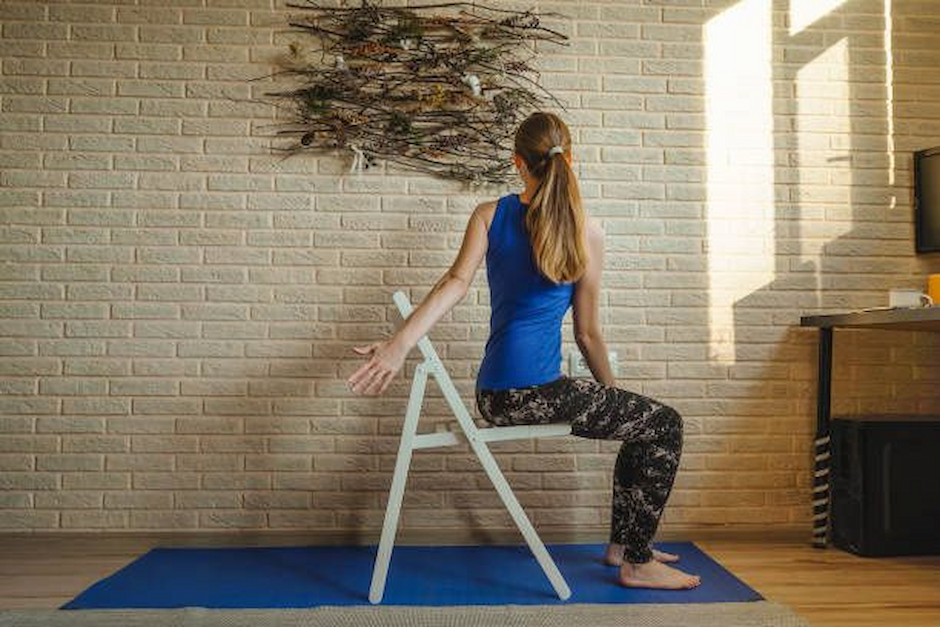
You can sit on a firm block or folded blanket, stretch your legs out straight, or even practice seated postures on a sturdy chair.
5. Will lifting weights make me too stiff to practice yoga?
No, combining weight training with regular yoga practice builds a healthy balance of muscular strength and functional joint flexibility.
6. Should men who have tight hamstrings do yoga?
Yes, men frequently experience tight hamstrings and hips due to high muscle density; modified yoga offers exceptional relief for lower back tightness in men.
7. What props should an inflexible beginner buy first?
A non-slip yoga mat, two high-density foam blocks, and a 6-foot cotton yoga strap provide all the support needed for an adaptive practice.
8. Is it safe to do yoga online if I am very stiff?
Yes, online classes are safe as long as you follow certified instructors who offer clear beginner modifications and avoid pushing into painful stretches.
Embracing Your Journey Exactly as You Are
Answering can you do yoga without any flexibility reveals the true essence of this ancient discipline: yoga is not about bending your body into impressive shapes, but about opening your mind and breath to your current experience. By respecting your body’s boundaries and utilizing adaptive tools, you transform physical stiffness into a foundation for lasting mobility and peace.
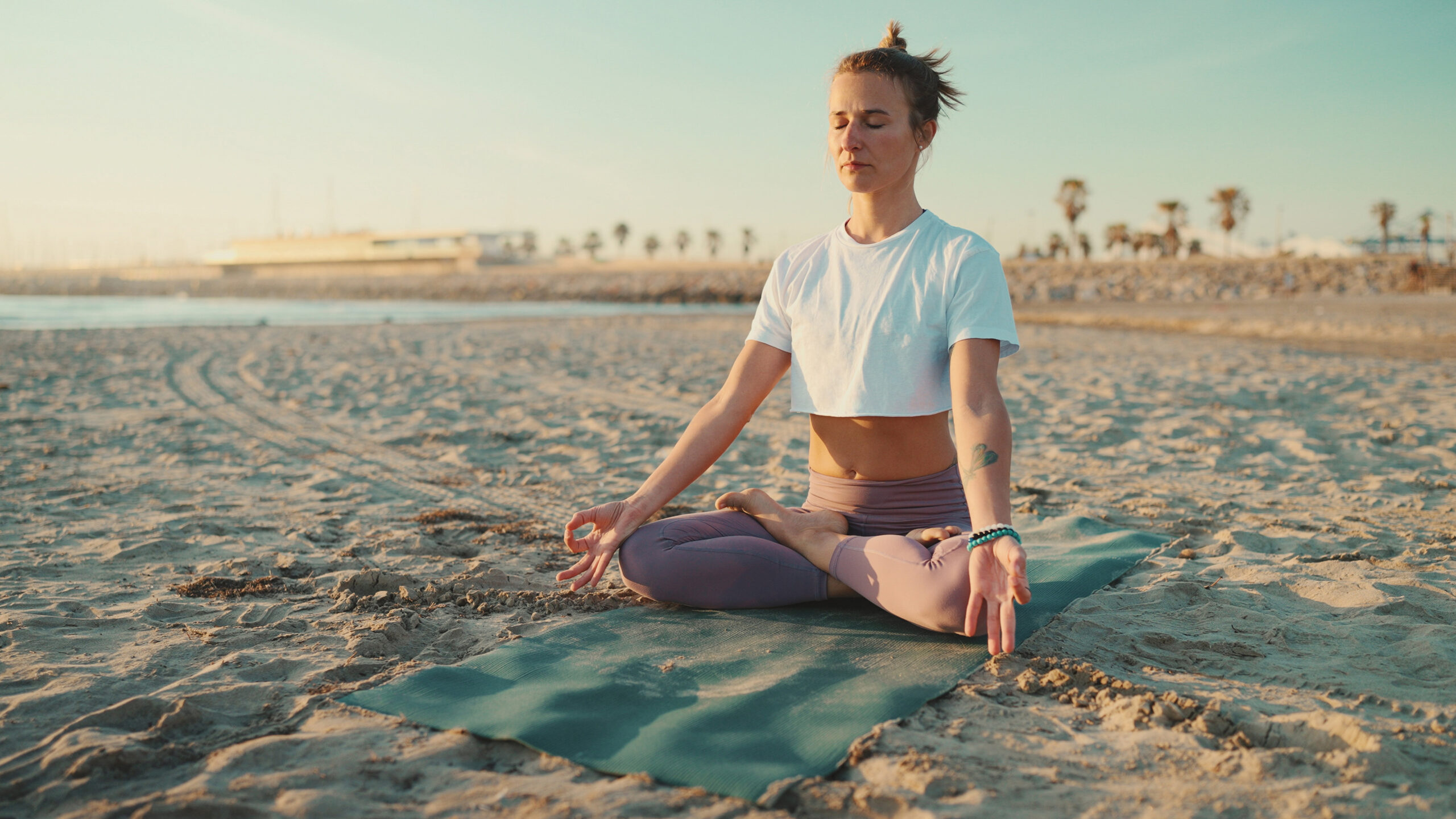
Whether you join our ocean-side morning sessions along the sands of Besant Nagar and ECR in Chennai or connect through our interactive live online classes across India, stepping onto your mat with an open mind is the only requirement you will ever need.
Health Disclaimer:
This content is for educational purposes only and is not a substitute for medical advice. Consult your doctor before starting any new exercise program.


Leave a Comment