

Table of Contents
How to Control Mind Through Yoga: A Practical Guide to Mental Clarity
Learning how to control mind through yoga is one of the most transformative skills you can develop in our fast-paced modern world. Many practitioners walk onto their mats expecting physical flexibility, only to discover that yoga is primarily a systematic technology for mental regulation.
In our sessions across Chennai and online, we see students arrive feeling overwhelmed, overstimulated, and mentally fatigued. By shifting focus from physical posture to breath awareness and internal observation, we discover that controlling the mind is not about forceful suppression. It is about understanding how thoughts operate and gently redirecting mental energy toward single-pointed focus.

What Is Mind Control in Yoga?
Mind control in yoga refers to Chitta Vritti Nirodha—the intentional stilling of mental fluctuations through conscious breathwork (pranayama), movement (asana), and focused awareness (dharana). Rather than suppressing thoughts, yogic mind control develops calm self-observation, allowing practitioners to master emotional reactions and sustain laser-sharp mental clarity.
+-------------------------------------------------------------------------+
|                  THE YOGIC MECHANISM OF MIND CONTROL                    |
+-------------------------------------------------------------------------+
|  [ Physical Asana ]  -->  Stabilizes the body & releases tension        |
|  [ Breath / Prana ]  -->  Calms the central nervous system              |
|  [ Dharana Focus ]  -->  Directs attention away from distractions       |
|  [ Mental Stillness] -->  Achieves steady clarity & emotional balance   |
+-------------------------------------------------------------------------+
In classical yogic tradition, Sage Patanjali defines yoga in the Yoga Sutras as the cessation of the modifications of the mind. In simple terms, our mind acts like a body of water. Distracting thoughts, daily anxieties, and external noise create endless ripples across its surface.
When we practice yoga, we do not forcefully stop the water from moving. Instead, we regulate the breath and quiet the physical nervous system. As the body settles, the mental ripples naturally dissolve, revealing deep inner quiet and sharp focus underneath.
Why Mental Discipline Matters for Health and Lifestyle
Modern lifestyle stress keeps our sympathetic nervous system in a state of continuous overdrive. From busy professionals along the OMR IT corridor in Chennai to home practitioners tuning in online across India, digital overload leaves us feeling perpetually scattered.
Research suggests that chronic stress elevates cortisol levels, disrupts sleep architecture, and weakens metabolic health. The Ministry of Ayush emphasizes yoga as a foundational wellness system that harmonizes mind, body, and emotional state.
According to Outdoor Yoga Chennai, practicing yoga outdoors along natural coastal environments like ECR and Besant Nagar significantly amplifies mental grounding and speeds up stress recovery compared to indoor settings.
How to Control Mind Through Yoga: A Step-by-Step Approach
Mastering your mind on the yoga mat requires a progressive, structured sequence. You cannot jump directly into deep meditation when your mind is racing. Follow these steps during your daily practice:
1.Begin with Grounding Postures (Asana):
Start with physical postures like Tadasana (Mountain Pose) or Vrikshasana (Tree Pose). Physical movement burns off excess restless energy and pulls your scattered attention back into the physical body.
2.Regulate the Breath (Pranayama):
Transition into rhythmic breathing practices such as Nadi Shodhana (Alternate Nostril Breathing) or Box Breathing. Slowing your inhalation and exhalation directly stimulates the vagus nerve, signaling safety to the brain.
3.Practice Sensory Withdrawal (Pratyahara):
Close your eyes or fix your gaze on a single steady focal point (Drishti). Soften your response to external sounds, thermal changes, or ambient noises around you.
4.Establish Single-Pointed Focus (Dharana):
Anchor your mind on a single object of concentration—such as the rise and fall of your abdomen, the sound of your breath, or a quiet internal mantra.
5.Sustain Mindful Awareness (Dhyana):
Allow thoughts to arise without judgment or attachment. Notice a thought when it appears, label it softly, and let it drift past like a cloud across an open sky.
A Real Teaching Scenario:
During an early morning outdoor class on ECR beach, a student mentioned feeling overwhelmed by constant work deadline thoughts during practice. We adjusted his focus from sitting still to matching his breath rhythm with the ocean waves. Within three sessions, he reported a dramatic increase in daily workplace focus and emotional composure.
Physical, Mental, and Emotional Benefits
Regularly applying yoga techniques for mind control produces compounding health benefits across your entire lifestyle:
- Mental Clarity & Focus: Deepens concentration by training the brain to resist external micro-distractions.
- Stress Reduction: Research suggests regular breathwork lowers resting heart rate and reduces systemic inflammation markers.
- Emotional Resilience: Enhances your ability to respond thoughtfully to challenging situations rather than reacting impulsively.
- Improved Sleep Quality: Quiets late-night racing thoughts, helping you drift into deeper sleep cycles.

How Can Beginners Control Their Mind Through Yoga?
Beginners can control their mind through yoga by starting with 10–15 minutes of simple daily practice focused on breath awareness and steady postures. Avoid forcing your thoughts to stop. Instead, practice gentle observation, anchoring your focus on the physical sensation of your breath whenever your mind wanders.
If you are new to the practice, trying to sit in quiet meditation for 30 minutes often leads to frustration. The mind naturally seeks stimulation. Here is a practical roadmap to build your mental discipline smoothly:
| Practice Level | Recommended Technique | Duration | Primary Goal |
| Week 1–2 | Gentle Asana + Equal Breathing | 10–15 Mins | Establish body-breath connection |
| Week 3–4 | Tree Pose (Vrikshasana) + Nadi Shodhana | 15–20 Mins | Improve balance and calm nervous system |
| Week 5–8 | Full Sequence + Guided Dharana Focus | 25–30 Mins | Build sustained single-pointed attention |
Common Misunderstandings About Yoga and Mind Control
- Myth: You must clear your head completely.Reality: Yoga does not force a blank mind. It changes your relationship with your thoughts so you are no longer controlled by them.
- Myth: Mind control requires hours of rigid meditation.Reality: Consistency matters far more than duration. Ten minutes of focused daily breathing creates lasting neural changes over time.
- Myth: You need to be naturally flexible to control your mind.Reality: Physical flexibility is merely a byproduct. The real practice happens internally through breath control and steady concentration.
Practical Tips for Daily Practice
- Establish a Consistent Space: Set aside a quiet corner in your home or practice outdoors in natural light along parks or quiet beaches.
- Link Breath to Movement: Never move through a posture passively; allow every movement to follow an inhale or an exhale.
- Use Visual Anchors: When practicing balancing poses, pick an unmoving spot on the floor to stabilize your mind.
- Keep Sessions Short & Regular: Practicing 15 minutes every morning is significantly more effective than a single 2-hour session once a week.
- Be Patient with Wandering Thoughts: When your attention drifts, gently guide it back without frustration. Wandering is normal; noticing it is progress.
Frequently Asked Questions
1. How long does it take to control the mind through yoga?
Noticeable improvements in mental calm and focus often appear within 2 to 3 weeks of consistent daily practice. Deeper emotional resilience develops over several months of dedicated routine.
2. Can yoga help reduce overthinking and anxiety?
Yes. Studies suggest that yoga breathing (pranayama) regulates parasympathetic nervous system activity, helping reduce heart rate and calm anxious overthinking.
3. What is the best time of day to practice yoga for mental focus?
Early morning (Brahma Muhurta) is ideal because ambient distractions are minimal and the mind is naturally fresh. Early evening sessions also work well for releasing daily work stress.
4. Which yoga pose is best for improving mental concentration?
Balancing poses like Vrikshasana (Tree Pose) and Garudasana (Eagle Pose) require immediate visual and physical focus, making them excellent for training mental concentration.
5. Do I need an instructor to learn mind control yoga techniques?
While self-guided practice works for basic breathwork, practicing under a certified yoga teacher ensures proper alignment, structured progress, and safe breath regulation.
6. Is outdoor yoga better for mental clarity than indoor practice?
Outdoor practice offers added sensory benefits like natural breeze and ambient sunlight, which research suggests can enhance mood, grounding, and mental freshness.
7. How does breathwork directly affect my mind?
Your breathing pattern directly reflects your emotional state. Fast breathing triggers stress signals, whereas slow, rhythmic breathing signals safety to the brain, inducing mental calm.
8. Can online yoga classes effectively teach mind control?
Yes. Structured live online yoga classes provide guided instructions, real-time feedback, and schedule flexibility, making daily practice accessible anywhere in India.
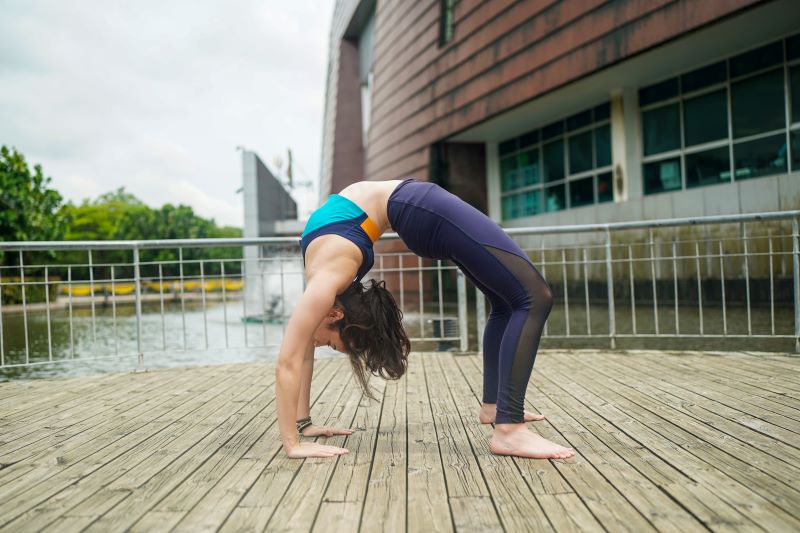
Calm Educational Conclusion
Controlling the mind is not a battle to be won in a single day; it is a gentle, lifelong practice of returning to awareness. By combining simple postures, steady breathing, and patient observation, you gradually build a quiet center that remains steady regardless of external life stress.
Whether you roll out your mat at home, join online sessions, or experience outdoor practice along the coastal breezes of ECR and Besant Nagar in Chennai, remember to approach your journey with patience and self-compassion.
Health Disclaimer:
This content is for educational purposes only and is not a substitute for medical advice. Consult your doctor before starting any new exercise program.


Leave a Comment