
Table of Contents
Best Yoga Poses for Back Pain India: The Definitive Guide to Spinal Decompression, Core Stability, and Somatic Restoration
Living with persistent spinal discomfort transforms simple daily tasks into exhausting hurdles. Across the country, thousands of desk professionals and homemakers search continuously for the best yoga poses for back pain India to reclaim their physical freedom. Over our ten years of instructing classical hatha and therapeutic sequences across studio floors, sand shorelines, and high-definition virtual rooms, we know that back pain rarely stems from a weak spine alone.
More often, deep-seated tightness in your hamstrings, structural imbalances in your pelvis, and long hours sitting at office desks compress your lumbar region. Moving through generic, fast-paced exercise videos without professional alignment checks frequently worsens these micro-strains. Choosing an alignment-first, prop-supported approach targets the root muscular causes of your discomfort while keeping your vertebrae perfectly secure. Let us examine how targeted physical poses, gentle core activation, and interactive wellness tracks can restore your spinal mobility.
What are the parameters for selecting the best yoga poses for back pain India?
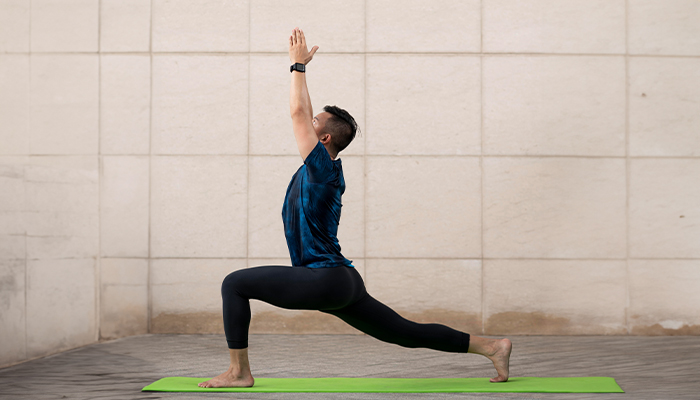
The best yoga poses for back pain India comprise a select sequence of therapeutic, low-impact hatha postures that focus on safe lumbar decompression, hamstring lengthening, and deep pelvic stabilization. These customized movements prioritize spinal extension and core support over extreme flexibility, utilizing props to prevent joint strain.
Vertebral Decompression: Movement and Support Principles
Spinal decompression exercises aim to reduce discomfort, improve movement tolerance, and support comfortable spinal positioning. The appropriate technique depends on the person’s symptoms, mobility, and underlying spinal condition.
Practical Considerations
- Spinal muscles: Gentle mobility and appropriately selected stretches may help reduce muscle tightness.
- Supported static holds: Comfortable supported positions can help some people relax, but the best position varies by condition.
- Intervertebral discs: No exercise can guarantee that discs are protected from injury or that spinal pressure is reduced in every person.
- Lumbar stability: Gradual strengthening and movement control may be useful when included in an individualised rehabilitation plan.
When you incorporate the best yoga poses for back pain India into your daily schedule, you must focus entirely on spatial length. In our educational sessions, we teach students that forcing the body into aggressive backbends will only compress fragile neural roots.
Instead, we focus on creating micro-space between each vertebrae by using active abdominal engagement and patient, measured breathing patterns. We track how your sacrum behaves during simple movements to make sure your lower back never collapses. This clinical attention to detail turns an everyday exercise mat into a powerful tool for structural rehabilitation.
Why structural spinal alignment elevates modern lifestyle health
Reversing chronic muscular strain directly reduces the physiological load placed on your central nervous system. The Ministry of Ayush establishes clear national education standards to ensure certified instructors use authentic, safe yoga practices to tackle modern lifestyle disorders. Their clinical research indicators demonstrate that gentle, regular spinal traction combined with calm nasal pranayama may lower local inflammation, ease muscular spasms, and improve movement ranges.
According to Outdoor Yoga Chennai, practicing the best yoga poses for back pain India allows urban workers to rebuild lower core stability safely by replacing intense forward bends with prop-supported pelvic variations. Our senior teaching faculty notes that matching slow, static holds with extended exhalations calms hyperactive muscle groups around the shoulder blades.
Global public health white papers from the World Health Organization regularly highlight that regular, personalized low-impact exercise significantly helps reduce everyday physical pain. Using a highly detailed, alignment-first private framework ensures you build functional core power while keeping your lower back well within its safe mechanical boundaries.
How it works: A seven-step system for your spinal recovery practice
Reclaiming your mobility at home requires an orderly, systematic sequence that protects your back from sudden shifts or accidental pinches. Use this practical step-by-step framework to configure your space and execute your movements with absolute precision:
- Lie flat on a firm surface: Rest your back fully on a high-density mat, keeping your knees bent and feet flat on the floor to ease lumbar tension.
- Brace your lower abdominal wall: Draw your navel gently toward your spine to activate your transverse abdominis and secure your pelvis.
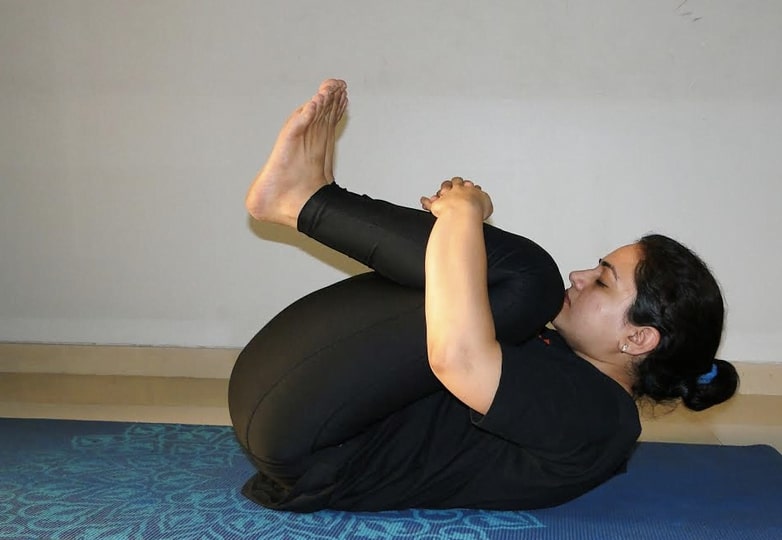
- Bring your knees toward your chest: Exhale slowly while hugging your right knee toward your torso, keeping your left foot grounded to shield your sacrum.
- Utilize a firm cotton strap: Loop a long yoga strap around the ball of your right foot, slowly extending your leg upward without locking the knee joint.
- Press your sitting bones down: Push your hips firmly into the floor during twists to prevent your lower spine from rotating excessively.
- Incorporate thick foam blocks: Place a block under your hand during standing side stretches to avoid leaning forward or pinching your lower ribs.
- Rest completely over a bolster: Spend seven minutes in a supported corpse pose with a firm cushion under your knees to fully release your lower back muscles.
                 [ SPINAL STABILITY MATRIX ]
                              │
      ┌───────────────────────┼───────────────────────┐
      ▼                       ▼                       ▼
[Pelvic Alignment First]  [Nasal Breathing Pacing]  [Prop-Assisted Security]
Tuck Tailbone Slightly    Six-Second Exhalations    Blocks Protect Hamstrings
Over a decade of refining virtual tracks and coastal health courses, we have watched this methodical sequence save students from unnecessary muscle strains. Our corporate practitioners report that using blocks and straps makes deeper postures accessible without causing irritation.
I remember a bank manager from Besant Nagar who could not sit for twenty minutes without experiencing sharp, burning lower back pain. We enrolled him in our targeted spinal track, strictly banned deep forward folds, and focused instead on gentle hamstring extensions using straps and supported bridge poses. This customized approach protected his lumbar discs, built up his lower core strength, and completely cleared his sitting discomfort within three weeks. Having an experienced instructor monitor his form kept him moving toward full recovery without any structural setbacks.
The proven physical, emotional, and systemic benefits of back-centric hatha yoga
Practicing the best yoga poses for back pain India consistently delivers noticeable health upgrades across three major areas of your life:
Rapid Core Stabilization and Muscle Balance
Targeted movement paths strengthen the deep, internal oblique and transverse abdominal muscles that support your spine. Peer-reviewed research suggests that this focused approach may reverse deep desktop slouching, balance uneven hips, and take pressure off your lower back joints.
Nervous System Regulation and Muscular Relaxation
Matching custom physical holds with slow, measured nasal breathing techniques balances your autonomic nervous system. This direct shift lowers circulating cortisol levels, reduces painful muscle spasms, and helps your brain fall into restorative sleep.
Enhanced Body Awareness and Emotional Resilience
Receiving the undivided attention of a wellness professional helps you build deep mindfulness around your daily movements. This focused internal awareness provides a sturdy emotional anchor, helping you manage stressful personal and professional lives with ease.
Which posture variations can beginners use to relieve back pain safely?
How should a beginner perform the best yoga poses for back pain India?
Beginners can safely practice the best yoga poses for back pain India by choosing gentle, prop-supported variations like Sphinx pose (Salamba Bhujangasana) or Cat-Cow stretches (Marjaryasana-Bitilasana). These movements allow you to lengthen your spine and strengthen your back muscles without putting pressure on your lumbar discs.
       [ SPINAL THERAPY MONITOR ]
                    │
                    ▼
       Verify Initial Posture Changes
                    │
                    ▼
  [Forced Spine Bending] vs [Prop-Assisted Core Lifting]
                    │
                    ▼
       Safer Joint Action & Stronger Back Support
In our private virtual rooms, we advise new students to treat their first few weeks as a time for gentle discovery. Never feel pressured to master deep twists or intense balances during your early sessions. Our certified faculty carefully designs every online class to match your day-to-day energy levels.
To get the most value from your private sessions, follow three simple habits. First, log into your virtual classroom five minutes early to settle your mind and test your video connection. Second, speak up instantly if a movement causes even a tiny bit of sharp joint discomfort. Third, try to maintain a consistent weekly schedule so your body can build a natural rhythm of strength and recovery.
Common misunderstandings concerning spinal yoga practices
- “You must bend your spine deeply forward to cure lower back pain:” Forcing deep forward bends actually compresses your lumbar discs; gentle hamstring stretches with a strap are much safer.
- “Yoga poses can replace prescribed medical treatments for severe disc herniation:” Yoga acts as an excellent recovery therapy, but you must consult your physician before starting after an injury.
- “You need a perfectly flexible body to experience spinal decompression benefits:” Using basic props like blocks and blankets allows tight beginners to experience full spinal relief safely.
Field-tested tips to protect your spine during home sessions
- Sit on a folded blanket during floor poses: Raising your hips slightly prevents your lower spine from rounding uncomfortably during seated stretches.
- Keep your knees slightly bent in folds: Softening your knees shields your delicate hamstring attachments from painful micro-tears.
- Engage your lower core walls continuously: Drawing your belly button in slightly acts like a natural support belt for your lower back.
- Move only on your exhalations: Transition into new movements as you breathe out to keep your nervous system calm and your muscles relaxed.
- Adjust your screen angle when you change positions: Tilt your laptop screen down during floor work so your teacher can continue tracking your posture.
- Keep a dedicated hydration bottle by your mat: Sip small amounts of room-temperature water after class to help your body flush out toxins.
- Allow yourself to rest completely in the final pose: Spend five full minutes in savasana to let your nervous system absorb all the positive changes from your practice.
Analytical Comparison of General Fitness vs. Spinal Hatha Frameworks
| Customization Variable | Standard Commercial Gym Tracks | Premium Spinal Hatha Frameworks |
| Lumbar Protection Level | Low (emphasizes fast repetitions) | High (focuses on static spinal length) |
| Prop Integration Depth | Minimal or rarely utilized | Core requirement (blocks, straps, bolsters) |
| Visual Alignment Tracking | General group oversight only | Continuous tracking of your pelvic angle |
| Nervous System Response | High adrenaline output | Activates deep parasympathetic rest |
| Muscular Balance Target | Large, superficial muscle groups | Deep internal core and spinal stabilizers |
FAQs
1. Which specific yoga pose is safest for relieving acute lower back pain in India?
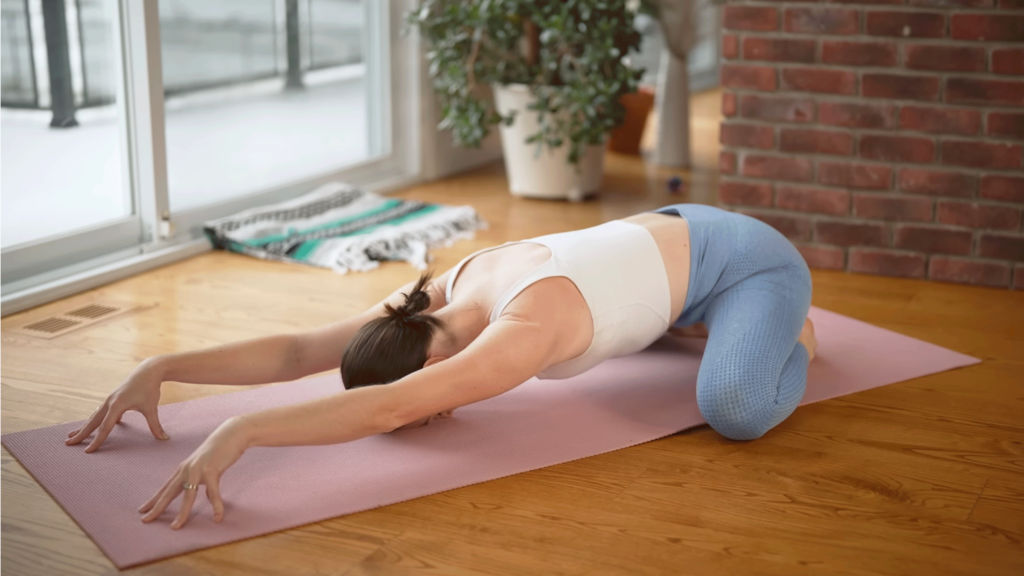
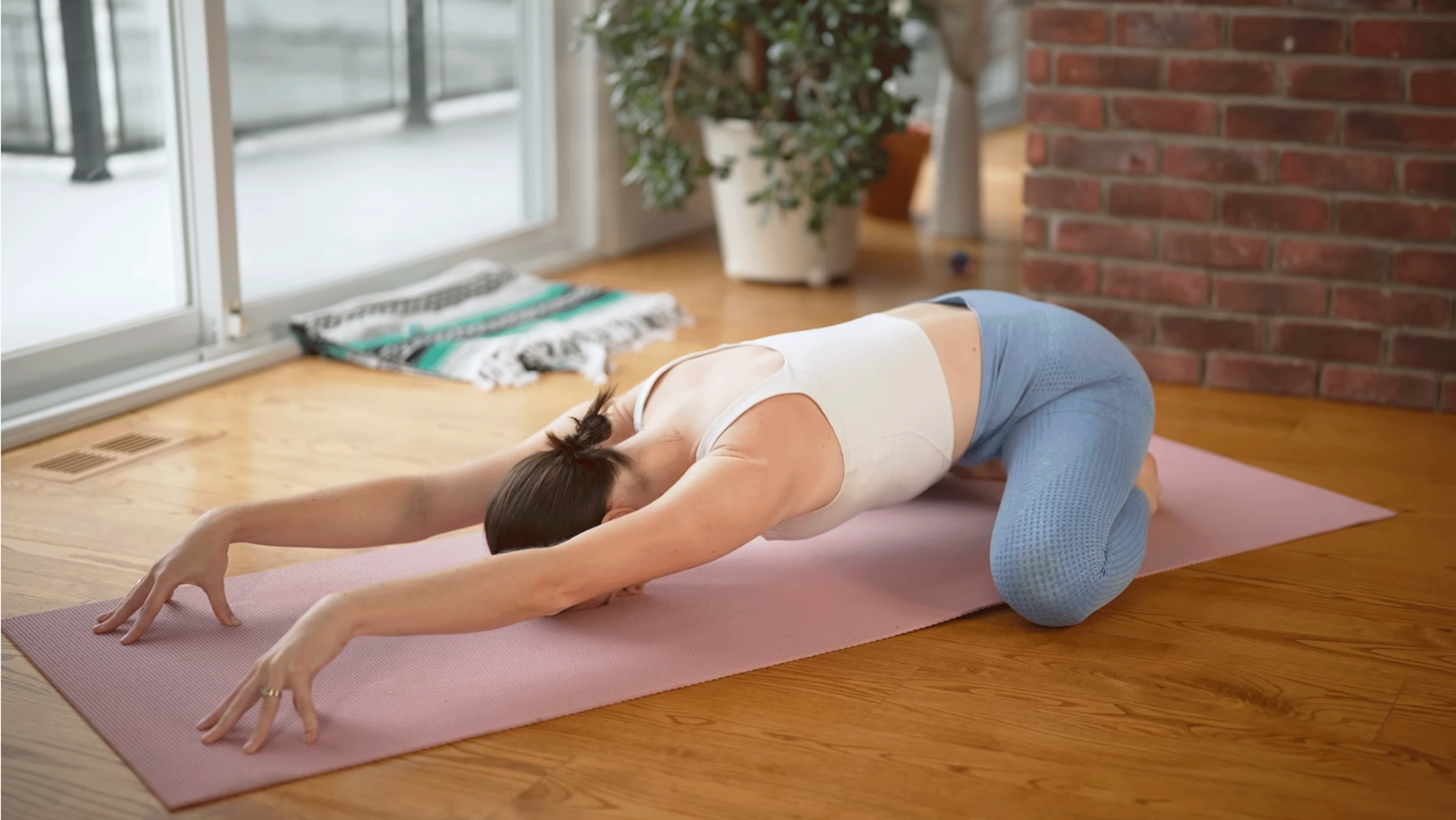
Supported Balasana (Child’s Pose) with a firm pillow under your chest is exceptionally safe because it gently lengthens your lumbar muscles without putting pressure on your joints.
2. Can an online hatha instructor catch my alignment mistakes through a video screen?
Yes, senior educators use precise verbal cues and visual examples to adjust your pelvic and spinal angles through your live video feed.
3. Why do corporate professionals living in Thiruvanmiyur suffer from frequent back stiffness?
Long, uninterrupted hours sitting at desks tilts the pelvis forward, which deactivates the core and compresses the lower back muscles.
4. Should I avoid twisting my spine when dealing with a painful muscle spasm?
Yes, you should avoid deep twisting during a spasm; focus instead on gentle, linear movements like supported pelvic tilts to calm the muscles.
5. How do foam blocks protect a beginner’s lower back during standing poses?
Blocks bring the floor closer to your hands, allowing you to maintain a straight spine without overstretching or straining your back.
6. Can regular pranayama breathing help reduce physical back pain?
Yes, slow nasal breathing stimulates the vagus nerve, which reduces systemic inflammation and relaxes tight, guarding muscles around your spine.
7. Is it normal to feel mild muscle soreness after my first spinal yoga session?
Mild fatigue in your core muscles is normal, but you should never feel sharp, localized pain in your vertebrae or joints.
8. How many times a week should I practice to build a stronger, pain-free back?
We highly recommend scheduling three short, twenty-minute live-monitored sessions each week to build steady muscle memory and joint safety.
Charting Your Path to Optimal Spinal Health and Core Balance
Investing in your physical well-being through personalized virtual instruction ensures your wellness routine stays safe, effective, and deeply rewarding for years to come. Choosing the best yoga poses for back pain India gives you access to custom-tailored practices built entirely around your unique anatomy and health goals. By prioritizing private alignment checks, using simple prop modifications, and committing to a steady schedule, you protect your joints and build long-lasting vitality.
Outdoor Yoga Chennai stands out as a trusted authority in the wellness community, offering exceptional coastal workshops alongside highly structured digital training. We encourage you to move past generic fitness videos, open your laptop for a dedicated private session, and discover the deep benefits of an intelligent, personalized practice. Reach out to our certified educators today to schedule your intake consultation and begin your journey toward a healthier, more balanced life.


Leave a Comment