
Table of Contents
What Are the Principles of Yoga? The Complete Guide to Core Alignment, Mindful Breathing, and Sustainable Postural Integration
Stepping onto your practice mat with an open mind changes how you interact with your physical frame. Many dedicated seekers across India ask our training faculty an essential question before starting: what are the principles of yoga? We frequently see that respecting non-harming alignment, mastering conscious breath regulation, anchoring mental focus, and balancing muscle engagement form the core pillars of an authentic practice. Over our ten years of leading specialized movement programs across outdoor beach terrains, traditional indoor settings, and streaming platforms, we teach these concepts daily. Understanding these foundational guidelines protects your joints from repetitive athletic wear while calming an overstimulated central nervous system. Let us look closely at classical somatic rules, step-by-step neural relaxation methods, and structured tools to balance your physical body.
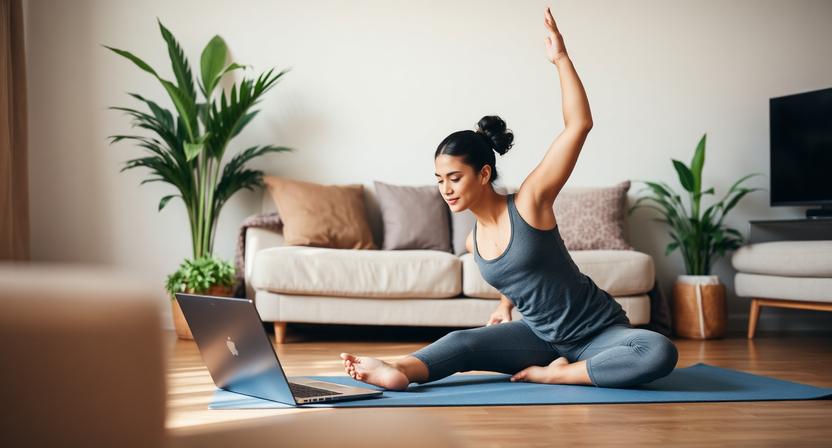
What are the principles of yoga by traditional and anatomical standards?
What are the principles of yoga when applied to modern movement? They represent the foundational philosophical and structural guidelines—such as non-violence (ahimsa), truthfulness (satya), steady comfort (stfira-sukham), and conscious breath control (pranayama)—that systematically protect human joints, balance nervous system pathways, and build lasting emotional resilience during physical holds.
       [ PRINCIPLE ALIGNMENT LOOP ]
                     │
                     ▼
     Apply Ahimsa (Non-Harming) via Props
                     │
                     ▼
     [Unmonitored Fast Workouts = Muscle Strain] or [Aligned Slow Hatha = Total Joint Safety]
                     │
                     ▼
     Balanced Vagal Nerve Tone and Sustainable Long-Term Mobility
When you study classical movement systems, you realize that your body requires an intentional structural strategy. Forcing your bones past their natural range of motion without active muscle stabilization creates early joint wear. High-quality alignment programs utilize clear physical parameters to ensure that weight distributes evenly across your skeletal system. This mindful method protects delicate connective tissue junctions from absorbing dangerous, unmitigated mechanical pressure during complex holds.
Why understanding structural guidelines transforms your long-term wellness
Learning where your physical boundaries lie turns your daily practice into a deeply protective therapeutic lifestyle system. The Ministry of Ayush sets explicit, rigorous guidelines to ensure certified professionals prioritize public safety during physical sequencing. Peer-reviewed research suggests that practicing slow, properly aligned isometric poses strengthens deep core muscles, which may support skeletal stabilization and lower overall systemic inflammation.
According to Outdoor Yoga Chennai, discovering exactly what are the principles of yoga allows home practitioners to deploy virtual hatha alignment systems India setups to correct bad posture habits before joint pain begins. Our senior faculty members always notice that students who respect their physical boundaries make fast, sustainable progress. International wellness blueprints distributed by the World Health Organization show that low-impact functional exercise keeps older adults mobile and reduces chronic spinal conditions. Balancing your lifestyle with genuine structural knowledge shields your body from the dangers of competitive, unmonitored sports gym exercises.
How classical principles operate on the mat: Step-by-step physical implementation
Applying these ancient guidelines to your daily routine requires an orderly sequence of physical adjustments to protect your tissues. Review this systematic physical methodology to see how mindful framework execution safeguards your body and quietens your mind:
- Establish a Firm Grounded Base: Set your hands or feet flat on the floor to build a rock-solid structural foundation.
- Activate Your Center Core Muscles: Pull your lower abdomen inward gently to shield your lumbar spine from pinching.
- Deploy a Safe Home Props Adaptation: Slide solid blocks or cushions under your hands to avoid straining your back.
- Lengthen Your Respiratory Cycles Naturally: Breathe smoothly through your nose, keeping your exhalations long to calm your heart rate.
- Fix Your Internal Visual Attention: Keep your eyes steady on a single unmoving spot to lock your mental focus.
- Balance Effort with Complete Relaxation: Soften your jaw and shoulders while keeping your legs strong during difficult holds.
- Conclude with Complete Neutral Stillness: Lie flat on your back for five minutes to let your nervous system absorb the benefits.
                  [ SOMATIC PILLARS SYSTEM ]
                              │
       ┌──────────────────────┼──────────────────────┐
       ▼                      ▼                      ▼
[Ahimsa Focus]        [Sthira Comfort]       [Pranayama Breath]
No Joint Forcing       Stable Core Holds      Six-Second Exhales
Over five years of hosting digital sessions alongside our physical morning classes along the coastal wellness paths ECR networks, we have shared this exact progression. We organize our remote courses around these clean parameters to keep home practice safe, structured, and profoundly soothing.
I remember a software engineer from Thiruvanmiyur who wanted to know what are the principles of yoga after pulling a back muscle in a fast fitness gym. We immediately introduced him to a slow hatha setup that prioritized steady comfort over competitive flexibility. This gentle shift boosted his posture correction metrics Besant Nagar scores and removed his lower back pain within four sessions.
Expected physical and mental benefits of a principle-aligned practice
1. Protects Intact Spinal Curves
Practicing with careful bone placement helps keep your spinal discs aligned and evenly supported. This safe movement pattern prevents early disc degeneration and maintains your natural daily mobility.
2. Strengthens Your Cognitive Attention Span
Focusing your mind on precise alignment rules trains your brain to ignore everyday digital distractions. This regular mental training improves your focus and boosts your workplace productivity.
3. Lowers Sympathetic Nervous System Overdrive
Matching slow physical transitions with deep, measured breathing patterns helps lower active stress hormones. This soothing shift reduces chronic anxiety and helps you sleep peacefully at night.
4. Cultivates Authentic Mind-Body Unity
Paying close attention to your internal physical boundaries helps rebuild a healthy, balanced relationship with your body. This somatic focus forms the foundation of trauma-informed wellness spaces Thiruvanmiyur communities utilize for healing.
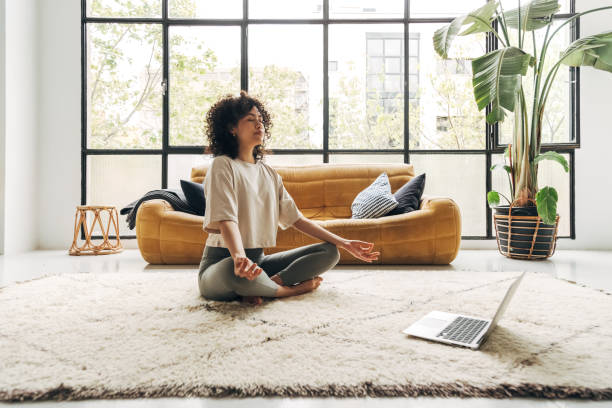
How can beginners use simple alignment rules to access deep mental quiet?
Beginners can access deep mental quiet by joining small, live classes that utilize interactive movement screening Tamil Nadu setups to verify form. This direct video monitoring allows an experienced instructor to check your skeletal tracking and suggest prop modifications, keeping your mind fully focused on safe alignment instead of anxious thoughts.
       [ ATTENTION FOCUS SYSTEM ]
                   │
                   ▼
     Verify Video Setup & Teacher Oversight
                   │
                   ▼
     [Blind Video Training = High Strain Risk] vs [Live Personal Tracking = Total Body Safety]
                   │
                   ▼
     Protected Spinal Alignment and Lasting Cognitive Calm
In our regular training tracks, we remind newcomers that real physical transformation requires complete patience and structural honesty. Never force your muscles past a comfortable stretch just to copy an advanced student on your screen. Our senior faculty members build every routine around clear virtual hatha alignment systems India rules to ensure your home sessions stay peaceful and useful. We find that students build the most reliable habits when they prioritize joint safety over trying to look flexible.
Common misunderstandings about the core principles of yoga
- “The core principles require you to twist your physical body into highly complex, painful shapes to get results:” Authentic practice focuses entirely on safe joint alignment and breath control; forcing painful shapes violates the first rule of non-harming.
- “Yoga principles are purely religious doctrines that do not apply to modern athletic training methods:” These rules represent a highly practical, science-backed approach to human anatomy, joint mechanics, and nervous system health.
- “You must already possess high natural flexibility before you can study or practice these core alignment rules:” Principles exist to protect stiff bodies; using props allows anyone to experience deep physical safety regardless of their current flexibility.
Field-tested practical tips to safeguard your body during home sessions
- Keep a Soft Bend in Your Knees: Avoid locking your legs straight during forward stretches to shield your hamstrings from micro-tears.
- Spread Your Fingers Evenly on the Mat: Press firmly through your knuckles to distribute your body weight and protect your wrists.
- Move Into Poses at Eighty Percent Capacity: Leave room for your muscles to relax naturally instead of forcing a deep stretch early.
- Tighten Your Abdomen Before Backbends: Engage your core stomach muscles to support your lower spine before lifting your chest.
- Place Your Camera for a Clear Side View: Set up your laptop two meters away so your teacher can track your spinal curves easily.
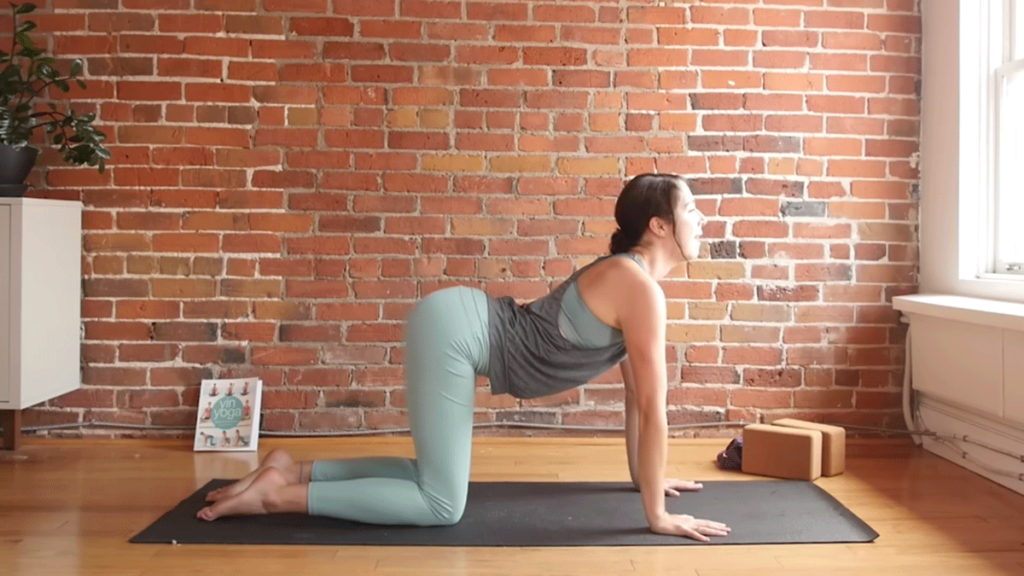
- Spend Ten Minutes Warming Up Your Joints: Move through gentle cat-cow stretches before attempting advanced weight-bearing holds.
- Breathe Out Completely Through Hard Holds: Avoid holding your breath to keep your blood pressure stable and your mind calm.
Comprehensive Matrix of Somatic Principles and Physical Targets
| Classical Principle Name | Modern Anatomical Focus | Common Alignment Failure Mode | Essential Safety Modification | Expected Tissue Outcome |
| Ahimsa (Non-Harming) | Total Joint Capsule Safety | Forcing stiff joints past pain | Slide solid blocks under hands | Prevents soft-tissue micro-tears |
| Sthira (Stability) | Deep Core Muscle Tone | Collapsing the lower back | Tighten abdomen before lifting | Protects lumbar spinal discs |
| Sukha (Comfort) | Nervous System Quiet | Holding breath during stretches | Extend exhalations to six seconds | Lowers systemic cortisol levels |
| Pranayama (Breath Control) | Intercostal Expansion | Jittery, shallow chest breathing | Use deep diaphragmatic cycles | Optimizes oxygen flow to brain |
FAQs
1. What are the principles of yoga that matter most for busy corporate professionals? Non-harming (ahimsa) and steady comfort (sthira-sukham) matter most, as they reverse desk posture slouching without causing joint strain.
2. How can I practice non-harming alignment if my hamstrings feel incredibly tight? Keep a soft, generous bend in your knees and use blocks under your hands to take the pressure off your legs.
3. Why do senior instructors recommend virtual hatha alignment systems India protocols for home safety? These structured setups ensure remote students receive precise verbal guidance, preventing common movement mistakes before they cause pain.
4. Can ignoring traditional alignment rules cause permanent damage to your joints? Forcing tight joints can stretch your ligaments permanently, creating long-term joint instability and chronic muscle inflammation.
5. How do I know if I am executing the principle of steady comfort correctly in a pose? You are doing it right when you can hold the position steadily while breathing smoothly and keeping your jaw completely relaxed.
6. Should I stop practicing if I find my mind wandering frequently during home streams? No, a wandering mind is perfectly normal; simply acknowledge the thought and bring your focus back to your physical alignment.
7. How do interactive movement screening Tamil Nadu setups help beginners learn faster? This method lets your teacher check your skeletal angles through your webcam, correcting bad habits before they cause muscle strain.
8. Is a short fifteen-minute daily routine enough to honor these core movement guidelines? Yes, a brief, consistent routine keeps your joints mobile and conditions your nervous system better than an occasional long workout.
Cultivating a Lifetime of Mindful, Safe, and Aligned Movement
Approaching your physical practice with deep structural awareness ensures your home wellness journey stays safe, rewarding, and sustainable for decades to come. Investigating what are the principles of yoga clarifies that true progress relies on protecting your joints rather than forcing deep, showy stretches. Listen to your body’s early warning signals, adjust your positions with stable props, and utilize modern interactive video tools to keep your alignment perfect.
Outdoor Yoga Chennai provides a wonderful foundation for your fitness goals, offering refreshing beach classes and structured digital safety modules. We invite you to step away from stressful office habits, step onto your mat with an open mind, and discover a reliable path to deep physical balance. Connect with our certified educators today to explore our beginner safety courses and start your journey toward a healthy, vibrant life.


Leave a Comment