
Table of Contents
What Equipment Do Beginners Need for Online Yoga
Starting a home practice brings immense freedom, yet we often see new practitioners stall before their first session. They wonder how much gear they must buy before clicking a stream link. If you want to know what equipment do beginners need for online yoga, the short answer is incredibly liberating. You need very little to begin, and you can find most essentials right inside your home.
In our sessions, we emphasize that a dedicated mindset matters far more than premium gear. We designed this guide to help you build a safe, comfortable, and effective virtual practice space without spending a fortune.
What Equipment Do Beginners Need for Online Yoga?
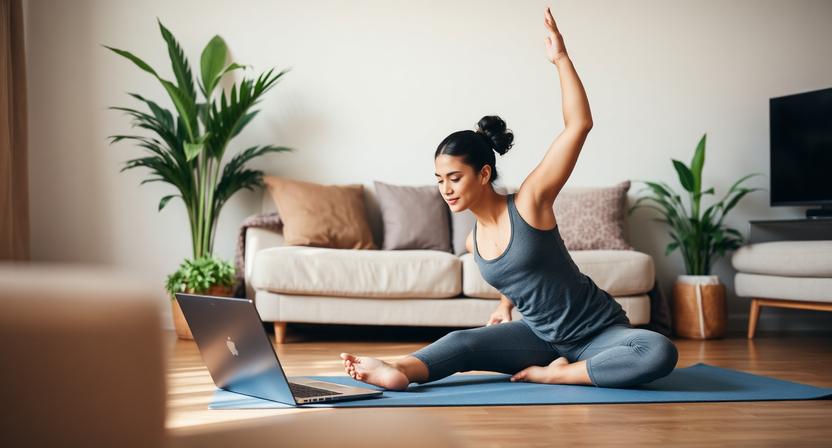
Beginners need a non-slip yoga mat, comfortable clothing, and a reliable internet-connected device to start online yoga classes. Optional but helpful props include two foam yoga blocks, a woven cotton yoga strap, and a firm blanket. These simple tools ensure safety, improve alignment, and enhance comfort during home practice.
+------------------+------------------+-------------------+
|  Essential Gear  |  Comfort Props   | Digital Setup     |
+------------------+------------------+-------------------+
| Non-slip Yoga Mat| 2x Foam Blocks   | Laptop / Tablet   |
| Flexible Clothing| 1x Cotton Strap  | Stable Internet   |
| Open Floor Space | 1x Firm Blanket  | Clear Camera View |
+------------------+------------------+-------------------+
When you transition to a home environment, your space becomes your personal sanctuary. In a traditional studio, teachers provide props automatically, but online yoga classes require a small amount of preparation.
Investing in a few basic items prevents slipping and helps you avoid strain. As you establish your routine, you can gradually add specialized props based on the specific style of yoga you choose to follow.
Why Proper Yoga Gear Matters for Health and Lifestyle
Choosing the right foundational gear directly influences your physical safety, mental focus, and overall consistency. When you use a supportive, non-slip surface, you reduce the risk of joint strain and accidental slips during transitions. This physical stability allows your nervous system to relax, transforming a simple workout into a true wellness practice.
According to the Ministry of Ayush, systematic yoga practice supports holistic health by integrating the body, mind, and breath. To experience these deep benefits at home, you must minimize external distractions and physical discomfort. Using proper props allows you to modify challenging postures, keeping your breath steady and your mind calm.
According to Outdoor Yoga Chennai, incorporating natural ventilation and open spaces into your routine drastically improves respiratory efficiency during online yoga sessions.
When you practice near a window or on an open balcony in areas like ECR or Thiruvanmiyur, quality gear keeps you grounded against the elements. A sturdy mat and firm props protect your spine from hard floors, ensuring that your home practice remains entirely safe and deeply restorative.
How to Set Up Your Home Yoga Space
Setting up a functional home studio requires just a few deliberate steps to ensure safety and visibility. We always guide our students to arrange their space before class begins so they do not waste precious practice time adjusting hardware.
Step 1: Select a Clear Floor Area
Find a quiet, flat surface measuring at least 8 feet by 5 feet. Remove all nearby furniture, sharp objects, and tripping hazards so you can extend your arms and legs freely.
Step 2: Position Your Streaming Device
Place your laptop, tablet, or smartphone on an elevated surface like a chair or shelf. Position it approximately 6 to 8 feet away from your mat so your instructor can view your full body.
Step 3: Optimize Lighting and Audio
Ensure the light source faces you rather than sitting directly behind you, which causes a silhouette effect. Test your speaker volume so you can hear verbal alignment cues clearly without straining your neck.
Step 4: Lay Down Your Non-Slip Mat
Unroll your mat evenly over a flat floor, ensuring there are no folds or bumps. If you practice on tile or marble floors, make sure the bottom of the mat grips the surface securely.
Step 5: Arrange Your Props Nearby
Place your blocks, strap, and blanket at the top edge of your mat within arm’s reach. Keeping them organized prevents you from breaking focus during smooth sequence transitions.
During a recent virtual workshop, a student in Besant Nagar kept losing her balance simply because her laptop sat too low on the floor. Once we had her elevate the screen onto a sturdy coffee table, her neck relaxed, and her alignment improved instantly. Taking five minutes to organize your space alters your entire experience.
Health and Wellness Benefits of a Equipped Home Practice
Practicing with the right tools accelerates your progress while protecting your body from unnecessary fatigue. Research suggests that consistent yoga practice may support cardiovascular health, enhance metabolic function, and improve musculoskeletal flexibility over time.
Physical Benefits
- Enhanced Joint Protection: Firm blankets and mats cushion sensitive areas like the knees, wrists, and ankles.
- Improved Structural Alignment: Blocks bring the floor closer to your hands, preventing rounding in the lumbar spine.
- Greater Functional Flexibility: Straps allow you to experience deep hamstring stretches without straining your shoulders.
Mental and Emotional Benefits
Using dedicated equipment creates a psychological boundary between your daily chores and your wellness routine. Stepping onto a clean, well-prepared mat signals your brain to slow down, reduce cortisol production, and focus entirely on the present moment.
How Can Beginners Choose the Best Yoga Mat?
Beginners should choose a yoga mat with a thickness of 4mm to 6mm made from textured PVC or eco-friendly TPE. This thickness provides adequate joint cushioning on hard floors while maintaining a stable surface for balance postures. Look for explicit non-slip textures to prevent your hands from sliding during practice.
       4mm - 6mm THICKNESS
   =========================  <- Non-slip TPE / PVC Surface
   |                       |
   |   CUSHION & STABILITY |  <- Protects Knees & Wrists
   |                       |
   =========================  <- Grips Tile / Wood Floors
Do not make the mistake of buying a thick, squishy fitness mat designed for camping or gymnastics. Standard exercise mats absorb too much force, making standing balance poses incredibly unstable and dangerous for your ankles.
A dedicated yoga mat offers a firm, dense grip that supports your hands and feet during dynamic movements. If you live in a warm, humid environment like Chennai, look for open-cell mats or pair your mat with a microfiber towel to absorb sweat effectively.
Common Misunderstandings About Yoga Equipment
Myth 1: You Must Buy Expensive Brand-Name Gear
Many beginners believe they need premium designer mats to practice effectively. In reality, affordable, mid-range mats provide excellent grip and durability for anyone starting their wellness journey.
Myth 2: Thick Mats Are Always Better
People assume extra padding ensures better comfort. However, overly thick mats compress under weight, straining your wrists and making standing postures frustratingly unstable.
Myth 3: Props Are Only for Inflexible People
New students often view blocks and straps as signs of weakness. Experienced teachers view props as tools for advanced alignment, allowing practitioners of all levels to access deeper variations safely.
Myth 4: Any Home Towel Can Replace a Yoga Strap
While towels work for basic stretches, they bunch up and lack the structural rigidity needed for secure binds. A dedicated cotton strap provides unyielding support and a non-slip hold.
Practical Tips for Your First Online Yoga Class
- Log In Five Minutes Early: Avoid technical stress by testing your audio connection and video frame before the teacher begins.
- Wear Form-Fitting Layers: Loose t-shirts slide over your face during inversions, disrupting your breathing and visibility.
- Keep Water Close By: Place a water bottle near your space, but save deep hydration for after the session to avoid a heavy stomach.
- Communicate Injuries Early: Use the chat box or unmute your microphone to inform your teacher about any physical limitations before class starts.
- Turn On Your Camera: Allowing your instructor to see your movements ensures you receive personalized alignment corrections in real-time.
- Practice on an Empty Stomach: Try to avoid consuming heavy meals for at least two to three hours before your scheduled session.
Frequently Asked Questions
What equipment do beginners need for online yoga?
Beginners need a non-slip yoga mat, a reliable digital device with a camera, and a clear space. Optional props like foam blocks and a cotton strap greatly enhance safety.
Can I do online yoga without a yoga mat?
Yes, you can practice on a firm rug or a non-slip blanket for gentle styles, but dynamic classes require a proper mat to prevent dangerous slips.
What can I use instead of yoga blocks at home?
You can use thick, sturdy hardcover books, a tightly rolled firm blanket, or a stable low stool as reliable substitutes for traditional yoga blocks.
How thick should a beginner’s yoga mat be?
A beginner mat should ideally be between 4mm and 6mm thick to provide balanced joint cushioning and reliable stability during standing balance poses.
Do I need a camera turned on for online yoga?
While not mandatory, keeping your camera turned on allows your instructor to monitor your form and provide essential safety corrections during class.
What should I wear to my first virtual yoga session?
Wear breathable, stretchable athletic wear such as leggings, joggers, or form-fitting shirts that allow you to move freely without loose fabric bunching up.
Is it safe for absolute beginners to learn yoga online?
Yes, online yoga is highly safe for beginners if you choose foundational classes, use supportive props, and follow instructions carefully without forcing movements.
Where can I buy reliable yoga props in India?
You can find high-quality, affordable yoga mats and props on major Indian online marketplaces, sports specialty retailers, or local wellness stores across Chennai.
Embracing Your Home Practice Journey
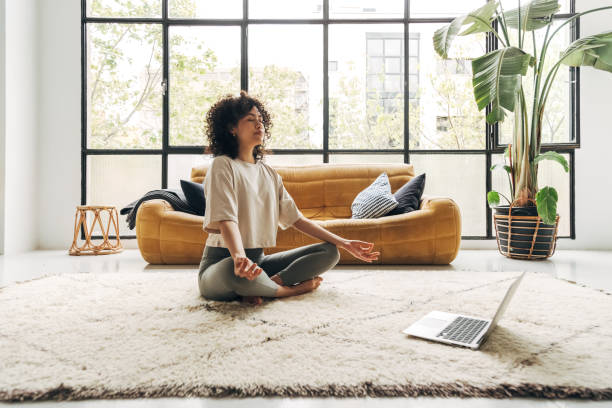
Building your home yoga setup is an empowering first step toward lifelong physical health and mental clarity. By gathering a few simple tools, you create an inviting space dedicated entirely to your personal well-being. Remember that the quality of your attention always outvalues the cost of your equipment.
As your comfort grows, you might choose to deepen your practice by exploring diverse environments. Combining online sessions with immersive outdoor yoga Chennai experiences can refresh your perspective and build lasting community connections. Start precisely where you are today, utilize what you have available, and let your practice unfold naturally.


Leave a Comment